
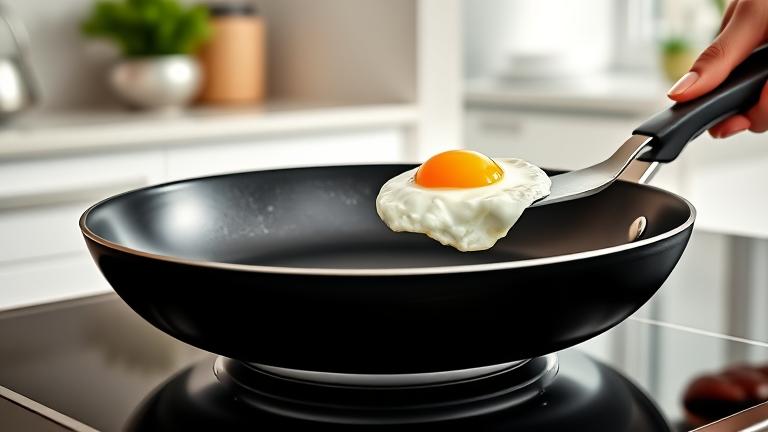
Tips for Perfect Egg Cooking
Cooking eggs might seem simple, but achieving that perfect consistency can require some practice. Whether you prefer your eggs soft, firm, or somewhere in between, these helpful tips will guide you toward consistently excellent results. From boiling to scrambling, small adjustments can significantly impact how your eggs turn out.
First, start with fresh eggs whenever possible. Fresher eggs have firmer whites and yolks, which enhance their texture and appearance once cooked. For boiling, place eggs in a single layer in a saucepan and cover them with cold water. The water should be about an inch above the eggs. Heating the eggs gently helps prevent cracking and promotes even cooking.
When boiling eggs, bringing the water to a boil first works well for most people. Once boiling, reduce the heat to low and let the eggs simmer gently. Use a timer to control the cooking time: about 4-6 minutes for soft-boiled eggs, 8-10 minutes for medium, and 12 minutes for hard-boiled eggs. Be sure to cool eggs immediately in ice water after cooking to stop the process and make peeling easier.
For scrambled eggs, whisk them thoroughly before cooking. Adding a splash of milk or cream can make them extra fluffy, but don’t overdo it. Cook on medium-low heat in a non-stick skillet, stirring gently and continuously. This slow, steady heat prevents eggs from becoming rubbery. Remove the eggs from the heat just before they are fully set; they will continue to cook in their own warmth.
When frying eggs, use a non-stick pan and a small amount of butter or oil for easy release. For sunny-side-up eggs, cook on medium-low heat until the whites are set and the yolk is still runny if that’s your preference. Covering the pan briefly with a lid can help cook the whites through without flipping. For over-easy or over-hard eggs, gently flip with a spatula and cook to your desired doneness.
Here are a few practical tips to remember:
- Use medium-low heat for most cooking methods to avoid overcooking or burning.
- Adjust cooking times based on egg size and your personal preference for doneness.
- For easy peeling of boiled eggs, add a pinch of salt or vinegar to the cooking water.
- Don’t forget to season eggs after cooking; a sprinkle of salt and pepper can significantly enhance flavor.
- Practice makes perfect: try small adjustments in cooking times to find your ideal egg texture.
Avoid common mistakes like rushing the cooking process with high heat, which can cause eggs to crack or become rubbery. Also, don’t forget to monitor the time carefully—overcooking eggs not only affects the texture but can also produce a greenish ring around the yolk, especially in hard-boiled eggs.
By following these simple tips and paying attention to your technique, you’ll be able to enjoy perfectly cooked eggs every time. Keep experimenting with timing and methods to discover your favorite way to prepare this versatile food.
Common Mistakes to Avoid
Cooking eggs might seem straightforward, but even experienced cooks can encounter some common pitfalls. One frequent issue is eggs sticking to the pan. This can turn a quick breakfast into a frustrating mess. Fortunately, with a few tips, you can avoid this and cook perfect eggs every time.
First, using the right type of pan is key. Non-stick pans are ideal for eggs because they help prevent sticking. If you’re using a stainless steel or cast iron skillet, ensure it’s well-seasoned or properly heated before adding the eggs. Heating the pan before pouring in your eggs creates a natural barrier that reduces sticking.
Another mistake is cooking eggs on too high heat. High temperatures can cause eggs to stick and become rubbery or burnt on the outside. Instead, cook eggs over low to medium heat. This allows gentle cooking, helping the eggs stay tender and preventing them from sticking to the pan.
Many home cooks overlook the importance of enough fat. Butter or oil acts as a protective layer between the eggs and the pan. Be generous with your butter or oil, especially when making fried or scrambled eggs. Adding a bit more if you notice the eggs starting to stick can save a lot of hassle.
Timing also matters. Eggs should be cooked until just set but still moist. If you wait too long, they can stick and become dry. Remove them from the heat when they are slightly underdone, as they will continue cooking with residual heat. This helps keep them soft and prevents sticking caused by overcooking.
Another common mistake is trying to flip or scramble eggs before they are ready. Gently stir or flip when the eggs are mostly cooked but still slightly runny. Using a non-stick spatula helps lift the eggs carefully without tearing or sticking.
Remember to clean your pan promptly after cooking. Residue can build up over time, making future eggs more likely to stick. A quick rinse or gentle scrub with warm, soapy water is enough to keep your pan in good shape.
- Use a non-stick or well-seasoned pan.
- Preheat the pan before adding eggs.
- Cook on low to medium heat for tender results.
- Use enough butter or oil for a protective layer.
- Cook eggs just until set to avoid over-sticking and drying out.
- Clean your pan soon after cooking to prevent residue buildup.
By avoiding these common mistakes, you can enjoy perfectly cooked eggs every time, with no sticking and great flavor. Practice makes perfect, and soon you’ll be able to whip up eggs that look and taste fantastic with minimal fuss.
Best Cookware for Eggs
Cooking eggs can be tricky, especially if they tend to stick to the pan. Choosing the right cookware makes a significant difference in how your eggs turn out—fluffy, evenly cooked, and easy to clean. Whether you’re making scrambled eggs, an omelet, or fried eggs, the best cookware will help you achieve perfect results every time.
There are several types of cookware suited for eggs, each with its advantages. The most common options include non-stick pans, stainless steel, and cast iron. Let’s explore these choices to see which suits your cooking style best.
Non-Stick Pans
Non-stick pans are very popular for cooking eggs because they prevent sticking and require less oil or butter. They are easy to clean and perfect for delicate dishes like eggs. Modern non-stick coatings are made from materials like Teflon or ceramic, providing smooth surfaces that eggs slide right off.
One important tip is to use gentle heat to avoid damaging the non-stick coating. Avoid metal utensils, as they can scratch the surface. Instead, opt for silicone or wooden tools to keep your pan in top condition.
Stainless Steel Pans
Stainless steel pans are durable and versatile, great for cooking eggs if you’re careful with heat. They don’t have a non-stick coating, so cooking eggs in them requires a bit more technique. Preheating the pan and using enough butter or oil helps prevent sticking.
For scrambled eggs or omelettes in stainless steel, keep the heat medium to low. Gently move the eggs around to prevent sticking too much. Cleaning can be a bit more involved, but warm soapy water and gentle scrubbing usually do the trick.
Cast Iron Skillets
Cast iron is another excellent choice for eggs once it’s well-seasoned. A seasoned cast iron pan develops a natural non-stick surface, making it ideal for fried eggs or scrambled eggs. It heats evenly and retains heat well, ensuring eggs cook thoroughly without burning.
Remember to preheat the pan properly and coat it lightly with oil. After cooking, clean the cast iron with warm water and avoid soap—simply scrub and dry thoroughly to maintain the seasoning.
Quick Tips for Cooking Eggs
- Use enough fat, like butter or oil, to prevent sticking, especially in stainless steel or cast iron.
- Keep the heat moderate to avoid overcooking or burning eggs.
- Preheat your pan before adding eggs for better results.
- Choose the right utensil: silicone, wooden, or plastic to avoid scratching non-stick surfaces.
In the end, the best cookware for eggs depends on your preference and cooking habits. Non-stick pans are perfect for quick, fuss-free eggs, while cast iron and stainless steel offer durability and excellent performance with a little extra care. Experiment with different options to find which one helps you make perfect eggs every time.
How to Prevent Eggs from Sticking
Cooking eggs can sometimes be tricky, especially if they stick to the pan. But with a few simple tips, you can enjoy perfectly cooked eggs that slide right out and make your breakfast or meal prep much easier. The key is to use the right tools, proper heating, and suitable fats. Let’s explore some practical ways to prevent eggs from sticking to the pan.
First, use a good quality non-stick skillet. These pans have a special coating that helps eggs release easily. If you don’t have one, a well-seasoned cast iron skillet can also work well—just make sure it’s properly seasoned and heated before adding the eggs.
Before cooking, add a generous amount of fat to the pan. This can be butter, oil, or even cooking spray. Make sure the fat is warmed enough so it coats the surface evenly. When the fat is hot, it creates a barrier between the eggs and the pan, preventing sticking.
The temperature setting is very important. Turn your stove to medium or medium-low heat. If the pan gets too hot, the eggs can stick and even burn. Cooking eggs slowly at a moderate temperature gives you more control and results in less sticking.
When you pour the eggs into the pan, do so gently to prevent sticking and breaking. If you’re scrambling, stir gently and frequently to keep the eggs moving. For fried eggs or sunny side up, give them a little time to set before trying to flip or move them.
Sometimes, adding the eggs too early or to a cold pan can make them stick. Make sure the pan and fat are hot enough before adding the eggs. A good test is to sprinkle a few drops of water into the pan—if they sizzle immediately, the pan is ready.
Cleaning your pan properly after cooking also helps prevent sticking in the future. Avoid using metal utensils that can scratch the surface. Instead, use silicone or wooden spatulas. Once the pan cools, wash it gently with warm water and mild soap. If any eggs are stubborn, soak the pan for a few minutes. For cast iron, avoid soap to maintain the seasoning.
Quick tips to prevent sticking:
- Always preheat your pan properly before adding eggs.
- Use enough fat to coat the surface evenly.
- Don’t rush the process by turning the heat too high.
- Gently slide a spatula underneath eggs when they are ready to lift.
- Choose the right pan that suits your cooking style and needs.
By following these simple methods, you can enjoy eggs that cook evenly and come out easily without sticking. Patience and good preparation are key. With a little practice, you will master the perfect eggs every time.
Different Ways to Cook Eggs
Eggs are a versatile and delicious ingredient that can be prepared in many ways. Whether you like them crispy, soft, or runny, there is a method for everyone. In this section, we will explore some popular cooking techniques, along with tips to prevent sticking and achieve the best results.
Scrambled Eggs
Scrambled eggs are quick and easy to make. Start with fresh eggs and crack them into a bowl. Beat them well with a fork or whisk until the yolks and whites are fully combined and slightly frothy.
Use a non-stick skillet and add a small amount of butter or oil over medium-low heat. Once heated, pour the eggs into the pan. Stir gently with a spatula, pushing the eggs from the edges toward the center.
Cook until they are just set but still moist. Be careful not to overcook, as they can become dry. For extra flavor, add salt, pepper, or cheese towards the end.
- Tip: Use a non-stick pan for soft, fluffy eggs and to prevent sticking.
- Tip: Cooking on low heat helps keep eggs tender and avoids burning.
Fried Eggs
Fried eggs are a breakfast staple whether sunny side up, over easy, or over hard. Start by heating a non-stick skillet over medium heat and adding a little butter or oil.
Carefully crack an egg into the pan to avoid breaking the yolk. For sunny side up, cook until the whites are set and the yolk remains runny. For over easy or over hard, gently flip the egg with a spatula and cook a few more seconds or minutes, depending on your preference.
To prevent sticking, ensure your pan is properly heated and use enough fat. Gently moving the eggs around helps avoid tearing the whites.
- Tip: Fresh eggs hold their shape better when frying.
- Tip: Use a wide spatula to flip eggs safely and neatly.
Poached Eggs
Poached eggs have a delicate texture and are perfect for breakfasts or salads. Fill a deep skillet or saucepan with about 3 inches of water and bring to a gentle simmer.
Add a small splash of vinegar to help the whites coagulate. Crack an egg into a small cup or bowl. Create a gentle whirlpool in the water using a spoon, then carefully slide the egg into the center.
Let it cook for about 3-4 minutes, until the whites are firm but the yolk remains soft. Use a slotted spoon to remove the egg and drain any excess water.
- Tip: Use fresh eggs for cleaner, more compact poached eggs.
- Tip: Avoid overcrowding the pan; cook one or two eggs at a time for best results.
Boiled Eggs
Boiled eggs are simple and great for snacks or salads. Place eggs in a single layer in a saucepan and cover with cold water, about an inch above the eggs.
Bring the water to a rolling boil over high heat. Once boiling, turn off the heat and cover. Let the eggs sit for 9-12 minutes, depending on your preferred doneness.
Transfer eggs to a bowl of ice water to stop the cooking process and make peeling easier.
- Tip: Older eggs peel more easily after boiling compared to fresh eggs.
- Tip: For softer yolks, reduce boiling time; for harder yolks, cook longer.
With these various methods, you can enjoy eggs in many delicious forms. Remember, choosing the right equipment and cooking gently will help prevent sticking and make your cooking experience more enjoyable. Experiment to discover your favorites!
Best Oils and Fats for Eggs
Choosing the right oil or fat can significantly improve the quality of your cooked eggs. Whether you want fluffy scrambled eggs, perfectly fried eggs, or an omelet, the fat you use helps prevent sticking and adds flavor. With so many options, understanding which fats work best can make your cooking more successful.
Using the right type of fat not only prevents sticking but also influences texture and taste. Some fats lend richness, while others keep things light and delicate. Let’s explore some popular and effective choices for cooking eggs at home.
Popular Oils for Cooking Eggs
- Olive Oil: Extra virgin olive oil offers a tasty and healthy option. Its mild flavor complements scrambled eggs or omelets well. Use about a teaspoon for a non-stick coating in a small pan. Keep in mind that extra virgin olive oil has a lower smoke point, so cook on medium heat to avoid burning.
- Canola Oil: Canola oil is neutral in flavor and affordable. It has a high smoke point, making it ideal for frying eggs quickly and evenly. It doesn’t overpower the eggs’ flavor, so your dish remains the focus.
- Vegetable Oil: Similar to canola, vegetable oil is versatile and good for frying and scrambling. It’s a neutral choice that won’t interfere with the eggs’ taste.
- Avocado Oil: With a high smoke point and a subtle buttery flavor, avocado oil is excellent for eggs. Although slightly pricier, it adds a nice richness without overwhelming the dish.
Fats That Add Flavor and Texture
- Butter: A classic choice, butter adds richness and a nutty aroma. Melt about a tablespoon in your pan before adding the eggs. Keep the heat at medium to prevent burning, which will help achieve tender, flavorful eggs.
- Lard or Bacon Fat: These animal fats can impart a smoky, savory flavor to your eggs. Use sparingly for special dishes or weekend breakfasts, but be mindful of their higher saturated fat content.
Tips for Cooking Eggs with Fats
- Before adding eggs, ensure your pan is hot enough so they don’t stick but not so hot that the fat burns. A quick test with a few drops of water sizzling indicates readiness.
- Use enough fat to coat the bottom of the pan evenly. This promotes even cooking and helps prevent sticking.
- If eggs begin to stick, lower the heat slightly and give the fat a moment to recover. Adding a tiny bit more fat can also help.
- For fluffy scrambled eggs, beat the eggs thoroughly and cook on low to medium heat, stirring gently. The fat creates a smooth, moist result.
Additional Tips
- Avoid using cold eggs straight from the fridge. Let them sit at room temperature for a few minutes for better cooking results.
- Don’t overcrowd the pan; cook eggs in batches for even heating and to prevent sticking.
- If your eggs tend to stick despite using oil or butter, try reducing the heat slightly or cleaning the pan with paper between batches.
By selecting the right oil or fat and following these simple tips, your eggs will turn out perfectly cooked, taste great, and release easily from the pan. Happy cooking!
Cleaning and Maintaining Cookware
Proper cleaning and maintenance are essential for keeping your cookware in good shape and ensuring your favorite meals turn out as intended. Whether you use non-stick, cast iron, stainless steel, or ceramic pots and pans, regular care helps prevent buildup, sticking, and damage. With a few simple habits, your cookware will last longer and perform better each time you cook.
General Cleaning Tips
After each use, let your cookware cool before washing. Putting hot pans into cold water can cause warping or cracking, especially with materials like cast iron and glass. For most cookware, a quick wash with warm, soapy water is sufficient to remove food residues.
If you notice stuck-on food, soak your cookware in warm, soapy water for 10 to 15 minutes. This softens residues and makes scrubbing easier without damaging the surface. Use a soft sponge or cloth and avoid harsh steel wool on non-stick or ceramic surfaces, as it can scratch and ruin the coating.
Cleaning Different Types of Cookware
- Non-stick pans: Use gentle cleaning tools to protect the coating. A soft sponge with mild dish soap works well. For stubborn stains, sprinkle baking soda and add a small amount of water to form a paste. Let it sit for a few minutes before gently scrubbing.
- Cast iron: Clean with hot water and a stiff brush or sponge. Avoid soap, as it can strip the seasoning layer. After washing, dry thoroughly and apply a thin coating of oil to prevent rust. Never soak cast iron for prolonged periods.
- Stainless steel: For tough stains, create a paste of baking soda and water, apply to the surface, and scrub with a non-abrasive sponge. For water spots or discoloration, soaking in vinegar can be effective.
- Ceramic cookware: Use soft sponges and mild dish soap. For stains, a baking soda paste can lift residues without damaging the surface.
Maintaining Your Cookware
Regular maintenance ensures your cookware performs well over time. For non-stick pans, avoid metal utensils that can scratch the coating. Instead, opt for wooden, silicone, or plastic tools.
Cast iron cookware benefits from periodic seasoning—applying a thin layer of oil and heating it in the oven. This establishes a natural non-stick surface and prevents rust. Store cast iron carefully, placing paper towels between pans if stacking, to avoid scratching the season.
Stainless steel and ceramic cookware should be kept dry when not in use. Checking for mineral deposits or stains and removing them with gentle scrubbing or vinegar solutions helps maintain their appearance and performance.
Tips to Prevent Buildup and Sticking
- Always use appropriate utensils to prevent scratching or damaging your cookware’s surface.
- Avoid cooking on high heat with non-stick or ceramic pans—moderate temperatures help maintain the surface and prevent food from burning.
- Clean your cookware promptly after use to prevent food from hardening or staining.
- Season cast iron regularly to preserve its non-stick characteristics.
- Inspect your pans regularly for signs of wear, and replace damaged coatings or cookware as needed for safety and optimal performance.