
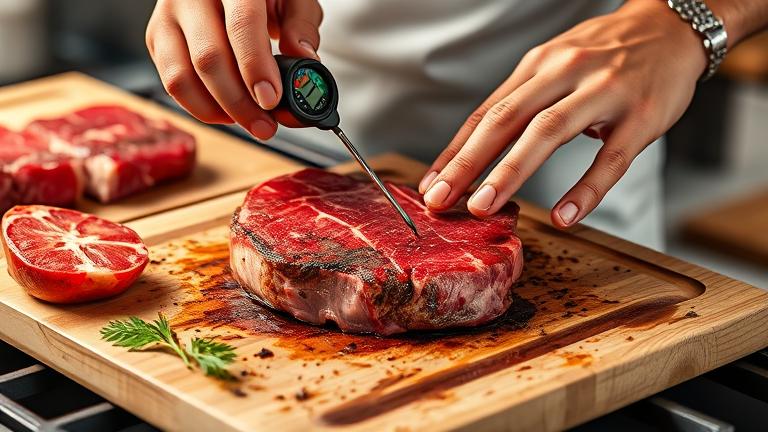
Signs Your Steak Is Not Cooked
Knowing whether your steak is fully cooked can sometimes be tricky, especially if you’re new to grilling or pan-searing. Observing the right signs is key to ensuring your steak is cooked to your desired doneness and is safe to eat. The most common indicators are visual cues, texture, and temperature measurements that you can check during cooking or after resting.
Visual Cues
One of the easiest ways to tell if a steak is not yet cooked enough is by its color. When raw or undercooked, the inside of the steak will be a deep red or purple shade, especially if you cut into it. For steaks cooked to medium rare or higher, you should see a warm, pink center. If your cut reveals a very bright red or appears icy in the middle, it indicates the steak is still raw or underdone.
Take note of the exterior as well. A properly seared steak should have a browned, caramelized crust. If the exterior looks shiny, gray, or has a lot of raw-looking juices, that’s a sign it might need more cooking time.
Texture and Tactile Indicators
Gently pressing on the steak with tongs or your finger can give clues about its doneness. An undercooked steak will feel soft, quite squishy, and loosely tender. It might even jiggle when you shake the pan. Conversely, a fully cooked steak has a firmer, more springy texture. If it feels very soft and rubbery or overly mushy, it probably isn’t cooked enough.
Another tip is to check the surface. If the steak looks wet, slimy, or seems to have a lot of raw juices on top, it might still need more time. Remember, juices should mostly stay inside the meat, not pooling on the surface.
Temperature Check
The most reliable way to tell if your steak is cooked is by measuring its internal temperature with a meat thermometer. Here are some general guidelines:
| Preferred Doneness | Temperature Range (°F) | Remarks |
|---|---|---|
| Rare | 120-125 | Cool red center, very soft |
| Medium Rare | 130-135 | Warm red center, tender |
| Medium | 140-145 | Pink center, firmer |
| Well Done | 160+ | Brown throughout, firm |
If your steak’s internal temperature is below the target range, it’s not yet done. Keep cooking and check again after a few minutes. Remember to insert the thermometer into the thickest part of the steak for most accurate reading.
Common Mistakes and Tips
- A common mistake is cutting into the steak too early, which releases juices and can lead to confusion about doneness.
- Use a meat thermometer for precision rather than relying solely on visual cues.
- Rest the steak after cooking; juices redistribute, making it easier to judge the final doneness.
- Patience is important—resist the urge to flip or check too often, which can interfere with even cooking.
How to Check Steak Doneness
When cooking steak, knowing when it’s perfectly done can make all the difference in enjoying a juicy, flavorful bite. There are several simple methods to check if your steak has reached your preferred level of doneness, whether you like it rare, medium, or well-done. Using a combination of these techniques can help you cook steak with confidence and consistency.
1. Using a Meat Thermometer
The most accurate way to check steak doneness is with a reliable meat thermometer. This little tool lets you measure the internal temperature, ensuring your steak is cooked just right. Insert the thermometer into the thickest part of the meat, avoiding any bone or fat for an accurate reading.
- Rare: 120-125°F (49-52°C)
- Medium rare: 130-135°F (54-57°C)
- Medium: 140-145°F (60-63°C)
- Medium well: 150-155°F (65-68°C)
- Well done: 160°F (71°C) and above
Remember, remove the steak from heat a few degrees below your target temperature because it continues to cook while resting. This is called carryover cooking.
2. The Touch Test
If you don’t have a thermometer, you can estimate doneness by pressing on the steak with your finger or tongs. This method takes practice but can be surprisingly reliable once you get the hang of it.
- Rare: Softest feel, like pressing the fleshy area at the base of your thumb when touching your thumb and pointer finger.
- Medium rare: Slightly firmer, similar to pressing the area at the base of your thumb when touching your thumb and middle finger.
- Medium: Firm but still yielding, like pressing the area at the base of your thumb when touching your thumb and ring finger.
- Well done: Very firm, like pressing the area when touching your thumb and pinky finger.
Use your fingertips in the same way to compare the firmness of the steak as it cooks. With practice, this method can give you a quick, reliable estimate.
3. Visual and Juiciness Cues
While less precise, observing the steak’s appearance can help judge doneness. A rare steak is bright red in the center with a lot of juices. Medium steaks are pink with some juice, and well-done ones are brown inside with less juice.
Be cautious: overcooking can dry out the steak, so don’t rely solely on appearance. Juices that run clear often indicate well-done, but this varies with meat thickness and cut.
Additional Tips for Perfect Steak
- Always rest your steak after cooking for about 5 minutes. This allows juices to redistribute for a tender bite.
- Use a combination of touch, visual cues, and a thermometer if possible, especially when first learning.
- Remember, thicker steaks are easier to gauge than thin cuts, which cook quickly.
Practicing these methods will help you develop a feel for your steak’s doneness and cook it exactly how you like it. With time, checking doneness becomes a simple, confident part of your cooking routine.
Raw, Undercooked, and Properly Cooked Steak Differences
When cooking steak, it’s helpful to understand the differences between raw, undercooked, and properly cooked meat. Knowing what each stage looks like and feels like can help you cook your steak just the way you like it, safely and confidently.
Raw steak is fresh meat that has not been cooked at all. It’s soft, cold to the touch, and shiny with a red, glossy appearance. The inside looks bright red or purple and feels very soft if you press it. Raw steak is safe only if it is fresh and has been stored properly in the refrigerator. It’s important to remember that eating raw meat can carry health risks, so always cook steak thoroughly if unsure.
Undercooked steak is partially cooked but not heated enough to kill harmful bacteria. The outside may be browned or seared, especially if you used high heat, but the inside remains red or pink. When you cut into an undercooked steak, it might look raw or have a cold, gelatinous center. The texture feels soft and juicy, but the temperature is lower than safe eating standards. Many people enjoy undercooked steak, like medium-rare, which is warm and pink inside. However, if you’re in doubt, use a meat thermometer to check the internal temperature. For medium-rare, aim for about 135°F (57°C). Caution: undercooked meat may contain bacteria, so always purchase good-quality meat and cook it safely.
Properly cooked steak reaches a safe internal temperature and has a firm, browned exterior. Depending on your preference, the inside can be rare, medium, or well-done. For safety, the USDA recommends cooking whole cuts of beef to at least 145°F (63°C) and letting it rest for three minutes before eating. Properly cooked steak looks evenly browned on the outside, with a consistent color inside. It feels firm but not tough when you press it, and juices run clear or slightly pink, depending on doneness.
| Stage | Appearance | Texture | Temperature Range |
|---|---|---|---|
| Raw | Shiny, red, glossy | Very soft, squishy | Room temperature, no heat applied |
| Undercooked | Seared outside, pink or red inside | Juicy, soft, slightly firm | 120–135°F (49–57°C) |
| Properly Cooked | Browned outside, inside varies by preference | Firm but tender, juices clearer | 145°F (63°C) and above |
Remember, the best way to tell if your steak is cooked to your liking is by using a meat thermometer. Visual cues help, but measuring the internal temperature ensures safety and perfection. Never rely solely on appearance for doneness, especially if you like your steak cooked to specific levels. With practice, you’ll quickly learn to recognize each stage and cook your steak to match your taste and safety standards.
Common Mistakes When Cooking Steak
Cooking steak can seem simple, but small mistakes often lead to less-than-perfect results. Whether you’re new to grilling or pan-frying, knowing what to avoid will help you serve a juicy, flavorful piece of meat each time. Here are some common errors and how to steer clear of them.
One of the biggest mistakes is not letting the steak reach room temperature before cooking. If the meat is cold from the fridge, it will cook unevenly, resulting in a cold center and a charred outside. To fix this, take your steak out 30 to 60 minutes before cooking, so it can come to room temperature naturally. This small step makes a big difference in how evenly it cooks.
Another common error is over- or under-seasoning the steak. Many home cooks skip on salt or add it too early, which can dry out the meat. Remember to season generously with salt just before cooking. Salt enhances flavor and creates a better crust. If you prefer, add pepper or other spices after cooking, so they don’t burn during high heat.
Using too much heat or not enough heat is also a frequent mistake. Cooking steak on a skillet that’s too hot can burn the outside before the inside is done, while low heat may result in a pale, less flavorful crust. The key is to preheat your pan or grill well—aim for a hot surface that makes the meat sizzle loudly when you add it. Adjust the heat as needed to achieve a nice sear without burning.
Many people forget to dry the steak thoroughly before cooking. Excess moisture from wet meat causes steaming rather than searing, leading to a dull, less tasty crust. Pat the steak dry with paper towels before seasoning and placing it on the heat. This simple step helps develop that beautiful, caramelized exterior.
Overcooking or undercooking is also a common mistake. Relying solely on cooking time can be tricky because thickness, heat, and starting temperature vary. Use a meat thermometer to check internal temperature. For example, aim for 125°F for rare, 135°F for medium-rare, 145°F for medium, and so on. Remove the steak from heat a few degrees early; it will carry over during resting.
Resting the steak is often overlooked, but it’s vital for juicy results. Cutting into steak right after cooking causes juices to escape. Instead, let the steak rest on a plate for 5–10 minutes. Cover lightly with foil if needed. This allows juices to redistribute evenly, resulting in a moister, more flavorful bite.
Finally, flipping the steak too often can prevent it from forming that delicious crust. To avoid this, let the meat sear well on one side before flipping once. Turn it only when you see a nice brown crust and the edges start to lift slightly from the pan or grill.
By keeping these common mistakes in mind and following simple tips, you’ll improve your steak-cooking skills and enjoy restaurant-quality results at home. Remember, practice makes perfect, and a little attention to detail goes a long way!
Tips for Perfect Steak Every Time
Getting a perfect steak is simpler than you might think. With a few expert tips, you can achieve juicy, flavorful results each time you cook. Whether you’re using a grill, skillet, or oven, these techniques will help you master the art of steak cooking.
Choose the Right Cut
Start with a good-quality cut of meat. Popular options for beginners include ribeye, sirloin, filet mignon, or New York strip. Look for steaks with good marbling—thin streaks of fat within the muscle. This fat melts during cooking and adds flavor and moisture.
Season Generously
Before cooking, season your steak with salt and pepper. Salt is essential as it enhances flavor and helps create a nice crust. Do this at least 30 minutes before cooking or even the night before for extra flavor. You can also add garlic powder, paprika, or herbs if you like.
Preheat Your Cooking Surface
Whether using a grill or skillet, make sure it’s hot before adding your steak. A hot surface seals in juices and creates that desirable caramelized crust. For a skillet, heat it over medium-high heat for several minutes. If using a grill, wait until it’s fully heated and the grates are clean.
Cook to the Right Temperature
The key to a perfect steak is reaching the right internal temperature. Use a meat thermometer to check doneness:
- Rare: 120-125°F
- Medium Rare: 130-135°F
- Medium: 140-145°F
- Medium Well: 150-155°F
- Well Done: 160°F and above
Remember, the steak continues to cook slightly after removing from heat, so take it off a few degrees below your target temperature.
Cooking Methods
For a perfect steak, choose your method based on thickness and preference:
- Grilling: Great for thicker steaks. Grill each side for 3-5 minutes for medium rare, adjusting based on thickness.
- Skillet searing: Use a cast-iron skillet for a nice crust. Sear each side for 2-3 minutes, then finish in the oven if needed for thicker cuts.
- Oven finishing: Sear on the stovetop first, then transfer to a preheated oven at 400°F for a few minutes for even cooking.
Rest the Steak
Resting is a crucial step. After cooking, place your steak on a plate and cover loosely with foil. Rest for about 5-10 minutes. This allows the juices to redistribute inside the meat, making each bite tender and juicy.
Final Tips and Tricks
- Use tongs to flip your steak; avoid piercing it with a fork, which can let juices escape.
- For extra flavor, brush the steak with butter or herbs during resting.
- Don’t forget to clean your grill or pan between uses to prevent sticking and burning.
- Practice makes perfect: try cooking the same cut in different ways to discover what you like best.
Follow these straightforward tips, and you’ll be serving steaks that are flavorful, tender, and cooked exactly to your liking every time. Enjoy your delicious masterpiece!
Why Proper Steak Cooking Matters
Cooking steak correctly is essential to enjoy its full flavor, tender texture, and safety. When done right, a properly cooked steak can be a juicy, flavorful treat. But overcooking or undercooking can turn it into a tough, unappetizing mess. That’s why understanding the importance of proper steak cooking can make a big difference in your dining experience.
First and foremost, safety is key. Steak, like other meat, can harbor harmful bacteria such as Salmonella or E. coli. Cooking steak to the right internal temperature kills these germs and makes the meat safe to eat. Using a reliable meat thermometer ensures you’re cooking the steak enough to be safe but not so much that it becomes dry and chewy.
Flavor is another major reason why proper cooking matters. When steak reaches the right level of doneness, the natural juices stay inside, keeping the meat flavorful and moist. Overcooking can cause those juices to evaporate, leaving the steak dry and tough. Conversely, undercooking might leave the center too cold or raw, especially if you prefer medium or well-done steak. Finding that perfect balance highlights the rich, beefy taste that makes steak so popular.
Texture plays a big role too. A properly cooked steak will have a pleasant, tender bite. When cooked correctly, the muscle fibers break down just enough to give you a satisfying chew without feeling chewy or rubbery. Overcooked steak becomes hard and stringy, while undercooked steak can be gummy or slimy, depending on the cut. Knowing how to cook your steak to the right level makes all the difference in how enjoyable it is to eat.
Many home cooks forget that steak carries different levels of doneness, from rare to well-done. Each level offers a different experience, and choosing the right one depends on your personal taste and cut of meat. For example, a tender filet may be best enjoyed rare or medium rare, while a tougher cut like a chuck steak might be better cooked longer for tenderness. Understanding how to achieve these different levels helps you customize your steak to your preference.
Practicing proper technique is easier than you think. Start with high-quality meat, use a good meat thermometer, and pay attention to cooking time and temperature. Letting the steak rest for a few minutes after cooking allows the juices to redistribute, resulting in a more flavorful and juicy bite. It is worth taking the time to learn these steps because the end result will be a delicious steak that is safe, flavorful, and beautifully textured.
- Remember to cook steak to the recommended internal temperature for safety.
- Use a thermometer for accurate doneness.
- Allow the steak to rest before serving to keep it juicy.
- Choose the right cut of meat for your preferred doneness.
FAQs About Steak Doneness
Many home cooks want to learn how to cook the perfect steak. Knowing about steak doneness helps you get the texture and flavor just right. Whether you like your steak rare, medium, or well done, these FAQs will give you the answers you need to cook with confidence.
What is the difference between rare, medium, and well-done steak?
Steak doneness levels are mainly about how cooked the inside of the meat is. A rare steak is cooked very briefly on the outside, leaving the inside cool and red. Medium is more cooked, with a warm pink center. Well-done means the steak is cooked all the way through, with little or no pink, and can be quite firm.
Each level offers a different taste and texture. Rare steaks are juicy and tender, while well-done may be firmer and drier. Choose the doneness that best suits your taste, but remember that thicker steaks need more time to reach your preferred level.
How do I tell when my steak is cooked to the right doneness?
There are a few easy ways to check steak doneness:
- Use a meat thermometer: This is the most accurate method. For guidance, check the internal temperature: rare is 120-125°F, medium is 140-145°F, and well-done is 160°F and above.
- Finger test: You can compare the feel of the steak to different parts of your hand. For example, a rare steak feels like your cheek, while a well-done feels like your palm when your hand is flat.
- Visual cues: Look for color changes and juices. Red and cool inside for rare, pink and warm for medium, and brown all over for well-done.
Can I cook a steak to a specific doneness without a thermometer?
Yes, but it takes practice. Rely on timing and visual cues, but keep in mind that thickness and heat settings affect cooking time. For beginners, a meat thermometer is the easiest way to ensure perfect doneness.
If you prefer not to use a thermometer, learn the finger test method or cut into a small part to check the inside. Just be cautious as cutting into the steak can release juices and lower its temperature slightly.
Does resting the steak affect its doneness?
Yes, resting is important. After cooking, let your steak sit on a plate for about 5 minutes before cutting into it. Resting allows the juices to redistribute, making the steak more flavorful and tender.
During this time, the internal temperature may rise slightly, especially if you cooked it close to the next level of doneness. So, if you want it medium-rare, remove it from heat a few degrees before reaching 130°F, then let it rest.
What are common mistakes when cooking steak to the right doneness?
- Overcooking or undercooking: Relying solely on time can lead to mistakes. Use a thermometer for accuracy.
- Not resting enough: Cutting into a steak immediately after cooking can cause juicy loss and dry meat.
- Cooking at too high heat: This can burn the outside while leaving the inside undercooked. Use medium-high heat for even cooking.
By understanding these FAQs about steak doneness, you can cook your steak just the way you like it, every time. Practice, patience, and using a thermometer will help you become a home-cooked steak pro!