
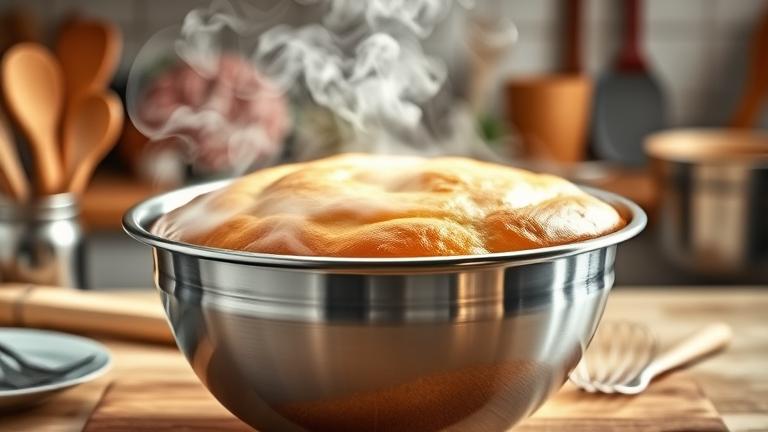
Benefits of Baking with Steel Bowls
Using steel bowls for baking offers many advantages that can improve your baking experience and results. Steel bowls are strong, durable, and versatile, making them a favorite choice among home bakers and professionals alike. If you’re looking for reliable equipment to help you bake perfect cakes, steel bowls are a great option.
One of the biggest benefits of steel bowls is their durability. Unlike plastic or glass bowls, steel bowls won’t easily crack, chip, or break if accidentally dropped. This means they can withstand regular use and even some rough handling in the kitchen. They are also resistant to staining and odors, so your bowls stay fresh and clean over time.
Another advantage is their excellent heat conduction. Steel quickly and evenly distributes heat when used in the oven or on the stovetop. This helps ensure your batter cooks evenly, which is especially important when baking cakes. Proper heat distribution prevents hotspots that can cause uneven rising or slight burning at the edges.
Steel bowls are also lightweight compared to glass or ceramic options, making them easier to handle and pour from. Their smooth, non-porous surface is simple to clean and maintain. You can easily wash them by hand or in the dishwasher, saving you time and effort. Plus, because they don’t absorb moisture, they’re less likely to harbor bacteria or odors.
Many bakers appreciate how versatile steel bowls are. They come in various sizes, so you can choose the perfect fit for your recipes. Large steel bowls are ideal for mixing cake batter or whipping cream, while smaller ones are perfect for preparing ingredients or melting chocolate. Their sturdy structure also makes them suitable for tasks like double boiling or bain-marie, which are common in baking.
- Steel bowls can double as a double boiler, providing gentle heat for delicate tasks like melting chocolate or making custards.
- They can handle temperature fluctuations without warping or cracking, making them safe to go from freezer to oven.
- Many steel bowls have a wide lip or pouring spout for easy transfer of batters and mixtures.
However, keep in mind that steel bowls do not have the non-stick qualities of some other materials. To prevent batter from sticking, you might want to lightly grease or flour the bowl before use, especially if you’re mixing sticky doughs or batters. Also, stainless steel can sometimes feel cold to the touch, so be cautious when handling hot mixtures.
Overall, steel bowls are a practical choice for baking cakes and many other treats. They combine durability, excellent heat conduction, and ease of use, making them a reliable tool in any kitchen. Next time you mix or prepare ingredients, consider reaching for a steel bowl for a smooth, effective baking process.
How to Use Steel Bowls Safely
Steel bowls are versatile and durable, making them a popular choice in many kitchens. They are great for mixing, serving, and even baking in some cases. However, it’s important to handle them properly to avoid accidents and ensure your baking success. In this guide, you’ll find simple safety tips and best practices for using steel bowls safely in the oven.
Handling Steel Bowls Carefully
Steel bowls can get very hot when used in the oven, which means you should always use oven mitts or heat-resistant gloves when handling them. Never try to move a hot steel bowl with bare hands, as this can cause burns. Always check if the bowl has handles, and use them to lift the bowl out of the oven.
Before placing a steel bowl in the oven, make sure it is oven-safe. Most stainless steel bowls are designed for oven use, but it’s worth double-checking any labels or manufacturer instructions. Using a non-oven-safe bowl can lead to warping, damage, or dangerous spills.
Precautions When Using Steel Bowls in the Oven
While steel bowls are generally oven-safe, extreme or sudden temperature changes can cause problems. Avoid transferring a cold steel bowl directly from the refrigerator into a hot oven, as thermal shock can cause warping. Instead, let the bowl reach room temperature first.
Always place the steel bowl in the center of the oven or on a rack. This helps ensure even heat distribution and reduces the risk of warping or accidents. Keep a close eye on the bowl as it heats up, especially if you’re baking something for a long time.
Preventing Common Accidents
- Use protection: Always wear oven mitts or heat-resistant gloves when handling hot steel bowls.
- Avoid sudden temperature changes: Let the bowl warm up gradually or cool down naturally before moving it from hot to cold environments.
- Stable placement: Place the bowl securely on the oven rack or baking sheet. That way, it won’t tip over or slide during baking.
- Check for cracks or damage: Inspect your steel bowls regularly. Cracks or dents can weaken the structure and cause failures in the oven.
Practical Tips for Successful Baking with Steel Bowls
- Grease or line the bowl: To prevent sticking, lightly grease the inside of the bowl or line it with parchment paper if the recipe allows.
- Use appropriate recipes: Steel bowls work well for mixing, marinating, or baking items that don’t require precise temperature control. For delicate baked goods, consider whether your recipe is suitable.
- Cleaning tips: After use, wash the steel bowl with warm, soapy water, and dry it thoroughly. Avoid abrasive cleaners that can scratch the surface.
By following these safety tips and best practices, you can enjoy the convenience of steel bowls in your baking and cooking routines. Proper handling and care will help prevent accidents and ensure your baked goods turn out perfect every time.
Tips for Even Cake Baking in Steel
Baking a cake in a steel bowl can give you a beautifully even crumb, but only if you follow some key tips. Steel is a great conductor of heat, which means it heats quickly and evenly when used correctly. To get perfect results every time, keep these practical tips in mind.
Properly Preheat Your Steel Bowl
Always start by preheating your steel bowl along with your oven. Place the empty bowl in the oven as it warms up. This helps the bowl reach the right temperature before pouring in the batter. When the hot steel contacts the batter, it starts baking immediately, reducing the risk of uneven zones.
Preheating also helps prevent the batter from sticking. Allow the bowl to heat for at least 10–15 minutes at the desired baking temperature. This simple step makes a big difference in achieving an evenly baked cake.
Use the Right Oven Temperature
Setting the correct oven temperature is crucial. Steel conducts heat efficiently, so you might need to lower the temperature slightly from what recipes typically recommend for glass or ceramic pans. Usually, lowering the heat by about 25°F (14°C) works well.
Use an oven thermometer to double-check the actual temperature. Ovens can vary, and a thermometer ensures you are baking at the right heat for even cooking.
Mix Your Batter Thoroughly
Even mixing helps ensure the heat disperses evenly throughout the batter and that the cake buffs up uniformly. Mix just until the ingredients are combined; overmixing can cause density, while undermixing leaves streaks of flour or butter.
Use a spatula or mix gently with a hand mixer on low speed. Scrape the sides and bottom of the bowl regularly to incorporate all ingredients, especially if using a steel bowl which can be a bit tricky to scrape clean.
Distribute Batter Evenly
Once your batter is ready, pour it into the preheated steel bowl and gently spread it out with a spatula. Make sure it’s level across the surface. An even layer helps heat distribute uniformly during baking, preventing parts of the cake from browning faster or remaining undercooked.
Place in the Center of the Oven
Position your steel bowl in the exact middle of the oven rack. This central placement ensures all sides of the cake are exposed to the same heat intensity. Avoid the edges or corners, which can cause uneven baking due to temperature fluctuations.
Use the Correct Baking Time and Check Doneness
Follow the recipe’s suggested baking time but start checking for doneness a few minutes early. Insert a toothpick or cake tester in the center; if it comes out clean, your cake is ready. Remember that steel heats faster, so your baking time might be slightly shorter.
If the top browns too quickly but the inside isn’t done, lower the oven temperature slightly and continue baking. Using a cake shield or foil can also prevent over-browning while the interior finishes cooking.
Allow the Cake to Cool Before Removing
Once baked, let the cake cool in the steel bowl for about 10 minutes. This resting period helps the structure set. Then, gently invert the cake onto a wire rack for complete cooling. Do not rush this step, as hot steel retains heat and could cause sticking or uneven cracks if disturbed too soon.
- Always preheat your steel bowl along with your oven.
- Adjust oven temperature slightly downward when using steel cookware.
- Mix your batter thoroughly but avoid overmixing.
- Spread the batter evenly and use the middle oven rack.
- Check for doneness early and cool properly before serving.
Common Challenges and Solutions
Baking cakes in steel bowls can be a bit tricky at times. You might notice issues like uneven baking, sticking to the sides, or temperature control problems. Don’t worry — these are common hurdles, and with a few simple tips, you can overcome them and enjoy perfect homemade cakes every time.
Uneven Baking
One of the most common problems is uneven baking, which can leave parts of your cake underdone or overcooked. This often happens if heat isn’t distributed evenly in the steel bowl. To fix this, always preheat your oven thoroughly before placing the cake inside. Using an oven thermometer can help you check the actual temperature, since oven dials can be inaccurate.
Also, consider rotating the bowl halfway through baking. If your oven has hot spots, rotating can help ensure the heat reaches all sides evenly. Using a layer of parchment paper on the bottom of the bowl can also help with heat distribution and prevent the cake from sticking or burning on the bottom.
Sticking to the Steel Bowl
Sticking is another common issue, especially if the bowl isn’t prepared properly. To prevent this, grease the inside of the steel bowl generously with butter or non-stick spray. For extra assurance, dust it lightly with flour or use a little cocoa powder for chocolate cakes. Lining the bowl with parchment paper before pouring in the batter can make removal much easier and help keep the cake intact.
Once baked, let the cake cool for about 10-15 minutes before trying to remove it. Using a thin knife around the edges can help loosen parts that might stick. Gently turning the bowl upside down onto a cooling rack often works best, but be patient and avoid forced removals which can break the cake.
Temperature Control Challenges
Getting the right temperature is crucial for baking success. Steel bowls conduct heat quickly, which can cause your cake to brown too fast or burn on the outside while still being raw inside. To avoid this, try lowering the oven temperature by about 10-15 degrees Fahrenheit (around 5-8 degrees Celsius) from the recipe’s recommendation. Using an oven thermometer helps you maintain accurate heat.
Another tip is to bake your cake in the middle rack, where heat is most stable. If your oven runs hot, consider using a baking stone or placing a heat diffuser between the heat source and your steel bowl. This can help distribute heat more evenly and prevent overheating.
Practical Tips to Keep in Mind
- Always preheat your oven and the steel bowl before pouring in the batter.
- Use plenty of grease and lining to prevent sticking.
- Rotate the cake halfway through baking for even doneness.
- Check oven temperature regularly with a thermometer.
- Be patient when removing the cake — gentle handling avoids breakage.
Best Steel Types for Baking Cakes
When it comes to baking cakes, choosing the right steel pan can make a big difference. Steel is durable, conducts heat well, and is resistant to warping. But not all steels are the same, and different types offer different benefits. Let’s explore the most common steel options for cake baking, along with their properties, pros, and cons.
Carbon Steel
Carbon steel pans are a popular choice for baking cakes. They are made from a blend of iron and carbon, which makes them sturdy and heat-responsive. Carbon steel heats up quickly and evenly, helping your cake cook uniformly.
Pros:
- Excellent heat conduction
- Durable and long-lasting
- Usually lighter than cast iron
Cons:
- Can be prone to rust if not properly cared for
- May require seasoning to prevent sticking
Stainless Steel
Stainless steel is a classic, versatile material for baking pans. It does not react with food and is very easy to clean. While it isn’t as quick to heat as other steels, with a good quality stainless steel pan, heat distribution is usually adequate for cake baking.
Pros:
- Resistant to rust and corrosion
- No coating that can chip or wear
- Easy to maintain
Cons:
- Slightly less heat conductivity
- Can develop hot spots if not made with an aluminum core
Aluminized Steel
Aluminized steel combines the strength of steel with an aluminum coating on the inside. Aluminum is an excellent heat conductor, so these pans heat evenly and are great for baking.
Pros:
- Combines durability with excellent heat conduction
- Resistant to rust and staining
- Typically lightweight
Cons:
- Usually more expensive
- Can dent or warp if handled roughly
Casting and Considerations
When selecting steel for baking cakes, consider how often you bake and your maintenance preferences. Carbon steel and aluminized steel are preferred for their heat responsiveness and durability. Stainless steel is low-maintenance but might require a stepping stone for even heat distribution.
Here are some practical tips:
- Look for pans with a thick base for even baking.
- Choose non-stick coatings if you prefer easy releases, but check that they are oven-safe.
- Always hand wash steel pans to prevent rusting, especially with carbon steel.
While steel pans are generally versatile and sturdy, their effectiveness depends on the quality and construction. Investing in a good steel pan suited for cake baking can elevate your baking experience, ensuring your cakes are evenly baked, beautifully browned, and delicious every time.
Alternatives to Steel Bowls for Baking
If you don’t have a steel bowl on hand, or simply want to try something different, there are plenty of great options for baking. Glass, silicone, and ceramic bowls each have their own features that make them suitable for various baking tasks.
Glass Bowls
Glass bowls are a popular choice for many bakers. They are usually thick and sturdy, providing good heat resistance. Plus, they allow you to see the contents clearly, so it’s easy to check your dough or batter as you mix.
One key advantage of glass bowls is they are microwave safe, which means you can soften ingredients or melt butter directly in the bowl. However, they can be heavier than other options and can break if dropped, so handle them carefully.
They are ideal for mixing, marinating, and even for serving baked goods. Just remember to avoid sudden temperature changes, like taking a hot glass bowl to a cold countertop, as this could cause cracking.
Ceramic Bowls
Ceramic bowls are known for their attractive appearance. They come in various colors and patterns, making them great for serving baked items right at the table. Many ceramic bowls are microwave and oven safe, so they can go straight from mixing to baking.
They tend to be heavier than glass or silicone and can be fragile if dropped. Keep an eye on the temperature, as some ceramics may crack if exposed to extreme thermal shock. They are perfect for baking bread or casseroles because they distribute heat evenly.
Just make sure to check the manufacturer’s instructions for oven safety and whether the ceramic is glazed or unglazed, as this can affect their usefulness in different scenarios.
Silicone Bowls
Silicone bowls are lightweight, flexible, and incredibly versatile. They are often collapsible, which makes storage easy. Silicone is also heat resistant, usually up to 500°F (260°C), so you can bake, microwave, or freeze in these bowls without worry.
One of the main benefits of silicone is its non-stick surface, which makes mixing and pouring batter simple and keeps cleanup quick. They are generally dishwasher safe too. However, some bakers feel they don’t feel as sturdy as glass or ceramic, so handle with care when transferring filled bowls.
Silicone bowls are excellent for mixing ingredients, storing leftovers, and even using as molds for baking mini cakes or muffins.
Choosing the Right Bowl for Your Baking Needs
- Use glass bowls: for clear visibility and microwave convenience.
- Ceramic bowls: are perfect for a stylish presentation and even baking.
- Silicone bowls: offer flexibility, lightweight handling, and ease of storage.
Think about what you bake most often and your storage space. Each alternative has its strengths and suits different tasks. For example, silicone is great for quick mixing and storage, while glass or ceramic might be better for baking and serving.
Easy Cake Recipes Using Steel Bowls
Making delicious cakes at home can be simple and fun, especially when you use a sturdy steel bowl. Steel bowls are durable, mix ingredients evenly, and heat well, making them ideal for baking cakes. Plus, they’re easy to clean and perfect for various recipes. Whether you’re a beginner or an experienced baker, these recipes are designed to be straightforward and tasty. Don’t be afraid to experiment with flavors and add your own twists!
Before you start, make sure your steel bowl is clean and well-greased. You can lightly dust it with flour or line it with parchment paper to prevent sticking. Also, check that your oven is preheated to the right temperature before placing your batter in the bowl. Now, let’s explore some simple cake recipes you can create in your steel bowl.
Classic Vanilla Cake
This basic vanilla cake is perfect for any occasion. Its moist texture and delicate flavor make it a favorite for celebrations or everyday treats. Here’s how to make it using a steel bowl:
- Mix 1 ½ cups of all-purpose flour, 1 ½ teaspoons of baking powder, and a pinch of salt in a bowl.
- In another bowl, whisk together 1 cup of sugar and ½ cup of softened butter until creamy.
- Add 2 beaten eggs and 1 teaspoon of vanilla extract to the butter mixture, then beat well.
- Gradually add the dry ingredients to the wet mixture, alternating with ½ cup of milk, starting and ending with the dry ingredients.
- Pour the batter into a well-greased steel bowl and smooth the top.
- Bake in a preheated oven at 350°F (175°C) for about 30 to 35 minutes. Check doneness with a toothpick—if it comes out clean, your cake is ready.
Let the cake cool in the bowl for 10 minutes before transferring it to a wire rack. Once cooled, you can frost or dust it with powdered sugar for extra flavor.
Chocolate Fudge Cake
If you love chocolate, this fudge cake is a rich and satisfying choice. Here’s how to make it in your steel bowl:
- In a saucepan, melt ½ cup of butter and 1 cup of semi-sweet chocolate chips over low heat. Let it cool slightly.
- In a large bowl, beat together 2 eggs, 1 cup of sugar, and 1 teaspoon of vanilla extract.
- Stir in the melted chocolate mixture until smooth.
- Sift in 1 cup of all-purpose flour, ¼ teaspoon of baking powder, and a pinch of salt. Fold gently until combined.
- Pour the batter into a greased steel bowl, spreading evenly.
- Bake at 350°F (175°C) for about 25-30 minutes. Check with a toothpick; it should come out with moist crumbs.
This cake is especially good with a dusting of cocoa powder or a dollop of whipped cream. It can be stored in an airtight container for up to two days, staying moist and chocolatey.
Tips for Baking with Steel Bowls
- Greasing is key: Before pouring your batter, lightly grease the bowl with butter or non-stick spray. This helps release the cake easily.
- Use oven mitts: Steel bowls can get hot during baking. Handle with care to avoid burns.
- Adjust baking times: Because steel conducts heat well, keep an eye on your cake as it bakes. You might need to reduce the baking time slightly.
- Creative ideas: Experiment with flavors by adding nuts, fruits, or spices to the batter for a personalized touch.
Enjoy the process of baking in your steel bowl. It’s a simple way to create delicious cakes and get creative in the kitchen. Happy baking!