
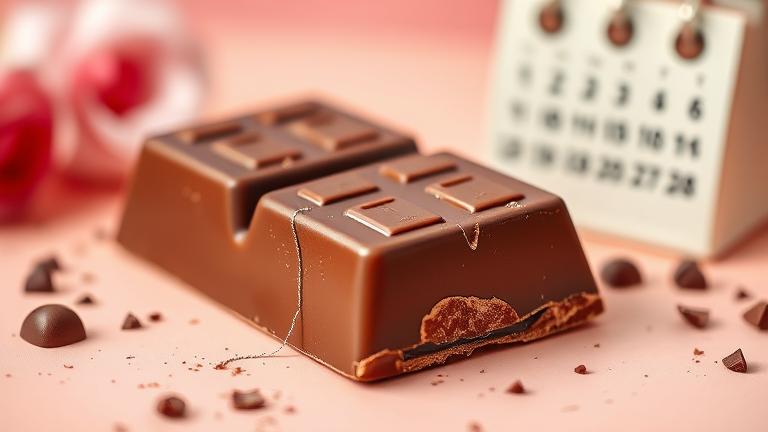
Does Chocolate Really Expire?
Many people wonder if chocolate actually has an expiration date or if it can last forever. The answer is a bit of both. Chocolate doesn’t spoil in the same way as perishable foods like milk or meat, but it can still go bad over time. Knowing how to tell if your chocolate is still good can save you from a disappointing bite or wasted treats.
In general, most chocolate products have a best-by date printed on the package. This date is more about quality than safety. It indicates when the chocolate will taste its best. After that date, the flavor and texture might decline, but the chocolate usually remains safe to eat for some time. Proper storage plays a key role in extending its shelf life.
What factors influence chocolate’s shelf life?
- Type of chocolate: Dark chocolate tends to last longer than milk or white chocolate because it contains less dairy, which can spoil faster. Usually, dark chocolate keeps well for about 1 to 2 years if stored properly.
- Ingredients: The presence of dairy, nuts, or fillings can shorten shelf life. Dairy-based chocolates are more prone to spoilage and may last only 6 to 12 months.
- Storage conditions: The key to keeping chocolate fresh is storing it in a cool, dry place away from direct sunlight. Temperatures between 60-70°F (15-21°C) are ideal. High heat or humidity can cause the chocolate to develop a white coating called “bloom” or make it spoil faster.
Signs that chocolate may have gone bad
Even if it’s not past the expiration date, chocolate can sometimes spoil. Here are a few signs to look for:
- White or gray coating: This is called bloom. Fat bloom occurs when fat rises to the surface due to temperature changes. While it doesn’t make chocolate unsafe, it can affect texture and appearance.
- Off smell: If the chocolate smells sour, musty, or like chemicals, it’s best to toss it.
- Unusual taste: If the flavor is dull or rancid, your chocolate may be past its prime.
- Changes in texture: Hard, crumbly, or sticky textures can indicate spoilage or poor storage.
Can you eat expired chocolate?
Most expired chocolate is safe to eat as long as it doesn’t show signs of spoilage. It might not taste as good, however, and could have a different texture or flavor. If you notice any of the signs above, it’s better to discard it.
To extend your chocolate’s life, keep it in an airtight container, away from heat and moisture. If stored properly, high-quality dark chocolate can last well beyond its best-by date, still tasting delicious long after.
How to Store Chocolate Properly
Storing chocolate the right way is essential to keep it fresh, flavorful, and looking appealing. Whether you have a special bar or plenty of baking chocolate, proper storage prevents spoilage and keeps your chocolate tasting its best. With a few simple tips, you can enjoy your chocolate for months to come.
The main goal when storing chocolate is to protect it from moisture, heat, and strong odors. Chocolate is sensitive to these elements, which can cause it to spoil or develop a white film called “bloom.” Bloom happens when the cocoa butter or sugar rises to the surface, giving the chocolate a dull appearance. While bloom doesn’t usually affect safety, it can change the texture and taste.
Choose the Right Environment
- Cool and consistent temperature: Aim for a storage temperature between 60 and 70 degrees Fahrenheit (15-21 degrees Celsius). Keep chocolate away from heat sources like stoves or direct sunlight.
- Dry surroundings: Moisture is your enemy. Avoid storing chocolate in humid areas like the bathroom or near sinks. Excess moisture can cause it to sweat or develop a dull coating.
- Low odors: Store chocolate in a place with minimal strong smells. Chocolate easily absorbs odors, which can alter its flavor. Keep it away from onions, spices, or strong cheeses.
Packaging Matters
If your chocolate comes in a sealed wrapper, keep it in that wrapper until you’re ready to use it. For added protection, especially if you need to store it for a long time, you can place the wrapped chocolate inside an airtight container or a resealable bag. This extra layer prevents moisture and odors from seeping in.
Avoid the Freezer and Refrigerator
Many people think that refrigerating or freezing chocolate is a good idea, but this can cause more harm than good if not done properly. When storing chocolate in the fridge, condensation might form on the surface when you take it out, leading to bloom and texture issues.
If you must refrigerate chocolate, wrap it tightly in plastic wrap, then place it inside a sealed container. Before opening, let it gradually come to room temperature to prevent condensation. The freezer is even more tricky—it can cause sugar and moisture to crystallize, ruining the texture.
Storage Duration
| Type of Chocolate | Ideal Storage Time | Notes |
|---|---|---|
| Dark chocolate | Up to 2 years | Stores longest, but best enjoyed within a year for optimal flavor |
| Milk chocolate | Up to 1 year | Less shelf-stable due to milk content |
| White chocolate | Up to 1 year | Prone to bloom, so proper storage is key |
By following these simple tips, you’ll keep your chocolate delicious and fresh. Remember to store it in a cool, dry place, wrapped tightly, and away from strong odors. With just a little care, your chocolate will stay perfect for your sweet cravings or baking needs!
Signs That Chocolate Has Gone Bad
Chocolate is a delicious treat, but like all foods, it can spoil over time. Knowing how to spot when chocolate has gone bad helps you avoid eating spoiled or rancid chocolate, which can taste off or even cause an upset stomach. There are several signs to watch for, including visual changes, smell, and texture.
Visual Signs
- Blooming or Discoloration: One common visual clue is the appearance of a white or grayish film on the surface. This is called bloom and happens when the fats or sugar in the chocolate separate due to temperature changes. Bloomed chocolate is safe to eat but may have a different texture and flavor.
- Scratches, cracks, or surface marks: Damage to the outer coating or visible cracks can indicate mishandling or that the chocolate is old and may be developing mold or spoilage.
- Mold growth: If you see fuzzy green, white, or black mold spots, toss the chocolate immediately. Mold indicates contamination and can be harmful.
- Unusual color changes: If the chocolate’s color looks dull, faded, or different from its usual rich hue, it might be past its prime.
Olfactory Signs
Trust your nose. Fresh chocolate has a pleasant, cocoa aroma. If it smells off, sour, stale, or has a musty or pungent odor, it’s best to discard it. Rancid chocolate often has a greasy or bitter smell that is quite different from its normal scent.
Textural Signs
- Dry or crumbly texture: If the chocolate becomes powdery or crumbly, it might be stale or oxidized. It can lose its smoothness and melt-away texture.
- Greasy or sticky feel: Rancid or spoiled chocolate may feel greasy or sticky to the touch. This can happen if the fats have gone rancid.
Additional Tips
- Always store chocolate in a cool, dry place away from sunlight. Proper storage can extend its freshness.
- Check the expiry date on the packaging but remember that chocolate can sometimes remain good beyond that date if stored properly.
- If in doubt, do a small taste test. If it tastes off or bitter, it’s safest to discard it.
FAQ: Chocolate Shelf Life Explained
If you love chocolate, you’ve probably wondered how long it stays good and whether it’s safe to eat after the expiration date. Understanding chocolate shelf life helps you enjoy your favorite treats without waste or worry. Let’s explore common questions about how long chocolate lasts, storage tips, and safety concerns.
How long does chocolate last?
Unopened, most chocolates can stay fresh for about one year if stored properly. Dark chocolate tends to last even longer, sometimes up to two years, due to its lower moisture content and natural stability. Milk and white chocolates usually have a shorter shelf life of around 6 to 12 months because they contain more dairy and fat, which can spoil faster.
Once opened, chocolate’s freshness depends on how it’s stored. Generally, milk and white chocolate should be eaten within 6 months for the best flavor, while dark chocolate remains good for up to a year or more if stored correctly.
Can I eat chocolate after the expiration date?
In most cases, yes. The expiration date on chocolate packaging is often about quality rather than safety. If the chocolate looks, smells, and tastes normal, it is usually safe to eat even after that date. However, always check for signs of spoilage before consuming.
If you notice a strange smell, a sour or off flavor, or a significant change in texture like excessive hardening or a chalky feel, it’s best to discard it. Mold or a white coating called bloom (which is simply fat or sugar crystals) do not necessarily mean the chocolate is unsafe, but it may impact taste and texture.
How should I store chocolate to extend its shelf life?
Proper storage is key to keeping chocolate fresh. Keep chocolate in a cool, dry place away from direct sunlight and heat sources. The ideal temperature is around 60 to 70°F (15 to 21°C). Avoid storing chocolate in the refrigerator unless the climate is very hot or humid; refrigeration can cause moisture to develop on the surface, leading to bloom.
Packaging also matters. Keep chocolate in its original wrapper or airtight container to prevent it from absorbing odors from other foods. If you have multiple chocolates, store them separately to avoid flavor mixing.
What are common signs that chocolate has gone bad?
- Unpleasant or sour smell
- Off or moldy appearance
- Discoloration or white bloom that doesn’t melt away
- Change in texture, such as excessive hardness or crumbly pieces
- Unusual taste or stale flavor
Tips for prolonging chocolate’s shelf life:
- Store in a cool, dark place away from strong odors
- Wrap tightly to keep out air and moisture
- Check packaging for any damaged seals before buying
- Avoid temperature fluctuations, which can cause bloom or spoilage
Common Myths About Chocolate Expiration
Many people assume that all chocolate expires and should be discarded after a certain date. However, there are common myths about chocolate expiration that can lead to unnecessary waste or confusion. Clarifying these misconceptions can help you better understand how to store and enjoy your favorite sweet treats.
One popular myth is that chocolate quickly spoils and becomes unsafe to eat after the expiration date on the package. In reality, chocolate doesn’t spoil in the same way perishable foods like dairy or meat do. Instead, it gradually loses its best quality over time. Properly stored chocolate can often be safe to eat months or even years after its “use by” or “best before” date.
Another misconception is that if chocolate develops a white or grayish coating, it’s spoiled and should be thrown away. This coating is called “bloom,” which occurs when the fat or sugar crystals rise to the surface due to changes in temperature or humidity. Bloomed chocolate might look unappetizing, but it is still safe to eat. The texture might be slightly different, and the flavor could be affected, but it won’t harm you.
| Myth | Fact |
|---|---|
| Chocolate expires and becomes dangerous after a certain date. | Chocolate may lose quality over time but rarely becomes unsafe to eat. Proper storage extends its freshness. |
| White or gray surface on chocolate means it is spoiled. | This is bloom caused by temperature changes; it’s safe to eat but might affect texture and taste. |
| If chocolate smells bad, it’s spoiled and should be discarded. | Chocolate rarely develops a bad smell. If it does, it might be contaminated or have gone rancid. Use your nose and judgment. |
To keep your chocolate fresh for as long as possible, store it in a cool, dry place away from sunlight. The ideal temperature is between 60 and 70 degrees Fahrenheit. Avoid storing chocolate in the refrigerator unless you live in a very hot or humid climate, as condensation can cause bloom or mold.
Some people worry about mold developing on chocolate. If you notice mold or an off smell, it’s best to discard it. But minor surface bloom or a slight change in appearance doesn’t mean it’s unsafe. It’s largely a matter of taste and appearance rather than safety.
Remember, the key to maximizing chocolate’s shelf life is proper storage and handling. Keep it in an airtight container or sealed bag to prevent exposure to air, moisture, and strong odors from other foods. When in doubt about the freshness, trust your senses: look, smell, and taste a small piece. Usually, slight changes don’t mean it’s no longer edible, but if it seems off, it’s safer to toss it out.
Impact of Storage Conditions on Freshness
Storing chocolate properly is key to keeping it fresh and delicious for as long as possible. The right storage environment can help preserve its flavor, texture, and appearance. On the other hand, poor storage conditions might cause chocolate to spoil faster or develop unwanted changes in taste and look.
Three main factors influence how well chocolate stays fresh: temperature, humidity, and packaging. Paying attention to these can make a big difference in maintaining quality from the moment you buy it until you enjoy your treat.
Temperature and Its Effect on Chocolate
Chocolate is sensitive to temperature changes. Ideally, it should be stored in a cool, consistent environment, around 60 to 70 degrees Fahrenheit (15 to 21 degrees Celsius). High temperatures can cause chocolate to melt slightly, leading to a condition called ‘fat bloom.’
This appears as a white or greyish coating on the surface. Fat bloom isn’t dangerous but can affect the texture and appearance. Conversely, storing chocolate in a cold place, especially below 59°F (15°C), can cause sugar to crystallize, which results in a gritty texture known as ‘sugar bloom.’
To avoid these issues, keep your chocolate away from direct sunlight, heat sources, and fluctuating temperatures. A pantry or cupboard is usually perfect, as long as it stays cool and steady.
Humidity and Its Role in Storage
High humidity levels, above 60%, can also spoil chocolate. Excess moisture might cause the chocolate to become sticky or develop a white film called ‘sugar bloom,’ even if the temperature is correct.
Additionally, humid environments can lead to mold growth on chocolates that contain nuts or other ingredients. To prevent this, store chocolate in a dry place and consider using airtight containers to block out moisture air.
Proper Packaging and Its Importance
Your chocolate’s packaging plays a crucial role in its freshness. Original wrapping is designed to protect against air, light, and moisture. If you open the package, resealing it tightly or transferring the chocolate to an airtight container helps preserve quality.
Keep chocolate away from strong-smelling foods. Since chocolate can absorb odors, a sealed container prevents it from picking up any unwanted flavors.
If storing chocolate for a long time, consider wrapping it in foil and placing it inside a moisture-proof container. This extra layer offers better protection against temperature fluctuations and humidity.
Tips for Optimal Storage
- Store chocolate in a cool, dark place with stable temperatures.
- Avoid refrigerating chocolate unless necessary, as condensation can cause sugar bloom.
- Use airtight containers or resealable bags to keep out moisture and odors.
- Keep chocolates separate from strong-smelling foods like spices or onions.
- For long-term storage, wrapping chocolates in foil and placing them inside a dry, airtight box works best.
Expert Tips for Keeping Chocolate Fresh
Chocolate is a beloved treat, but it can easily lose its flavor, texture, and appearance if not stored properly. To keep your chocolate looking shiny and tasting delicious, it’s important to follow some simple, expert-approved tips. Proper storage not only preserves quality but also extends the shelf life of your favorite confections.
First, it’s essential to store chocolate in a cool, dry place. The ideal temperature range is between 60°F and 70°F (15°C to 21°C). Avoid areas with direct sunlight, near heat sources, or humid spots like the kitchen sink or dishwasher area. Excess moisture can cause chocolate to develop white streaks called “bloom,” which does not affect flavor but might spoil its appearance.
Choose the Right Packaging
Proper packaging is key to maintaining chocolate freshness. Keep your chocolate in an airtight container or resealable plastic bag. If you buy a large quantity, dividing it into smaller portions can help reduce exposure to air each time you open it. Wrap individual pieces with parchment paper or foil if you want extra protection from odors or humidity.
Control Humidity and Odors
Chocolate is highly absorbent of strong smells from its environment. Store it away from foods with powerful odors like garlic, onions, or spices. Humidity levels above 70% can cause the chocolate to sweat or develop texture changes. Using a desiccant packet (the kind often found in medication bottles) inside the storage container can help keep moisture at bay.
Managing Temperature Fluctuations
Temperature swings can cause chocolate to contract and expand, which might lead to blooming or texture issues. Avoid storing it in places prone to temperature changes, like garages or near windows. If you live in a hot climate, consider refrigerating chocolate, but only if you do so carefully. Seal it tightly in an airtight container before refrigerating to prevent moisture absorption and odors. When taking it out, let it come to room temperature gradually before opening the package to prevent condensation.
Keeping Chocolate Fresh for Longer
- Use a dedicated container for chocolate to prevent cross-flavor contamination.
- Avoid storing chocolate near strong-smelling foods or spices.
- Check the storage environment regularly for temperature and humidity levels.
- If refrigerating, wrap the chocolate properly and allow it to warm slowly before unwrapping.
Common Mistakes to Avoid
- Storing chocolate in the fridge without proper wrapping, which can cause condensation and bloom.
- Keeping chocolate near heat sources or in humid conditions.
- Using transparent containers that expose the chocolate to light, which might degrade quality over time.
- Running out of storage space by keeping chocolate in places prone to temperature fluctuations.
With these straightforward tips, you can enjoy your chocolate at its best for weeks or even months. Remember, consistency and attention to storage conditions are your best friends when maintaining chocolate’s fresh, melt-in-your-mouth goodness.