
Understanding Crab Cooking Times
Cooking crab might seem straightforward, but getting the timing right is key to enjoying delicious, tender meat. Whether you’re boiling, steaming, or baking, knowing how long to cook your crab ensures it’s safe to eat and perfectly flavorful. Different crab types and cooking methods influence how long the process takes, so it’s helpful to understand these factors before you start.
The most common method for cooking crab is boiling or steaming, which usually takes between 10 to 20 minutes, depending on the size of the crab. Smaller crabs, like soft-shells or chilled king crabs, often cook quicker, while larger crabs may need a bit longer. It’s a good idea to consider the weight or shell size when estimating cooking time.
Factors Influencing Cooking Time
- Crab Size: Larger crabs take more time to cook through. As a rule, a whole crab weighing around 1 to 2 pounds typically needs about 15 minutes of boiling or steaming. Bigger crabs, like king crabs over 3 pounds, may require 20-25 minutes.
- Method Used: Boiling and steaming are the most common and usually faster methods. Baking or roasting might take slightly longer, around 20-25 minutes, depending on the temperature and size.
- Freshness and Temperature: Fresh crabs cook faster than frozen ones. Always ensure the water or oven is at the right temperature—boiling water should be at a rolling boil (212°F or 100°C).
Cooking Times for Different Crab Types
| Crab Type | Size | Method | Approximate Cooking Time |
|---|---|---|---|
| Soft-shell crab | Small to medium | Frying or steaming | 3-5 minutes (frying), 10-12 minutes (steaming) |
| King crab | 3-4 pounds | Boiling or steaming | 20-25 minutes |
| Snow crab | 1-2 pounds | Boiling or steaming | 8-12 minutes |
| Dungeness crab | 2-3 pounds | Boiling or steaming | 15-20 minutes |
Signs Your Crab Is Done
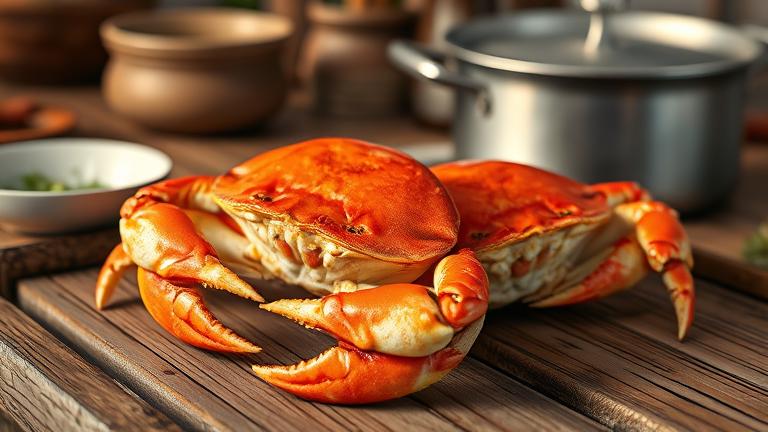
The best way to tell if your crab is fully cooked is by its appearance and texture. The shell turns a bright, vibrant color, specifically red or orange, and the meat inside becomes opaque and firm. Do not overcook, as this can make the meat tough and rubbery.
For whole crabs, use tongs to carefully check if the shell’s color has changed and if the meat pulls away easily from the shell. If you’re cooking crab legs, they are usually done when the meat is hot all the way through and a little tender to the touch. Using a food thermometer can also help; the internal temperature should reach at least 145°F (63°C).
Remember, a little undercooking is better than overcooking. You can always cook a few extra minutes if you’re unsure, but once overdone, crab meat can quickly become dry.
Factors That Affect Cooking Speed
When cooking crabs, several factors can influence how quickly they cook. Understanding these elements helps you achieve perfectly cooked crabs without overdoing or undercooking them. From the size of the crab to the cooking environment, each factor plays a role in the final result.
Crab Size and Type
One of the biggest factors affecting cooking time is the size of the crab. Smaller crabs, such as soft-shell or medium-sized ones, usually cook faster than large, heavy crabs. A small crab might take as little as 5-8 minutes to cook, while a large crab can take 15-20 minutes or more.
The type of crab also makes a difference. For example, king crabs are larger and denser, requiring more time, while blue crabs are smaller and cook more quickly. Always factor in the size and species when timing your cook.
Cooking Method
The way you cook the crab also plays a key role. Boiling, steaming, grilling, or baking each have different speeds. Boiling and steaming are generally quicker because the heat surrounds the crab evenly. Grilling or baking can take longer, depending on the temperature and thickness of the shell.
For example, boiling is often the fastest method for crabs. A large pot of salted boiling water, at a rolling boil, can cook crabs efficiently. When steaming, using a steaming basket over boiling water is effective. Just remember, the goal is to bring the water back to a boil quickly and keep it hot throughout the process.
Altitude and Water Temperature
At higher altitudes, water boils at a lower temperature, which can slow down cooking. For every 1,000 feet above sea level, boiling point drops by about 1 degree Fahrenheit. This means you might need to cook crabs a bit longer to ensure they are done.
Similarly, the starting temperature of your cooking water or liquid can influence cooking speed. Always use hot water to start, and if at higher altitude, extend cooking time slightly to compensate for the lower boiling point.
Additional Factors to Keep in Mind
- Crab freshness: Fresher crabs tend to cook more evenly and quickly. Dead or older crabs may require extra cooking time and can affect texture and flavor.
- Size of the cooking vessel: A wide, deep pot allows heat to circulate better, leading to quicker cooking.
- Salt and seasoning: Adding salt or seasonings to the water can slightly influence boiling point and cooking time, but the effect is minimal.
By considering these factors—crab size, cooking method, altitude, and environment—you can better control the cooking process. This helps in reaching that perfect balance, ensuring your crabs are cooked thoroughly, yet tender and flavorful.
Boiling vs. Steaming: Which Is Faster?
When it comes to cooking crabs, many home cooks wonder whether boiling or steaming will get the job done faster. Both methods are popular, but they have different advantages in terms of speed and efficiency. Knowing which method to choose can save you time and help you get perfectly cooked crabs every time.
Boiling involves submerging the crabs in a large pot of rapidly boiling water. This method heats the crab quickly because water conducts heat efficiently. When the water boils, the heat transfers directly to the crab shells, cooking them evenly. Typically, boiling crabs takes about 10 to 15 minutes for medium-sized crabs. The actual time depends on the size of the crab and how well your water maintains a rolling boil.
Steaming, on the other hand, uses hot steam to cook the crabs. You place the crabs in a steaming basket or rack above boiling water. The steam, which is just water vapor, gently surrounds the crab and cooks it through heat conduction. Steaming is often considered gentler and can take a little longer—around 15 to 20 minutes for medium-sized crabs. Because steam transfers heat more gradually than direct boiling water, it can sometimes be a slightly slower process.
So, which method is faster? Overall, boiling tends to be quicker because it delivers heat directly and rapidly to the crab. If you’re in a hurry and want to save a few minutes, boiling is usually the best choice. However, steaming can produce a more tender crab with a delicate flavor, especially if you are patient.
Practical Tips for Best Results
- Use enough water or steam: Make sure the pot has enough water for boiling or that your steaming setup has enough vapor to cook evenly. Too little water can cause uneven cooking or burning.
- Bring the water to a full boil first: Starting with boiling water helps ensure the crab cooks quickly from the beginning.
- Don’t overcrowd the pot: Cooking too many crabs at once can lower the water temperature or reduce the effectiveness of the steam, leading to longer cooking times.
- Check for doneness: Crabs are done when their shells turn a bright orange or red and the meat inside becomes firm. Cooking times are approximate; always verify visually and by texture.
- Be cautious with timing: Overcooking can make crab meat tough. If unsure, start with the recommended time and check for doneness.
In summary, if speed is your main goal, boiling generally wins. It cooks crabs faster because of direct heat transfer. For a slightly more tender and flavorful crab, steaming is worth the extra few minutes. Both methods are simple, but your choice depends on your preferences, timing, and the texture you seek.
Crab Size and Cooking Duration
When cooking crab, understanding the size and weight of your crab is key to getting it just right. Larger crabs usually need more time to cook thoroughly, while smaller ones cook faster. Knowing how long to cook your specific crab helps you avoid undercooking or overcooking, so it’s worth paying attention to size and weight.
Crabs come in various sizes, from small mud crabs to large king crabs. The general rule is that bigger crabs require longer cooking times to reach the perfect internal temperature. If a crab is very large, it might take a few extra minutes. For smaller crabs, a shorter cooking time is enough to ensure they are cooked through and safe to eat.
How Size Affects Cooking Time
| Crab Size | Weight Range | Estimated Cooking Time |
|---|---|---|
| Small | 1 to 2 pounds | 8–10 minutes |
| Medium | 2 to 3 pounds | 10–15 minutes |
| Large | 3 to 6 pounds | 15–20 minutes |
| Extra Large / King Crab | Over 6 pounds | 20–25 minutes |
These times are estimates for live crabs cooked by boiling or steaming. Always check for doneness before removing the crab from water. The crab should turn a bright orange or red and the shell should be easy to crack open when done.
Practical Tips for Cooking Crabs by Size
- For very large crabs, you might want to extend cooking time by a few minutes. Watch for color changes and shell firmness.
- If you’re unsure of the crab’s weight, use a scale or ask your fishmonger.
- When boiling, make sure there’s enough water to fully submerge the crab. Usually, about 3 gallons of water for a 4 to 5-pound crab works well.
- Don’t crowd the pot. Giving crabs enough space helps them cook evenly.
- After cooking, let the crab rest for a few minutes. This helps juices settle and makes cracking easier.
Common Mistakes to Avoid
- Overcooking can make crab meat tough and rubbery. Rely on color and shell firmness rather than just time.
- Underdoing it may leave the crab unsafe to eat. Always double-check that the shell is fully red and the meat is opaque.
- Using cold water for large crabs can extend cooking time unnecessarily. Start with boiling water to ensure quick heat transfer.
Adjusting cooking time based on size ensures your crab is tender, flavorful, and safe to enjoy. With a little practice, you’ll learn to judge the perfect cooking duration for any crab size and weight.
Safety Tips for Perfectly Cooked Crabs
Cooking crab might seem straightforward, but safety is key to enjoying a delicious and healthy meal. Proper cooking not only enhances flavor but also ensures that harmful bacteria and parasites are destroyed. Following a few simple safety tips can make your crab dish both safe and delectable.
First, always start with fresh or properly thawed crabs. Fresh crabs should smell clean and sea-like, not sour or ammonia-like. If you’re using frozen crabs, make sure they are completely thawed in the refrigerator before cooking. Do not leave crabs sitting out at room temperature for too long, as this can encourage bacterial growth.
Next, maintain the right cooking temperature. Boiling or steaming crabs involves reaching a high heat that kills most bacteria. A good rule is to bring the water to a rolling boil before adding the crabs. Once in, cook the crabs until they turn a bright red color. This color change indicates they are cooked through. Use a timer: smaller crabs typically need about 10-15 minutes, while larger ones might require 20 minutes or more.
It’s important to prevent cross-contamination. Use separate utensils and cutting boards for raw and cooked crabs. Always wash your hands thoroughly with soap and water after handling raw seafood. This step reduces your risk of spreading bacteria to other foods or surfaces.
After cooking, check the internal temperature of the crabs with a food thermometer if you’re unsure. The safe internal temperature for crab meat is about 145°F (63°C). If the meat isn’t hot enough, it might not be fully cooked and could pose health risks.
Once crabs are cooked, serve them promptly or cool them down quickly if you’re not eating right away. To store leftovers, place the cooked crab meat in an airtight container and refrigerate within two hours. Consume within 1-2 days for the best quality and safety. If you notice any off smell, sliminess, or discoloration, discard the seafood immediately. Never taste-test crab that appears suspicious.
Lastly, always clean your cooking area thoroughly after preparing crab. Wash all surfaces, utensils, and your hands with warm, soapy water. This practice helps eliminate bacteria or food residues that could cause illness later on.
- Always buy crabs from reputable sources to ensure freshness.
- Use a reliable timer to avoid undercooking or overcooking.
- Keep raw and cooked seafood separate to prevent cross-contamination.
- Check for the bright red color and an internal temperature of 145°F to confirm doneness.
- Store leftovers quickly and consume within a day or two.
Serving and Enjoying Your Crab
Once your crab is cooked to perfection, it’s time to think about how to serve and enjoy it. Presenting your crab beautifully can make the meal feel extra special, while the right accompaniments and flavor boosts will enhance every bite. Whether you’re serving a casual family dinner or a festive gathering, these tips help you make the most of your delicious crab.
Start by choosing a good platter or large plate that can hold the crab and any side dishes comfortably. If you’re serving multiple crabs, you might want to arrange them in a circle or stack them neatly, with some lemon wedges on the side for a bright, fresh touch. Remember, visual appeal counts, so don’t be afraid to garnish with fresh herbs like parsley or dill for a pop of color.
Serving Suggestions
- Use a Crab Cracker: This handy tool makes cracking open the shell easier and more fun. Place the crab on a newspaper or a large tray for easy cleanup.
- Garnish with Lemons: Fresh lemon wedges are classic. The zest adds a tangy brightness that balances the rich, sweet crab flavor.
- Offer Dipping Sauces: Melted butter is a favorite, but you can also prepare sauces like garlic butter, spicy cocktail sauce, or even a tangy aioli to give your guests options.
Flavor Enhancements and Side Dishes
To truly enjoy your crab, consider pairing it with simple, complementary flavors. A squeeze of lemon over the meat lifts the flavor, while a dash of Old Bay seasoning or a splash of hot sauce can add a bit of heat and spice. Be careful not to overpower the delicate seafood taste with too many strong spices.
Balance your crab with sides such as corn on the cob, crusty bread, or a fresh green salad. These help cut through the richness and add variety to your meal. For an extra touch, serve some lightly seasoned boiled potatoes or rice which absorb those tasty crab juices.
Enjoying Your Crab
The best way to enjoy crab is to relax and take your time. Use your hands—crab is meant to be messy and fun! Don’t forget to have plenty of napkins nearby. If you’re new to cracking and shelling, take your time and enjoy the process. It’s part of the experience.
Pair your crab meal with a cold drink, like a crisp white wine, a light beer, or even a refreshing lemonade. This helps keep the flavors balanced and refreshes your palate between bites.
Tips for a Great Crab Eating Experience
- Have a bowl nearby to discard shells; it keeps your eating area tidy.
- Use small utensils if desired, but most people enjoy pulling shell pieces apart with their hands.
- Share the fun—crab is best when enjoyed with family or friends.
Enjoying crab isn’t just about tasting it but also about making the meal memorable. With a little presentation flair and flavorful extras, your crab feast can be a delightful highlight of any day.
Easy Tricks to Speed Up Cooking
When you’re in a hurry but still want a delicious meal, quick cooking tricks can be a real lifesaver. By using some simple techniques, you can cut down cooking time without sacrificing quality or safety. Whether you’re preparing a weeknight dinner or just want to save time in the kitchen, these tips will help you get the job done faster.
Use Smaller or Thinner Cuts of Meat and Vegetables
One of the easiest ways to cook faster is to cut ingredients into smaller pieces. Thinly sliced vegetables or small, bite-sized meat pieces heat up more quickly. For example, instead of roasting a whole chicken breast, cut it into strips or cubes. That way, they cook evenly and in less time. Small cuts also help ingredients absorb flavors faster, making your dishes tasty in less time.
Pre-Soak and Soften Ingredients
If you have tougher vegetables or grains, soaking or pre-softening can speed up cooking. For instance, soaking beans overnight reduces cooking time significantly. Similarly, if you want to cook rice or pasta faster, choose quick-cook options or rinse grains to remove excess starch, which can help them cook more evenly.
Utilize High Heat and Proper Equipment
Cooking with high heat can cut down the overall time. Use a hot pan or oven and make sure your cookware is suitable. For example, a cast-iron skillet heats evenly and retains high heat, cooking ingredients faster. During boiling or steaming, turning the heat up slightly can speed up the process, but watch carefully to avoid burning or overcooking.
Cover Your Pots and Pans
Covering cookware traps heat and steam, raising the temperature inside and speeding up cooking. When making soups, stews, or boiling vegetables, keep the lid on. This simple trick can reduce cooking time by almost half. Just be cautious not to let liquids boil over or splash out.
Embrace the Power of the Microwave
The microwave is a quick way to soften ingredients or reheat leftovers. Use it to pre-cook vegetables or partially cook items before finishing in the oven or stove. For example, softening frozen vegetables in the microwave before adding them to a stir-fry can save minutes.
Plan Ahead and Use Batch Cooking
Preparing ingredients in advance or cooking larger quantities saves time later. If you know you’ll cook this dish often, pre-chop vegetables or cook grains in bulk. Store portions in the freezer to use later. This way, most of the prep work is done, and cooking becomes faster when you’re ready to eat.
Optimize Your Cooking Workflow
- Gather all ingredients before starting. This prevents delays searching for items.
- Clean as you go to reduce cleanup time afterward.
- Organize your tools for quick access.
Be Mindful of Common Mistakes
- Don’t overcrowd the pan, which lowers temperature and prolongs cooking.
- Avoid stirring too often, especially when searing, as it can slow down browning.
- Check for doneness early—overcooking can waste time and ruin textures.
Using these practical tricks can make your cooking faster and more efficient. Experiment with different techniques to find what works best for your kitchen routine. With a bit of planning and smart choices, you can enjoy quick, delicious meals any day of the week.