
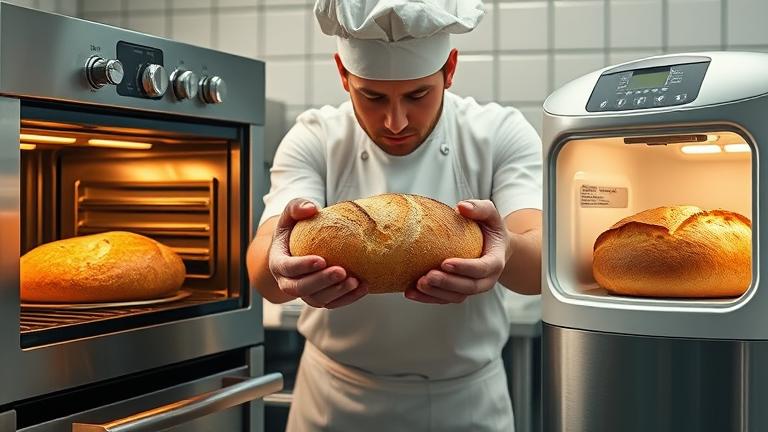
Best Oven Settings for Perfect Bread
Baking bread at home can be so rewarding, but getting the oven right is key to that perfect crust and soft inside. The best oven settings depend on the type of bread you’re making, but some general tips can help you master your oven for excellent results every time.
First, temperature is crucial. Most bread recipes bake well between 375°F and 450°F (190°C to 230°C). For a crusty loaf like French bread or artisan styles, set your oven at the higher end, around 450°F. If you’re working with softer or enriched breads like brioche or challah, a slightly lower temperature around 375°F to 400°F can prevent burning the sugar or butter.
Preheating your oven is essential. Always give it enough time to reach the desired temperature before putting in the dough. A hot oven helps create that initial burst of heat needed for oven spring, where the dough rises quickly in the first few minutes. Use an oven thermometer if you’re unsure about your oven’s accuracy because oven gauges can sometimes be off by 10°F or more.
Rack positioning also influences how your bread bakes. For most traditional breads, placing the rack in the middle of the oven is ideal for even heat distribution. However, if you’re baking bread that benefits from a crispy crust, like baguettes, try placing the rack closer to the top. This exposes the dough to more direct heat, aiding in crust formation. Conversely, for very soft breads or those that need gentle heat to avoid burning the bottom, placing the rack lower can help.
Some ovens have specialized settings like convection or fan-bake modes. Convection ovens circulate hot air around the bread, giving a more even bake and often a thinner crust. If using convection, reduce the temperature by about 25°F (14°C) from the recipe’s suggested temperature to prevent over-baking or burning.
Additionally, many bakers love to use steam at the beginning of baking. This can be achieved by placing a shallow pan of water on the lower rack or spraying water inside the oven at the start. The steam keeps the crust soft during the first minutes, allowing maximum oven spring. After about 10 to 15 minutes, remove or turn off the steam to allow the crust to crisp up.
Lastly, keep in mind that every oven is different. You may need to do a bit of experimentation to find the perfect settings for your specific machine. Keep notes on your trials: oven temperature, rack position, baking time, and results. With experience, you’ll be able to tweak these settings for consistently excellent bread.
Here’s a quick summary of key settings:
- Temperature: 375°F to 450°F depending on bread type
- Preheat oven fully before baking
- Rack position: middle for most, top for crusty loaves, lower for gentle baking
- Use convection mode wisely, reducing temperature by 25°F if needed
- Enhance crust with steam, especially in the first 10-15 minutes
With these tips, your oven will be your best tool in creating bakery-quality bread at home. Happy baking!
Top Baking Modes Explained
If you’re exploring different ways to get perfect bread, understanding baking modes is a great place to start. Many modern ovens come with various settings like convection, conventional, and combination modes. Each of these modes works differently and offers unique benefits for baking bread at home.
Let’s break down what each mode does and how you can use them to improve your bread baking results. Knowing how these modes function can help you choose the right setting for the bread you want to make.
Conventional Baking
Conventional baking uses heat that comes from the top and bottom elements of your oven. Most home ovens are set to this mode by default. It creates even heat that warms the bread from both sides.
This mode is ideal for baking bread that needs gentle, consistent heat, like artisan loaves or baguettes. It helps develop a brown, crispy crust while keeping the inside soft. Remember not to open the oven door too often during baking, as the heat loss can affect the bread’s rise.
Convection Baking
Convection baking adds a fan inside the oven that circulates hot air around your baking bread. This airflow speeds up heat transfer and creates a more even temperature throughout the oven.
The benefit of convection mode is that it can give you a more evenly baked crust with a crisp texture. It also often reduces baking time, which can be handy. However, because of the strong air circulation, some delicate bread doughs might brown too quickly or develop a tough crust if not monitored carefully.
Combination Mode
Combination mode marries the best of both worlds. It uses both radiant heat and fan circulation to bake your bread. This hybrid setting can give an even crust and a well-proofed, fluffy interior.
This mode is especially useful for baking complex bread recipes that require thorough baking and a uniform crust. It can also help in achieving a bakery-quality finish at home. Keep in mind that ovens might have varied settings for combination baking, so try it with a test loaf first to familiarize yourself with how your oven performs.
Practical Tips for Using Different Baking Modes
- Start with conventional baking for most bread recipes unless you want a particularly crispy crust, then try convection.
- Always preheat your oven fully before baking bread to ensure the heat is even when you put in your dough.
- Adjust baking times when switching modes; convection may require 10-15% less time.
- If your oven has a dedicated bread setting, experiment with it by baking a small loaf first to see how it performs.
- Remember that airflow from convection can sometimes cause minor surface cracking, so monitor the bread toward the end of baking.
Understanding these baking modes and how they work can greatly improve your bread baking skills. Don’t be afraid to experiment with each setting to find what produces your perfect loaf. Happy baking!
How to Choose Between Convection and Conventional
When it comes to baking bread, choosing between convection and conventional oven modes can make a big difference in your results. Both methods have their own advantages and are suited for different types of bread and baking goals. Knowing when to use each can help you get perfect loaves every time.
Conventional baking is simply using the oven’s heat without any fans. It produces a warm, even heat that works well for many bread types. Convection baking, on the other hand, uses a fan and a exhaust system to circulate hot air around the bread. This speeds up the baking process and often results in a crisper crust.
Pros and Cons of Conventional Baking
- Pros: It provides gentle, even heat that is ideal for rising bread dough and creating soft, airy crumbs. It is straightforward and familiar for most home bakers. It’s less likely to cause uneven baking or dry out the bread if used properly.
- Cons: It can take longer to cook, and some bread may develop a softer crust. It might not produce as crisp a crust as convection. Also, hot spots can develop if the oven isn’t evenly heated.
Pros and Cons of Convection Baking
- Pros: The circulating air speeds up baking, which can save time. It often results in a crispier crust, great for artisan breads like baguettes or sourdough. It helps achieve a more uniform browning and coloring across the loaf.
- Cons: It can cause bread to dry out if overused or baked too long. The blowing air can also make delicate doughs, like soft bread or brioche, collapse or become uneven if not monitored carefully. Not all recipes are suitable for convection, especially those needing a gentle rise.
How to Decide Which Mode to Use
- Type of bread: For soft, airy breads like sandwich loaves, conventional baking is usually better. For crusty, rustic breads such as French bread or sourdough, convection can enhance the crust and color.
- Desired crust: If you want a crispy, chewy crust, convection is a great choice. For softer crusts or tender bread, stick with conventional baking.
- Time considerations: If you’re in a rush, convection can cut baking time by about 25 percent. Just keep an eye on the bread so it doesn’t over brown or dry out.
- Recipe specifications: Always check if the recipe recommends convection or conventional baking. Many bread recipes are tested for one method or the other.
Practical Tips
- Use a baking stone or preheated baking sheet to get a better crust, especially when using convection.
- Reduce the oven temperature by about 20 degrees Fahrenheit when switching to convection to prevent burning.
- Start checking your bread a few minutes earlier when using convection mode to avoid overbaking.
- For delicate bread types, consider baking with just the top or bottom heat instead of convection, if your oven allows.
Choosing the right baking mode depends largely on your bread type and your crust preferences. With a little practice, you’ll know exactly which method best suits your baking style and yields the best bread every time.
Ideal Temperature and Time Tips
When baking bread, getting the right temperature and timing is key to achieving a perfect loaf. Knowing the ideal baking temperature and how long to bake helps you avoid undercooked bread or burnt crusts. Plus, understanding how to adjust for bread size and oven type can make a big difference in your baking success.
Most bread recipes call for an oven temperature of around 375°F to 450°F (190°C to 230°C). For softer white breads, a temperature closer to 375°F works well. For hearty crusty loaves like sourdough or artisan bread, 450°F is often better. The higher heat creates that lovely crust while ensuring the inside is fully cooked.
Typically, baking times range from 25 to 45 minutes. Smaller loaves or rolls may only need 15 to 20 minutes, while larger or denser bread can require up to 50 minutes. Always keep an eye on your bread during the final minutes of baking. You might need to adjust based on your oven’s quirks or the specific recipe.
How to Adjust Baking Time Based on Bread Size
- Smaller loaves or rolls: Reduce baking time by about 5-10 minutes. Check for a golden crust and hollow sound when tapped.
- Larger loaves: Extend baking time as needed. You may need to bake up to 50 minutes or more. Use a thermometer to check if the internal temperature reaches 190°F to 210°F (88°C to 99°C).
- Uniform shape helps ensure even baking. Use a bread pan of appropriate size to match your dough amount.
Adjustments for Different Oven Types
Ovens can vary widely. Convection ovens, which circulate hot air, usually bake bread faster and more evenly. If you have a convection oven, lower the temperature by about 25°F (15°C). Keep a close eye on bake time, as bread may cook quicker.
Traditional ovens may have hot spots. To avoid uneven baking, rotate your bread halfway through the baking time. Using an oven thermometer can help you confirm the actual temperature, since oven gauges might not be accurate.
Additional Tips for Perfect Baking Results
- Always preheat your oven before placing the bread inside. A hot oven ensures a good rise and crust.
- If your bread browns too quickly but isn’t cooked inside, lower the temperature slightly and extend the baking time.
- Use a baking stone or Dutch oven for crusty, bakery-style bread. These tools help distribute heat evenly.
- Check for doneness by tapping the bottom of the loaf. It should sound hollow. Alternatively, use a food thermometer to measure the internal temperature.
By paying attention to temperature and timing, and knowing how to adjust for your specific loaf and oven, you’ll improve your baking results every time. Remember, every oven is unique, so don’t be afraid to experiment a little to find what works best for you.
Common Mistakes and How to Avoid Them
Baking bread can feel tricky, especially when it comes to oven settings and baking modes. Many home bakers run into similar issues that can affect the final result. Luckily, understanding these common mistakes and knowing how to prevent them can help you bake better bread every time.
One of the most frequent errors is using the wrong oven temperature. If your oven is too hot or too cool, your bread might burn on the outside while remaining undercooked inside, or it could end up dense and flat. To avoid this, always preheat your oven fully before baking. Use an oven thermometer to double-check the temperature because many ovens don’t display the exact setting accurately. Setting the oven a few degrees higher or lower than the recipe suggests can make a big difference.
Another mistake is selecting the incorrect baking mode. Most home ovens have options like convection, static, or baking modes. Convection mode uses a fan to circulate hot air, which can cause the crust to form too quickly. This can result in a thick crust that prevents the bread from rising properly or a dry texture. Unless the recipe specifies, it’s usually best to bake bread in static mode or turn off the convection setting to give your dough time to rise and develop a good crust.
Many beginners also underestimate the importance of oven setup. Placing your bread on the wrong rack can affect heat circulation. For a good oven spring (the rapid rise during the first few minutes of baking), position your bread in the middle of the oven. Using a preheated baking stone or Dutch oven can help create an ideal baking environment, mimicking professional bread ovens. These tools help maintain consistent heat and humidity, crucial for crust development.
Temperature control during baking is another common pitfall. Some bakers open the oven door too often to check on their bread. Every time you open the door, heat escapes, which can cause the bread to collapse or not rise as well. Instead, rely on visual cues like a deep golden crust or an internal temperature with a kitchen thermometer, which should be around 190 to 210 degrees Fahrenheit depending on the bread type, to know when it’s done.
Properly managing oven modes also involves awareness of how your oven heats. For example, if baking multiple loaves, inconsistent heat distribution can cause uneven baking. Rotating your bread halfway through the baking time can help ensure even browning.
In summary, prevent common bread baking mistakes by always preheating your oven, using an oven thermometer for accurate temperature, choosing the right baking mode, and positioning your bread correctly. Avoid opening the oven door too often and consider using tools like baking stones or Dutch ovens for better results. Paying attention to these details makes a noticeable difference in your homemade bread, helping you enjoy bakery-quality loaves from your own kitchen.
Enhancing Bread with Proper Baking Techniques
Baking bread is both an art and a science. The right techniques can transform simple dough into a loaf with a crust that’s crispy and a crumb that’s soft and flavorful. Using proper baking modes and following key process steps are essential for achieving the best results. Whether you’re a beginner or looking to refine your skills, these tips will help you enhance your homemade bread every time.
Choosing the Right Baking Mode
Most home ovens offer different baking modes, such as conventional baking, convection, or steam baking. Selecting the appropriate mode depends on the type of bread you’re making. For a classic crusty loaf, convection baking is often preferred because it circulates hot air evenly around the bread. This results in a crisp crust and a nicely risen interior.
If your oven has a bread or pizza setting that incorporates steam, use this mode to create moisture during initial baking. Steam helps develop a glossy, crispy crust while keeping the interior moist and tender. When baking bread without a steam option, place a tray of water on the lower rack or spray the oven walls with water before baking to mimic steam.
Temperature and Timing
Preheating your oven thoroughly is critical. A hot oven, usually between 375°F and 475°F (190°C to 245°C), helps the bread rise quickly in the oven and develop a good crust. Start by preheating at the desired temperature at least 30 minutes before baking.
Use an oven thermometer for accuracy because many home ovens heat unevenly. Once the bread is in the oven, avoid opening the door too often. Opening the oven early can cause the loaf to deflate and result in a dense texture.
Proper baking time varies depending on the size and shape of your loaf. Typically, a standard loaf takes about 25 to 35 minutes. The bread is done when it has a deep golden crust and sounds hollow when tapped on the bottom.
Enhancing Texture and Flavor
- Apply an egg wash or milk wash before baking to give your bread a shiny, attractive crust. A simple mixture of one egg and a tablespoon of water works well.
- For flavor, consider adding ingredients like olive oil, herbs, or seeds into your dough. Toasting seeds beforehand adds a richer taste.
- Allow the bread to cool completely on a wire rack before slicing. This helps set the crumb and prevents it from becoming gummy.
Another tip is to score the bread with a sharp knife or razor blade before baking. Scoring controls how the bread expands and creates decorative patterns. It also prevents unintended cracks, ensuring a professional look and even expansion.
Common Mistakes to Avoid
- Not preheating the oven long enough—this can lead to poor oven spring and a dense loaf.
- Opening the oven door too frequently—this causes temperature fluctuations that can deflate the dough.
- Over or under baking—keep an eye on the color and use a thermometer if necessary. Overbaked bread can become dry, while underbaked may be soggy inside.
By paying close attention to baking modes and process steps, you unlock the full potential of your home-baked bread. Experiment with different settings and techniques to discover what works best for your oven and taste preferences. With practice, you’ll consistently produce bread with perfect texture and flavor that rivals bakery-quality loaves.
FAQs About Bread Baking Modes
What are the different baking modes on my oven?
Most home ovens come with several baking modes to help you make delicious bread. The most common ones include Conventional Bake, Convection Bake, and sometimes specific settings like Bread or Dough modes. Each mode uses different methods to heat the oven and affect how your bread turns out.
How does Conventional Bake differ from Convection Bake?
In Conventional Bake, the heat comes from either the top, bottom, or both, but there’s no fan blowing air around. This method is great for traditional loaves, giving a nice crust and even rise.
Convection Bake uses a fan to circulate hot air around the oven. This helps the bread cook more evenly and often more quickly. However, it can sometimes cause the crust to brown faster, so you might need to lower the temperature slightly or shorten the baking time.
Which mode should I use for making bread at home?
If your oven has a bread or dough setting, that is usually ideal for bread baking because it is designed for gentle, even heat. If not, bake your bread using Convection Bake at a slightly lower temperature, or stick with Conventional Bake for a more traditional crust.
Remember that every oven is different, so it might take some experimenting to find what produces the best results for you.
Can I use convection mode for all types of bread?
Convection mode works well for most bread types, especially those with a sturdy crust like sourdough or French bread. However, for very delicate bread, like some enriched types with lots of butter or eggs, Conventional Bake might give better control over the rise and crust.
Always monitor your baking the first few times to see how your bread responds in each mode.
What temperature adjustments should I make when switching modes?
If you’re switching from Conventional to Convection, reduce the oven temperature by about 25°F (15°C) to prevent over-browning. When using a specific bread baking mode, follow the recipe instructions or the oven manual if it suggests particular settings.
Adjusting time may also be necessary; keep an eye on your bread as it bakes to avoid burning or undercooking.
Why does my bread sometimes turn out different when I change modes?
Different baking modes influence heat distribution, air circulation, and moisture inside the oven. As a result, the bread can rise differently, develop a different crust, or bake unevenly.
For best results, stick to one mode once you find what works for your recipe, or make small adjustments and note the changes each time.
Are there safety tips for using these modes?
- Always preheat the oven fully before baking bread to ensure even heat distribution.
- Use oven mitts when handling trays and baking stones.
- Follow manufacturer instructions for your specific oven model to avoid overheating or damage.
- Keep an eye on your bread during the last minutes of baking to prevent burning, especially when using Convection or special bread modes.
Understanding your oven’s baking modes can greatly improve your homemade bread. With a little practice, you’ll discover which settings produce the best crust, rise, and crumb for your favorite recipes.