
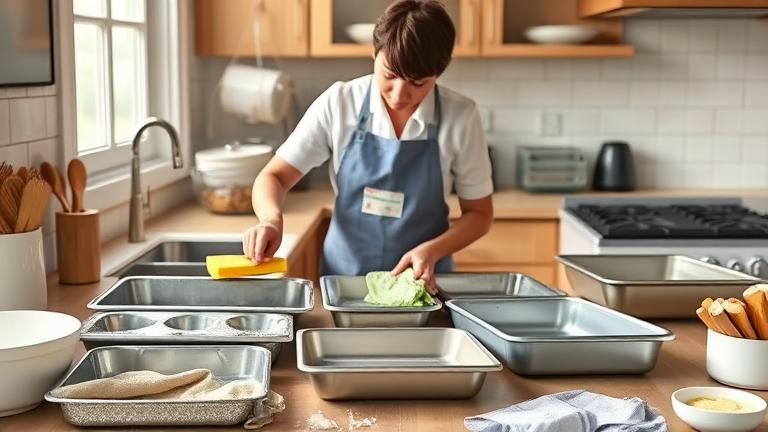
Easy Ways to Clean Baking Pans
Cleaning baking pans doesn’t have to be a chore. Whether you’re new to baking or have been at it for years, keeping your pans in good shape is simple with the right techniques. The goal is to remove the baked-on residue and stains without damaging the surface. Here are some easy methods to keep your baking pans looking and performing their best.
Basic Cleaning After Baking
For regular cleaning, start by letting the pan cool down completely after use. Once cooled, fill the pan with warm water and a few drops of dish soap. Let it soak for 15 to 30 minutes. Soaking helps loosen stuck-on food and grease, making cleaning easier.
After soaking, use a soft sponge or cloth to gently scrub the surface. For stubborn spots, sprinkle baking soda on the wet surface and scrub gently. Baking soda is a gentle abrasive that lifts grime without scratching the pan. Rinse thoroughly with warm water and dry with a clean towel.
Removing Baked-On Stains and Grease
If your pan has tougher stains or baked-on grease, don’t worry. You can try these effective tricks:
- Baking Soda and Vinegar: Sprinkle baking soda on the stain. Pour white vinegar over it. The mixture will fizz, helping to lift stubborn grime. After waiting for about 10 minutes, scrub gently with a sponge. Rinse well and dry.
- Lemon and Salt: Cut a lemon in half, sprinkle salt on the cut side, and scrub the pan. The acidity of lemon combined with abrasive salt removes stains naturally. Rinse with warm water afterwards.
- Commercial Cleaners: Use ones made for non-stick or metal pans, following the manufacturer’s instructions. Just be cautious about using harsh chemicals on delicate surfaces.
Deep Cleaning Tips
For really stuck-on messes, you might want to do a deep clean:
- Mix baking soda with a small amount of water to create a thick paste.
- Spread the paste over the entire surface of the pan, especially on tough spots.
- Cover the pan with plastic wrap and let it sit overnight. This gives the paste time to break down the grime.
- In the morning, scrub gently with a sponge or brush, rinse, and dry.
Tips for Maintaining Your Baking Pans
- Always try to clean pans soon after baking to prevent stains from setting.
- Avoid using steel wool or harsh scrubbing pads on non-stick or coated pans, as they can scratch the surface.
- Dry your pans thoroughly to prevent rust, especially with metal pans.
- For non-stick pans, use non-abrasive cleaners and soft sponges to extend their lifespan.
With these simple methods, your baking pans will stay clean, shiny, and ready for your next baking session. Regular maintenance will also help prevent tough stains and keep your cookware in top condition for years to come.
Common Problems When Cleaning Pans
Cleaning pans can sometimes be more challenging than cooking with them. You might encounter stubborn stains, burnt residues, or even damage to your cookware if you’re not careful. Understanding these common problems and knowing how to fix them can save you time and keep your pans looking and working their best.
One of the most frequent issues is burnt-on food and grease. When food gets stuck and charred at the bottom of the pan, it can seem impossible to remove. This often happens if heat was too high or if you didn’t clean the pan soon enough after cooking. Leftover burnt residues not only look unpleasant but can also affect the taste of future dishes.
Another common problem is stubborn stains from minerals in water or spills of sauces and juices. Over time, these stains can turn into hard, discolored patches that resist regular washing. For example, stainless steel pans may develop rainbow-like marks, while non-stick pans might show discoloration or streaks.
Burnt residues are especially problematic on non-stick and stainless steel surfaces. When food burns onto the surface, it can scratch or damage the coating, making the pan less effective or even unsafe to use. Using the wrong cleaning tools or harsh chemicals can worsen this damage.
Some cooks also face issues with scratches and surface damage. Abrasive scrubbers like steel wool or metal brushes may seem tempting for tough spots, but they can scratch delicate coatings. This not only ruins the appearance but can also make the pan more prone to sticking and further damage.
Other problems include water spots and dullness from improper drying or storage. Leaving pans wet or stacking them haphazardly can lead to scratches or corrosion over time. Additionally, neglecting regular seasoning or maintenance for cast iron or carbon steel pans can cause rust or uneven cooking surfaces.
To help you tackle these problems, here are some practical solutions:
- For burnt-on food, fill the pan with hot water and a bit of dish soap. Let it soak for a while before scrubbing gently with a non-abrasive sponge.
- For stubborn stains, try baking soda paste—mix baking soda with a small amount of water and scrub gently. This natural abrasive can lift stains without damaging the surface.
- To prevent scratches, always use soft sponges or cloths instead of steel wool, especially on non-stick surfaces.
- Regularly dry your pans thoroughly after cleaning to avoid water spots, and consider applying a small amount of oil to cast iron or carbon steel to maintain their seasoning.
Some mistakes to avoid include using bleach or harsh chemicals on your cookware, which can cause discoloration and damage. Also, never plunge a hot pan into cold water—they can warp or crack due to rapid temperature change.
By understanding these common problems and applying simple solutions, you’ll keep your pans clean, durable, and ready for your next culinary adventure.
Best Products for Baking Pan Cleaning
Keeping your baking pans clean is essential for great baking results and to make sure your pans last longer. Different types of pans, like non-stick, stainless steel, or cast iron, need specific cleaning products to avoid damage while ensuring they’re thoroughly cleaned. Here, we’ll explore some of the best products and supplies to help you keep your baking pans in top shape.
First, it’s important to use the right cleaning products for the type of pan you have. Using harsh scrubbers or strong chemicals on non-stick surfaces can ruin them, while cast iron needs special care to avoid rust. Let’s look at some top options for each type.
Recommended Cleaning Supplies for Different Pans
- Non-stick pans: A gentle dish soap combined with a soft sponge works well. For stubborn stains, a baking soda paste (baking soda mixed with water) provides mild abrasive power without damaging the coating. Learn how to make a baking soda paste here.
- Stainless steel pans: Use a good stainless steel cleaner or a mix of baking soda and water to create a paste. A non-scratch scrubber prevents scratching the surface. For tough burnt-on spots, soak the pan first, then scrub gently.
- Cast iron pans: Avoid soap here; instead, scrub with coarse salt and a stiff brush or sponge. Rinse with hot water and dry immediately to prevent rust. Regular seasoning helps keep the pan non-stick and protected.
Top Cleaning Products
| Product | Best For | Features |
|---|---|---|
| Bar Keepers Friend | Stainless steel, ceramic, and glass pans | Effective on tough stains, non-abrasive, safe for most surfaces |
| Magic Eraser | Non-stick and metal pans with baked-on grime | Gentle scrubbing, removes residue without scratching |
| Coarse Sea Salt | Cast iron and stubborn stains | Natural abrasive, great for scrubbing without chemicals |
| Soft Scrub with Bleach | Heavy-duty cleaning for stainless steel | Clean and disinfect, but avoid on non-stick surfaces |
| Cast Iron Conditioner Wax | Cast iron pans | Helps maintain seasoning, protects against rust |
Safety Tips and Best Practices
- Always check manufacturer instructions before using new cleaning products.
- Use non-abrasive scrubbers to avoid scratching delicate coatings.
- For cast iron, never soak in water for long periods to prevent rusting.
- Dry your pans thoroughly after cleaning, especially cast iron, to avoid rust.
- For stubborn stains, soak pans in warm soapy water before scrubbing.
Choosing the right cleaning products and supplies can make what seems like a chore much easier. Taking care of your baking pans properly not only keeps them looking new longer but also ensures your baked goods turn out great every time. Whether you prefer natural remedies or commercial cleaners, the key is to match the product to your pan’s material and follow the proper steps for safe, effective cleaning.
Natural Methods to Clean Baking Pans
Keeping your baking pans clean is essential for delicious results and extending their lifespan. Instead of using harsh chemicals, you can rely on natural ingredients that are eco-friendly and safe for your family. These methods are simple, effective, and gentle on your cookware.
One of the most common natural cleaning agents is baking soda. It’s great for removing stains, grease, and burnt-on residue. Plus, it’s inexpensive and readily available in most kitchens. White vinegar is another versatile natural cleaner that can dissolve tough grime and deodorize your pans.
Here are some practical methods to clean your baking pans with natural ingredients:
Baking Soda and Water Paste
- Mix baking soda with a small amount of water to form a thick paste. Usually, about three parts baking soda to one part water works well.
- Spread the paste over the surface of the pan, especially on stubborn stains or burnt areas.
- Let it sit for 15 to 30 minutes. For heavily burnt pans, you can leave it longer or even overnight.
- Use a soft scrub brush or sponge to gently scrub away the grime. Baking soda acts as a mild abrasive, cleaning without scratching.
- Rinse thoroughly with warm water and dry with a clean cloth.
Vinegar and Baking Soda Combo
- Spray or pour white vinegar over the dirty areas of your pan. The vinegar helps break down grease and lifts stains.
- Sprinkle baking soda over the vinegar. Expect some bubbling—that’s normal and indicates a reaction helping to loosen grime.
- Allow the mixture to bubble for 10-15 minutes. For tougher stains, let it sit longer.
- Use a soft sponge or cloth to scrub the surface gently. The combined action of vinegar and baking soda cleans effectively.
- Wash the pan with warm water and dry thoroughly.
Lemon Juice for Brightening and Deodorizing
Lemon is not only fresh-tasting but also acts as a natural bleaching and deodorizing agent. For light staining or greasy pans, cut a lemon in half and rub it directly onto the surface.
You can also mix lemon juice with baking soda to make a cleaning paste. Apply it on your pan, let it sit for a few minutes, then scrub and rinse. This method leaves your pans shining and smelling fresh.
Additional Tips for Natural Cleaning
- If your pan has stubborn burnt-on residue, try filling it with hot water, adding a cup of vinegar or lemon juice, and letting it soak for a few hours before scrubbing.
- Always use soft cloths or sponges to avoid scratching your pans, especially non-stick varieties.
- Regular cleaning after each use prevents buildup, making natural methods more effective and easier.
Using these natural cleaning techniques not only keeps your baking pans spotless but also promotes a healthier kitchen environment. Give them a try, and enjoy your eco-friendly approach to cookware maintenance!
Tips to Prevent Pan Stains
Cooking and baking can sometimes leave your pans looking stained or stained. These marks are usually caused by food residue, oils, and heat over time. To keep your baking pans looking clean and new, it’s helpful to follow some simple care and maintenance tips.
Taking a few extra steps after each use can prevent stubborn stains and build-up. Plus, it extends the life of your cookware, saving you money and effort in the long run. Here are some friendly, practical tips to keep your pans pristine.
1. Clean Pans Promptly After Use
The first step in preventing stains is to clean your pans soon after cooking or baking. Leaving food or grease to sit can cause baked-on residue that’s much harder to remove later. Use warm, soapy water and a soft sponge or cloth for gentle cleaning.
If you notice any stubborn spots, soak the pan in hot water for a few minutes. This helps loosen baked-on food and prevents it from hardening. Avoid using abrasive scrubbers on non-stick or delicate surfaces, as these can scratch the coating or finish.
2. Avoid Using Harsh Cleaning Tools
Skimping on cleaning tools might seem tempting, but it can actually cause more harm than good. Steel wool pads or metal scouring pads may scratch the surface of your pans, making them more prone to stains and damage. Instead, opt for soft sponges, microfiber cloths, or non-abrasive scrub brushes.
If stains persist, try natural options like a baking soda paste or vinegar. These are gentle, effective, and won’t damage your cookware.
3. Use Proper Cooking Techniques
Prevent stains by using the right cooking methods. For example, always grease your baking pans lightly before pouring in batter or dough. This thin layer of oil acts as a barrier, reducing the chances of food sticking and burning onto the surface.
Preheating your oven before baking can also help distribute heat evenly and prevent hot spots that might cause stains or scorching. Additionally, avoid cooking at excessively high temperatures unless specified in the recipe, as this can lead to discoloration or burnt stains.
4. Apply a Thin Layer of Oil Before Baking
Coating your pans with a little oil before baking or roasting adds an extra layer of protection against stains. Use a paper towel or pastry brush to spread a light coat of oil evenly over the surface. This is especially helpful for non-stick pans or dark-colored baking sheets.
Be mindful to not use too much oil, which can leave greasy residues that are harder to clean. A thin, even layer is enough to prevent food from sticking and reduce staining.
5. Store Pans Properly
Proper storage prevents accidental scratches and stains. Stack pans carefully, placing a soft cloth or paper towel between them to avoid scratching the surface. Keep pans in a cool, dry place away from moisture, which can cause rust or staining, especially on uncoated metal cookware.
Sometimes, revealing dust or debris can lead to staining over time. Regularly inspect your pans and wipe them clean before storing to keep them in top shape.
6. Use Baking Pans Correctly
Following manufacturer instructions on using and caring for your baking pans can prevent accidental damage or staining. Avoid cutting or slicing directly on the pans and always use oven mitts to handle hot cookware. When in doubt, check if your pans are dishwasher safe, as some materials may require hand washing to prevent staining.
Summary of Tips
- Clean pans immediately after use.
- Avoid abrasive tools, opt for soft brushes or sponges.
- Use proper cooking techniques, such as greasing and preheating.
- Lightly oil pans before baking to create a protective barrier.
- Store pans carefully with soft padding between layers.
- Follow manufacturer guidelines for best results.
By applying these simple tips, you can enjoy sparkling, stain-free pans that last longer. Consistent care not only keeps your cookware looking good but also ensures better cooking results every time.
DIY Hacks for Baking Pan Care
Keeping your baking pans in great condition ensures your baked goods turn out perfectly every time. Whether you’re working with non-stick, metal, or glass pans, a few simple do-it-yourself hacks can extend their lifespan and keep them looking like new.
Start with healthy cleaning habits to prevent buildup and rust. Regular maintenance not only prolongs the life of your baking pans but also ensures your baked goods release easily and cook evenly.
1. Clean After Every Use
After each baking session, let your pans cool completely before cleaning. Use warm water and a mild dish soap to wash away crumbs and grease. For stubborn spots, sprinkle baking soda on the surface and scrub gently with a soft sponge. Avoid steel wool or abrasive cleaners, which can scratch or damage the surface.
2. Tackle Burnt-On Residue
For tough, burnt-on bits, create a paste of baking soda and water. Spread it over the affected areas and let it sit for 15-20 minutes. Then, scrub gently with a sponge or brush. This natural approach lifts residues without harming the pan. For especially stubborn spots, boiling a mixture of water and baking soda inside the pan can loosen grime.
3. Prevent Sticking and Warping
To keep non-stick surfaces in top shape, never use metal utensils that can scratch the coating. Opt for silicone, wood, or plastic tools instead. When storing, avoid stacking pans directly on top of each other without protection, as this can cause warping or scratches.
4. Use DIY Non-Stick Coatings
If your non-stick coating begins to wear, you can create a temporary replacement using a thin layer of vegetable oil. Lightly rub the surface with oil and bake the pan at 350°F (175°C) for 30 minutes. This method helps maintain a non-stick surface temporarily and can prevent food from sticking.
5. Preserve the Finish with Homemade Remedies
- Mix equal parts of baking soda and water to form a gentle paste for cleaning metal pans.
- For aluminum or copper pans, apply a mixture of lemon juice and baking soda to remove tarnish. Rub gently and rinse thoroughly.
- Use a soft cloth or sponge for polishing, avoiding harsh abrasives that can scratch the surface.
6. Store Properly to Avoid Damage
Store your baking pans in a dry place. To prevent scratches, place a soft towel or paper towel between pans when stacking. Consider hanging pans on hooks if space allows, which helps prevent dents and warping.
7. Refresh Old Pans with a DIY Reconditioning Process
If your pans look dull or greasy despite cleaning, sprinkle baking soda over the surface and add a splash of vinegar. Let the mixture fizz and sit for a few minutes before scrubbing gently. Rinse well and dry thoroughly. This can help restore some shine and remove odors.
Useful Tips to Keep in Mind
- Always dry pans thoroughly after washing to prevent rust, especially with metal options.
- Avoid dishwasher cleaning for delicate or seasoned pans unless specified by the manufacturer.
- Regularly check for signs of damage, such as warping or peeling non-stick coatings, and replace if necessary.
With these creative DIY hacks, caring for your baking pans becomes simple and cost-effective. Regular maintenance and quick fixes can keep your pans in excellent shape, making your baking more enjoyable every time!
Quick Cleaning Tips for Busy Cooks
If you’re often in a hurry but still want to keep your pans sparkling clean, these quick cleaning tips are perfect for your busy schedule. No one likes spending hours scrubbing after a hectic day of cooking. Luckily, with a few simple practices, you can make cleanup faster and easier.
The key is to develop a routine that minimizes mess and makes cleaning up less of a chore. The right cleaning methods can save you time and energy, so you can get back to what really matters—enjoying your home-cooked meals.
1. Clean Pans Immediately After Use
The most effective way to save time on cleaning is to tackle messes right after cooking. Once you’ve finished preparing your dish, rinse your pan with hot water. This prevents food from drying and sticking, which makes scrubbing much easier later on.
If the pan has heavy or stubborn residue, soak it with hot, soapy water for a few minutes. For non-stick pans, avoid abrasive scrubbers that can damage the coating. Instead, use a soft sponge or cloth for quick cleanup.
2. Use the Right Cleaning Tools
Equip your kitchen with easy-to-use cleaning tools such as microfiber cloths, non-abrasive sponges, and gentle scrub brushes. These help you clean effectively without adding effort or risking damage to your cookware.
For greasy or stuck-on grime, a mixture of baking soda and water creates a gentle abrasive that lifts stubborn dirt without scratching your pans. Keep a spray bottle of vinegar and water nearby for quick degreasing.
3. Apply Simple Cleaning Methods
For most pans, a quick wash with warm, soapy water and a soft sponge is sufficient. For stubborn stains or burnt-on bits, sprinkle baking soda over the surface and add a little water to form a paste. Let it sit for a few minutes before gently scrubbing.
For stainless steel pans, a quick boil with a mixture of water and vinegar can loosen residues. After boiling, rinse thoroughly. Use a microfiber cloth to polish and restore shine.
4. Keep Cleaning Supplies Handy
- Store your cleaning supplies near the sink for easy access.
- Have a dedicated scrub brush, sponge, or cloth for cookware to prevent cross-contamination.
- Use eco-friendly or multi-purpose cleaners to save space and time.
Limiting the amount of cleaning products you need makes tidying up more efficient and less stressful.
5. Incorporate Preventative Tips
- Use parchment paper or silicone liners in baking pans for easy cleanup.
- Avoid overfilling pots to reduce splatters and mess.
- Wipe down stove knobs and surfaces regularly to prevent buildup.
These small habits can significantly cut down your cleaning time in the long run.
6. Regular Deep Cleaning
Set aside a few minutes weekly for a deeper clean of your most-used pans. Soaking, scrubbing, and polishing regularly prevents grime from sticking and saves you time during hectic days.
Remember, consistency is key. Clean as you go whenever possible, and you’ll maintain a clean kitchen with minimal effort.