
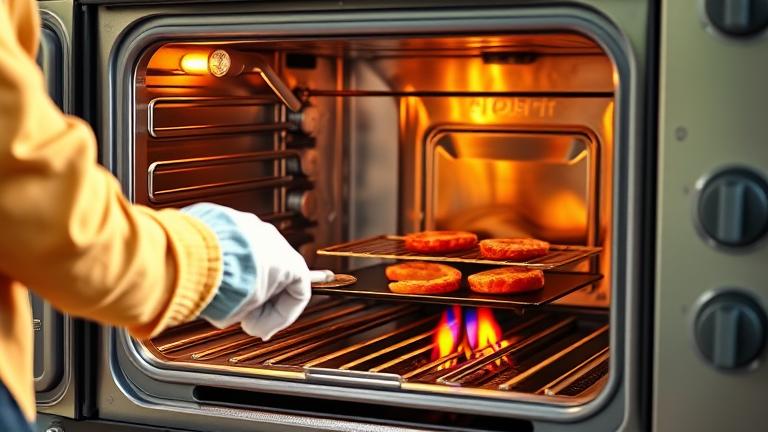
Best Practices for Using an Oven Gas Grill
Using an oven gas grill can be a great way to add flavor and variety to your cooking. It offers a convenient way to grill indoors, especially when outdoor grilling isn’t possible. To get the most out of your oven gas grill, it’s important to follow some simple guidelines. These tips will help you grill safely, efficiently, and with delicious results every time.
1. Read the Recipe and Understand Your Grill
Before you start, review the recipe thoroughly and familiarize yourself with your oven gas grill. Not all grills are the same, so understanding your model’s features is key. Check the user manual for safety tips and specific instructions related to your oven gas grill.
Knowing your grill’s temperature controls and flame settings helps you manage heat better. Some models have adjustable flames or multiple heat zones. Experiment with your grill on a small batch first to learn how it responds to different settings.
2. Prepare Your Ingredients Properly
Patience is important when grilling indoors. Marinate meats or vegetables in advance to enhance flavor and tenderness. Make sure ingredients are patted dry before grilling—excess moisture can interfere with searing and lead to steaming instead of grilling.
Cut larger pieces into manageable sizes for even cooking. Use skewers or grill baskets for small or delicate items that might fall through the grates. Keep ingredients at room temperature to promote even cooking and prevent cold spots.
3. Preheat the Grill and Maintain Proper Temperature
Preheat your oven gas grill for at least 10-15 minutes before adding your food. This helps achieve a good sear and reduces sticking. Use a meat thermometer or built-in temperature gauge to monitor heat levels. Common temperatures for grilling range from 375°F to 450°F.
Adjust the flame or heat zones to control cooking speed and prevent burning. For example, start with a high heat for searing, then lower the temperature to finish cooking without charring.
4. Use the Right Tools and Techniques
Tools like tongs, spatulas, and basting brushes make grilling easier and safer. Tongs allow you to flip and handle food without piercing it, keeping juices inside. Basting brushes help apply marinades or sauces during the cook.
Don’t forget to oil the grill grates lightly before cooking to prevent sticking. Use a paper towel dipped in oil and tongs to grease the grates carefully. Turn or flip food only once or twice to avoid tearing or overcooking.
5. Practice Safety Precautions
Always keep a fire extinguisher nearby, and make sure your kitchen is well-ventilated. Despite being indoors, gas grills produce fumes that can be harmful in enclosed spaces.
Check for gas leaks regularly by smelling for leaks or applying soapy water to connections. Never leave the grill unattended while in use, and turn off the gas supply immediately after grilling.
- Keep kids and pets away from the grill area.
- Ensure the grill is stable and on a flat surface.
6. Clean and Maintain Your Grill
Proper cleaning extends the life of your grill and ensures better tasting food. After each use, turn off the gas, let the grill cool slightly, then scrub the grates with a grill brush. Remove any food residue or grease buildup.
Regularly check fuel lines and connections for cracks or leaks. If your model has removable parts, wash them with warm soap and water. Keeping your oven gas grill clean is simple but essential for safety and performance.
By following these best practices, you’ll enjoy consistent, delicious results from your oven gas grill. With a little preparation and care, indoor grilling can become a fun and rewarding part of your cooking routine.
Safety Tips for Oven Grilling
Oven grilling can be a convenient way to prepare delicious meals without needing an outdoor grill. But it’s important to follow safety precautions to prevent accidents and protect your home. Knowing how to handle your oven grill properly will help you enjoy cooking safely and confidently.
First, always read the manufacturer’s instructions for your oven grill. Different models may have specific safety warnings or maintenance requirements. Following these guidelines helps ensure safe operation and prolongs the life of your equipment.
Handling Equipment Safely
- Use heat-resistant gloves when handling hot grill parts or trays. This prevents burns and makes it easier to move things safely.
- Always use tools with long handles, such as tongs or spatulas, to keep your hands away from high heat.
- If your oven grill has a drip tray or collection pan, empty it regularly. Built-up grease can cause flare-ups or fires if left unattended.
- Keep a fire extinguisher nearby, specifically one rated for kitchen fires. Know how to use it in case of emergency.
Preventing Accidents and Damage
- Make sure your oven is in good working condition before grilling. Check for loose wires, leaks, or damage to the gas supply connection.
- Never leave the oven grill unattended while in use. Supervise the cooking process to catch any flare-ups early.
- Ensure proper ventilation in your kitchen. Gas grills can produce fumes, so keep windows open or turn on the exhaust fan.
- Keep flammable objects away from the oven grill area, including paper towels, oven mitts, and fabric towels.
- If you smell gas or suspect a leak, turn off the appliance immediately and ventilate the area. Do not attempt to fix it yourself unless you are qualified. Call a professional for repairs.
Additional Practical Tips
- Set a timer to remind you when to check on your food, reducing the chance of overcooking or burning.
- Ensure the oven is turned off after grilling to prevent accidental fires or gas leaks.
- Regularly clean the oven grill following the manufacturer’s cleaning instructions. A clean grill is safer and more efficient.
Practicing these safety tips helps you enjoy oven grilling while keeping your kitchen safe. Remember, safety always comes first, so take your time and stay attentive while cooking. With mindful handling and regular maintenance, you can create tasty grilled dishes without worry.
Preparing Your Oven for Grilling
Getting your oven ready for grilling is an important step to ensure your food cooks evenly and tastes great. Proper preparation includes cleaning, adjusting settings, and making sure your oven has good ventilation. When your oven is set up correctly, you’ll get the best flavor and avoid any smoke or odors.
1. Clean Your Oven
Start by giving your oven a good cleaning. Remove any crumbs, grease, and food spills inside. Use a damp cloth or sponge with mild soap to wipe down the interior surfaces. If your oven has a built-in cleaning function, you can run it to loosen stubborn dirt. Clean the oven racks separately with warm, soapy water. Cleanliness prevents smoke and unwanted flavors from transferring to your grilled food.
2. Check and Adjust Oven Settings
Most modern gas ovens have a broil setting, which is ideal for grilling. Turn your oven to the broil or grill mode. If your oven has different heat levels, set it to high. Preheat the oven for about 10–15 minutes before grilling. This helps to create a hot environment, perfect for searing foods and locking in juices.
Some ovens have a convection fan feature. If it’s available, you may want to turn it off, as convection can cool the temperature a bit and cause uneven cooking. Always consult your oven’s manual if you’re unsure about the settings for grilling versus baking.
3. Ensure Proper Ventilation
Good ventilation is key to safe and effective oven grilling. Open a window or turn on the exhaust fan above your stove to clear out smoke and fumes. If your kitchen has a vent hood, turn it to the highest setting before you start grilling.
Make sure there’s enough clearance around the oven and that the area is well-ventilated. Keep a fire extinguisher nearby just in case, especially when working with high heat or open flames.
4. Additional Tips for Success
- Use oven-safe grilling pans or ceramic dishes to keep drippings contained.
- Line the bottom of your oven with foil if your model allows, to catch drips and make cleanup easier.
- Place a thermometer inside your oven to monitor the temperature during grilling, ensuring it stays consistent.
With these simple steps, your oven will be ready to produce delicious grilled dishes every time. Taking a few minutes to prepare now means better results and a safer grilling experience later. Happy grilling!
Step-by-Step Guide to Oven Gas Grilling
Grilling in your oven using gas can be a convenient way to enjoy the smoky flavor of outdoor grilling all year round. Whether you’re cooking vegetables, chicken, or steaks, mastering the oven gas grilling process ensures you get tasty, evenly cooked results. Let’s walk through the steps to help you set up and use this method confidently.
1. Prepare Your Ingredients and Equipment
Before you start, gather your ingredients and tools. Use fresh, high-quality meat or vegetables and season them as desired. You’ll need a baking sheet or grill pan that fits inside your oven, and optionally, a wire rack to lift foods off the tray for even heat exposure.
Make sure your oven is clean, especially the gas components and the interior, to prevent any unwanted odors or unfinished cooking. Read your oven’s manual to understand its gas grilling features, as some models may have specific settings or safety precautions.
2. Set Up Your Oven for Gas Grilling
Turn on the oven and select the grill or broil function if available. If your oven has a dedicated gas grilling mode, activate it according to the manufacturer’s instructions. Usually, this involves turning a dial or pressing a button that engages the gas burners at high heat.
Adjust the oven rack so that your food will be placed about 4-6 inches from the heat source, which helps produce a good sear. Use the middle or upper rack position, depending on your food’s thickness and desired crispiness.
3. Preheat the Oven Gas Grill
Allow the oven to preheat for about 5 to 10 minutes. This helps the gas burners reach the optimal temperature for grilling. An oven thermometer can provide accurate temperature readings; ideally, aim for 400–500°F for most grilling tasks.
This step ensures even heating and prevents sticking or uneven cooking. Avoid opening the oven door too often during preheating, as it can cause temperature fluctuations.
4. Prepare and Place Your Food
While the oven is preheating, season your ingredients and prepare them for grilling. Pat meats dry to promote caramelization and prevent steaming. If you’re using skewers or grilled baskets, load your food evenly to promote even cooking.
Line your baking sheet with aluminum foil or use a clean grill pan for easy cleanup. Place your food on the pan, ensuring pieces aren’t overcrowded. Overcrowding slows down cooking and hampers browning.
5. Start the Grilling Process
Open the oven carefully and slide in your prepared tray or grill pan. Close the door firmly to maintain the heat and gas flow. Monitor the cooking progress, and if your oven has a window, use it to check without opening the door too often.
For even grilling, turn or rotate your food midway through cooking. Use tongs or a spatula to flip items gently, allowing each side to develop a nice sear. Keep an eye on the internal temperature for meats to ensure safety and juiciness.
6. Finishing and Cleanup
Once your food reaches the desired doneness, turn off the gas function and carefully remove the tray. Let grilled foods rest for a few minutes before serving—they will be juicy and tender.
After cooling, clean your oven and grilling accessories. Remove any grease or food residue to keep your oven ready for next time. Store your tools in a dry, safe place.
Following these steps makes oven gas grilling safer, easier, and more effective. With a little practice, you’ll enjoy perfectly grilled meals with that signature smoky flavor right from your own kitchen.
Cleaning and Maintaining Oven Grills
Keeping your oven gas grill clean and well-maintained is key to ensuring it lasts a long time and performs its best every time you cook. Regular cleaning prevents buildup of grease, food residues, and carbon deposits, which can affect the flavor of your food and the safety of your grill. Plus, a clean grill is safer and easier to use!
Fortunately, cleaning your oven grill isn’t complicated. With just a little routine care, you can keep it in top shape. Let’s explore some simple steps and tips to help you do that.
Regular Cleaning Routine
Start with a regular cleaning schedule. After each use, wait for the grill to cool down just enough to handle safely. Then, remove the grates and any other removable parts. Wash these with warm, soapy water, using a sponge or brush to scrub off grease and food bits. Rinse thoroughly and dry before placing them back on the grill.
For the interior of the oven, check for grease splatters or burnt-on residue. Use a non-abrasive cleaner or a mixture of baking soda and water to gently scrub surfaces. Avoid harsh chemicals that might leave residues or damage the surfaces. A soft brush or cloth works well for most areas.
Deep Cleaning Tips
- Once a season, give your grill a deep clean. Remove all parts, and soak grates in hot, soapy water to loosen stubborn grime.
- Use a grill brush or scraper to clean the burners and prevent clogging of the gas outlets.
- Inspect the burners, ignition system, and gas hoses for cracks or damage. Replace any worn or damaged parts before next use.
- Clean the drip trays and grease catchers regularly to prevent flare-ups and accumulate less grime.
Maintenance Tips for Longevity
To keep your oven gas grill in great condition:
- Always cover your grill with a weather-resistant cover when not in use. This protects it from the elements and reduces rusting.
- Check for rust spots and treat them early with a rust-resistant paint or by sanding down the affected area.
- Keep the burners and gas outlets free of debris. You can use a soft brush or compressed air to clear out blockages.
- Store your grill in a dry place during winter or extended periods of disuse to prevent corrosion.
Safety and Troubleshooting
Always ensure the gas supply is turned off before cleaning or maintenance. Regularly inspect hoses and connections for leaks—smell for gas or use a soap and water solution to check for bubbles. Never attempt to use a damaged or leaking grill.
If your grill doesn’t ignite, check the ignition system or replace batteries if needed. For uneven heat or poor flame, clean the burners thoroughly and check for clogs. Proper maintenance not only keeps your grill safe but also ensures it heats evenly for perfect cooking results.
Common Mistakes to Avoid in Oven Grilling
Oven grilling is a convenient way to get that smoky flavor and perfect sear without an outdoor grill. However, many beginners and even seasoned cooks make some common mistakes that can affect the taste, texture, and presentation of your food. Knowing these pitfalls can help you improve your technique and make the most out of your oven grilling experience.
One common mistake is misunderstanding the importance of preheating the oven and the grill pan or rack. Many people skip this step, which can lead to uneven cooking or sticking. Always allow your oven and the grilling surface to reach the right temperature before adding your food. A hot surface helps sear the meat quickly, locking in juices and giving it that beautiful, caramelized exterior.
Another frequent error is overcrowding the oven or the grill pan. When too much food is packed together, heat and airflow are blocked. This results in inconsistent cooking, and some pieces may end up soggy or underdone. Instead, arrange your food in a single layer with enough space between items. If you’re grilling large quantities, do it in batches or use multiple racks with proper spacing.
Temperature control is crucial. Many new cooks set the oven at too high or too low a temperature, which can cause food to burn on the outside while remaining raw inside. Use a reliable oven thermometer to monitor the heat. For most meats and vegetables, a moderate temperature around 375-400°F (190-200°C) works well. Adjust the heat based on what you’re grilling to prevent overcooking or undercooking.
Another common mistake is repeatedly flipping or moving the food. While some tossing is fine, constant turning can prevent a proper sear and cause food to fall apart. Let the food cook undisturbed for a few minutes on each side to develop a good crust. Use tongs or a spatula to flip only once or twice during the cooking process.
A lot of people forget the importance of marinating or seasoning. Skipping this step can result in bland tasting food. Apply your favorite marinade, dry rub, or simple seasoning before grilling. It adds flavor and can also help keep the food moist.
Safety is often overlooked too. When handling raw meats, always wash your hands thoroughly and keep raw and cooked foods separate. Use separate tools and utensils for raw and cooked items to avoid cross-contamination. Also, ensure the food reaches the recommended internal temperature for safety, especially with poultry or large cuts of meat.
Finally, neglecting to clean your oven grill surface after use can lead to sticking and smoke buildup. Regularly clean the grill pan and racks with warm, soapy water once cooled. This maintenance prevents food residue from affecting future grilling sessions and keeps your oven in good shape.
In summary, avoid these simple mistakes: skipping preheating, overcrowding, ignoring temperature control, flipping too often, neglecting seasoning, compromising food safety, and skipping cleaning. When you pay attention to these details, your oven grilling will become more consistent, flavorful, and enjoyable.
FAQs About Using a Gas Grill in the Oven
Can I use my outdoor gas grill inside the oven?
Using a traditional outdoor gas grill inside the oven is generally not safe and not recommended. Most outdoor grills are designed for open-air use and can produce carbon monoxide or other harmful gases if used indoors.
However, some people refer to “oven gas grilling” as a cooking technique where you mimic grilling using the oven’s broiler or a grill pan in the oven. If that’s the case, ensure your equipment is suitable for indoor use and follow safety instructions carefully.
Always prioritize safety, and do not attempt to set up or operate an outdoor grill inside your home unless it is specifically designed for indoor use.
What is oven gas grilling, and how does it work?
Oven gas grilling is a method that lets you achieve grilled flavors without an outdoor grill. It often involves using the broiler, which is like a mini grill inside your oven, or a special grill pan placed on top of your stove or in the oven.
The broiler’s high heat mimics the direct flame of a gas grill, giving foods those characteristic char marks and smoky flavors. To get the best results, preheat the broiler and position your food a few inches from the heat source.
This method is great for quick meals like steaks, chicken breasts, vegetables, or even some fish.
How do I set up my oven for gas grilling?
First, check your oven’s manual to understand how the broiler works. Most ovens have a dedicated broiler compartment located at the top or bottom. Preheat the broiler for about 5 minutes before cooking to ensure it’s hot enough.
Place your oven rack close to the heat source, typically 4 to 6 inches from the broiler element. For even cooking and better grill marks, turn your food once during cooking.
Use a sturdy, oven-safe pan or broiler rack, and line it with foil for easier cleanup if desired. Always keep a close eye to prevent burning or flare-ups.
What safety precautions should I follow when using a gas oven for grilling?
- Never leave the oven unattended while using the broiler to avoid fires or overcooking.
- Ensure your kitchen is well-ventilated. Open windows or turn on the exhaust fan if available.
- Keep flammable materials away from the oven, including paper towels, cloths, or plastic items.
- Use oven mitts when handling hot pans or racks.
- If you smell gas or suspect a leak, turn off the oven immediately and ventilate the area. Contact a professional for inspection.
What are some tips for getting the best grilled flavor in the oven?
- Marinate or season your food well to enhance flavor since you won’t get the outdoor smoky taste.
- Use a grill pan with ridges to create grill marks and improve the appearance of your dishes.
- For added smoky flavor, consider using a small amount of liquid smoke or smoking chips if your oven allows for it.
- Pat foods dry before cooking to get a nice sear and prevent steaming.
- Keep a close eye and check often to avoid burning or overcooking.
What are common mistakes to avoid when using a gas oven for grilling?
- Overcrowding the pan, which can cause steaming instead of searing.
- Moving food too frequently, which prevents grill marks and caramelization.
- Using too much oil, leading to flare-ups or smoking inside the oven.
- Not preheating the broiler, resulting in uneven cooking.
- Ignoring safety protocols, such as ventilation or monitoring during cooking.