
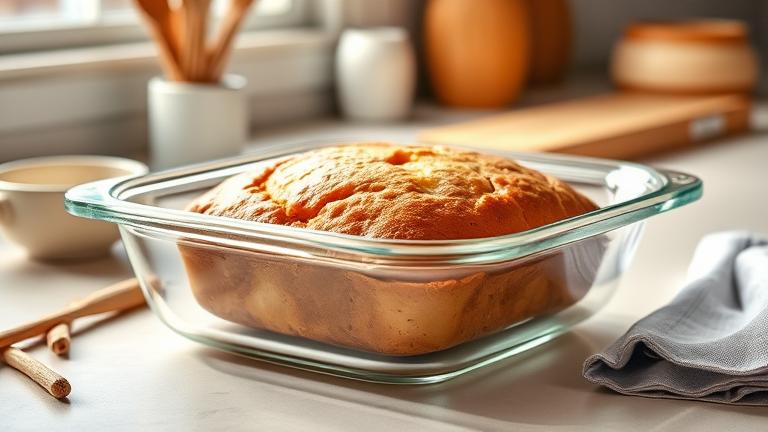
Is Pyrex safe for baking cakes?
If you’re wondering whether Pyrex is safe for baking cakes, you’re not alone. Many home bakers love using Pyrex dishes because they are clear, sturdy, and easy to handle. But to ensure safe baking, it’s important to understand what Pyrex is made of and how it performs in the oven.
Pyrex is a popular brand of glassware, originally made from borosilicate glass. Borosilicate glass is known for its resistance to thermal shock, meaning it can handle sudden temperature changes without breaking. This makes it a good choice for oven use, including baking cakes. However, in the United States, most modern Pyrex products are made from soda-lime glass, which is a bit different. Soda-lime glass is still oven-safe but may not tolerate as extreme temperature changes as borosilicate glass.
To safely bake with Pyrex, always check the label or manufacturer’s instructions. If it states that the dish is oven-safe, you can use it for baking cakes. Avoid putting cold Pyrex directly into a hot oven or taking a hot dish out and placing it on a cold surface, as sudden temperature shifts can cause the glass to crack. Instead, place your Pyrex dish in a preheated oven and handle it carefully when removing.
It’s also good to remember that Pyrex dishes are excellent for evenly baking cakes. Because glass conducts heat differently than metal pans, your cake may bake a little more evenly. Keep an eye on baking times when switching from metal to glass pans, as glass may require a slightly shorter baking time.
Some tips for safe and successful baking with Pyrex include:
- Preheat the oven before placing your Pyrex dish inside.
- Avoid sudden temperature changes, like adding cold batter to a hot dish or removing a hot dish onto a cold countertop.
- Use oven mitts when handling hot Pyrex to prevent burns or accidents.
- Check that your Pyrex dish is in good condition. Do not use if there are cracks, chips, or scratches, which can weaken the glass.
One common mistake is using Pyrex dishes for broiling or stovetop cooking, which is not recommended. Pyrex is designed for oven use only, not for direct heat from a flame or broiler. This can cause the glass to break or shatter, creating safety hazards.
In summary, Pyrex can be a safe and effective choice for baking cakes if you follow the guidelines. Always verify oven safety, handle the dish with care, and avoid sudden temperature changes. With proper use, Pyrex is a reliable tool that can help you bake beautiful, evenly cooked cakes in your kitchen.
How to prepare Pyrex for baking
Getting your Pyrex dish ready before baking is simple and helps ensure your baking experience is safe and successful. Proper preparation can prevent sticking, scratches, or cracks and keeps your dish in good shape for years to come. Follow these friendly, practical steps to prepare your Pyrex for baking.
1. Clean your Pyrex thoroughly
Before you use your Pyrex dish for baking, start with a clean surface. Wash it with warm, soapy water to remove any dust, grease, or residues from previous uses. Use a soft sponge or cloth to avoid scratching the glass. Rinse well and dry with a clean towel. If your dish has stubborn stains or residues, you can soak it in warm water mixed with a little baking soda for a few minutes.
2. Check for any damage
Inspect your Pyrex carefully for cracks, chips, or scratches. Do not use a damaged dish for baking because it can break or shatter under heat. If you notice any cracks or compromised areas, it’s safer to replace the dish. Using intact Pyrex ensures even heat distribution and reduces the risk of accidents in the oven.
3. Decide whether to grease or not
Most recipes do not require greasing Pyrex dishes, especially for cakes, casseroles, or bread. However, if you’re baking sticky items like desserts or things prone to sticking, lightly greasing the dish can help. Use a small amount of butter, shortening, or non-stick spray. Spread it evenly with a paper towel or brush to coat the bottom and sides. For baking bread or cake batters, often no greasing is needed since the batter will release easily.
4. Use proper handling techniques
Handle your Pyrex with care. Always lift it gently, especially when it’s hot or fresh out of the oven. Use oven mitts or pot holders to protect your hands. Avoid sudden temperature changes, which can cause the glass to crack. For example, don’t take a hot Pyrex dish directly from the oven and place it onto a cold surface or into cold water. Instead, let it cool gradually on a heat-resistant trivet or cooling rack.
5. Preheat your oven properly
Ensure your oven is fully preheated before placing the Pyrex inside. Baking in a cold oven can cause thermal shock to the glass. Follow your recipe’s temperature instructions carefully. Remember, Pyrex is designed to withstand high temperatures but not sudden temperature shifts.
6. Tips for successful baking with Pyrex
- Always place your Pyrex dish on the middle rack for even heat distribution.
- When checking for doneness, use oven mitts to avoid burns.
- Avoid using metal utensils inside the dish to prevent scratches.
- Allow the dish to cool gradually before washing or storing.
By following these simple steps, you will make sure your Pyrex dishes stay in great condition and your baking turns out just right. Proper preparation helps prevent accidents and ensures your baked goods come out perfectly every time.
Best cake recipes for glass dishes
Baking cakes in glass dishes like Pyrex can be a great choice because they distribute heat evenly and allow you to see the cake as it bakes. Whether you’re making a classic vanilla layered cake or a rich chocolate delight, these recipes work well in glass dishes with just a few simple adjustments. Keep in mind that glass heats differently than metal pans, so tweaking baking times and temperatures can help ensure perfect results every time.
One of the main tips when baking in a glass dish is to lower the oven temperature slightly. Glass retains heat longer and can cause the edges to brown faster. A good rule of thumb is to reduce the temperature by about 25°F (15°C) from what the recipe calls for when baking in metal pans. You should also start checking your cake a few minutes earlier than the recommended baking time to prevent overbaking.
Popular cake recipes for glass dishes
- Classic Vanilla Layer Cake: Use a simple vanilla sponge for a light, fluffy texture. Adjust the baking temperature to 325°F (160°C) and start checking around 25 minutes. Insert a toothpick in the center to see if it comes out clean.
- Chocolate Fudge Cake: Rich chocolate cakes are perfect in glass. Lower the oven temperature to 325°F (160°C), and check for doneness after about 30-35 minutes. Note that thicker cakes might need a few extra minutes, but don’t overbake to keep it moist.
- Carrot Cake: Moist and flavorful, carrot cake works beautifully in a glass dish. Bake at 325°F (160°C) and start testing at 40 minutes. Use a cake tester to check if it comes out clean, especially near the center.
- Lemon Drizzle Cake: The citrus flavor keeps this cake fresh and moist. Bake at 325°F (160°C), and expect a baking time of around 45-50 minutes. Cover the top loosely with foil if it starts browning too quickly.
Tips for baking in glass dishes
- Reduce oven temperature by 25°F when using glass pans.
- Start checking for doneness 5-10 minutes earlier than the recipe suggests.
- Use a toothpick or cake tester to check if the center is cooked through.
- Allow the cake to cool in the dish for 10-15 minutes before transferring to a wire rack. Glass retains heat longer, so letting it cool slightly prevents cracking or overcooking.
- If baking layered cakes, consider doubling the recipe’s batter to fill the dish evenly and avoid overflows.
By following these tips and choosing recipes suited for glass baking dishes, you’ll enjoy beautifully baked cakes every time. Experiment with small adjustments, and soon you’ll master baking in your favorite glassware. Happy baking!
Baking tips for Pyrex dishes
Baking with Pyrex dishes can be a great choice for many home cooks because of their durability and versatility. These glass dishes are ideal for roasting, baking casseroles, and even making desserts like cakes and bread. However, to get the best results and keep your Pyrex lasting years, it’s important to follow some key tips and safety practices.
First, always pay attention to temperature settings. Pyrex dishes are safe for oven use, but sudden temperature changes can cause them to crack or shatter. It’s best to preheat your oven before placing the dish inside. Typical baking temperature ranges from 325°F to 450°F, depending on your recipe. For most baked goods and casseroles, staying within the 350°F to 400°F range works well. If a recipe calls for a higher temperature, check your Pyrex’s manufacturer’s instructions to be sure it’s safe.
Next, consider where you place your Pyrex dish in the oven. Always put the dish on the middle rack for even heat distribution. Avoid placing it too close to the heating element, especially if you are baking at high temperatures. For best results, use an oven thermometer to verify that your oven heats accurately, so your Pyrex dish is baked evenly and safely.
When preparing to bake, do not take the dish directly from the refrigerator or freezer into a hot oven. Rapid temperature shifts can lead to breakage. For frozen dishes, let them sit at room temperature for about 10 to 15 minutes before baking. If you need to go from fridge to oven, starting at a lower temperature and gradually increasing can help prevent thermal shock.
Be careful with the amount of liquid you add. Pyrex dishes are excellent at distributing heat evenly, but overfilling can cause spills and messes. Leave some space at the top of the dish for bubbling ingredients, especially in casseroles or baked desserts. Also, use oven mitts or pot holders when removing hot dishes. Pyrex retains heat well, so your dish will stay hot after baking.
One common mistake is placing a cold Pyrex dish into a hot oven. Always allow the dish to come to room temperature or warm it gently in the oven before adding ingredients and baking. Conversely, cold dishes going into very hot ovens can crack or shatter.
To ensure safety and prolong the life of your Pyrex, avoid using it on the stovetop or under the broiler. It’s meant for baking in the oven only. And never directly on a stovetop burner or flame, as this can cause damage and safety hazards.
- Always preheat your oven before placing the Pyrex dish inside.
- Place the dish on the middle rack for even heat.
- Let refrigerated dishes warm gradually before baking.
- Use oven mitts when handling hot Pyrex.
- Check temperature limits recommended by the manufacturer.
By following these simple but effective tips, you can enjoy safely baking with your Pyrex dishes while achieving perfect, evenly baked results every time. Remember, patience and attention to temperature are your best friends when working with glass bakeware.
How to prevent Pyrex from breaking
Pyrex dishes are a popular choice for baking and cooking because they can handle hot and cold temperatures. However, they can break if not handled properly. Knowing how to treat your Pyrex safely can help it last longer and prevent accidents in the kitchen.
Be careful with temperature changes
One of the most common reasons Pyrex breaks is sudden temperature shifts. Always avoid moving a hot dish directly into cold water or placing it into a cold refrigerator immediately after baking. The rapid change causes stress on the glass, which can lead to cracks or shattering.
Allow your Pyrex to cool gradually after cooking. If you need to cool it quickly, fill the dish with warm water first to gently bring down the temperature. Never put a hot dish on a cold or damp surface, as the contact shock can break the glass.
Handle with care and proper tools
Use oven mitts or pot holders when handling hot Pyrex. The glass can become very hot and may cause burns if touched with bare hands. Be gentle when carrying the dish to avoid dropping it. Always support the base of the dish firmly.
When cleaning, avoid using abrasive scrubbers or knives on the glass. These can scratch or weaken the surface over time. Instead, use non-abrasive sponges and mild dish soap. If food sticks to the dish, soak it in warm water first to loosen residues.
Storage tips for safety and longevity
- Allow dishes to cool completely before stacking or storing.
- Stack Pyrex dishes with cushioning, like paper towels or cloth, to prevent scratches or chips.
- Store your Pyrex in a safe, stable location where it won’t be knocked over or dropped.
- Avoid overcrowding cabinets to keep the dishes secure and prevent accidental breakage.
Avoid common mistakes
- Don’t expose Pyrex to direct flame or stovetop heat. It’s meant for oven use, not for cooking on a burner.
- Refrain from sudden temperature shocks, such as pouring water into a hot dish or placing it on a cold surface immediately after baking.
- Never use damaged or chipped Pyrex, as weak spots increase the risk of breaking during use.
Extra safety tips
If your Pyrex dish cracks or chips, discard it immediately. Small fractures can expand over time and cause shards of glass to break off unexpectedly. Regularly inspect your dishes and replace any that show signs of damage.
By following these simple tips, you can safely enjoy your Pyrex dishes for many years. Remember to treat glassware gently, avoid sudden temperature changes, and store everything carefully. Your Pyrex will thank you with many successful cooking experiences!
Pyrex vs metal pans: which is better?
When it comes to baking and cooking, choosing between Pyrex glass dishes and metal pans can be tricky. Both have their own strengths and weaknesses, and knowing when to use each can help you get the best results. Pyrex, made of heat-resistant glass, is popular for its clear view and even heating. Metal pans, usually made of aluminum or steel, are known for their durability and faster heat conduction.
Let’s look at their advantages first. Pyrex dishes are great for dishes that need to be visualized during cooking, like casseroles or layered desserts. They are microwave-safe, so you can go straight from oven to microwave if needed. Pyrex also resists staining and odors, keeping your kitchen tidy and your food tasting fresh. Metal pans heat up quickly and cool down fast, which is ideal for baking cookies, bread, or quick roasting. They are usually lighter, easier to handle, and tend to distribute heat more uniformly, especially heavier-duty pans.
Disadvantages of each
- Pyrex: While it heats evenly, Pyrex glass can break or shatter if exposed to sudden temperature changes. For example, putting a hot dish directly into cold water or baking at a very high temperature can be risky. Pyrex isn’t as good for broiling or stovetop cooking, since direct heat can crack the glass. Also, it’s typically more fragile and can chip or break if mishandled.
- Metal pans: Metal pans often don’t allow you to see the food as it cooks. They can also cause sticking if not properly greased or if they aren’t non-stick. Metal pans may warp over time with repeated heating, especially cheaper ones. Some reactive metals like aluminum can affect the taste or color of certain foods, such as tomato sauces or citrus-based recipes.
Best uses for Pyrex and metal pans
For baking, Pyrex is superb for anything that benefits from even heat, like lasagna, bread pudding, or layered desserts. It’s also excellent for dishes you want to see through during cooking or serving. Use Pyrex for recipes that don’t require high heat or direct flame. Remember to avoid sudden temperature changes to keep it safe.
Metal pans excel in tasks where quick heat and durability matter. They’re perfect for cookies, cakes, muffins, and roasting vegetables. Metal pans heat up faster and can give you that crispy edge many bakers love. Non-stick metal pans are a good choice if you want easier cleanup, but always use utensils that won’t scratch the surface.
Safety tips and practical advice
- Always follow the manufacturer’s guidelines for temperature limits.
- Avoid putting hot Pyrex directly into cold water or on a cold surface to prevent shattering.
- Use oven mitts when handling hot metal or glass dishes.
- To prolong the life of your metal pans, avoid cutting or using metal utensils on non-stick surfaces.
In the end, your choice depends on what you’re baking or cooking, and your personal preferences. Combining both in your kitchen gives you flexibility to tackle a variety of recipes with confidence.
FAQs about baking with Pyrex
Is Pyrex safe for baking in the oven?
Most Pyrex dishes are designed to withstand oven temperatures, making them safe for baking. However, it’s important to check the manufacturer’s instructions for your specific piece. Traditional Pyrex glass is usually safe at temperatures up to 450°F (232°C). Always avoid sudden temperature changes, such as transferring a hot dish directly from the oven to a cold countertop, as this can cause the glass to crack or shatter.
Can I put my Pyrex dish directly from the fridge into the oven?
In general, yes. Pyrex is quite durable and can handle being cold and being heated. Just ensure there is no sudden temperature shock. It’s best to let the dish sit at room temperature for a few minutes if it was in the fridge, especially if it has been stored in a very cold environment. Avoid pouring cold liquids into a hot Pyrex dish or vice versa to prevent cracking.
What should I avoid when baking with Pyrex?
- Do not expose Pyrex to direct heat sources like stovetops or open flames.
- Avoid placing hot Pyrex on cold or damp surfaces, which can cause thermal shock.
- Stay within the recommended temperature limits provided by the manufacturer.
- Don’t use abrasive cleaners or scrubbing tools that may scratch the surface.
Following these tips helps prevent accidental breakage and prolongs the life of your baking dishes.
How do I clean my Pyrex after baking?
For most baked-on messes, soak the dish in warm soapy water for a few minutes before gently scrubbing with a sponge or soft brush. Avoid using abrasive pads or harsh cleaners, as these can scratch the glass. If there are stubborn stains or residues, a paste of baking soda and water applied to the area can help lift them out.
Many Pyrex dishes are dishwasher safe, but hand washing is often gentler and helps maintain their clarity and shine.
Can I use Pyrex with metal utensils?
It’s best to avoid using metal utensils directly on your Pyrex dish, especially when scraping toppings or stuck-on food. Metal can scratch the glass surface and weaken it over time. Instead, opt for silicone, plastic, or wooden utensils to keep your dish in good shape.
What are common signs that my Pyrex dish is unsafe to use?
If your Pyrex dish shows cracks, chips, or has any chips along the edges, it’s time to replace it. Damaged glass can break unexpectedly and may cause injuries. Also, if the glass is cloudy, discolored, or has significant scratches, consider replacing it to avoid cracking under heat.
Is it okay to use Pyrex for broiling?
Most Pyrex dishes are not designed for broiling as high temperatures can cause stress on the glass. Check your product’s guidelines. If it is oven-safe up to high temperatures, it might be okay, but always confirm with the manufacturer’s instructions to stay safe.
What if my Pyrex shatters while baking?
Occasionally, if the dish experiences thermal shock or has a defect, it may shatter. If this happens, carefully clean up the fragments to prevent injury. Inspect your other Pyrex dishes regularly, and avoid sudden temperature changes to reduce this risk.