
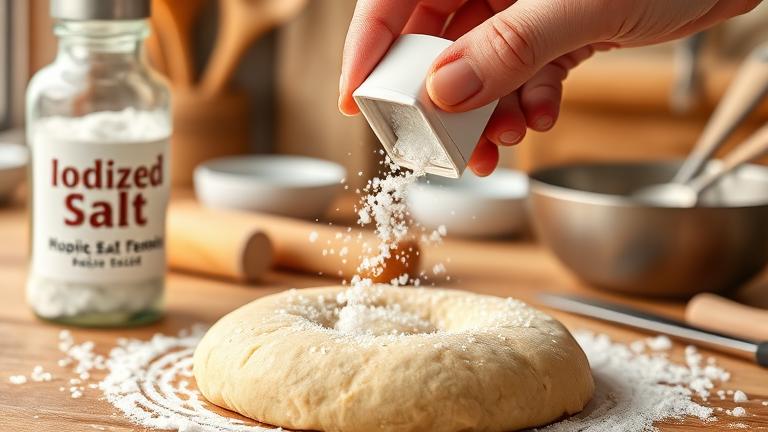
What Is Iodized Salt?
Iodized salt is simply regular table salt that has been enriched with a tiny amount of iodine. Iodine is a mineral that our bodies need to stay healthy, especially for proper thyroid function, which affects our metabolism and energy levels.
But why add iodine to salt? Historically, many people worldwide do not get enough iodine from their diet alone. Iodine deficiencies can lead to health issues like goiter, which causes swelling in the neck, and can even impair brain development in young children. To prevent these problems, governments and health organizations started adding iodine to a common staple: table salt.
By mixing a small, carefully measured amount of iodine into salt, it becomes an easy way to help people get enough of this essential nutrient. Since salt is a common seasoning used at every meal, it’s a convenient delivery method. Plus, it doesn’t significantly change the taste or appearance of the salt you use daily.
What’s Usually in Iodized Salt?
- Regular salt — usually sodium chloride
- Iodine — added in the form of potassium iodide or potassium iodate
The amount of iodine added is carefully controlled. Typically, it’s enough to meet daily nutritional needs without affecting the salt’s flavor or texture. This means that a small amount of iodized salt can provide a significant health benefit.
How Is Iodine Added?
There are two main methods:
- Using potassium iodide: a stable salt that dissolves easily in water and is commonly used for fortification.
- Using potassium iodate: a slightly more stable form in humid environments, making it popular in many countries.
Manufacturers add these compounds to salt during production, ensuring the iodine is evenly distributed. The process is carefully managed to prevent iodine from degrading, especially in humid or warm conditions.
The Importance of Iodized Salt in Your Kitchen
Adding iodine to salt isn’t just a health trend; it’s a practical way to improve diet quality. Consuming enough iodine helps prevent thyroid problems and supports overall growth and development. Especially in areas where iodine-rich foods like seafood or dairy are less common, iodized salt is a vital source.
When shopping, look for labels that say “iodized salt” if you want to ensure you’re getting this extra benefit. Keep in mind that while iodized salt is beneficial, it’s best to use it in moderation along with other nutrient-rich foods. Too much salt, iodized or not, can contribute to high blood pressure, so balance is key.
Storage Tips for Iodized Salt
- Store in a cool, dry place to prevent iodine from breaking down.
- Keep the container tightly sealed after use.
- Avoid exposing it to excess moisture or heat for long periods.
By taking these simple steps, you’ll ensure your iodized salt stays effective and provides the health benefits you need. It’s an easy, everyday way to support your well-being and prevent deficiency-related health issues.
Benefits of Using Iodized Salt in Baking
Using iodized salt in baking offers several advantages that can improve both the flavor and nutritional value of your baked goods. Iodized salt is regular table salt fortified with iodine, a mineral essential for your overall health, especially for thyroid function. Incorporating it into your baking recipes is a simple way to boost your diet while enhancing your treats.
One of the main benefits of using iodized salt in baking is flavor enhancement. Salt naturally brings out the sweetness of sugar and balances the flavors of other ingredients. When added in the right quantity, iodized salt helps your baked items taste more well-rounded and flavorful. It prevents baked goods from tasting flat or overly bland, making your cookies, bread, or cakes more appealing.
In addition to flavor, iodized salt can also improve the texture of baked products. Salt tightens gluten strands in dough, which is especially important in bread making. This results in a better structure, with a good rise and chewy crumb. Without enough salt, bread may turn out dense or flat. Using iodized salt ensures you get a fine balance that supports dough development and creates a delightful texture.
Compared to regular salt, iodized salt is often more refined and uniformly granulated. This means it dissolves easily during mixing, ensuring even seasoning throughout the batter or dough. This consistency is key for recipes like cookies or quick bread, where evenly dispersed salt makes a big difference in taste.
Another practical advantage is the added nutritional benefit. Iodine deficiency is common in many areas and can lead to thyroid problems. Using iodized salt in baking is an easy, everyday way to include more iodine in your diet without changing your usual ingredients. Simply swapping regular salt for iodized salt in your recipes can make a small but meaningful difference in your health.
Some bakers wonder if iodized salt affects the appearance or taste of baked goods. Rest assured, it does not. It has a clean, neutral flavor that blends seamlessly into almost any recipe. And because it dissolves well, it won’t leave any gritty or salty aftertaste.
To get the most benefits, measure your salt carefully. Most recipes specify the amount needed, but if you are substituting regular salt with iodized salt, stick to the same proportions. Usually, a pinch or a teaspoon is enough to enhance flavor and nutrition without overpowering the dish.
- Remember that using too much salt, iodized or not, can make baked goods taste salty or bitter. Follow the recipe guidelines.
- Store iodized salt in a cool, dry place to avoid clumping and maintain its effectiveness.
- If you are watching your sodium intake, be mindful of how much salt you add, even if it is fortified with iodine.
Incorporating iodized salt into your baking is a simple, effective way to improve flavor and boost your nutritional intake at the same time. Whether you’re making bread, cookies, or muffins, it makes your baking both tastier and healthier.
Is Iodized Salt Harmful for Baking?
When you’re baking at home, you might wonder if using iodized salt makes a difference. Iodized salt is common and convenient because it contains added iodine, which is good for your health. But some bakers worry if it affects the taste, texture, or chemical reactions in their baked goods.
First, let’s look at what iodized salt is. It’s regular table salt that has a small amount of iodine added. Iodine helps prevent thyroid problems and supports overall health. Most households use iodized salt for cooking and baking without issues.
Some bakers notice a slight taste difference when using iodized salt. It might be a subtle metallic or chemical flavor, especially if a lot of salt is used. If you’re sensitive to taste, you might prefer non-iodized salt, especially in recipes where the salt is a major ingredient, such as in bread or savory pastries. For sweet baked goods, the impact is usually minimal because the sweetness overshadows small salt flavors.
Next, consider texture and chemical reactions. Salt plays an important role in baking, helping to strengthen gluten in bread, control yeast activity, and improve the texture of cakes and cookies. Iodized salt works just as well as regular salt for these functions. There is no evidence to suggest that iodine affects how the gluten develops or how yeast ferments.
Some people worry about the chemical effects of iodine in baking. Rest assured, iodine is stable under baking temperatures and does not interfere with chemical reactions. Whether you’re making bread, muffins, or cookies, iodized salt won’t cause any harmful reactions during baking.
However, in very precise recipes, such as certain bread formulas, some bakers prefer using non-iodized salt to avoid any potential off-flavors. But in most standard recipes, iodized salt is perfectly fine and can be used safely. It’s also more affordable and easier to find in stores.
Here are some practical tips when baking with iodized salt:
- If you notice a metallic taste, try switching to non-iodized salt in sensitive recipes.
- Always use the salt amount specified in the recipe for best results.
- For bread baking, salt helps control yeast activity—using iodized salt won’t harm this process.
- If baking very delicate pastries, you might want to use a fine, non-iodized salt to avoid any flavor issues.
In summary, using iodized salt in baking is generally safe and does not negatively impact your baked goods. It may influence taste slightly in some cases, but it doesn’t interfere with the chemistry or texture of your recipes.
You can confidently continue using iodized salt for most baking needs. If you’re experimenting and notice any unwanted flavors, switching to non-iodized salt is a simple solution. Remember, the key is to follow your recipe and enjoy the baking process!
Common Myths About Iodized Salt and Baking
Iodized salt is a staple in many kitchens, but there are quite a few myths surrounding its use, especially when it comes to baking. Some believe that iodized salt might alter the outcome of baked goods or cause health issues, but these worries are mostly misconceptions. Let’s set the record straight with some facts and practical insights.
Iodized Salt Can Change the Taste of My Baked Goods
Many home bakers think that using iodized salt will make their bread, cookies, or cakes taste different. In reality, the amount of iodine and added minerals is very small. When used in typical quantities, iodized salt does not produce any noticeable change in flavor.
If you are sensitive to salt taste or prefer a certain flavor profile, focus on measuring accurately rather than whether the salt is iodized or not. Regular table salt, sea salt, or kosher salt can all be used interchangeably in recipes without affecting taste significantly.
Myth: Iodized Salt Is Less Healthy Than Non-Iodized Salt
This is a common misconception. Iodized salt actually provides a crucial nutrient—iodine—that helps prevent thyroid problems and other health issues. While uniodized salt contains mainly sodium chloride, iodized salt is enriched with iodine, which is essential for hormone production.
Choosing iodized salt is a simple way to support your daily iodine intake, especially if your diet lacks other iodine-rich foods like seafood or dairy. Unless you have a specific allergy or reason to avoid iodine, iodized salt is a healthy choice.
Does Iodine Affect Baking or Leavening?
Some think that iodine in salt might interfere with baking chemistry, like yeast rising or batter consistency. Rest assured, the iodine content in salt is too small to influence the chemical reactions in baking.
Yeast, baking soda, and baking powder perform their roles regardless of whether your salt is iodized or not. So, feel free to use iodized salt in bread, muffins, or cookies without worries about it messing up your recipe.
Myth: Using Non-Iodized Salt Is Always Better for Baking
Some bakers prefer non-iodized salt because they believe iodine can cause discoloration or interfere with certain recipes. However, these concerns are largely outdated.
For most baked goods, both iodized and non-iodized salts work perfectly. The key is consistency and measurement. If a recipe calls for a specific salt type, follow it. Otherwise, regular iodized salt is an easy, accessible option for everyday baking.
Practical Tips for Using Salt in Baking
- Use measured amounts for the best flavor balance.
- Keep in mind that too much salt can overpower sweetness or delicate flavors.
- Store salt in a cool, dry place to prevent clumping and preserve quality.
- If a recipe specifies a particular type of salt, such as kosher or coarse salt, follow those instructions for optimal results.
Understanding these myths helps you bake with confidence using iodized salt. It’s a safe, nutritious, and reliable ingredient that supports both taste and health in your baking adventures.
How Iodized Salt Affects Baking Results
When you’re baking bread, pastries, or cakes, salt plays an essential role in shaping the final product. Iodized salt is a common table salt that includes added iodine, a nutrient important for health. But does using iodized salt in your baking change how your baked goods turn out? The answer is yes, but usually not in a way that should scare you away.
First, let’s talk about dough consistency. Salt helps strengthen the gluten network in dough, giving it elasticity and structure. When you add salt, whether iodized or not, it tightens the gluten strands, making the dough easier to handle and shape. Some bakers worry that iodine could interfere with this process, but for most recipes, the difference is minimal. As long as you measure your salt correctly, your dough should come together nicely.
Next is yeast activity. Yeast is a living organism that ferments sugars to produce carbon dioxide, which makes bread rise. Salt impacts yeast by controlling its activity. Too much salt can slow down fermentation, while too little might cause over-proofing or uneven rise. Iodized salt contains the same amount of sodium chloride as non-iodized salt, so it generally doesn’t alter yeast activity significantly. However, some bakers notice slightly slower rise times if they use large amounts of iodized salt. To avoid this, measure carefully and don’t overdo the salt.
The final quality of bread or pastry depends on more than just the ingredients. Salt enhances flavor, improves crust color, and even affects moisture retention. Iodized salt often has a finer grind compared to coarse sea salts, so it dissolves more evenly in dough. This can lead to a more uniform flavor and better crust appearance.
Some bakers worry about the iodine content affecting the flavor or the chemical reactions in baked goods, but in typical amounts used for baking, the impact is minor. Iodine is stable during baking, so it doesn’t break down or cause off-flavors.
Here’s a quick tip: if you’re experimenting with different salts, keep notes. Using iodized salt for some batches and non-iodized for others can help you notice subtle differences in rise, texture, and flavor.
In summary, using iodized salt in baking generally produces results similar to non-iodized salt. It helps improve dough structure, controls yeast fermentation, and enhances flavor, texture, and crust color. Just remember to measure carefully to ensure your baked goods turn out perfectly every time.
Alternatives to Iodized Salt for Baking
When baking, salt is a key ingredient that enhances flavor and balances sweetness or bitterness. If you’re looking to switch from iodized salt, there are several tasty options like sea salt, Himalayan salt, or even kosher salt. Each type has its unique flavor, texture, and uses, so choosing the right one can make your baked goods even more special.
Sea salt is a popular alternative that comes from evaporated seawater. It has a clean, slightly briny taste and often contains trace minerals that add subtle flavor complexity. Many bakers prefer sea salt for its crunchy texture and natural appeal. It dissolves easily in doughs and batters, making it a versatile choice. One thing to keep in mind is that sea salt can come in different grain sizes. Fine sea salt works well for most baking, but if you prefer a crunchy salt top or to add salt during process, coarser grains are great. Just remember to adjust the amount, as larger grains can be saltier by volume compared to fine salt.
Himalayan salt is another flavorful option that many home bakers love. It has a pinkish hue and a slightly richer, mineral-infused taste. Some people believe Himalayan salt offers health benefits because of its mineral content, but for baking, it primarily acts as a flavor enhancer. Since Himalayan salt is usually sold in coarse chunks, you might want to grind it down for even mixing into your recipes. Be cautious with the amount; because of its strong mineral flavor, too much salt can overwhelm your baked good’s taste.
Kosher salt is a favorite among professional and home bakers alike. It has a pure, clean flavor and a flaky texture, making it easy to pinch and sprinkle. Its larger grains mean it dissolves slowly, so it’s ideal for finishing baked goods or adding a pinch during mixing. Kosher salt is less salty by volume than fine table salt, so you’ll need to adjust the quantity accordingly. For baking, many bakers like to use kosher salt because it doesn’t contain anti-caking agents found in some table salts, which can alter flavor or texture.
Other options you might consider include smoked salt, which adds a smoky flavor, or flavored salts infused with herbs or spices for a creative twist. However, these are more suited for savory baked goods rather than desserts.
Here are some quick tips for using alternative salts in baking:
- Always measure by volume or weight when substituting, as grains vary in size and saltiness.
- Start with less if you’re trying a new salt and taste as you go.
- Remember that some salts contain additives; choose unprocessed or natural options for the best flavor.
- Adjust the amount of salt in your recipe if switching types, especially if you switch from fine to coarse grains.
In summary, choosing the right salt depends on your flavor preference and baking style. Sea salt, Himalayan salt, and kosher salt each bring their own character to baked treats. Experimenting with these alternatives can add a fun twist and deepen your appreciation for salt’s role in baking.
Final Tips for Using Salt in Baking
Using salt effectively in baking can make a big difference in the flavor and texture of your baked goods. Whether you’re making bread, cookies, or cakes, the right amount of salt enhances sweetness, balances flavors, and improves the overall quality. Here are some practical tips to help you get the best results every time.
First, always use the correct type of salt. Table salt is fine for most baking needs because it dissolves quickly and is easy to measure. However, sea salt or Himalayan salt can add a subtle mineral flavor and a pleasing texture. If you decide to use specialty salts, remember they are usually more flavorful and sometimes coarser, so adjust your measurements accordingly.
Next, measure salt accurately. Baking is a science, so small differences in salt can change the outcome. Use measuring spoons or a baker’s scale if you want precision. When experimenting with recipes, start with the recommended amount and make small adjustments next time based on your taste preferences. Too much salt can overpower the flavor, while too little may make baked goods taste bland.
Incorporate salt at the right stage of your baking process. Usually, adding salt with dry ingredients helps it distribute evenly throughout the batter or dough. For bread making, add salt after the initial mixing of flour and yeast. This prevents direct contact with yeast, which can inhibit fermentation. In cookies and cakes, mixing salt with sugar or flour ensures it is well dispersed, giving a balanced flavor.
Be cautious with salt in recipes that require long fermentation or rising times. Excess salt can slow down yeast activity, making your bread take longer to rise or affecting the texture. If you’re adapting a recipe, start with a slightly reduced amount and see how it turns out.
If you’re looking to reduce sodium intake, consider using less salt or experimenting with other flavor enhancers like vanilla, citrus zest, or spices. You can also try finishing baked goods with a tiny sprinkle of flaky sea salt just before serving to add a burst of flavor and texture.
Finally, store salt properly to maintain its freshness and flavor. Keep it in an airtight container in a cool, dry place away from moisture. Proper storage prevents clumping and preserves its seasoning qualities for your future baking adventures.
- Experiment with different types of salt to find what best complements your baked goods.
- Use a scale for precise measurement when possible.
- Add salt early in the mixing process for even distribution.
- Adjust salt carefully based on taste and recipe requirements.
- Store salt properly to keep it fresh and easy to use.