
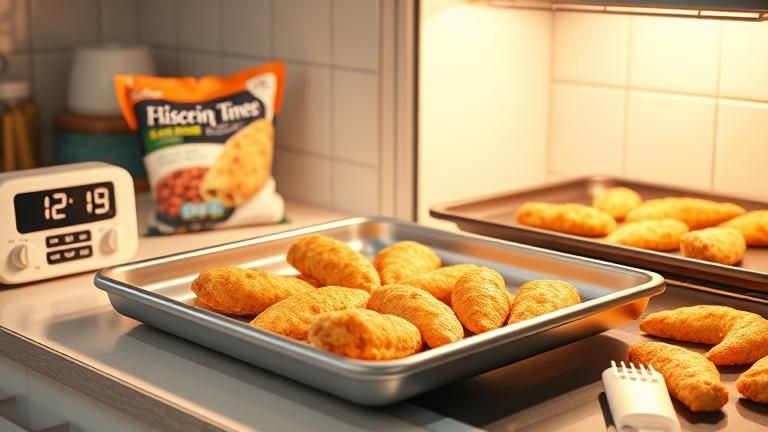
Tips for Baking Frozen Chicken Tenders
Baking frozen chicken tenders is a quick and easy way to enjoy a delicious meal or snack. To get the best results, a few simple tips can make a big difference. Whether you like your tenders crispy, juicy, or perfectly seasoned, these practical suggestions will help you achieve that. Remember, patience and attention to detail often lead to the tastiest outcomes.
First, it’s important to prepare your baking environment properly. Preheat your oven to the recommended temperature, usually between 400°F to 425°F (200°C to 220°C). A hot oven helps the tenders crisp up nicely. While it’s tempting to bake straight from the freezer, try to avoid overcrowding the baking sheet. Leave enough space around each piece. This allows hot air to circulate evenly and results in a crispier coat.
Next, consider the seasoning. Frozen chicken tenders often come pre-seasoned, but adding your own touches can boost flavor. Lightly spray or brush the tenders with oil before baking. This helps them brown evenly and get that desirable crunch. For extra flavor, sprinkle with spices like paprika, garlic powder, or black pepper before baking. If you prefer a more seasoned crust, you can also coat the tenders in breadcrumbs or crushed cereal for added texture.
Another helpful tip is to flip the tenders halfway through cooking. This ensures both sides get equally crispy and cooked through. Keep a close eye on the baking time—most tenders bake in about 15 to 20 minutes—but check your package instructions for specifics. To test doneness, make sure the internal temperature reaches 165°F (74°C). Using a meat thermometer is the safest way to confirm they’re fully cooked, especially when baking from frozen.
Be cautious of common pitfalls. One is baking at too low a temperature, which can make tenders soggy instead of crispy. Avoid using frozen tenders directly from the freezer on hot pans without preheating, as this can lead to uneven cooking. Also, resist the urge to cover the tenders with foil—this traps steam and prevents crisping. If you want an even better crisp, consider finishing with a brief broil if your tenders need an extra golden touch.
If you want to make your meal more exciting, try serving the tenders with a dipping sauce such as ranch, honey mustard, or spicy buffalo sauce. They also pair well with sides like salads, fries, or roasted vegetables. Remember, the key to perfect baked chicken tenders is patience, proper heat, and a little creativity with seasonings.
- Preheat your oven fully before baking.
- Avoid overcrowding the baking sheet.
- Use a light oil coating for crispiness.
- Flip the tenders halfway through baking.
- Check that internal temperature reaches 165°F (74°C).
With these simple tips, your frozen chicken tenders will come out flavorful, crispy, and perfectly cooked every time. Enjoy your homemade snack or meal with confidence!
Common Baking Questions Answered
Many people wonder about the best way to bake chicken tenders from frozen. It’s a common question, especially for busy cooks who want a quick and easy meal. Here, you’ll find clear answers to some of the most frequently asked questions. Whether you’re unsure about cooking times, temperatures, or safety tips, this guide has you covered.
Can I bake chicken tenders directly from frozen?
Yes, you can bake chicken tenders straight from the freezer. It saves time and preparation. Just keep in mind that frozen tenders need a slightly longer cooking time than thawed ones. Do not thaw them before baking unless the recipe says so.
What temperature should I bake frozen chicken tenders at?
The ideal oven temperature is usually 400°F (200°C). Baking at this temperature helps the chicken cook evenly and turn crispy on the outside. If your tenders are breaded or coated, this high temperature also helps create a crispy, golden crust.
How long do I need to bake frozen chicken tenders?
Typically, frozen chicken tenders take about 20 to 25 minutes to bake at 400°F. However, the exact time can vary based on the size of the tenders and your oven’s accuracy. It’s best to check for doneness by ensuring the internal temperature reaches 165°F (74°C), which is the safe temperature for poultry.
How can I tell if the chicken tenders are cooked properly?
The best way is with a meat thermometer. Insert it into the thickest part of a tender. If it reads 165°F (74°C), the chicken is safe to eat. You should also notice that the juices run clear and the meat is no longer pink inside.
Can I use a convection oven for baking frozen chicken tenders?
Yes, a convection oven works well. It circulates hot air around the food, making tenders crispier and cooking faster. Reduce the temperature by about 25°F (14°C) if you’re using convection, and check them a few minutes earlier than the usual cooking time.
Are there any safety tips when baking frozen chicken tenders?
- Never bake frozen chicken at a temperature lower than 400°F, as it may cook unevenly and increase bacteria risk.
- Always use a meat thermometer to confirm doneness.
- Wash your hands and any surfaces that touch raw chicken to prevent cross-contamination.
Can I reheat baked chicken tenders?
Yes, you can reheat leftovers in the oven or microwave. To keep them crispy, reheat in a 350°F (175°C) oven for about 10 minutes or until heated through. Avoid overcooking to prevent dryness.
By following these simple tips and answers, you can enjoy perfectly baked chicken tenders straight from the freezer. With practice, you’ll get a feel for the right timing and temperature for your specific oven and tastes. Happy baking!
Ideal Oven Temperatures for Chicken Tenders
When baking chicken tenders, choosing the right oven temperature is key to getting that perfectly crispy outside and juicy inside. The ideal temperature depends on a few factors, including your oven type and how thick your tenders are. Typically, you’ll want your oven set between 375°F and 425°F (190°C to 220°C) for the best results.
For most home ovens, roasting chicken tenders at 400°F (200°C) strikes a great balance. At this temperature, the tenders usually bake evenly, develop a crispy crust, and remain moist inside. If you prefer a slightly crispier exterior, bumping the oven up to 425°F (220°C) is a good choice. Just keep an eye on them to prevent burning, especially near the edges.
Oven Types and Adjustments
- Conventional Ovens: These ovens heat from the top and bottom. Set to 400°F for even cooking. To enhance crispiness, use the middle rack and consider turning on the broiler last a minute or two, but watch carefully to avoid over-browning.
- Convection Ovens: These have a fan that circulates hot air, cooking food faster and more evenly. Reduce the temperature by about 25°F, so bake tenders at around 375°F (190°C). Keep an eye on cooking time, as they tend to cook quicker.
- Toaster Ovens: These smaller ovens often heat unevenly. Use a temperature around 375°F (190°C) and check tenders frequently. It’s helpful to rotate the tray halfway through baking for even crispiness.
Cooking Time Tips
At 400°F (200°C), chicken tenders usually take about 15 to 20 minutes to cook through, depending on their thickness. Thinner tenders might need less time, around 12 to 15 minutes. Always check that the internal temperature hits at least 165°F (74°C), which ensures they are safely cooked.
A quick way to check your tenders is to cut into the thickest part. They should be opaque and steaming, with no pink remaining inside. Using a meat thermometer is the most reliable method for doneness.
Practical Tips for Perfect Results
- Preheat your oven fully before baking to ensure immediate heat contact.
- Place tenders on a wire rack over a baking sheet. This allows air to circulate and helps crisp up all sides evenly.
- Spraying a little oil or brushing with a light coat can boost crispiness without adding too much fat.
- Remember, every oven is different. Keep an eye on your tenders the first few times to find the perfect timing and temperature for your setup.
By setting your oven to the right temperature and adjusting for your specific oven type, you can enjoy crispy, evenly cooked chicken tenders every time. Practice makes perfect, so don’t be afraid to tweak the heat and time for your preferred crunch and juiciness.
How to Know When Chicken Tenders Are Done
Cooking chicken tenders perfectly is key to enjoying their tender texture and safe eating. Knowing when they are done can sometimes be tricky, especially if you’re new to cooking chicken. Fortunately, there are some clear signs you can look for to make sure your chicken tenders are fully cooked and safe to eat.
The most reliable way to check if chicken tenders are done is to measure their internal temperature. Use a meat thermometer for accuracy. Insert it into the thickest part of a tender without touching bone or the pan. The safe internal temperature for cooked chicken is 165°F (74°C). Once you see this reading, you can be confident that the chicken is cooked through and safe from harmful bacteria.
In addition to temperature, observe the color and texture of your chicken tenders. Properly cooked tenders will have an opaque, white or light brownish color throughout. The outside should be golden-brown if they are fried or baked. If there are any pinkish or translucent areas, keep cooking. Be cautious with the color because sometimes overcooked chicken can be dry, but a good rule is that the inside should never look raw or pink if it’s fully cooked.
Texture is another helpful cue. Properly cooked chicken tenders will feel firm but still tender when you cut into one. They should not be mushy or rubbery. If they feel overly soft or slimy, they might need more cooking time. Likewise, if they are very tough or dry, they might be overdone, so aim for that perfect middle ground.
Here are some practical tips to help you determine if your chicken tenders are done:
- Use a meat thermometer: Always check the thickest part of the tender to verify it hits 165°F (74°C).
- Look at the color: The chicken should be opaque and white inside, with a golden-brown exterior if fried or baked.
- Test the texture: When pressed or cut, the tenders should feel firm yet tender, not overly soft or rubbery.
- Juice check: Clear juices indicate doneness; if you see pink or bloody juices, give them more time.
One common mistake is relying solely on color. Sometimes chicken can look cooked on the outside but still be raw inside. That’s why temperature is the most trustworthy indicator. Also, avoid cutting into the tenders too early, as this can lead to losing juices and give a false sense of doneness.
With these cues—temperature, color, and texture—you’ll get the hang of perfectly cooked chicken tenders in no time. Remember, safety comes first. Never serve chicken that hasn’t reached the proper temperature, no matter how tempting it looks on the surface!
Benefits of Baking Frozen Chicken Tenders
Baking frozen chicken tenders is a quick and convenient way to enjoy a tasty meal without extra steps. Many home cooks love the simplicity of skipping thawing and going straight to the oven. This method saves time and makes weeknight dinners much easier.
One major advantage is the time saved. When you bake chicken tenders frozen, you eliminate the need to plan ahead or wait for them to thaw. You can go from frozen to ready in about 20 to 25 minutes, depending on your oven. It’s perfect for busy days or last-minute cravings.
Another plus is the convenience factor. Frozen chicken tenders are typically pre-coated and portioned, so you don’t have to worry about preparing or seasoning them from scratch. Just place them on a baking sheet, toss them in the oven, and you’re set. This makes cleanup simpler too, especially if you line your baking sheet with parchment paper or foil.
Baking from frozen also helps retain moisture and flavor. Unlike frying, which can sometimes dry out chicken if not done carefully, baking keeps the tenders juicy. The gentle heat helps lock in juices, making each tender tender and flavorful. The pre-seasoning or coating stays crispy on the outside when baked properly, giving you a satisfying crunch with every bite.
Food safety is another reason to bake chicken tenders directly from frozen. When cooked thoroughly, baking can eliminate harmful bacteria quickly. Just remember to follow the recommended internal temperature of 165°F (75°C) to ensure they are fully cooked and safe to eat.
Also, baking frozen chicken tenders reduces the mess associated with thawing and frying. You won’t need extra bowls or oil, making it a cleaner and healthier option compared to deep frying. It’s also easier to control portion sizes, which can help with managing calories and leftovers.
For those watching their diet, baking preserves the natural nutrients of chicken while avoiding the extra fats from frying. Plus, you can always add your favorite seasonings or herbs before baking to boost flavor without extra effort.
In summary, baking frozen chicken tenders offers a host of benefits: it’s time-efficient, convenient, preserves moisture and flavor, and is easy to keep safe and clean. It’s a smart choice for busy households seeking a tasty, fuss-free meal option. Just follow the proper baking guidelines, and you’ll enjoy crispy, juicy chicken tenders every time.
Easy Step-by-Step Baking Guide
Baking frozen chicken tenders is a simple way to enjoy a tasty and crispy meal without much fuss. Whether you’re in a hurry or just prefer to cook from frozen, this guide will walk you through each step for perfect results every time. Let’s get started with a straightforward process that guarantees tender, flavorful chicken tenders with a nice crunch.
Preparation
First, gather your frozen chicken tenders straight from the freezer. You don’t need to thaw them before baking, which makes this process quick and convenient. Preheat your oven to 400°F (200°C). This temperature is ideal for getting the tenders crispy outside while keeping the inside juicy.
Next, line a baking sheet with parchment paper or lightly grease it with cooking spray. This helps prevent sticking and makes cleanup easier. Arrange the frozen chicken tenders in a single layer on the baking sheet, leaving space between each piece for even cooking. If your tenders are clumped together, try to separate them as much as possible.
Baking Time
Baking times for frozen chicken tenders generally range from 20 to 25 minutes. Keep in mind that oven temperatures and tender sizes can vary, so it’s good to check for doneness as you approach the end of the cooking time. Start checking around 20 minutes to see if they are crisp and cooked through.
For the best results, flip the tenders halfway through the baking process. Use tongs or a spatula to turn them over. This ensures the tenders cook evenly on all sides and develop a uniform golden-brown crust.
If you’re using a convection oven, reduce the temperature to 375°F (190°C) and check the tenders a few minutes earlier, as convection baking tends to cook faster and more evenly.
Finishing Touches
Once the chicken tenders are golden and crispy, use a meat thermometer to check the internal temperature. The safe cooking temperature for chicken is 165°F (74°C). If they haven’t reached this temperature, pop them back in the oven for a few more minutes.
Let the tenders rest for a couple of minutes before serving. This helps lock in juices and makes them easier to handle. For an extra flavor boost, serve with your favorite dipping sauces like honey mustard, barbecue, or ranch. A sprinkle of fresh herbs or a squeeze of lemon can also add a bright, fresh touch.
Remember, avoiding overcrowding the baking sheet is key to getting crisp tenders. If you’re baking large batches, consider doing it in sections or using two baking sheets, rotating their positions halfway through.
Tips for Perfect Results
- Always preheat your oven before baking to ensure consistent cooking.
- Adjust baking times based on the size and thickness of your chicken tenders.
- Use a wire rack placed over a baking sheet for extra crispiness, if available.
- If you want an extra crispy crust, lightly spray the tenders with cooking spray before baking.
Follow these simple steps, and you’ll have delicious, crispy chicken tenders from frozen that are perfect for a quick lunch or dinner. Enjoy your meal knowing that even frozen, they can turn out perfectly crispy with just a little attention!
Troubleshooting Tips for Perfect Results
Cooking chicken tenders can seem straightforward, but sometimes they don’t turn out quite right. Whether they’re unevenly cooked, dry, or not as crispy as you’d like, don’t worry. Here are some friendly, practical tips to help you fix common issues and achieve delicious, perfectly cooked chicken tenders every time.
Uneven Cooking
If your chicken tenders aren’t cooking evenly, the main reason is often unequal sizes. Before cooking, make sure to select tenders that are similar in thickness. You can even pound thicker pieces lightly with a meat mallet to create uniform thickness. This helps them cook at the same rate.
Another common cause is cooking at too high a temperature. If you’re baking or frying, ensure the oven or oil is at the right temperature. For baking, an oven temperature of 400°F (200°C) is usually ideal. When frying, aim for 350°F (175°C). Using a thermometer helps maintain a steady heat, preventing hot spots that cause uneven doneness.
Finally, avoid overcrowding the pan or oven. Leaving space allows heat to circulate evenly. If needed, cook in batches rather than cramming everything in at once. Use a meat thermometer to check that the internal temperature reaches 165°F (74°C), which ensures they’re fully cooked inside.
Dry Chicken Tenders
Dryness is a common concern when cooking chicken tenders. To keep them juicy and tender, marinate the tenders in buttermilk or a simple marinade of olive oil, lemon juice, and herbs for at least 30 minutes before cooking. This tenderizes the meat and adds flavor.
Be careful not to overcook. Chicken is safe to eat at 165°F (74°C), but cooking beyond that can lead to dryness. Use a meat thermometer to check the internal temperature. Remove tenders from the oven or frying oil as soon as they reach this safe temperature.
Rest the cooked tenders for 3-5 minutes after cooking. Resting allows juices to redistribute inside the meat, keeping each bite moist and flavorful.
Crispy Tenders Not Achieving Desired Crunch
If your chicken tenders aren’t as crispy as you want, it might be due to insufficient coating or moisture. First, double check your breading process: dip tenders in flour, then egg wash, then seasoned breadcrumbs or panko for extra crunch. Make sure each layer is evenly applied.
Also, cooking at the right temperature is key. For frying, keep oil at 350°F (175°C). If the heat is too low, the coating will absorb oil and become soggy instead of crispy. For baking, try baking at higher heat (around 425°F or 220°C) and use a wire rack on a baking sheet. This allows hot air to circulate around the tenders, crisping all sides evenly.
Finally, avoid overcrowding the pan or baking sheet. Overcrowding traps steam and moisture, leaving tenders soft. Cooking in batches if needed helps maintain crispiness.
Additional Tips to Achieve Perfect Chicken Tenders
- Use a combination of panko and regular breadcrumbs for extra crunch.
- For extra flavor, season your breading mix with spices like paprika, garlic powder, or cayenne.
- Always pat your chicken dry before breading to help the coating stick better.
- Preheat your oven or oil thoroughly before cooking to achieve the best texture.
- Be patient with cooking times and check doneness early to avoid overcooking.
By following these practical tips, you can solve common issues and enjoy perfectly cooked chicken tenders with great texture, flavor, and safety. Remember, slight adjustments can make a big difference in your cooking results. Happy cooking!