
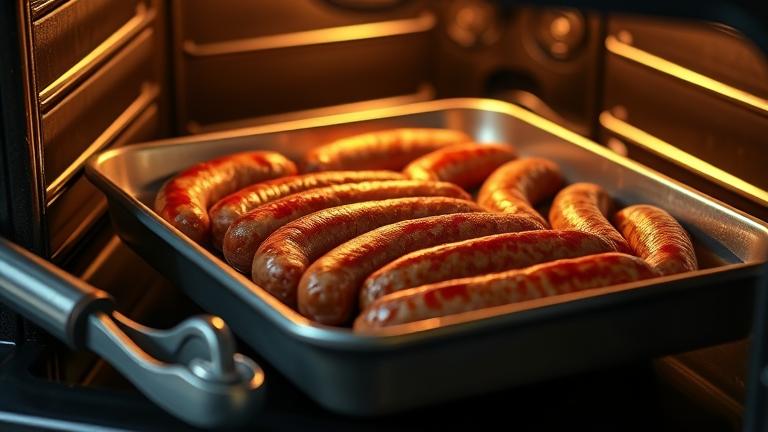
Preparing Deer Sausage for Baking
Getting your deer sausage ready for baking is an important step to ensure it turns out flavorful, juicy, and evenly cooked. Whether you’re using fresh sausage you’ve made yourself or store-bought varieties, a little prep can make a big difference. Proper handling, seasoning, and preparation help lock in the flavors and prevent any undercooked spots.
First, handle your deer sausage gently to avoid breaking apart the links or patties. If you’re working with fresh links, take a moment to inspect them. Remove any excess casing if desired, especially if it feels tough or thick. When shaping the sausage into patties or arranging links on a baking sheet, try to keep the pieces roughly the same size so they cook evenly.
Seasoning Before Baking
Most deer sausage is already seasoned, but you can enhance the flavor before baking. Lightly sprinkle with your favorite herbs or spices if needed. Common additions include garlic powder, paprika, black pepper, or a pinch of cayenne for some heat. If your sausage is plain, you might want to add these seasonings beforehand for a flavor boost.
For even seasoning, gently press the spices into the sausage or mix them lightly into the surface. If you like a more robust flavor, consider marinating the sausage for 30 minutes in a sealed container with some herbs, olive oil, and a splash of vinegar or lemon juice. This not only adds flavor but can also help keep the sausage moist during baking.
Below is a helpful YouTube video demonstrating how to prepare deer sausage for baking:
Ensuring Even Cooking
To make sure your deer sausage cooks through evenly, arrange the pieces with enough space between them on a baking sheet. Use a wire rack if possible; this allows heat to circulate around the sausage, promoting uniform cooking and browning. If you don’t have a rack, place the sausage directly on a parchment-lined baking sheet, turning halfway through cooking.
Preheat your oven to a temperature between 350°F and 375°F. Baking at this moderate heat helps the sausage cook evenly without drying out. Use a meat thermometer to check the internal temperature; it should reach at least 160°F to ensure safety and thorough cooking.
Additional Tips for Better Results
- Pattern your sausage pieces on the baking sheet so they are not touching, allowing hot air to circulate.
- If making sausage patties, gently press the edges to prevent them from puffing up unevenly.
- Rest the sausage for a few minutes after removing from the oven. This helps retain juices and improves flavor.
By taking a few simple steps before baking, your deer sausage will turn out tender, flavorful, and perfectly cooked. Remember to handle it gently, season thoughtfully, and check that the internal temperature reaches safety standards. Happy baking and enjoy your delicious deer sausage meal!
Best Oven Settings for Sausage Cooking
Cooking sausage in the oven is a simple way to prepare a delicious and juicy meal. Whether you’re making deer sausage or your favorite store-bought variety, setting the oven correctly is key. The right temperature helps ensure your sausage is cooked through without drying out or burning. In this section, you’ll learn the best oven settings for perfectly cooked sausage every time.
Generally, a moderate oven temperature works best for sausage. Too high, and the outside might burn while the inside remains raw; too low, and it can take too long to cook or become dry. Most recipes recommend baking sausage at temperatures between 350°F and 375°F (175°C to 190°C).
Recommended Oven Temperatures
- 350°F (175°C): This temperature is gentle yet effective. It helps the sausage cook evenly and keeps it juicy. It’s ideal for larger sausages or when you want a little more control over cooking. Expect about 25-30 minutes for standard sausage links or patties.
- 375°F (190°C): Slightly hotter, this setting cooks the sausage faster. It’s perfect for thinner links or patties that you want to be crispy on the outside. Cooking time is around 20-25 minutes.
Setting the Oven for Best Results
Preheat your oven to the chosen temperature before placing the sausage inside. This helps cook the sausage evenly from the start. Use a baking sheet lined with parchment paper or a wire rack placed on a baking sheet. A wire rack allows hot air to circulate around the sausage, giving it a nice, even color.
For best results, turn the sausage halfway through the cooking process. This ensures both sides are evenly cooked and browned. Use a timer to avoid overcooking and check the internal temperature with a meat thermometer. Sausage should reach an internal temperature of 160°F (71°C) for safe eating.
Tips for Perfectly Cooked Sausage
- Always preheat the oven to prevent uneven cooking.
- If your sausage is very thick, consider lowering the temperature slightly or increasing cooking time.
- Rest the sausage for a few minutes after removing from the oven. This allows juices to settle and keeps the sausage moist.
- Watch out for flare-ups or burning on the edges, especially if your sausage has a lot of fat or seasoning.
Remember, every oven is different, so it’s a good idea to keep an eye on your sausage the first few times you bake it. Adjust the temperature or cooking time as needed to get the perfect, juicy sausage you want. With the right settings, you’ll have a tasty, well-cooked sausage with minimal fuss.
Step-by-Step Deer Sausage Recipe
Cooking deer sausage in the oven is a simple and delicious way to enjoy this lean, flavorful meat. Whether you’ve made your own deer sausage or bought it from a trusted source, following these clear steps will help you achieve perfectly cooked, juicy links every time. Let’s go through the ingredients, preparation, and cooking process so you can serve up a tasty meal with confidence.
Gather Your Ingredients and Equipment
- Deer sausage links or patties
- Olive oil or cooking spray
- Optional: herbs and spices for extra flavor
- Meat thermometer
- Baking sheet or oven-safe dish
- Aluminum foil or parchment paper (for easy cleanup)
Having everything ready before you start makes the process smoother. If your deer sausage is frozen, be sure to thaw it in the refrigerator overnight for even cooking.
Prepare the Oven and Sausage
Preheat your oven to 375°F (190°C). While it heats, line your baking sheet with aluminum foil or parchment paper to make cleanup easier. If your sausage links are not already seasoned, you can sprinkle some herbs or spices on top to add extra flavor.
Arrange the sausage links or patties on the prepared baking sheet, leaving some space between each piece so they cook evenly. If you prefer a little extra crispness, brush the sausages lightly with olive oil or spray them with cooking spray.
Cooking Time and Temperature Checks
Place the sausage in the oven and bake for about 20 to 25 minutes. Cooking times may vary depending on the size and thickness of the sausage. It’s a good idea to flip the sausages halfway through cooking to promote even browning.
Use a meat thermometer to check the internal temperature. Deer sausage should reach at least 160°F (71°C) to ensure it is safely cooked and fully cooked through. Insert the thermometer into the thickest part of the sausage links or patties for an accurate reading.
Finishing Up and Serving
Once the sausages reach the proper internal temperature, remove them from the oven. Let them rest for a few minutes before serving; resting helps juices redistribute and keeps the sausage moist.
Serve your oven-cooked deer sausage with your favorite sides like roasted vegetables, mashed potatoes, or a fresh salad. Enjoy the savory flavors and the satisfaction of preparing a hearty, home-cooked meal.
Flavor Ideas to Enhance Your Sausage
Adding the right flavors can turn your deer sausage into a delicious masterpiece. Whether you’re making fresh batches or seasoning smoked links, experimenting with herbs, spices, and marinades can really elevate your sausage’s taste. Don’t be afraid to try different combinations to find what suits your palate best.
Start by thinking about the overall flavor profile you want. Do you prefer a smoky, spicy, or herby taste? Choosing the right seasonings will enhance the natural flavor of the deer meat and create a more exciting eating experience.
Herbs and Fresh Flavors
Herbs are a great way to add brightness and depth to your sausage. Popular choices include thyme, sage, and rosemary. These herbs provide a fragrant, earthy note that complements game meats well. Fresh herbs work best when added during mixing or as part of a marinade.
Another option is to incorporate garlic and onion powder. They add savory richness and a hint of sweetness. You can also experiment with chopped fresh herbs like parsley or basil for a lighter, fresh flavor.
Spices for Heat and Depth
Spices are essential for creating a bold, spicy sausage or a subtle warmth. Classic options include black pepper, paprika, and cayenne pepper. For a smoky flavor, try smoked paprika or chipotle powder. Ground cumin can add an earthy, slightly nutty taste that pairs well with deer meat.
If you like a hint of sweetness, a touch of brown sugar or honey can balance spicy and savory flavors. Consider adding a pinch of cinnamon or allspice for a unique twist that gives your sausage a hint of exotic aroma.
Marinades and Seasoning Blends
Marinating your deer meat before grinding can infuse it with extra flavor. Combine ingredients like soy sauce, Worcestershire sauce, garlic, and herbs in a simple marinade. Let the meat sit for a few hours or overnight in the fridge for maximum flavor absorption.
For convenience, you can also use pre-made seasoning blends such as sausage spice mixes or Italian herbs. Just be sure to customize the amount to suit your taste, keeping in mind that some blends may be salty or strong.
Creative Flavor Combinations to Try
- Garlic, rosemary, and black pepper for a classic savory taste.
- Cumin, chili powder, and smoked paprika for a smoky and spicy flavor.
- Maple syrup, sage, and a touch of cinnamon for a sweet and herbaceous profile.
- Hot sauce, cayenne, and onion powder for a fiery kick.
Tips for Perfectly Flavored Sausage
- Start with small batches when testing new flavor combinations. Adjust seasonings based on taste.
- Don’t forget to taste as you go, especially when blending spices or tweaking marinades.
- Balance is key. Too much salt can overpower, while too many strong spices may mask the meat’s natural flavor.
- Consider the cooking method. Flavors like herbs and delicate spices are best added in the mix, while bolder flavors can be added during cooking or smoking.
Common Mistakes and How to Avoid Them
Cooking deer sausage can be a delicious experience, but it’s easy to run into some common mistakes that might affect the flavor, texture, or safety of your sausage. Don’t worry—these mistakes are easy to prevent once you know what to watch out for. Here are some typical errors and practical tips to help you get perfect results every time.
1. Overcooking or Undercooking
One of the most common mistakes is not cooking the sausage properly. Deer sausage is leaner than pork or beef sausage, which means it can dry out if overcooked. Conversely, undercooking can pose health risks, especially since wild game might carry parasites or bacteria.
To avoid this, use a meat thermometer. The safe internal temperature for cooked deer sausage is 160°F (71°C). Insert the thermometer into the thickest part of the sausage to check. When it hits this temperature, it’s cooked through and safe to eat.
2. Not Pricking or Poking the Sausage
If you find that your sausage is bursting open or splitting during cooking, it’s likely because internal pressure has built up. This often happens when the sausage is cooked at too high a temperature or isn’t pricked beforehand.
To prevent this, prick the sausage with a fork or skewer a few times before cooking. This allows steam to escape, reducing the risk of splitting and keeping the sausage intact.
3. Skipping Proper Preparation
Failing to prepare the sausage correctly can lead to uneven cooking or poor texture. Make sure your sausage is at room temperature before cooking. Cold sausage straight from the fridge can cook unevenly, resulting in a raw center or a burnt exterior.
If you’re frying or grilling, allow the sausage to sit out for about 15-20 minutes. Also, avoid overcrowding the pan or grill. Giving each piece space ensures even heat distribution.
4. Not Using the Right Cooking Method
Different types of deer sausage may require different cooking methods. For example, fresh sausages are best cooked by frying, grilling, or baking, while smoked or cured sausages can be eaten as is or gently reheated.
Choosing the wrong method can result in a dry, tough sausage or one that isn’t flavorful. Read the recipe or packaging directions, and adjust your method accordingly.
5. Forgetting to Rest the Sausage
After cooking, it’s tempting to dig right in, but resting the sausage for a few minutes makes a big difference. Resting helps the juices redistribute inside, making the sausage juicier and more flavorful.
Just cover it loosely with foil and wait for 3-5 minutes before slicing or serving.
Tips to Keep in Mind
- Always use a thermometer to check doneness.
- Prick the sausage to prevent splitting.
- Allow sausage to reach room temperature before cooking.
- Choose the right cooking method based on the sausage type.
- Let the sausage rest after cooking to lock in juices.
By avoiding these common mistakes and following these simple tips, you’ll cook deer sausage that’s juicy, flavorful, and perfectly cooked every time. Happy cooking!
Serving Tips for Deer Sausage
Once your deer sausage is cooked to perfection, it’s time to serve it in a way that highlights its flavor and makes your meal special. Deer sausage has a rich, savory taste that pairs well with many sides and presentation styles. Whether you’re serving it for a family dinner or a special gathering, these tips will help you impress your guests and enjoy every bite.
Start by choosing a nice platter or serving dish. A wooden board, a rustic ceramic plate, or a simple white platter all work well. The goal is to make the presentation inviting and showcase the sausage. Cut the sausage into slices or rounds to make it easier for everyone to enjoy. Use a sharp knife to slice through the sausage evenly, about a quarter to half an inch thick.
Plating Suggestions
- Arrange slices neatly: Fan the slices out on the plate or stack them in a small pile for an inviting look.
- Add garnish: Fresh herbs like parsley, thyme, or rosemary add color and aroma. A sprinkle of cracked black pepper or paprika can also enhance visual appeal.
- Serve with dipping sauces: Mustard, cranberry chutney, or a sweet chili sauce are popular choices. Place small bowls of sauce around the sausage for dipping.
Side Dish Pairings
Deer sausage pairs beautifully with a variety of sides. Consider complementing the rich, gamey flavor with these options:
- Starchy sides: Mashed potatoes, roasted sweet potatoes, or a hearty bread like crusty baguette make great companions.
- Vegetables: Grilled asparagus, sautéed greens, or a fresh green salad add freshness and balance.
- Grains: Rice pilaf, couscous, or roasted quinoa add texture and absorb flavors well.
Presentation Ideas
For a more impressive look, consider these presentation tips:
- Use rustic or themed serving ware: Wooden boards or cast iron skillets give a cozy, hearty feel.
- Decorate with seasonal elements: Place sprigs of fresh herbs, lemon wedges, or small pumpkins around the platter for visual interest.
- Create a buffet: Set up a sausage station with all sides and garnishes so guests can serve themselves, making dinner interactive and fun.
Practical Tips
- Serve hot or warm: Deer sausage tastes best when heated through. Keep it warm in a covered dish or chafing dish if serving at a gathering.
- Timing is key: Plan to serve the sausage soon after cooking to keep it juicy and flavorful.
- Portion control: Slices or smaller pieces help guests take what they want and keep the presentation tidy.
With these serving tips, you’ll bring out the best in your deer sausage and create a memorable meal. Enjoy the process, get creative with presentation, and most importantly, savor every bite!
Perfect Pairings and Serving Suggestions
Deer sausage is a flavorful and hearty meat that pairs well with a variety of beverages, sides, and accompaniments to create a balanced and satisfying meal. Whether you prefer a classic, savory combination or something a bit more adventurous, there are plenty of ways to enhance your dining experience.
Start by thinking about beverages that complement the rich, gamey taste of deer sausage. Light-bodied beers like pilsners or pale ales refresh the palate without overpowering the meat. If you enjoy wines, choose red varieties with enough acidity to cut through the richness, such as Pinot Noir or a soft Merlot. For those who prefer non-alcoholic options, sparkling water with a splash of lemon or a robust iced tea works nicely to cleanse the palate between bites.
Sides and Accompaniments
The right sides can elevate your deer sausage meal. Popular choices include roasted vegetables, such as carrots, Brussels sprouts, or sweet potatoes. These add a touch of sweetness and balance out the savory sausage. Mashed potatoes, especially when flavored with herbs or a touch of garlic, provide a creamy contrast. For a bread option, serve crusty baguette slices or warm dinner rolls — perfect for making sausage sandwiches or soaking up juices.
Other excellent accompaniments are hearty salads, like a kale and apple salad with a vinaigrette, which offers a crisp, refreshing crunch. You can also serve sauerkraut or pickles for a tangy bite that cuts through the richness. For a more filling meal, consider polenta or rice pilaf seasoned with herbs or spices, adding a different texture and flavor profile.
Enhancing the Meal with Dips and Condiments
Adding a selection of dips and condiments can bring extra flavor to your deer sausage. Mustard, especially Dijon or whole grain, pairs wonderfully with sausage. Ketchup, spicy BBQ sauce, or a homemade onion jam can also work well, depending on your taste. If you enjoy spicy foods, a dash of hot sauce or sriracha can add a delightful kick.
Presentation Tips
For an appealing presentation, slice the deer sausage into evenly sized pieces and arrange them on a platter alongside colorful sides. Garnish with fresh herbs like parsley or thyme for a touch of freshness. Serving the meal family-style encourages sharing and makes the dining experience more inviting.
Remember, the key to a perfect pairing is balancing flavors and textures. Don’t be afraid to mix and match based on your preferences. With these ideas, your deer sausage meal will be both delicious and memorable.