
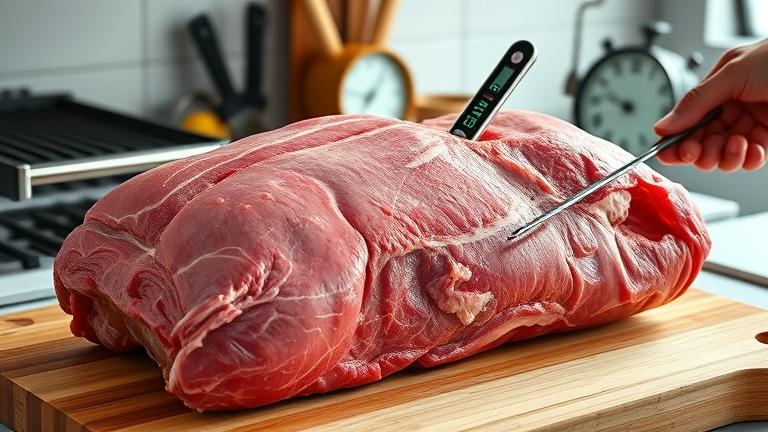
How to Prepare Your Brisket for Cooking
Preparing a 12 lb brisket might seem intimidating at first, but with the right steps, you can ensure it turns out flavorful and tender. The key is in proper trimming, seasoning, and sometimes marinating. Let’s walk through each step so you can get your brisket ready for the oven or smoker.
1. Trimming the Brisket
Start by placing your brisket on a clean cutting board. Use a sharp knife to remove excess fat. You want to leave about a quarter-inch of fat on the surface, enough to keep the meat moist during cooking. Remove any silver skin, the thin, shiny membrane that can be tough and prevent seasonings from penetrating.
Pay special attention to trimming uneven fat or hard patches. Also, remove any loose pieces or large chunks of fat that won’t render down. A well-trimmed brisket cooks more evenly and takes on seasonings better.
2. Applying Seasonings and Rubs
Once trimmed, it’s time to season your brisket. A simple dry rub works wonderfully, combining salt, pepper, garlic powder, and paprika for flavor and color. For more flavor, consider adding onion powder, cumin, or chili powder.
Rub the mixture evenly across all sides of the meat. Don’t be shy—use a generous amount, especially if you’re smoking the brisket, so the flavors seep into the meat. After seasoning, you can let the brisket sit for at least an hour, or even overnight in the fridge, to enhance the flavor.
3. Marinating for Extra Moisture and Flavor
If you want more tenderness and flavor, marinating your brisket is a great choice. Prepare a marinade using ingredients like Worcestershire sauce, soy sauce, garlic, and herbs. Submerge the brisket in the marinade, cover it tightly, and refrigerate for 4 to 12 hours.
Marinating helps infuse the meat with moisture and can also break down some connective tissues for easier chewing. Be sure to pat the brisket dry before cooking to allow for good browning and smoke adhesion.
Additional Tips for Success
- Always wash your hands and clean your tools after handling raw meat.
- Use a meat thermometer to check for doneness and prevent overcooking.
- Allow the brisket to come to room temperature before cooking to ensure even cooking.
With these simple steps—trimming properly, seasoning generously, and marinating if desired—you’ll be well on your way to cooking a juicy, flavorful brisket. Take your time, and don’t rush the process. Proper prep is the secret to a delicious result!
Ideal Cooking Techniques for a Big Brisket
Cooking a large brisket can seem daunting at first, but with the right techniques, you can achieve tender, flavorful results that impress family and friends alike. Brisket is a tough cut of meat that benefits from low and slow cooking methods. Whether you’re smoking, roasting, or slow cooking, choosing the right technique ensures the brisket becomes juicy, tender, and full of flavor.
1. Smoking Brisket
Smoking is perhaps the most popular method for cooking big briskets, especially for barbecue lovers. It allows the meat to develop a deep smoky flavor while breaking down connective tissues for that melt-in-your-mouth texture.
To start, prepare your smoker by preheating it to a temperature of about 225-250°F (107-121°C). Season your brisket generously with a dry rub—common ingredients include salt, pepper, garlic powder, and paprika.
Place the brisket fat side up on the smoker grates. Smoke it slowly for about 1 to 1.5 hours per pound, which for a large brisket can mean 10 to 16 hours. Keep an eye on the internal temperature using a meat thermometer. When it reaches around 195-205°F (90-96°C), it’s ready. Remember to wrap the brisket in foil or butcher paper halfway through to keep it moist, a technique called the Texas Crutch.
Patience is key here. After smoking, let the brisket rest for at least 20 minutes before slicing. This helps retain juices and improve tenderness. Smoking does take time, but the rich flavor and tender texture make it worth the effort.
2. Roasting in the Oven
Roasting is a straightforward way to cook a big brisket if you don’t have a smoker. It produces a similar tender result, especially when cooked slowly at a low temperature.
Preheat your oven to 275°F (135°C). Apply your favorite spice rub or marinate the brisket overnight for extra flavor. Place the brisket on a roasting pan, fat side up, and cover it tightly with foil.
Cooking time varies depending on size, but plan for about 1 to 1.5 hours per pound. Use a meat thermometer to check for doneness—look for an internal temperature of around 195°F (90°C). During the last hour of cooking, you can baste the brisket with broth or pan juices to keep it moist.
Once done, remove the brisket from the oven and let it rest, covered loosely with foil, for at least 30 minutes. Resting allows juices to redistribute, resulting in a more flavorful and tender slice.
3. Slow Cooking (Crockpot or Dutch Oven)
Slow cooking is an easy, hands-off method perfect for big briskets. It’s ideal if you want a set-it-and-forget-it approach that still yields tender meat.
You can use a slow cooker or a large Dutch oven. First, season or marinate your brisket. For extra flavor, sear the meat in a hot skillet for a few minutes on each side before slow cooking.
Add aromatics like onions, garlic, and beef broth to the slow cooker or Dutch oven. Set the slow cooker to low and cook for 8 to 10 hours for a large brisket. In a Dutch oven, it might take about 4 to 6 hours at 300°F (150°C) covered with a lid.
Check the internal temperature, aiming for around 195-205°F (90-96°C). The meat should be very tender and easy to shred or slice. Always let it rest for about 15 minutes before slicing.
Tips for Perfect Big Brisket
- Always bring the meat to room temperature before cooking to promote even cooking.
- Use a reliable meat thermometer to prevent overcooking or undercooking.
- Rest meat after cooking—wrap it in foil and let it sit for at least 30 minutes. This helps keep it juicy and tender.
- Adjust cooking based on how the meat feels and responds. Don’t rely only on time; internal temperature is key.
Following these techniques, you can confidently cook a big brisket that is flavorful, tender, and perfect for any gathering.
Temperature Tips for Perfect Results
Cooking brisket to perfection starts with understanding the right temperature range. Brisket is a tougher cut of meat that benefits from slow, low-temperature cooking to become tender and flavorful. Typically, you want to aim for an internal temperature between 195°F and 205°F (90°C to 96°C) for the best results.
Using a reliable meat thermometer is essential. It helps you monitor the internal temperature accurately, preventing overcooking or undercooking. Many home cooks forget that internal temperature, not cooking time alone, determines when brisket is ready.
Maintaining consistent heat during the cooking process is key. Whether you’re smoking, roasting, or slow-cooking, fluctuations in temperature can lead to uneven results. Investing in a good grill or oven thermometer, or even a digital probe thermometer, can make a big difference. These tools let you keep track of the heat without opening the lid too often, which can cause temperature drops and extend cooking time.
Temperature Ranges and their Significance
- Low and slow (225°F to 250°F / 107°C to 121°C): Ideal for smoking or slow-roasting brisket. This gentle heat breaks down connective tissue, making the meat tender.
- Maximizing tenderness (195°F to 205°F / 90°C to 96°C): When the internal temp reaches this zone, collagen melts, giving you that melt-in-your-mouth texture. Avoid removing the brisket too early, as it may be tough.
Tips for Maintaining Consistent Heat
- Choose the right equipment: Use a smoker, oven, or slow cooker that can hold steady temperatures. Thumbs up for models with built-in thermometers.
- Preheat properly: Always let your oven or smoker reach the target temperature before putting in the brisket. This helps cook the meat evenly from the start.
- Avoid frequent opening: Resist the urge to open the lid or door frequently. Every time you do, heat escapes, and cooking slows down.
- Use a water pan: Placing a water pan in the smoker or oven can help stabilize the temperature and keep the environment moist, promoting tender meat.
Final Tips for Perfect Brisket
- Let the brisket rest after cooking—at least 30 minutes—before slicing. Resting allows juices to redistribute, resulting in a moister, more flavorful piece of meat.
- Use your meat thermometer to check the temperature sensation in the thickest part of the brisket. Avoid piercing the meat too often, as slicing early can cause juices to escape.
- If the brisket reaches the desired temperature but is not yet tender, give it more time at the same heat. Patience is key for all low-and-slow methods.
Remember, controlling the temperature is anyone’s best friend when cooking brisket. With the right tools, attention to detail, and patience, you’ll get that perfectly cooked brisket every time. Happy smoking!
Cooking Time Guidelines for a 12 lb Brisket
Cooking a 12-pound brisket can seem tricky at first, but with some basic guidelines, you’ll be well on your way to a delicious, tender result. The key is to understand how different cooking methods and temperatures affect the time needed to perfectly cook your brisket. Whether you’re smoking, roasting, or slow cooking, these estimates will help you plan accordingly.
Brisket is a tough cut of meat that benefits from slow, low-temperature cooking. This breaks down the connective tissues and makes the meat tender and flavorful. The most common methods are smoking, oven roasting, and slow cooking, each requiring different times and temperatures.
Smoking a 12 lb Brisket
If you’re smoking your brisket, a common approach is to set your smoker at around 225°F (107°C). Expect to cook the brisket for approximately 1 to 1.5 hours per pound. For a 12 lb brisket, that translates to about 12 to 18 hours of smoking. Keep in mind, every piece of meat is different, and factors like the smoker’s consistency can influence cooking time.
It’s important to monitor the internal temperature of the meat rather than relying solely on time. Aim for an internal temperature of about 195°F to 205°F (90°C to 96°C) for fully tender brisket that pulls apart easily.
Oven Roasting a 12 lb Brisket
For oven roasting, set your oven to a low temperature like 275°F (135°C). Typically, a brisket takes about 1 to 1.5 hours per pound at this heat level. So, plan for roughly 12 to 18 hours of cooking time. Cover the brisket with foil or a lid to keep the meat moist during the long bake.
Again, the best indicator is the internal temperature. When the meat reaches 195°F to 205°F, it’s ready. Rest the meat for at least 30 minutes before slicing to allow the juices to settle and enhance tenderness.
Slow Cooking a 12 lb Brisket
If you prefer the convenience of a slow cooker, you can cook a brisket on low for 8 to 10 hours. Ensure there’s enough liquid in the cooker to keep the meat moist—usually about 1 cup of broth or water. Check periodically, and turn the meat if possible, to promote even cooking.
The slow cooker method results in very tender brisket, but it might be a bit less smoky and crusty compared to smoking or roasting. The internal temperature should still reach around 195°F to 205°F (90°C to 96°C) for best results.
Important Tips to Remember
- Always use a reliable meat thermometer. It’s the best way to tell when your brisket is done.
- Plan for extra time. Brisket can take longer than estimated, especially if it’s wrapped tightly or cooked in a colder environment.
- Allow the meat to rest after cooking. Wrap it in foil and let it sit for at least 30 minutes. This helps keep it juicy and tender.
- Adjust cooking based on how the meat feels and responds. Don’t rely only on time; internal temperature is key.
Following these guidelines will give you a good starting point for cooking your 12 lb brisket to perfection. Remember, patience and thermometers are your best friends for achieving that melt-in-your-mouth tenderness.
How to Know When Your Brisket Is Done
Knowing when your brisket is perfectly cooked can be tricky, but with some simple tips, you’ll be able to tell when it’s just right. The key indicators include internal temperature, tenderness, and appearance. Paying attention to these clues will help you avoid dry or undercooked meat and serve a juicy, flavorful brisket every time.
Checking the Internal Temperature
The most reliable way to see if your brisket is done is by measuring its internal temperature with a meat thermometer. For brisket, the target temperature usually falls between 195°F and 205°F (90°C to 96°C). This range ensures the collagen in the meat breaks down properly, making it tender and easy to slice.
Insert the thermometer into the thickest part of the meat, avoiding bones or fat. Hold steady and wait for the reading. Remember, it may take several hours to reach this temperature, depending on the size of your brisket and your cooking method. When it reaches the target range, it’s time to check for tenderness.
Tenderness Test
Once your brisket hits the right temperature, perform a tenderness test. Use a fork or skewer and gently poke the brisket in several spots. If the meat slides in easily and feels soft, it’s a good sign that it’s cooked through. It’s similar to checking a roasted potato for doneness.
Be careful not to over-test or poke too hard, as this can lead to losing juices. Remember, even after hitting the temperature, brisket may need a little extra resting time to become perfectly tender. If the meat still feels firm, give it more time and recheck later.
Visual Cues
Good visual signs also help you determine if your brisket is ready. Look for a rich, dark bark on the outside, which indicates caramelization and flavor development. The outer crust should look deep and glossy, not burnt or overly charred.
When you insert a thermometer and it reads the right temperature, the meat should be slightly pull-apart tender. Keep an eye out for juices glistening on the surface— a sign that the meat is moist. Also, gently wiggle the meat; it should feel a little loose, not stiff. If it still feels tough and resistant, give it more time.
Additional Tips
- Always use a good quality meat thermometer for accurate readings.
- Rest the brisket at least 30 minutes before slicing. This allows the juices to redistribute, making it more tender.
- Remember, don’t rely solely on time estimates. Every brisket is different, and factors like size, smoker temperature, and meat quality affect cooking times.
- If you’re unsure, cook it a bit longer rather than risking underdone meat. It’s better to be safe and get tender, well-cooked brisket.
Common Mistakes to Avoid When Cooking Brisket
Cooking brisket can seem simple, but it’s easy to make mistakes that affect the final result. Whether you’re new to brisket or have cooked it before, knowing what to watch out for helps you get delicious, tender meat every time. In this guide, we’ll cover common errors like overcooking, under-seasoning, and improper resting, along with practical tips to avoid them.
Overcooking or Undercooking the Brisket
One of the biggest mistakes people make is cooking the brisket too long or not long enough. Overcooking can cause the meat to become dry and tough, while undercooking can leave it tough and chewy. Brisket needs slow, low heat to break down its tough connective tissues.
To prevent this, use a meat thermometer. Aim for an internal temperature of about 190°F to 205°F. When the thermometer reaches this range, the meat should be tender and easy to carve. Remember that the cooking time varies depending on the size of your brisket and your cooking method.
Under-Seasoning the Meat
Another common mistake is not seasoning the brisket properly. A lack of flavor can turn a potentially delicious dish into a bland meal. Brisket benefits from a good rub or marinade that enhances its natural flavor.
Don’t be shy with seasoning! Use a blend of salt, pepper, garlic powder, and paprika for a simple yet tasty rub. Apply it generously and let the meat sit for at least an hour before cooking, or overnight for deeper flavor. Tasting your seasoning before cooking helps ensure your brisket is flavorful.
Skipping or Improper Resting
Resting the brisket properly is crucial. Many people cut into it right away, which causes the juices to escape and results in dry meat. Let the cooked brisket rest, covered loosely with foil, for at least 15 to 30 minutes.
This allows the juices to redistribute throughout the meat, making each slice moist and tender. If you cut too soon, you risk losing all your flavorful juices on the cutting board. Remember, patience pays off with a juicy, perfectly cooked brisket.
Failing to Maintain a Consistent Temperature
Cooking brisket requires a steady, low temperature. Fluctuations in heat can cause uneven cooking, resulting in some parts being overdone while others are underdone. Use a reliable smoker or oven thermometer to monitor your temperature constantly.
If you’re using a smoker, try to keep the temperature between 225°F and 250°F. Adjust the heat as needed to maintain this range. Consistency helps ensure your brisket cooks evenly and stays tender.
Ignoring the Importance of Preparation
Lastly, skipping proper preparation can lead to disappointing results. Trim excess fat to prevent flare-ups and drips, but leave some for flavor and moisture. Also, consider marinating or applying a dry rub the day before to deepen the flavor.
Good preparation sets the stage for a successful cook. Make sure your cooking equipment is clean, your meat is ready, and you have all your ingredients measured out before you start. This helps prevent rushed decisions or mistakes during the process.
- Use a good-quality thermometer to monitor internal temperature.
- Season the meat generously and early for better flavor.
- Allow plenty of time for resting before slicing.
- Maintain a steady cooking temperature throughout.
- Prepare everything in advance to stay organized.
Delicious Sides to Complement Your Brisket
When you serve brisket, choosing the right sides can really elevate your meal. The goal is to find accompaniments that complement the smoky, tender meat without overpowering it. Luckily, there are many tasty options that work well with brisket, whether you prefer classic comfort foods or something a little different.
Good sides should add variety and balance to your plate. Think about textures, flavors, and colors — a mix of crispy, creamy, tangy, and savory elements helps create a well-rounded meal. Here are some of the most popular sides to serve alongside your brisket:
Classic Vegetables and Salads
- Baked beans: Sweet and smoky baked beans are a traditional pairing. They bring a hearty, slightly sweet flavor that complements the richness of the brisket.
- Coleslaw: A crunchy, tangy coleslaw adds freshness and a nice contrast to the tender meat. For a twist, try adding apple slices or a splash of vinegar dressing.
- Grilled corn on the cob: Juicy and slightly charred, corn on the cob pairs beautifully with smoked meats. Brush it with butter and sprinkle some salt or chili powder for extra flavor.
Hearty Starches
- Cheesy mashed potatoes: Creamy mashed potatoes with melted cheese or a drizzle of gravy make a comforting side that absorbs the flavors of your roast or sauce.
- Cornbread: Slightly sweet and crumbly, cornbread is easy to serve and always popular with brisket. Consider adding jalapenos or honey for extra zing.
- Baked sweet potatoes: Roasted sweet potatoes bring a natural sweetness that balances smoky flavors. Top them with a bit of butter or a sprinkle of cinnamon for added warmth.
Pickles, Relishes, and Sauces
- Pickles: Crisp and acidic, pickles cut through the richness of the brisket and refresh the palate. Dill pickles or pickled peppers are classics.
- Barbecue sauce: A good barbecue sauce can add a smoky, tangy layer to your brisket. Serve it on the side or drizzle it over the meat.
- Chimichurri: This herby, oil-based sauce made with parsley, garlic, vinegar, and olive oil enhances grilled flavors and adds bright freshness.
Additional Tips for Perfect Pairings
- Choose sides that match the flavor profile of your brisket—if your brisket is heavily smoked, lighter sides like salads work well.
- Offer a mix of textures—crunchy, creamy, and chewy sides make the meal more interesting.
- Prepping sides ahead of time saves stress during the meal. Many dishes, like baked beans or coleslaw, can be made the day before.
- Balance is key—avoid sides that are too sweet or too heavy if your brisket is rich and smoky.