
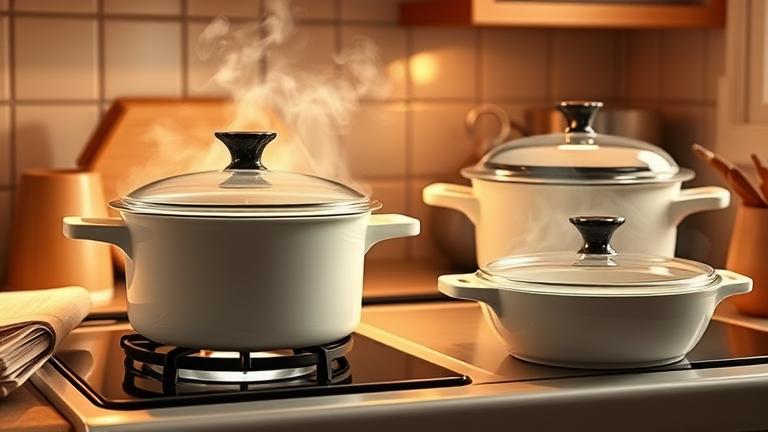
What Is CorningWare? An Overview
CorningWare is a well-known brand of cookware that many home cooks and chefs trust. It has a long history and a reputation for durable, versatile baking dishes. Whether you’re baking, roasting, or storing leftovers, CorningWare can be a helpful addition to your kitchen.
The story of CorningWare begins in the 1950s when a company called Corning Inc. developed a special type of glass-ceramic material. This material was designed to withstand high temperatures and sudden changes in heat, making it ideal for kitchen use. The original product was called “Corelle,” a line of lightweight, durable glassware. But the most famous part of the line became CorningWare, introduced in the 1950s and quickly gaining popularity.
CorningWare is made from a glass-ceramic called Pyroceram. This material is non-porous, meaning it doesn’t absorb stains or odors. It’s also microwave, oven, and dishwasher safe. These features make CorningWare very convenient for everyday cooking and cleaning.
One of the main reasons people love CorningWare is its ability to go from oven to table. You can easily take a dish straight from the oven, serve it at the table, and then store leftovers in the same dish in the fridge. There are many different shapes and sizes to fit whatever you’re cooking, from small ramekins to large baking dishes.
CorningWare is often used for casseroles, baked desserts, and even reheating pre-cooked meals. Its heat resistance means you can bake at high temperatures without worrying about cracking or breaking. Plus, its attractive design makes it look good on the dinner table.
Over the years, CorningWare has expanded beyond just the classic white or patterned dishes. Today, you can find a range of colors and styles that match your kitchen decor. Some lines also include lids that help keep food fresh and prevent spills.
- Durable and long-lasting thanks to Pyroceram material
- Safe for oven, microwave, freezer, and dishwasher
- Great for baking, roasting, storing, and reheating food
- Available in many sizes and styles for different cooking needs
Knowing a bit about CorningWare’s history and qualities can help you appreciate its place in your kitchen. Whether you’re just starting to explore baking dishes or are already a fan, CorningWare’s reliable performance and versatility make it a favorite for many home cooks around the world.
Is CorningWare Safe for Cooking? Explained
If you’re wondering whether CorningWare is safe to use in your kitchen, you’re not alone. Many home cooks love this popular dishware for its durability and classic look. But safety is always a top concern when it comes to cookware. Let’s explore what makes CorningWare a trusted choice, along with some tips to use it safely.
CorningWare is well-known for its heat resistance and ability to go from the oven to the table. It is made primarily from a type of glass-ceramic called Pyroceram. This material was developed by Corning Incorporated in the 1950s, and it is specially designed to withstand high temperatures without cracking or breaking. Because of this, CorningWare can handle the heat of your oven, microwave, and even the stovetop in some cases.
One common misconception is that all CorningWare is made from the same material. You might find older pieces that have a ceramic or stoneware look with a glass coating, while newer products are mostly the glass-ceramic Pyroceram. The newer versions are generally more resistant to thermal shock, which means they won’t crack if you move them from hot to cold quickly. This is a big safety plus, especially when taking hot dishes out of the oven and serving immediately.
How Safe Is CorningWare?
CorningWare is considered safe for most cooking tasks when used properly. It does not contain harmful chemicals like BPA, which are sometimes found in plastic containers. Unlike some other cookware, CorningWare is non-reactive, meaning it won’t release metals or chemicals into your food during cooking. This makes it a trustworthy choice for baking, roasting, or reheating leftovers.
However, safety precautions are important. Avoid sudden temperature changes with older CorningWare, especially if you have a vintage piece. For example, don’t pour cold liquids into a hot dish, as this could cause cracking. Always check your cookware for chips or cracks before using it. Damaged pieces lose their integrity and could break during use.
Tips for Safe Use of CorningWare
- Follow the manufacturer’s instructions regarding oven and microwave use.
- Avoid direct heat on stovetop unless the cookware is specifically labeled as stovetop compatible.
- Allow hot dishes to cool slightly before cleaning or adding cold liquids.
- Inspect for damage before use. Do not use chipped or cracked pieces.
- Never use CorningWare in a direct flame or under a broiler unless specified safe by the manufacturer.
| CorningWare Material Type | Heat Resistance | Use Recommendations |
|---|---|---|
| Pyroceram (Newer models) | High, withstands oven, microwave, and dishwasher | Safe for baking, reheating, and serving |
| Old Ceramic/Stoneware with Glass Coating | Moderate, avoid extreme temperature changes | Use with caution, avoid direct stovetop heating |
Overall, CorningWare is a safe and reliable choice for everyday cooking when used correctly. Its heat-resistant qualities and non-reactive material make it a favorite in many kitchens. Just remember to handle it with care, keep an eye out for damage, and follow basic safety tips to enjoy its benefits safely. Whether you are baking a casserole or reheating leftovers, CorningWare can be a versatile addition to your cookware collection.
Common Concerns About CorningWare
Many home cooks have questions and worries about using CorningWare, especially when it comes to safety and durability. It is a popular choice for baking and serving because of its versatility, but some concerns often come up. Let’s address these common worries so you can feel confident using your CorningWare dishes.
Will CorningWare Crack or Break Easily?
One of the biggest concerns is whether CorningWare can crack or break easily. Many people worry about thermal shock, which happens when a hot dish suddenly faces cold air or water. Fortunately, CorningWare is designed to withstand this kind of temperature change. It is made from a special glass-ceramic called Pyroceram, which is very resistant to cracking.
However, like all glass products, CorningWare can break if dropped or handled roughly. To keep your dishes in good shape, avoid sudden impacts, and don’t handle hot dishes with cold towels or cold surfaces.
Is It Safe to Use in the Oven and Microwave?
CorningWare is known for being safe in both the oven and microwave. It can handle high oven temperatures, making it perfect for baking casseroles and roasting vegetables. Use oven mitts when removing hot dishes to prevent burns.
In the microwave, CorningWare heats food evenly. Just avoid covering it with airtight lids that don’t vent, as pressure can build up. Always follow the manufacturer’s instructions about heat limits and avoid using CorningWare on a stovetop or open flame, which can cause damage.
Are There Any Chemical Safety Concerns?
Some people worry about chemicals leaching into food from kitchenware. CorningWare is made from a non-porous, glass-like material that does not contain harmful chemicals like PFOA or PTFE, which are found in some non-stick coatings.
This means you can cook, bake, and serve food in CorningWare without worries about chemicals contaminating your meals. Still, avoid using abrasive cleaners or metal scrubbers that could scratch the surface, potentially harboring bacteria or causing damage over time.
Can CorningWare Be Used for Freezing and Then Reheated?
Yes, CorningWare is safe for freezer storage and can be used directly from the freezer to the oven or microwave. This makes it super convenient for batch cooking or leftovers. Just make sure to let hot dishes cool at room temperature before placing them in the freezer to prevent thermal shock or cracking.
Common Tips for Safe and Long-Lasting Use
- Always handle hot CorningWare with oven mitts or pot holders.
- Avoid sudden temperature changes, such as placing a hot dish into cold water.
- Use non-metallic utensils to prevent scratching the surface.
- Check for cracks or chips before using to avoid injury or further damage.
Understanding these safety features and handling tips can help you enjoy your CorningWare for many years. It’s a durable, safe, and versatile kitchen tool when used properly. If you follow these guidelines, you can cook, bake, and serve with confidence without worries about cracking, safety concerns, or chemical exposure.
How to Use CorningWare Safely
CorningWare is a popular and versatile cookware choice in many kitchens. It’s durable, heat-resistant, and great for baking, roasting, and serving food. However, to keep your CorningWare in good shape and avoid accidents, it’s important to follow some safety guidelines and best practices.
Understanding how to handle CorningWare properly can prevent cracks, chips, or even breakage. It also helps ensure your food cooks evenly and safely. Let’s look at essential tips for using CorningWare with confidence.
Know the Temperature Limits
CorningWare is designed to withstand high temperatures, but it’s important to be aware of its safety limits. Most CorningWare pieces can handle temperatures from 250°F (121°C) up to 450°F (232°C). Certain older or vintage pieces may have lower temperature tolerances, so check any packaging or manufacturer instructions.
Avoid exposing CorningWare to sudden temperature changes, which can cause cracking. For example, don’t take a hot dish straight from the oven and plunge it into cold water. Doing so causes thermal shock, which is a common reason for damage.
Handle with Care
Always use oven mitts or pot holders when handling hot CorningWare. The glass can become very hot during cooking or baking, even if it looks cool to the touch. Be cautious when removing dishes from the oven or microwave.
Allow your cookware to cool down naturally before washing or storing. Rapid cooling, especially under cold water, can lead to cracks. When washing, use warm, soapy water. Avoid using abrasive scrubbers that may scratch the surface.
Use Appropriate Cooking Appliances
CorningWare is compatible with many cooking appliances, including traditional ovens, microwave ovens, and stovetops. However, not all CorningWare pieces are suitable for all types of heat sources.
- Oven: It works well in most oven baking situations. Just remember the temperature limits and avoid direct contact with open flames.
- Microwave: It heats evenly in microwave ovens. You can cover the dish with a microwave-safe lid or wrap to prevent splatters.
- Stovetop: Only use stovetop-safe CorningWare products. Most are not designed for direct stove contact unless labeled as stovetop-safe.
Check your product’s label or manufacturer’s instructions if you’re unsure. Using the wrong appliance can lead to warping or cracking.
Additional Tips for Safe Use
- Do not use CorningWare on a grill or under a broiler unless it’s specifically marked for such use.
- Avoid using sharp utensils inside the dish to prevent scratches.
- If a crack or chip appears, consider replacing the dish. Small cracks can harbor bacteria or worsen over time.
- Store CorningWare in a safe place where it won’t be knocked or stacked with heavy items that could cause damage.
By following these simple tips, you can enjoy your CorningWare for years to come. Its safe use not only protects you but also preserves the beauty and functionality of your cookware. Remember to always check the manufacturer’s guidance for specific products, and handle your CorningWare with care during every step of your cooking routine.
CorningWare vs. Other Cookware Types
When choosing the right cookware for your kitchen, it helps to understand the differences between CorningWare and other common materials like glass, ceramic, and metal. Knowing these differences can help you pick cookware that best fits your cooking style, safety needs, and durability expectations.
CorningWare is a popular choice because it combines the look of glass and ceramic with the practicality of oven-safe cookware. It’s made from a special glass-ceramic material called Pyroceram, which can withstand high temperatures without cracking or warping. This makes CorningWare excellent for baking, roasting, and even microwave cooking. Plus, it’s safe to go from oven to table, adding a nice touch to your presentation.
In comparison, regular glass cookware is transparent and often used for baking dishes or mixing bowls. While glass is safe and heats evenly, it can be more fragile than CorningWare. It tends to crack or shatter if subjected to rapid temperature changes, such as taking it straight from the freezer to a hot oven. So, glass cookware requires careful handling and gradual temperature shifts.
Ceramic cookware shares similarities with CorningWare in its non-metallic, often glazed surface. Ceramic pots and pans are known for their excellent heat retention and non-stick surfaces, especially if they have a modern non-stick coating. However, many ceramic cookware pieces are not oven safe at very high temperatures or can crack if exposed to sudden temperature changes. Always check the manufacturer’s guidelines to ensure safe use, especially for high-temperature cooking or baking.
Metal cookware, such as stainless steel, cast iron, or aluminum, offers unmatched durability and excellent heat conduction. Stainless steel pots are popular for their longevity and ability to brown foods well. Cast iron pans are prized for even heating and superb heat retention, ideal for searing and frying. Aluminum cookware heats up quickly and is lightweight, making it easy to handle. However, metal cookware isn’t typically oven safe for all types, especially if it has plastic or rubber handles, or thin construction that warps over time.
Safety is an important factor in cookware choice. CorningWare is heat-resistant and microwave safe, reducing risks of breakage and chemical leaching. Glass cookware is also generally safe but requires careful handling to avoid shattering. Metallic cookware is safe for stovetop and oven use but can sometimes react with acidic foods, especially in certain types of metal like aluminum.
Durability varies a lot. CorningWare is quite resistant to chipping and cracking thanks to its glass-ceramic construction. Glass cookware can be fragile and prone to breaking if dropped. Ceramic may chip or crack if handled roughly, though some modern designs are more durable. Metal cookware often lasts for decades if properly maintained, making it a good investment.
Performance-wise, CorningWare heats evenly and retains heat well, which helps in cooking dishes uniformly. Metal pans may heat faster or more evenly, depending on their construction. Glass and ceramic can also distribute heat nicely but tend to take longer to heat up. Choose your cookware based on what dishes you plan to prepare and the cooking methods you prefer.
- CorningWare is versatile, oven and microwave safe, and durable against thermal shocks.
- Glass cookware is best for gentle baking and needs careful temperature changes.
- Ceramic offers good heat retention but check oven safety limits.
- Metal cookware excels in durability, heat conduction, and searing abilities.
Tips for Maintaining CorningWare
CorningWare is a versatile and durable cookware that many home cooks rely on. To keep your pieces looking good and functioning well for years, proper cleaning, storage, and handling are important. With a few simple tips, you can enjoy your CorningWare safely and extend its lifespan.
Cleaning Your CorningWare
Cleaning is straightforward, but it’s best to avoid harsh abrasives or metal scrubbers that can scratch the glass-ceramic surface. After cooking, let the dish cool slightly before washing. Use warm water, a mild dish soap, and a soft sponge or cloth. For stubborn stains or stuck-on food, soak the dish in warm soapy water for 15-20 minutes, then gently scrub.
If you notice any cloudy film or discoloration, try a baking soda paste made with water. Apply it to the affected area, let sit for a few minutes, then scrub gently. For white or cloudy spots, vinegar diluted with water can help restore clarity. Remember, always avoid sudden temperature changes, such as pouring cold water into a hot dish, to prevent cracking or shattering.
Handling and Using CorningWare
While CorningWare is microwave, oven, and dishwasher safe, follow manufacturer guidelines for maximum temperature limits and proper use. Never use CorningWare directly over an open flame or on a stovetop unless explicitly designed for it. Sudden temperature changes can cause damage, so always allow hot dishes to cool slightly before cleaning or storing.
Handling your cookware with care is also key. Use oven mitts when removing hot items from the oven to prevent accidental drops. Be gentle when stacking your dishes to avoid chipping edges. If a piece shows cracks or chips, it’s safer to retire it from regular use to prevent breakage during cooking or handling.
Storage Tips for Longevity
- Store CorningWare in a cool, dry place away from direct sunlight. Excess heat or sunlight can cause discoloration over time.
- If stacking multiple pieces, place soft cloths or paper towels between them to prevent scratches or chips. This is especially important for dishes with decorative patterns or delicate edges.
- Keep lids separate or place a paper towel between the lid and the dish if stacking to avoid scratches or sticking. For storage, ensure lids are dry and not warped, which could break the seal or cause scratches.
- For long-term storage, avoid wrapping CorningWare in plastic wrap or aluminum foil, which can trap moisture and lead to staining.
Common Mistakes to Avoid
- Using abrasive cleaners or steel wool can scratch the surface and diminish appearance.
- Pouring cold liquids into hot dishes can cause thermal shock, leading to cracks.
- Overloading or stacking heavy items can cause chips or cracks over time.
- Skipping proper drying after washing can lead to water spots or mold growth in lids and crevices.
With these simple tips, you can keep your CorningWare in top shape for many meals to come. Proper cleaning, careful handling, and thoughtful storage will help preserve its beauty and functionality. Enjoy cooking and serving in your trusted CorningWare for years to come!
Final Verdict: Is CorningWare a Safe Choice?
After exploring the safety and versatility of CorningWare, it’s clear that this popular cookware is generally a safe and reliable option for home cooks. Its reputation for durability and resistance to oven temperatures makes it a favorite in many kitchens. Most importantly, knowing how to use and care for CorningWare properly can help prevent any potential safety issues.
CorningWare is made from a type of glass-ceramic called Pyroceram. This material is specially designed to withstand high heat, which means you can go from oven to table without worries. It also resists chipping and cracking under normal use, adding to its safety profile. However, it’s essential to note a few precautions. Sudden temperature changes, like placing hot dishes directly into cold water, can cause thermal shock and break the dish. To stay safe, always allow hot dishes to cool slightly before washing or avoid extreme temperature shifts.
Many people wonder if CorningWare is safe for microwave use. The answer is usually yes. Since it is microwave-safe, you can reheat leftovers directly in your CorningWare dish. Just be sure to remove any metal trims or decorations, as metal can cause sparks or fires in the microwave. Also, avoid using CorningWare with a damaged surface or cracks, as these may weaken the structure and pose safety risks over time.
When it comes to cleaning, CorningWare is straightforward. It’s dishwasher safe, but hand washing can extend its lifespan even more. Use gentle detergents and avoid abrasive scrubbers, which might scratch the surface. For stubborn stains or burned-on food, soaking the dish beforehand can save effort and reduce the risk of scratching.
Some users worry about the safety of older or vintage CorningWare, especially if it has metal components or painted decorations. While most modern CorningWare is free of harmful substances, older pieces with metallic trims should be used carefully, avoiding prolonged immersion in water or microwave use if damaged.
To sum up, CorningWare is a safe choice for most cooking and baking tasks when used as instructed. Proper handling, avoiding sudden temperature changes, and checking for damage will ensure your dishes stay safe and in good condition for years to come. With these habits, you can enjoy the convenience and reliability CorningWare offers without worry.