
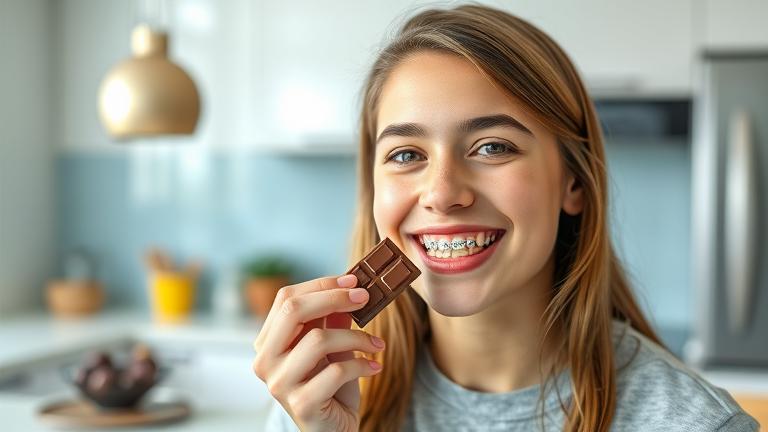
Is Chocolate Safe for Braces?
If you have braces, you might wonder whether chocolate is a good treat to enjoy. The good news is that, in general, chocolate can be safe for braces if you choose the right kind and eat it carefully. However, it’s important to understand how certain types of chocolate and your eating habits can affect your braces. This way, you can indulge in your favorite sweet without risking damage or discomfort.
Most types of plain chocolate, like milk, dark, or white chocolate, are soft and easy to chew. They do not contain hard or sticky ingredients that could harm your braces. But not all chocolates are created equal. Some chocolates contain added ingredients, such as nuts, caramel, or caramel-filled centers, which can be problematic for braces. These fillings tend to be sticky or hard, making it easier for brackets or wires to get damaged or for bits to get stuck in your braces.
When enjoying chocolate, it’s best to stick to simple, smooth varieties. For example, a plain milk chocolate bar or a piece of dark chocolate without added toppings is a safer choice. Always cut larger pieces into smaller, manageable bites to prevent using excessive force when biting. This reduces the risk of brackets breaking or wires bending.
Tips for Eating Chocolate with Braces
- Choose soft or melt-in-your-mouth chocolates over sticky or hard varieties.
- Break chocolate into small pieces before eating to avoid chomping down on big chunks.
- Chew slowly and carefully to protect your brackets and wires.
- Rinse your mouth after eating chocolate to remove any small bits stuck in your braces.
- Brush your teeth after indulging to prevent cavities and keep your braces clean.
Potential Risks to Watch Out For
While plain chocolate is generally safe, there are some risks if you’re not careful. Sticky chocolates like caramel-filled or taffy-like candies can get stuck in the brackets or between wires. They may cause brackets to loosen or wires to bend. Additionally, biting into hard chocolates or chocolates with nuts can crack brackets or bend wires, leading to discomfort and extra trips to the orthodontist.
If you accidentally bite into a hard piece or notice something feels off after eating chocolate, contact your orthodontist. They can check for damaged brackets or wires and fix any issues quickly to keep your treatment on track.
Conclusion
In short, chocolate can be enjoyed with braces, but moderation and smart choices are key. Opt for plain, soft chocolates and eat them carefully. Always clean your teeth afterward to keep your smile healthy and braces in good shape. With these simple tips, you can satisfy your sweet tooth and stay on top of your orthodontic care.
Tips for Braces-Friendly Chocolate Enjoyment
If you wear braces, enjoying chocolate can sometimes feel tricky. The good news is that you can still indulge in your favorite treats with a few simple rules. Using these tips, you can savor chocolate without risking damage to your braces or comfort issues.
First, it’s important to choose the right type of chocolate. Opt for softer, melt-in-your-mouth varieties like milk chocolate or dark chocolate with a smooth texture. These are less likely to get stuck between wires or brackets. Avoid hard chocolates with nuts or caramel, as they can break your brackets or bend wires.
Next, pay attention to portion sizes. Eating small pieces of chocolate makes it easier to chew gently and reduces the risk of damaging your braces. Break big chocolate bars into bite-sized chunks before eating. Smaller pieces are also easier to control, so you don’t accidentally bite into something too hard.
When you’re ready to enjoy your chocolate, try to eat slowly and carefully. Chew gently, making sure not to bite down hard or force your teeth. This avoids putting too much pressure on your braces and prevents chipping or loosening brackets. If the chocolate starts melting in your mouth, that’s even better — it softens naturally and makes it easier to enjoy without excessive chewing.
It helps to use your back teeth when biting into chocolate instead of your front teeth. This reduces the strain on your braces and minimizes the chance of breaking a bracket. If you find yourself tempted to bite directly into a big piece, take the time to break it into smaller portions first. This is a simple but effective way to protect your braces and make eating more comfortable.
After enjoying chocolate, make sure to brush and floss thoroughly. Chocolate, especially if combined with other ingredients like nuts or caramel, can stick around and cause plaque buildup. Good oral hygiene is key to keeping both your braces and your teeth healthy and clean. Consider rinsing your mouth with water after snacking if brushing isn’t immediately possible.
- Choose soft, melt-in-your-mouth chocolates to reduce chewing forces.
- Eat small portions and break larger pieces into manageable sizes.
- Chew slowly and use your back teeth whenever possible.
- Avoid chocolates with nuts, caramel, or hard inclusions.
- Maintain good oral hygiene after indulging in chocolate treats.
Remember, moderation is key. Enjoying chocolate in a careful, mindful way helps you keep your braces safe while still satisfying your sweet tooth. With these simple tips, you can have your chocolate and keep your smile healthy at the same time.
Best Chocolates for People with Braces
If you have braces, choosing the right chocolates can make your treat time much easier and more enjoyable. Hard, crunchy, or sticky chocolates can damage your braces or cause discomfort. That’s why it’s best to go for softer, melt-in-the-mouth options that are gentle on your teeth and braces.
Soft chocolates are your friends here. They dissolve easily in your mouth without requiring a lot of chewing. This means less risk of breaking brackets or pulling wires loose. Plus, chocolates with minimal additives are less likely to stick stubbornly around your brackets, making cleanup easier.
What to Look for in Suitable Chocolates
- Soft texture: Chocolates that melt quickly in your mouth are ideal.
- Minimal additives: Avoid chocolates with nuts, caramel, or chewy fillings, as these can stick and damage braces.
- Dark chocolates: Often contain fewer additives and are easier to melt in your mouth.
- Pure or simple chocolates: Look for those with simple ingredients like cocoa, sugar, and milk.
Top Chocolate Choices for Braces Wearers
Here are some types of chocolates that work well if you have braces:
- Soft Milk Chocolate: Milk chocolates tend to be softer and contain fewer additives than many other candies. Opt for brands with a high cocoa content and minimal added ingredients.
- Dark Chocolate: Dark chocolates with at least 70% cocoa are usually less sweet and less sticky. Their firmer texture melts smoothly, making them gentle on your braces.
- Chocolate-Covered Mints or Lozenges: These dissolve quickly and do not require chewing. Just be mindful of their ingredients to avoid sticky fillings.
- Chocolate with No Nuts or Caramel: Stick to plain chocolates without chewy or hard inclusions. These are less likely to get lodged around your brackets.
Practical Tips for Enjoying Chocolate Safely
- Break or cut chocolates into small pieces before eating to reduce the need for heavy chewing.
- Eat chocolates slowly, allowing them to melt in your mouth instead of biting into hard pieces.
- Brush your teeth or rinse your mouth after eating chocolates to remove any sugar or residue from around your braces.
- Avoid sticky chocolates like caramel-filled or taffy, which can cling stubbornly to braces and cause damage.
Additional Tips
- Check ingredient lists and choose chocolates with fewer additives.
- If you’re unsure whether a chocolate is safe, ask your orthodontist for recommendations.
- Enjoy chocolates in moderation to protect your dental health and braces.
Do’s and Don’ts of Eating Chocolate with Braces
Eating chocolate with braces can be a sweet treat, but it requires some care to avoid damaging your braces or causing discomfort. While chocolate might seem like a soft, easy snack, certain types and ways of eating it can cause issues. Follow these simple tips to enjoy chocolate worry-free while keeping your braces safe.
First, always choose the right type of chocolate. Smooth, melty chocolates like milk chocolate or dark chocolate bars that melt quickly tend to be safer than chocolates with hard, crunchy fillings or toppings. But remember, even soft chocolates can cause trouble if eaten improperly. Moderation is key, so enjoy small portions instead of large bites that could strain your braces.
When eating chocolate with braces, it’s best to cut it into small, manageable pieces before biting. This prevents you from biting directly into a big chunk, which could put stress on your brackets and wires. Use a fork or a knife to break off small pieces rather than biting with your front teeth. This simple step reduces the risk of dislodging or breaking a bracket.
Do’s for Eating Chocolate with Braces
- Choose soft, melty chocolates over hard or crunchy varieties.
- Cut chocolate into small pieces before eating to reduce pressure on your braces.
- Allow the chocolate to melt slightly in your mouth before swallowing. This can make it easier to eat without biting down hard.
- Brush your teeth or rinse your mouth with water after enjoying chocolate to remove any sticky residue that can cause plaque buildup.
- Eat chocolate slowly and mindfully, paying attention to how it feels against your braces.
Don’ts for Eating Chocolate with Braces
- Don’t bite directly into large chocolate pieces or bars. This can cause brackets to break or wires to bend.
- Avoid chocolates with nuts, caramel, or other sticky fillings. These can cling to your braces and be difficult to clean out, increasing the risk of plaque and cavities.
- Don’t eat chocolate if your braces are feeling loose or uncomfortable. It’s better to wait and ask your orthodontist for advice.
- Refrain from eating very cold or hot chocolates that can cause sensitivity or discomfort in your teeth or braces.
- Avoid rushing through your chocolate snacks. Take your time to prevent accidental biting mishaps.
Extra Tips for Sweet Success
If you love hot chocolate, go for versions made with melted chocolate and enjoy it in a cup. Drinking hot chocolate is less likely to cause issues than eating solid chocolate. Just be sure to use a straw to keep the beverage away from your braces and teeth, which helps prevent sticky buildup.
Always remember, maintaining good oral hygiene is essential after indulging in chocolate. Brush thoroughly to remove any sugar or sticky remnants that can lead to cavities and staining around your brackets. Regular dental check-ups and cleanings are also important to keep your braces in top shape.
Alternatives to Chocolate for Braces Wearers
If you have braces, you might be wondering what sweet treats are safe to enjoy without risking damage or staining your braces. While chocolate is a popular favorite, it can sometimes stick to braces or contain ingredients that are harder to clean. Luckily, there are plenty of delicious alternatives that are gentle on your braces and still satisfy your sweet tooth.
Choosing braces-friendly treats means opting for options that won’t get stuck between wires and brackets or cause staining. These alternatives also tend to be softer or easier to chew, making them practical choices for daily snacking. Let’s explore some tasty and safe options that can replace traditional chocolate treats.
Fruits and Fruit-Based Snacks
- Fresh soft fruits like bananas, ripe peaches, or melons are gentle on braces and naturally sweet.
- Apples or pears can be enjoyed in small, thin slices to minimize residue and difficulty cleaning.
- Fruit smoothies made with your favorite fruits and a splash of juice or yogurt are both flavorful and safe.
- Frozen grapes or berries can be a cool, refreshing treat, but try to avoid biting into large chunks that might be tough.
Soft Candy and Sweets
- Marshmallows are soft and easy to chew, making them a good alternative.
- Gummy candies can be enjoyed if they are very soft, but it’s best to consume them in moderation to avoid sticky messes.
- Pudding, custard, or soft mousse desserts are smooth options that are safe and satisfying.
- Homemade fruit jellies or jams can be a sweet spread without risking damage to the braces.
Healthy & Convenient Snacks
- Yogurt, especially when topped with soft fruits or granola, offers sweetness and nutritional benefits.
- Soft baked goods like muffins or bread are easy to chew and reduce the risk of breakage.
- Nut butters spread on soft bread or crackers can satisfy a sweet craving with some added flavor from honey or fruit preserves.
Tips for Enjoying Treats Safely
- Always cut fruits and candies into small, manageable pieces to prevent biting down hard or causing damage.
- Opt for treats that are soft and easy to chew, avoiding anything too sticky, hard, or chewy.
- Stay cautious with sugar-rich options to prevent plaque buildup around brackets and wires.
- Rinse your mouth with water after enjoying any treat to keep your braces and teeth clean.
Trying new treats doesn’t mean sacrificing flavor or fun while you wear braces. With these braces-friendly alternatives, you can still indulge in sweet cravings without worry. Experiment with different options to find your favorites, and enjoy your treats safely!
How to Prevent Staining and Damage
Eating chocolate is a delightful treat, but it can sometimes lead to staining teeth or causing minor damage if not careful. Luckily, with some simple tips, you can enjoy your favorite chocolates without worry. Protecting your teeth and maintaining good oral hygiene are key to avoiding stains and damage caused by sugary or sticky treats.
First, it’s helpful to understand how chocolate affects your teeth. Chocolate contains sugars and acids that can promote plaque buildup and staining if not cleaned promptly. Dark chocolates are often less sugary, but all types can cause some staining over time. Making a few adjustments to how you handle eating chocolate can keep your smile bright and healthy.
Tips to Prevent Staining and Damage
- Brush your teeth after eating chocolate. As soon as you finish your treat, rinse your mouth with water to help wash away some of the sugars and acids. Wait about 30 minutes before brushing, especially if you’ve been eating very sugary or acidic chocolate, as this can soften your enamel temporarily.
- Use the right oral hygiene tools. Choose a soft-bristled toothbrush and fluoride toothpaste. Brush gently to avoid damaging enamel and gums. Regular brushing helps remove chocolate residue before it causes staining.
- Incorporate flossing into your routine. Floss daily to remove particles stuck between your teeth that brushing might miss. This prevents plaque buildup and minimizes staining risk.
- Visit your dentist regularly. Routine check-ups and professional cleanings help keep your smile stays bright. Your dentist can also give personalized advice for maintaining oral health while enjoying sweets.
- Be cautious with sticky or dark chocolates. They tend to stick to teeth longer and have higher staining potential. If you indulge, rinse or brush sooner to prevent lasting stains.
- Limit contact with teeth. When eating chocolate, try to avoid grinding or gnashing it against your teeth. Let it melt in your mouth if possible, reducing physical impact on the enamel.
Proper Cleaning Techniques
Cleaning your teeth thoroughly is the best defense against chocolate stains. Use these techniques for optimal results:
- Rinse immediately after eating. Swish water around your mouth to loosen particles, reducing stain buildup and acid exposure.
- Brush correctly. Brush for two minutes, covering all surfaces of your teeth. Pay special attention to the back molars and the inside surfaces where stains can hide.
- Don’t forget your tongue. Use your toothbrush or a tongue scraper to remove bacteria and freshen breath.
- Use mouthwash if desired. An antibacterial or whitening mouthwash can help reduce plaque and brighten teeth over time.
Also, consider using whitening toothpaste occasionally if stains tend to develop. Avoid overly abrasive toothpastes that can wear down enamel. Remember, good oral hygiene habits are your best defense against staining and damage caused by chocolates or other treats.
Easy Treats for Braces-Friendly Snacking
If you have braces, finding snacks that are both delicious and safe can sometimes be a challenge. You want sweet treats that won’t damage your braces or cause discomfort while still satisfying your cravings. The good news is that there are plenty of braces-friendly options that are simple to prepare and enjoy.
Choosing the right snacks can help keep your dental health on track while giving you a little indulgence. Let’s explore some easy, braces-safe treats that are gentle on your dental work but still satisfy that sweet tooth.
Fruits and Veggies
Fresh fruits and vegetables are naturally sweet and packed with nutrients. Some options that are soft and easy to eat include bananas, ripe peaches, melon slices, and ripe berries. These are perfect for snacking without putting too much pressure on your braces.
If you want a bit more flavor, try dipping apple slices or pear wedges into yogurt. Just be sure to cut your fruits into small, manageable pieces to avoid biting into large chunks that could damage your braces.
Yogurt and Pudding
Yogurt is a fantastic braces-friendly treat because it’s soft and creamy. Choose plain or flavored yogurt without added nuts or crunchy toppings. You can add soft fruits like mashed berries or banana slices to boost flavor naturally.
Another great option is pudding. Whether homemade or store-bought, pudding is smooth and easy to enjoy. Opt for chocolate, vanilla, or caramel flavors for a sweet treat that melts in your mouth without risking damage to your braces.
Frozen Delights
Frozen fruit bars or popsicles made from 100% fruit juice are cool and refreshing. They are gentle on your braces and satisfy your need for something cold and sweet. Just check the ingredient list to avoid any hard or crunchy additives.
If you prefer a homemade approach, freeze blended fruit smoothies in ice cube trays or small cups. These frozen treats are easy to snack on and won’t crack or bend your braces.
Soft Baked Goods and Snacks
For warm, comforting treats, soft baked goods are perfect. Think muffins, banana bread, or soft cookies without nuts or hard ingredients. These treats are gentle on your teeth and quite easy to chew.
Homemade recipes allow you to control ingredients, avoiding anything too sticky or crunchy. Always cut baked goods into small pieces, making them easier to munch without putting strain on your braces.
Tips for Braces-Safe Snacking
- Avoid hard candies, caramel, or anything sticky that can pull or bend brackets.
- Cut fruits and baked goods into small pieces for easier chewing.
- Opt for soft, smooth textures over crunchy or chewy options.
- Choose snacks that are low in sugar to protect your dental health.
With a little planning, you can enjoy a variety of sweet treats that are kind to your braces. These simple ideas help you satisfy cravings while keeping your smile healthy and intact. Remember, moderation is key, and always listen to your comfort level when trying new snacks.