
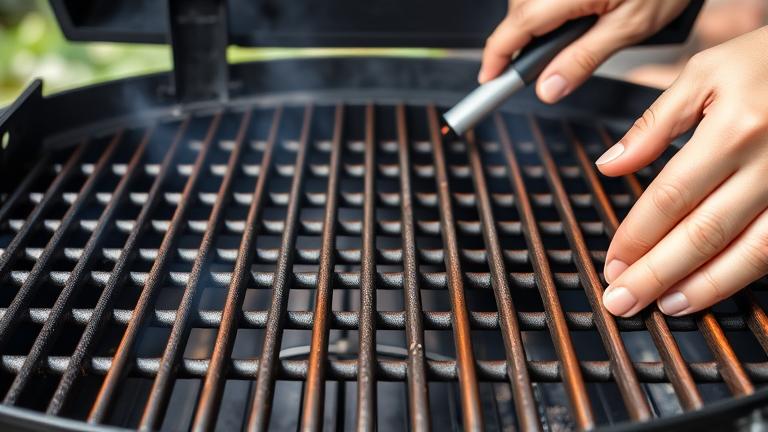
Understanding Grill Grates: Flat Side Up or Down?
When you’re preparing to grill, one important decision is how to position your grill grate. Should the flat side be facing up or down? This choice can influence how your food cooks, how those attractive grill marks appear, and even how long your grate lasts.
Many home cooks wonder about the best way to set their grill grate for different types of food. The answer depends on what you’re grilling, the type of grate, and your desired outcome. Let’s break down how each side of the grate affects your grilling results and how to make the right choice.
What Does Each Side of a Grill Grate Do?
- Flat Side Up: The flat side of a grill grate provides a smoother surface that is ideal for delicate foods like fish or vegetables. It helps prevent sticking and offers an even heat transfer. Flat surfaces also make cleanup easier since food is less likely to fall into the gaps.
- Ribbed or Textured Side Down: The ridged or textured side creates those iconic grill marks. It is often preferred for searing steaks or burgers because it allows fat to drain away from the food and offers a premium char. The raised ridges also help air circulate around the food for even cooking.
How Orientation Affects Cooking Results
If your goal is quick searing and those perfect grill marks, place the textured or ridged side down. This will give you that classic look and help develop flavor through caramelization. Remember to let the meat rest for a few minutes after grilling so juices settle in.
On the other hand, if you’re cooking tender fish fillets or vegetables that might fall apart, the flat side facing up is a smart choice. It offers a gentle, even heat distribution and reduces the risk of sticking or breaking apart.
Durability and Maintenance Tips
The orientation of your grate can also impact its lifespan. The textured side tends to trap food particles and grease, which can lead to quicker buildup if not cleaned regularly. Using a grill brush after each use helps maintain both sides of the grate—keeping it in good condition longer.
Placing the flat side up can make cleaning easier because there are fewer crevices for grime to hide. Also, avoid dragging heavy tools across the grate with too much force, as these can damage the surface over time. Regular cleaning and proper storage will extend the life of your grill.
Practical Tips for Choosing the Right Side
- Use the textured side down for meats that benefit from searing, like steaks and burgers.
- Opt for the flat side up when grilling delicate foods or when easy cleanup is a priority.
- Change the orientation during cooking if needed—start with textured down for searing, then flip to flat for finishing.
li>Always preheat your grill before cooking to ensure even heat distribution, regardless of grate side.
Understanding how to position your grill grate can truly improve your grilling results. With a little practice, you’ll know exactly when to use each side for the best flavor, appearance, and ease of cleaning. Happy grilling!
Best Practices for Grill Grate Placement
When using a grill, how you place and orient the grill grates makes a big difference in how your food cooks. Proper placement helps distribute heat evenly across the surface, leading to better-tasting, well-cooked meals. Whether you’re grilling burgers, vegetables, or fish, following these best practices will give you consistent results every time.
First, consider the type of grill you have. Most grills have multiple grates or cooking zones. For even cooking, start with the main grate positioned centrally over the heat source. If you’re using a charcoal grill, arrange the coals in a zone-style setup: a hot side for searing and a cooler side for resting or finishing. This technique gives you control over the heat and helps prevent burning.
Orienting the Grates
- Parallel to Heat Source: Placing the grates parallel to the heat source spreads the heat evenly across their length. This setup is ideal for cooking larger items or multiple pieces at once.
- Perpendicular to Heat Source: Positioning the grates perpendicular to the heat source creates distinct temperature zones. This is useful if you want to sear on one side and then move the food to a cooler part to cook through.
Adjusting Grate Height
Some grills allow you to adjust the height of the cooking grate. Raising the grate moves the food further from the heat, which is perfect for delicate items like fish or vegetables. Lowering it places food closer for quick searing. Experiment with different heights to find what works best for your recipe and the type of food you’re grilling.
Placement Tips for Better Heat Control
- Create Cooking Zones: Divide your grill into sections—hot, medium, and cool. This setup lets you sear on high heat and then transfer food to a cooler zone to finish cooking without burning.
- Use Two-Zone Cooking: If your grill supports it, turn one side on high and leave the other off or on low. This way, you can move food between zones for precision cooking.
- Regularly Check and Adjust: Keep an eye on heat levels during grilling. If one side gets too hot, adjust the placement of the grates or move the food accordingly.
Common Mistakes to Avoid
- Overcrowding the Grates: Too many items at once can block heat flow, leading to uneven cooking. Leave space between items for proper heat circulation.
- Ignoring Hot Spots: Every grill has hot spots. Test your grill by placing a paper towel or small pieces of bread on different areas to see where the heat is concentrated.
- Forgetting to Preheat: Make sure your grill and grates are properly heated before placing food. This helps achieve good sear marks and even cooking.
By carefully placing and orienting your grill grates, you control how heat reaches your food. Practice different setups to see what produces the best results for your dishes. With a little experimentation, you’ll master the art of grill grate placement for perfectly grilled meals every time.
How Placement Affects Cooking Results
When you’re grilling, where you place your food on the grill can make a big difference in how it turns out. The orientation of your grill grates and the placement of your food can impact searing, heat retention, and even prevent sticking. Understanding these factors helps you cook more evenly and achieve that perfect outside crust or juicy interior.
First, consider the orientation of the grill grates. Most grills have grates running either lengthwise or crosswise. Placing food parallel to the grates allows the heat to create those nice grill marks and helps with searing. For a crisp, caramelized exterior, put the food directly over the hot flames or heat source. This is especially good for steaks, burgers, or chicken breasts that benefit from a quick sear.
On the other hand, if you are cooking delicate items or things that need gentle heat—like fish or vegetables—positioning the food away from direct flames is better. Move the food to a cooler part of the grill, or use the indirect heat zone. This placement helps prevent burning on the outside before the inside is cooked through.
Heat retention and distribution
Where your food sits on the grill also affects how evenly it cooks. For example, placing thicker pieces over the hottest part of the grill ensures they get the heat needed to cook through without drying out or burning. Thin slices or smaller items, like shrimp or sliced vegetables, do well closer to the edges or on cooler sections.
Many grills have hot spots—areas that are hotter than others—especially if you only turn on one burner or if the heat distribution isn’t even. To get consistent results, try to find the hot spots by testing with a few pieces of bread or an empty grill. Once you know where the hot spots are, place your food accordingly, or move it around during cooking for even results.
Preventing food from sticking
Food sticking to grill grates is a common challenge. Placing the food correctly can help prevent this. Make sure the grill is very hot before adding food, and clean the grates thoroughly beforehand. Lightly oil the grates or brush oil directly onto the food to create a barrier that reduces sticking.
Place the food at a slight angle over the grate. Wait until it naturally releases when you try to turn it. Trying to flip too soon often results in sticking or tearing. If food is sticking, give it a little more time and try again, as it’s probably not ready to turn yet.
- For better searing lines, position the food diagonally across the grate sections.
- Use tongs or a spatula to gently lift and turn food instead of skewering or piercing it, which can cause sticking.
- Periodically brush the grill grates with oil during the cooking process to maintain a non-stick surface.
By paying attention to how you place your food and the orientation of your grill grates, you’ll find it easier to achieve even cooking, better searing, and less sticking. Small adjustments in placement can lead to significantly better results and a more enjoyable grilling experience.
Common Mistakes with Grill Grates
Grill grates are a key part of a great barbecue, but many home cooks make simple mistakes that can affect how well your food cooks and tastes. Understanding the common errors with grill grates can help you get better results every time you fire up the grill.
Not Cleaning the Grates Properly
One of the most common mistakes is neglecting to clean the grates before and after grilling. Residue from previous cooks, including bits of food and grease, can stick to the surface. This buildup can cause your food to stick, affect the flavor, or cause flare-ups.
Always clean your grill grates thoroughly after each use with a wire brush or scraper. For a deep clean, heat the grill, then scrub the grates to loosen any stuck-on food. Use warm soapy water occasionally to remove grease buildup. Proper cleaning keeps your grates in top shape and ensures better flavor and grill marks.
Using the Wrong Grate Arrangement
Many grillers place the grates unevenly or forget to position them correctly before starting to cook. Grill grates should be aligned properly to provide an even cooking surface. Misaligned grates can cause hot spots or uneven heat distribution, leading to overcooked or undercooked sections.
Before grilling, check that the grates are securely and evenly placed. If your grill has removable or adjustable grates, make sure they are properly seated. This simple step improves heat flow and helps cook your food evenly.
Neglecting to Oil the Grates
Another common mistake is not oiling the grates before cooking. Without oil, food tends to stick, especially on cast iron or stainless steel grates. This can cause tearing of delicate items like fish or vegetables and make cleanup more difficult.
To prevent sticking, brush the grates with high-heat cooking oil before adding food. Use a paper towel or brush to apply a thin, even layer of oil. This simple tip creates a non-stick surface and enhances the sear marks on your steaks or burgers.
Ignoring Regular Maintenance
Under-maintaining your grill grates can lead to rust and corrosion, especially if they are made of metal and exposed to moisture. Rusty or damaged grates not only look bad but can also ruin the taste of your food or pose safety risks.
Inspect your grill grates regularly for rust or cracks, and replace them if needed. Season cast iron grates by applying a thin layer of oil and heating them, which creates a natural non-stick coating. Taking care of your grates prolongs their lifespan and ensures consistent cooking performance.
Trying to Cook Too Many Items at Once
Overcrowding the grill creates a crowded heat environment. When too many items are on the grates, air circulation drops, and heat is uneven. This leads to longer cooking times or uneven doneness.
Plan your cookout so you leave enough space for proper heat flow and turning. Use two-zone cooking by placing coals or burners on one side, and leave the other side empty for indirect cooking. This technique allows you to manage different foods better and avoid mistakes like burning foods or serving undercooked items.
- Keep your grates clean for better flavor and easy cleanup.
- Position your grates securely for even heat distribution.
- Oil your grates before cooking to prevent sticking.
- Maintain and inspect your grates regularly.
- Avoid overcrowding the grill to ensure even cooking.
Cleaning and Maintaining Your Grill Grates
Taking care of your grill grates is key to enjoying flavorful and safe barbecues. Proper cleaning and upkeep help prevent rust, keep your food tasting great, and extend the life of your grill. Whether you use your grill weekly or just occasionally, regular maintenance makes a big difference.
First, always wait until your grill has cooled down enough to handle safely. Once it’s cool, start by removing loose debris and food scraps. Use a grill brush with stiff bristles to scrub the grates thoroughly. If your grates are particularly greasy or have baked-on food, soak them in warm, soapy water for about 15 to 30 minutes. This loosens stuck-on residue and makes cleaning easier.
For a deeper clean, you can use a mixture of equal parts white vinegar and water. Spray or sponge the solution onto the grates, then scrub with a wire brush or scrub pad. Rinse with clean water and dry thoroughly to prevent rusting. For stainless steel grates, a specialized stainless steel cleaner can help keep them shiny and free from discoloration.
To keep your grates in top shape, perform routine maintenance after each use. Once you finish grilling, brush the grates clean while they are still warm. This prevents buildup of grease and food particles. Regularly check for rust spots, especially if your grill is stored outdoors. If you notice rust, gently scrub it away with a steel wool pad and apply a light coat of vegetable oil to protect the surface.
Covering your grill when not in use also helps preserve the grates and prevent dirt, dust, and moisture from causing damage. If your grill has removable grates, consider removing and storing them indoors during long periods of storage to prolong their lifespan.
Here are some practical tips to keep your grill grates in great condition:
- Clean grates after each use to prevent build-up.
- Use a grill brush designed for your specific grate material.
- Avoid using harsh chemicals that could be unsafe for food contact.
- Apply a thin layer of vegetable oil to the grates after cleaning to prevent rust and sticking.
- Store your grill in a covered area or use a weather-resistant cover to protect it from the elements.
Remember, regular maintenance not only extends the life of your grill grates but also ensures your grilling results stay flavorful and safe. Taking these simple steps keeps your equipment in top shape, ready for your next cookout.
Tips for Perfectly Grilled Foods
Grilling is a wonderful way to add smoky flavor and charred goodness to your favorite foods. Whether you’re grilling burgers, vegetables, or seafood, achieving that perfect sear and juicy interior takes some practice and knowledge. Don’t worry— with these simple tips, you’ll be on your way to mastering the grill in no time.
First, temperature control is key. A hot grill helps develop the sear that gives grilled foods their signature flavor and texture. Before cooking, make sure your grill is properly preheated. For most foods, aim for a temperature of around 400 to 500 degrees Fahrenheit for high heat. Use a grill thermometer to monitor the temperature—many grills have built-in gauges, but an additional probe can give more accurate readings.
Once preheated, clean your grill grates thoroughly. Use a wire brush to remove any old food residues. A clean surface prevents sticking and enhances the flavor of your food. Lightly oil the grates before placing your food. This can be done with a paper towel dipped in oil, held with tongs, to prevent sticking and create those beautiful grill marks.
Flipping Techniques
Timing your flips is essential for evenly cooked, juicy results. A good rule of thumb is to flip foods only once during cooking—flipping multiple times can cause uneven cooking and loss of juices. For steaks, flip when you see the meat releasing easily from the grill and developing a crust. Vegetables, on the other hand, may need a shorter cook time and fewer flips.
Use tongs or a spatula to handle your food gently. Avoid piercing meat with a fork, as that lets juices escape and can lead to dry results. For foods like burgers or fish, aim to flip halfway through the total cooking time. For items like chicken breasts or thicker cuts, check for doneness with a meat thermometer before removing from the grill.
Grill Grate Orientation
The orientation of your grill grate can make a big difference. For crosshatch grill marks, arrange the food at a 45-degree angle when placing it on the grate. After a few minutes, rotate the food 90 degrees to create the classic diamond pattern. Turning the food helps achieve those attractive marks and ensures even cooking.
Position your food over the hotter zones of the grill for searing, and move it to cooler areas to finish cooking without burning. If your grill has multiple burners or heat zones, use them to control the heat precisely. For thicker cuts, start with direct high heat for searing, then move to indirect heat to finish cooking through.
- Keep a close eye to prevent flare-ups from dripping fats. Move food to a cooler spot if flames get too high.
- Use lid closing strategically to trap heat for even cooking, especially for thicker cuts or poultry.
- Let grilled foods rest a few minutes before serving to allow juices to redistribute.
With a bit of attention to temperature, flipping, and grate placement, your grilled dishes will turn out flavorful and perfectly cooked every time. Practice makes perfect, so don’t be discouraged by a few mistakes—each grill session is a step towards grilling mastery.
FAQs About Grill Grate Orientation
If you’re new to grilling or just want to make sure you’re doing it correctly, understanding how to properly orient your grill grate is key. Properly placing the grates can improve heat distribution, make cleanup easier, and help prevent food from sticking. Here are some common questions and straightforward answers to help you get it right every time.
Why does the orientation of my grill grate matter?
The way you position your grill grate impacts how evenly your food cooks. Correct orientation can prevent hot spots, reduce flare-ups, and make flipping and removing food simpler. Misaligned or poorly placed grates might cause uneven cooking or even damage the grill over time. So, paying attention to grate placement is an easy step that makes a big difference.
How do I know which way to place the grill grate?
Typically, grill grates are designed with a specific orientation in mind. Look for manufacturer instructions or markings—some grates have arrows or words indicating the front or back. Generally, place the grate so that the coarser side faces the fire for better heat retention or align the bars parallel to the longest side of the grill for even heat distribution. If your grate has a non-slip or textured surface, make sure it’s facing upward to prevent wobbling.
Should I rotate my grill grate during cooking?
Rotating the grate can help achieve more even heat and cooking. For instance, if some areas are hotter than others, shifting the grate or turning the food can prevent burning and promote uniform doneness. However, do this carefully to avoid hot splashes or dropping your food. Many grill masters recommend turning the grate 90 degrees after some time to optimize heat flow.
What mistakes should I avoid when orienting my grill grate?
- Avoid placing the grate upside down, especially if it has a textured or patterned side. It might affect cooking performance or damage the grate.
- Don’t ignore manufacturer guidelines. If your grill or grate has specific instructions, follow them to ensure safety and best results.
- Be cautious when adjusting the grate while it’s hot. Always wear heat-resistant gloves and use tools to prevent burns.
Can I use different orientations for different foods?
Absolutely. For steaks and burgers, a perpendicular arrangement to the fire often gives nice grill marks and even cooking. For delicate foods like fish or vegetables, a more gentle, evenly spaced orientation works best. Adjusting the grate orientation based on what you’re cooking can improve results and add a professional touch to your grilled meals.
Additional tips for good grill grate orientation
- Always ensure the grate is clean and properly seated before cooking.
- Check if your grill grates have a preferred orientation or installation guide.
- When in doubt, experiment with different placements to find what works best for your grill and food type.