
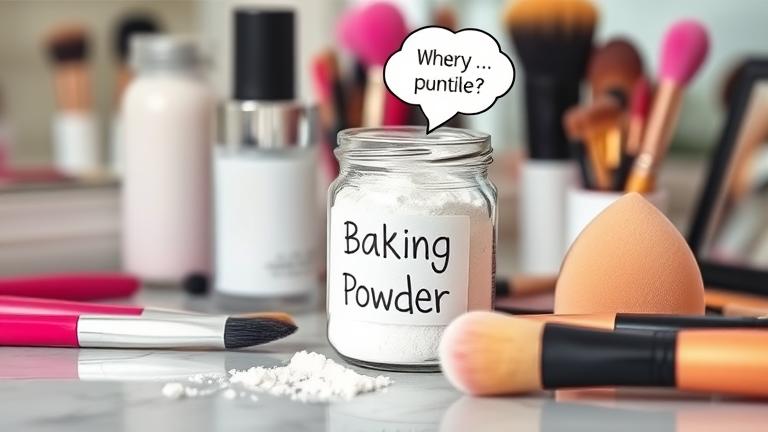
What Is Baking Powder in Makeup?
When you hear the term baking powder in makeup, it might sound confusing since it shares a name with the baking ingredient used in the kitchen. However, in the world of makeup, baking powder is a different product altogether. It is part of a technique called “baking,” which helps set and highlight your makeup for a flawless finish.
In makeup, baking powder usually refers to a loose, finely-milled powder that is applied generously under the eyes or other areas you want to brighten or highlight. This powder helps to blur imperfections, set concealer, and give your skin a smooth, airbrushed look. It’s often used in conjunction with setting spray and other powders for a long-lasting makeup style.
What Is Baking Powder Actually Made Of?
Unlike baking powder used in cooking, which is a mixture of baking soda, cream of tartar, and sometimes cornstarch, makeup baking powder is primarily made of soft, translucent mineral or talc-based powders. Sometimes it contains additional ingredients like silica or light-reflecting particles to enhance glow and brightness. These ingredients are chosen for their ability to absorb excess oil and diffuse light for a youthful, luminous appearance.
How Is Makeup Baking Powder Different from Baking Soda?
It’s important to not confuse makeup baking powder with baking soda, which is sometimes called sodium bicarbonate. Baking soda is a strong base that works as a cleaning agent or a leavening agent in baking. When used in makeup, baking soda can be too abrasive and cause irritation or dryness if applied directly to the skin.
In contrast, makeup baking powder is specifically formulated to be gentle on the skin. It is designed to absorb excess oil without stripping moisture or causing irritation. That’s why it’s often used to set liquid or cream products, helping makeup stay put and reducing shine.
How Does Baking Powder Work in Makeup?
In makeup application, baking powder is part of a technique called baking. Here’s how it works:
- Apply a generous amount of concealer or foundation to brighten certain areas like under the eyes, jawline, or nose. This is especially useful for highlighting.
- Immediately dust a thick layer of translucent baking powder over the wet concealer. The powder acts like a sponge, absorbing moisture and setting the makeup in place.
- Let it sit for about 5 to 10 minutes. This “baking” process allows the powder to really set and help shape the face by preventing creasing or settling into fine lines.
- Finally, sweep away the excess powder with a fluffy brush. What remains is a smooth, luminous finish that stays all day.
Tips for Using Makeup Baking Powder
- Use a damp sponge or brush to apply the concealer before dusting on the powder for best results.
- Don’t apply too much baking powder if you have sensitive skin, as it could cause dryness or irritation.
- Make sure to set the entire face with a loose powder afterward to unify your look.
- Pick a shade that matches your skin tone or is slightly translucent for versatile use.
Knowing what baking powder in makeup is and how it works helps you achieve that flawless, long-lasting finish. It’s a simple technique that, with practice, can make your makeup look even more polished and professional.
Benefits of Baking Powder in Your Routine
Many people are surprised to learn that baking powder, a common ingredient in the kitchen, can also be a helpful tool in your makeup routine. While it is best known for baking, baking powder offers several advantages for creating a smooth, matte, and flawless makeup look.
One of the main benefits of baking powder is its ability to help set your makeup. When applied lightly as a finishing touch, it can lock in your foundation and concealer, reducing the chances of smudging or creasing throughout the day. This makes your makeup last longer, saving you time and effort in touch-ups.
Another significant benefit is its mattifying effect. If you have oily skin or tend to get shiny midday, baking powder can absorb excess oil and sweat. This creates a matte finish that looks fresh and keeps your skin from looking greasy. Using it on problem areas like the T-zone (forehead, nose, chin) can dramatically improve your overall appearance.
In addition to helping control shine, baking powder also enhances the overall finish of your makeup. It helps blur minor imperfections and gives your skin a smoother, more even texture. This results in a more natural and polished look, especially when you want your makeup to appear seamless and flawless.
Here are some practical tips to incorporate baking powder into your makeup routine:
- Sand lightly over your foundation once it’s set for a quick mattifying finish.
- Use it as a true setting powder by applying it with a fluffy brush after your final makeup steps.
- Blend well to avoid a cakey appearance, especially if you have dry or sensitive skin.
- Choose a translucent or tinted baking powder that matches your skin tone for a more natural effect.
However, a word of caution: not all baking powders are created equal. Some contain added ingredients that might irritate sensitive skin. It’s best to test a small area first and opt for a gentle, fragrance-free version if you have delicate skin.
In summary, incorporating baking powder into your makeup routine can offer excellent benefits. From helping set your makeup and controlling oil to giving your skin a soft, flawless finish, it’s a versatile addition that can help you achieve that polished look effortlessly.
Best Areas to Apply Baking Powder
Applying baking powder, also known as setting or translucent powder, is a popular step in creating a smooth and long-lasting makeup look. The key is knowing which areas to focus on to reduce shine and set your foundation perfectly. Usually, the best areas to apply baking powder are where your face tends to get oily or where you want your makeup to stay put longer.
Start by choosing a lightweight, finely milled baking powder. This helps to avoid a cakey appearance and ensures it blends seamlessly into your skin. Use a fluffy brush or a makeup sponge to pick up a small amount of powder. Tap off excess to prevent applying too much at once. Remember, less is more when it comes to baking powder.
Optimal Facial Areas for Baking Powder
- Under the Eyes: Baking powder is ideal for brightening and setting the delicate skin under your eyes. This prevents creasing and puffiness, especially if you tend to have fine lines or bags. Apply the powder gently with a fluffy brush, focusing on the area just below your lower lash line.
- T-zone: This is the zone comprising your forehead, nose, and chin. These areas often produce the most oil during the day. Applying baking powder here mattifies the skin, reduces shine, and helps your makeup last longer. Use a light hand around the nose to avoid a heavy look.
- Cheeks and Jawline: If your cheeks or jawline tend to get oily, a touch of baking powder can help set blush, foundation, or contour. Especially helpful for those with oily or combination skin.
- Middle of the Face: Focus on the center of your face for a matte finish. This is where makeup tends to break down faster due to natural oil production.
Tips for Best Results
- If you use a damp beauty sponge to apply baking powder, it will help to “bake” the skin. This technique involves applying a generous amount of powder on areas like under the eyes and letting it sit for 5-10 minutes. Then, gently brush off the excess for a flawless, crease-free look.
- Avoid applying baking powder over liquid or cream products immediately, as this can cause patchiness. Make sure your foundation and concealer are well blended before baking.
- For a more natural finish, opt for translucent or skin-tone matching powders. This prevents the face from looking cakey or ashy.
- Always set your entire face after applying baking powder, so the look stays consistent and matte throughout the day.
Common Mistakes to Avoid
- Applying too much powder in one go, which can result in a cakey appearance. Build it up gradually.
- Not blending well—pressing or buffing the powder into the skin helps create a seamless finish.
- Using rough brushes that may disturb your foundation. Choose soft, fluffy brushes for gentle application.
- Ignoring skin type — if you have dry skin, avoid overusing baking powder as it can emphasize dry patches.
Step-by-Step Application Tips
Applying baking powder correctly is essential for achieving light, fluffy baked goods. Whether you’re making pancakes, muffins, or biscuits, using baking powder properly helps ensure your treats rise evenly and have the perfect texture. Here are some practical tips on tools, techniques, and timing to help you master this common ingredient.
Gather Your Tools
- Measuring spoons and cups: Use precise measuring tools to add the correct amount of baking powder. Too much can cause a bitter taste or irregular rising, while too little may result in flat baked goods.
- Sifter or fine-mesh sieve: Sifting baking powder helps break up clumps and evenly distributes it throughout your mixture. If you don’t have a sifter, whisking it into the dry ingredients works well too.
- Mixing bowls and utensils: Use a large bowl to combine dry and wet ingredients thoroughly for even application.
Proper Technique for Application
- Measure accurately: Spoon the baking powder into your measuring spoon or cup without packing it down. Level it off with a knife for precision.
- Sift or whisk into dry ingredients: Mix the baking powder into your flour or other dry ingredients first. This helps prevent pockets of baking powder from forming, which can cause uneven rising.
- Combine quickly and evenly: When you add wet ingredients, mix the batter just until combined. Overmixing can develop gluten, making baked goods dense rather than fluffy.
Timing Is Key
Once your baking powder is mixed into the dry ingredients, it’s best to use the batter promptly. Baking powder starts reacting as soon as it hits the moisture, releasing carbon dioxide that causes your batter to rise.
If you let the batter sit too long before baking, you might notice less rise or dense textures. To get the best results, preheat your oven first and pop the batter in as soon as it’s mixed.
Extra Tips for Success
- Check your baking powder’s freshness: Baking powder loses effectiveness over time. Test it by adding a teaspoon to warm water. If it bubbles vigorously, it’s good to use. If not, replace it for reliable rising.
- Use the right amount: The typical amount is one teaspoon per cup of flour for most recipes. Adjust according to your specific recipe, but avoid overuse, which can affect taste and texture.
- Don’t forget acid ingredients: Baking powder contains an acid and a base. For best results, include an acidic ingredient like buttermilk or vinegar if your recipe calls for it. This helps activate the leavening process fully.
Common Mistakes to Avoid
- Adding baking powder directly to wet ingredients without mixing it with dry ingredients first can cause clumps and uneven rising.
- Using expired baking powder can lead to flat baked goods. Always test before using stock.
- Overmixing batter after adding baking powder can develop gluten, resulting in tougher baked items.
By following these simple application tips, you’ll enjoy more consistent, professional-looking baked goods. Proper measurement, technique, and timing make all the difference in baking success!
Common Mistakes to Avoid
Using baking powder in makeup might seem simple, but there are some common pitfalls that can affect your look. Baking powder is a popular setting technique that helps achieve a smooth, long-lasting finish. However, if not used correctly, it can cause issues like a cakey appearance or uneven texture. Here are some mistakes to watch out for and tips to prevent them, so you get the best results every time.
Overusing Baking Powder
Applying too much baking powder is a frequent mistake. It can settle into fine lines and make your skin appear flaky or cakey. Remember, you only need a light dusting. Too much can also be hard to blend out properly. To avoid this, use a fluffy brush or a small makeup sponge to lightly tap the powder onto your skin. Less is often more with baking powder.
Applying at the Wrong Stage
This technique is called “baking,” but it doesn’t mean baking in an oven. It involves applying a generous amount of powder to set your concealer or foundation, then letting it sit for a few minutes. If you apply it too early or too late in your makeup routine, it can interfere with blending or crease. The best time to use baking powder is after applying your foundation and concealer, but before finishing your eye or blush makeup. This allows the powder to set everything in place.
Using the Wrong Brush or Tool
Using a dense, flat brush or a thick makeup sponge can disturb your foundation or cause uneven coverage. Opt for a fluffy, soft brush for light, even application. For baking, a large, fluffy brush helps sweep away excess powder easily without disturbing your makeup underneath. Clean your tools regularly to ensure smooth application and prevent bacteria buildup.
Not Setting Properly or Not Removing Excess
If you leave too much baking powder on your skin without brushing off the excess, your makeup may look dull or flaky. After the sitting period, use a clean, fluffy brush to gently sweep away any leftover powder. Make sure to do this in a natural light to spot any areas that need a little extra blending. This step is crucial for a natural, matte finish.
Ignoring Skin Type and Texture
Baking powder works well for many skin types, especially oily skin. But if you have dry or sensitive skin, using too much baking powder can emphasize flakiness or irritation. To adapt, try applying a lightweight moisturizer beforehand. Use less powder or consider alternative setting methods like a light mist of setting spray for a more natural finish.
Tips to Improve Your Baking Technique
- Choose a translucent baking powder to avoid color mismatches.
- Apply in a well-lit area to see the coverage clearly.
- Practice tapping off excess powder before applying.
- Set a timer as a reminder to remove the excess after a few minutes.
- If you experience creasing or dryness, switch to a different setting method or less powder.
By avoiding these common mistakes and following these tips, you’ll get a more polished and flawless makeup finish. Remember, practice makes perfect, so take your time to find what technique works best for your skin type and style.
Expert Tricks for a Flawless Finish
Achieving a flawless makeup look often comes down to the right techniques and insider tips, especially when it comes to baking powder. This versatile product is a favorite among makeup artists for setting makeup and brightening the skin, but using it correctly can make all the difference.
Here are some expert tricks to help you maximize the benefits of baking powder and get that perfect, airbrushed finish every time.
Choose the Right Baking Powder
Not all baking powders are created equal. For a natural finish, opt for translucent or colorless powders that match your skin tone. If you want to brighten dull skin, look for powders with subtle luminous particles. For deeper skin tones, choose rich, warm shades that won’t leave a white cast.
High-quality powders with finely milled textures blend seamlessly into the skin, preventing cakiness and settling into fine lines. Read reviews or test a small amount before applying, ensuring it suits your skin type and tone.
Prep Your Skin Properly
Before applying baking powder, start with a clean, moisturized face. Use a primer suited to your skin type to create a smooth base. This step helps the baking powder adhere evenly and reduces the risk of patchiness.
Make sure your foundation and concealer are well-blended. Baking powder works best when it sits on a smooth surface. If your makeup is patchy or uneven, you might end up highlighting those flaws instead of achieving a flawless finish.
Application Technique
- Set a damp beauty sponge or a fluffy brush with a small amount of baking powder.
- Lightly tap off the excess powder to avoid applying too much at once.
- Apply the powder generously to areas prone to creasing or where you want extra brightness, like under the eyes, along the T-zone, or around the mouth.
- Let the powder sit for 5 to 10 minutes. This allows it to absorb excess oil and set your makeup firmly.
- Use a clean, fluffy brush to gently sweep away any excess powder. For a more airbrushed finish, you can also lightly buff the powder into the skin.
Mastering the Baking Technique
Baking is about patience and precision. Don’t rush the process. Applying too thickly or removing the powder too quickly can leave a cakey appearance or uneven skin tone.
Remember, less is often more. Start with a small amount and build up as needed. The goal is to have a subtle, luminous finish that brightens and sets your makeup.
Additional Tips & Common Mistakes to Avoid
- Avoid applying baking powder on oily or sweaty skin as this can cause clumping or uneven patches.
- Do not rub or drag the powder over your skin. Use gentle patting motions.
- Set your makeup in a warm environment by using a setting spray after baking. This helps meld everything together for a seamless finish.
- If you notice a white cast, try blending it out with a damp Beauty Blender or a damp sponge for a softer, more natural look.
By mastering these professional tricks, you’ll elevate your makeup game and enjoy that perfect, flawless finish every time. With patience and practice, baking can become your secret weapon for a radiant, long-lasting look.
Frequently Asked Questions
What is baking powder and how is it used in makeup?
Baking powder is a common ingredient in makeup, especially in translucent powders and setting powders. It helps absorb excess oil, reduce shine, and give a matte finish to your skin. When used in makeup products, baking powder can also help blur imperfections and create a smooth look. Many people apply it as a finishing touch after foundation to set their makeup and make it last longer.
Is baking powder safe for my skin?
For most people, baking powder is safe in makeup when used properly. However, since it is a type of baking ingredient, it can sometimes cause irritation or breakouts if you have sensitive skin or allergies. Always do a patch test before trying a new product containing baking powder. If you notice redness, itching, or other irritation, discontinue use immediately.
Can I make my own baking powder makeup at home?
Yes, you can make your own baking powder makeup with simple ingredients like cornstarch or arrowroot powder. These act as natural absorbents and give a similar matte finish. To make a basic setting powder, mix the powder with a small amount of cocoa powder for color or other natural pigments if desired. Remember, homemade products may not have the same longevity or coverage as commercial ones, but they can be a fun and safe DIY option.
How do I apply baking powder in makeup?
To apply baking powder, use a fluffy makeup brush or a sponge. Lightly dip into the powder, tap off any excess, and gently sweep over areas like the T-zone, under the eyes, or any oily spots. Be careful not to use too much – start with a small amount and build up if needed. Let it sit for a minute to absorb oil and shine, then gently buff away any excess for a natural, matte look.
What are some common mistakes to avoid when using baking powder makeup?
- Applying too much powder, which can make your skin look cakey or dry.
- Not blending the powder well, leading to visible patches or uneven finish.
- Using expired or old powder, which can harbor bacteria or cause breakouts.
- Bypassing skincare steps, such as moisturizing beforehand, which can make powder look patchy or emphasize dry areas.
Can baking powder in makeup cause breakouts?
In some cases, especially if you have sensitive or acne-prone skin, baking powder can clog pores or irritate your skin, leading to breakouts. To reduce this risk, choose non-comedogenic products and avoid overapplying. Always remove makeup thoroughly at the end of the day to keep your skin clear.
How long does baking powder-based makeup last?
Makeup with baking powder can last for several hours if applied correctly. To maximize its longevity, set your makeup with a light layer of baking powder and avoid touching your face throughout the day. Keep your brushes clean and store powders in a cool, dry place to prevent clumping or bacterial growth.