
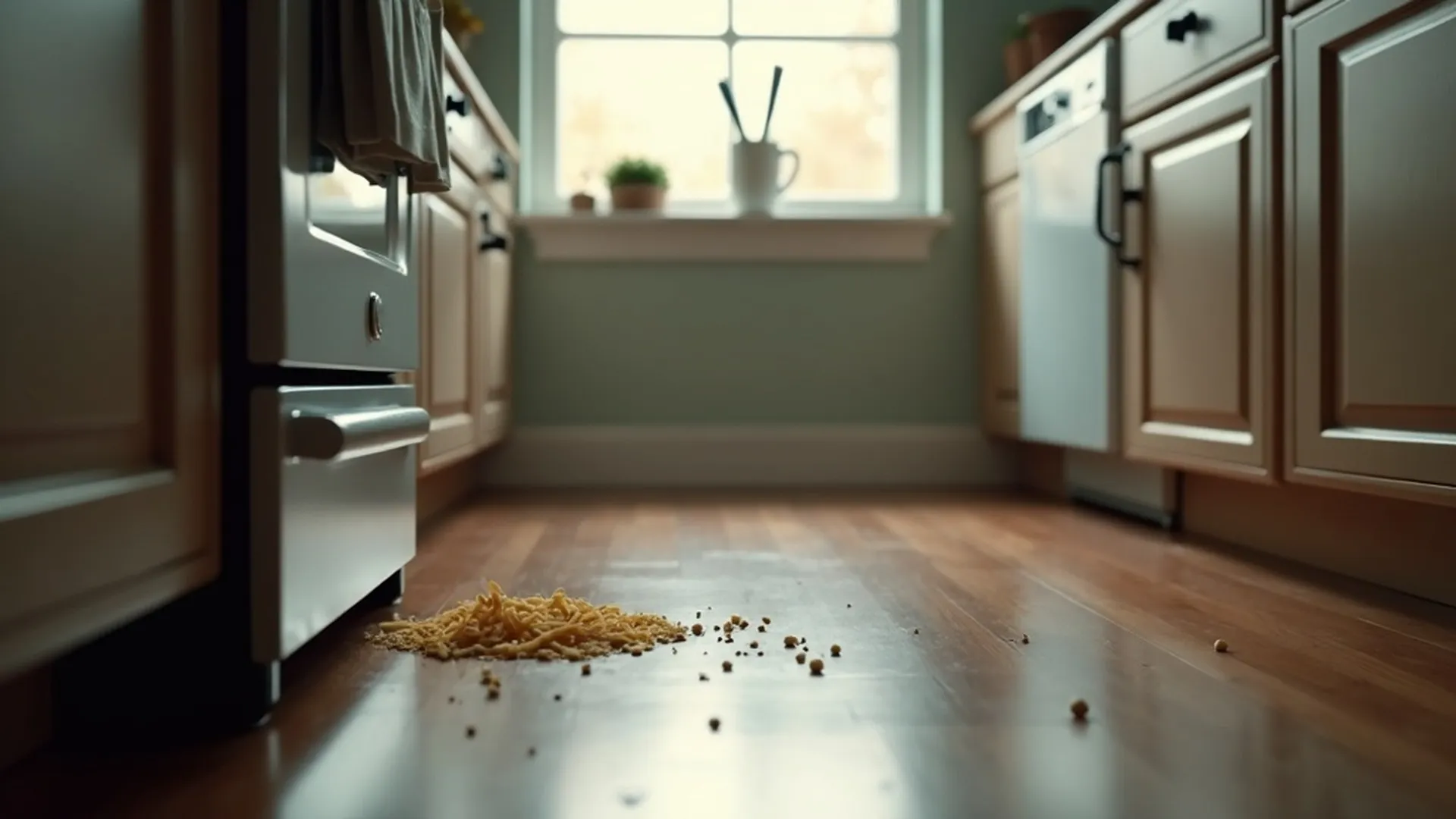
The easiest way to clean behind a stove is to pull it out, sweep up the loose dirt, and wipe the area with warm soapy water. It sounds simple, and it really is, but most people avoid it because it feels messy. Here is the easy way to do it without stress.
Start by turning off the stove and unplugging it for safety. If it is a gas stove, turn off the gas valve. Gently slide the stove forward. Take your time so you do not scratch the floor. Once you can see the space behind it, start by picking up large bits of food or trash. After that, use a broom or vacuum to clear out crumbs and dust.
Next, mix warm water with a little dish soap. Dip a cloth or sponge into the soapy water and wipe the floor, wall, and sides of the stove. If you see sticky spots, spray a bit of vinegar and let it sit for a minute before wiping. Keep cleaning until everything looks fresh again.
When you are done, dry the area with a clean towel. Carefully slide the stove back into place. Now your kitchen feels cleaner and you know the job is done right.
Why Cleaning Behind the Stove Matters
Cleaning behind the stove is something most people forget, but it is actually very important. When you cook, tiny bits of food and drops of oil can fall into the space behind the stove. You might not see them, but they stay there for weeks or even months. Over time, these little pieces of food start to smell bad, and the grease becomes sticky and hard to clean. If you leave that mess alone for too long, it can make your whole kitchen feel dirty even after you clean everything else.
Another reason it matters is because old food attracts bugs. Ants, cockroaches, and even tiny insects love hiding in dark places, and behind the stove is the perfect spot for them. Keeping that area clean can help stop these pests from moving into your kitchen. It also helps prevent bacteria from growing on the old food, which keeps your home healthier and safer.
There is also a safety reason. Grease that builds up behind the stove can catch fire if the area gets too hot. It does not happen often, but it is still a risk you do not want in your house. When the area behind your stove is clean, you lower that risk and make your home safer.
Cleaning behind the stove also helps your kitchen smell better. Sometimes people notice a weird smell in their kitchen and cannot figure out where it is coming from. Most of the time, the problem is hidden dirt behind the stove. Once you clean it, the smell disappears and the kitchen feels fresher right away. Even though it might seem like a small thing, it makes a big difference in how your kitchen looks and feels.
Safety Steps Before You Start Cleaning
Before you clean behind the stove, you need to make sure everything is safe. The stove is a big appliance, and it can be dangerous if you rush. The first thing you should always do is turn the stove off. Even if you think it is already off, double check. You do not want the burners to turn on by accident while you are moving things around.
If you have an electric stove, unplug it from the wall. This stops electricity from flowing through the stove while you work. For a gas stove, turn off the gas valve. The valve is usually right behind the stove or near the wall. Turning it off helps prevent leaks, which can be dangerous. It only takes a few seconds to do, but it gives you a lot of extra safety.
Make sure the floor around the stove is dry. A wet floor makes it easy to slip, especially when you are trying to pull a heavy appliance away from the wall. If you see water or spilled juice nearby, wipe it up before you start. Wearing gloves is also a good idea, because the area behind the stove can have sharp crumbs, dust, and sticky grease that you do not want on your hands.
Another important step is to let the stove cool down. If you cooked something recently, the stove might still be hot, even if it looks normal. Touch the top gently to check the temperature. If it feels warm, wait a little longer. Cleaning around a hot stove can burn your skin or melt your cleaning tools.
These simple steps make a huge difference. They help keep you safe and make the cleaning job much easier. When you take a few minutes to prepare, you avoid accidents and feel more confident while moving and cleaning the stove.
How to Move the Stove Safely
Moving a stove sounds like a big job, but it becomes much easier when you do it the right way. The first thing to remember is that stoves are heavy. Some are so heavy that trying to move them too fast can hurt your back. Before you even touch the stove, look at it and think about how big it is. If it seems too heavy to move by yourself, ask someone to help. It is always safer to work with another person than to try to do everything alone.
Once you are ready, grab both sides of the stove near the front. Do not pull from the knobs or the door, because those parts can break. Pull slowly and gently. If you pull too fast, the stove might tilt or slide unevenly, and that can be dangerous. If the stove feels like it is stuck, do not yank it. Instead, wiggle it a little bit from side to side. This helps loosen it from the floor without using too much force.
If you want to make it easier, you can put something under the stove legs to help it slide. A piece of cardboard or a towel works well. Some people even use special sliders that help large appliances move smoothly. These help protect your floor so it does not get scratched. Just place the sliders under the legs and pull the stove slowly until it moves out from the wall.
While you pull, watch the cords and hoses behind the stove. Electric stoves have power cords that should not stretch too far. Gas stoves have gas hoses that must stay connected and not get pulled tight. If anything looks like it is stretching or bending too much, stop right away and adjust the stove. You do not want to damage the hose, because gas leaks are dangerous.
When the stove is far enough from the wall, stop and make sure it is stable. You do not want it to tip or wobble while you clean. Moving it safely is the most important step, and if you go slow and pay attention, you can do it without any trouble. After that, you will have all the space you need to start cleaning behind it.
Tools and Supplies You Will Need
Before you start cleaning behind your stove, it helps to gather everything you need. This makes the whole job faster and easier because you will not have to stop halfway to look for something. One of the most important things to have is a good degreaser. This is a cleaning spray that helps break down sticky grease that builds up behind the stove. If you do not have a degreaser, you can mix vinegar and water, which also works well for cleaning dirt and oil.
You should also have warm water and mild soap ready. This helps wash away the leftover grease after you use the cleaner. A scrub brush or a strong sponge is useful too. Some spots behind the stove can be really tough, and a soft cloth is not enough to clean them. A scrub brush with stiff bristles helps scrub off the sticky parts without much effort.
Microfiber cloths are great for wiping everything down. They pick up dust better than regular towels and help make the area look cleaner. You might also want an old towel to place on the floor. This protects your floor from any cleaning drips and gives you a spot to kneel on while you work. It is a small step, but it makes the job more comfortable.
If you have a vacuum with a long nozzle, bring that too. It helps suck up crumbs, dust, and even pieces of food that fall behind the stove. Using a vacuum first makes the cleaning much easier because you remove all the loose dirt before you start scrubbing. You will be surprised how much stuff you find back there.
These tools and supplies make a big difference. With the right items, cleaning behind the stove takes less time and feels less stressful. Once everything is ready, you are all set to start cleaning properly.
Step by Step Guide to Cleaning Behind the Stove
Cleaning behind the stove is easier when you follow the steps in the right order. Once the stove is moved away from the wall, start by removing all the loose dirt. Use a vacuum with a long nozzle to suck up crumbs, dust, and small pieces of food. This helps clear the area so you are not trying to scrub over loose debris. You might be surprised by how much stuff is hiding back there, but that is normal for most kitchens.
After you finish vacuuming, it is time to use a cleaner. Spray a degreaser or a mix of vinegar and water on the dirty spots. Make sure you cover the greasy areas well so the cleaner can start breaking down the sticky buildup. Let the cleaner sit for a few minutes. This waiting time is important because it softens the grease, making it much easier to wipe away later.
Next, take a scrub brush or a strong sponge and start scrubbing the dirty spots. Use slow, steady motions. Do not scrub too hard or too fast, or you might splash the cleaner around. Scrub until you see the grease lifting off the wall or floor. Some spots may take a little longer, so do not worry if you need to go over an area twice.
Once the grease is gone, dip a cloth into warm, soapy water and wipe the whole area again. This removes the leftover cleaner and makes the surface look fresh. After that, use a dry cloth to wipe everything dry. This helps prevent streaks and stops dust or dirt from sticking to the damp surface.
When everything is clean and dry, gently slide the stove back into its place. Make sure the power cord or gas hose is straight and not twisted. Push the stove slowly so it sits evenly against the wall. After that, you are all done. Cleaning behind the stove may not be the most fun job, but it feels great once the hidden dirt is gone and your kitchen looks clean again.
Removing Heavy Grease and Stubborn Stains
Sometimes the grease behind the stove is so thick that normal cleaning is not enough. This usually happens when food spills or oil splashes and sits there for a long time. If you see dark, sticky spots that will not come off easily, do not worry. You just need a few extra steps to break them down. The first thing you can try is making a baking soda paste. Mix baking soda with a little water until it becomes thick, like toothpaste. Spread this paste over the really greasy areas and let it sit. Baking soda helps loosen the grease so it is easier to scrub off.
While the paste is sitting, you can spray vinegar on top of it. When vinegar touches baking soda, it bubbles. These bubbles help lift the grease from the surface. Wait a couple of minutes for the bubbling to stop. After that, use a scrub brush or sponge to scrub the area. You should see the greasy spots start to fade away. You might need to repeat this step if the stains are very old or very thick.
For burnt on stains, a vinegar spray works well. Spray vinegar directly on the spot and give it time to sit. Vinegar helps soften burnt food and makes it easier to remove. Just be patient and let it do its job. Scrub gently after a few minutes. Never use metal scrubbers, because they can scratch the wall or floor behind your stove. Scratches make the surface harder to clean in the future and do not look good.
If the stains still do not come off, try adding a bit of dish soap to warm water. Dish soap breaks down oil better than almost anything else. Dip your sponge in the soapy water and scrub again. Sometimes switching between vinegar, baking soda, and soap is the best way to handle really stubborn grease. It may take a little time, but these household items work better than many strong chemical cleaners.
Once the heavy grease and stains are gone, wipe the whole area clean with warm water. Dry it well so no moisture stays trapped behind the stove. Removing tough grease is not always quick, but it is worth it. Once the stains are gone, the area looks much cleaner and your kitchen feels fresher.
Cleaning the Wall Behind the Stove
Cleaning the wall behind the stove is important because grease and food splashes stick to it more than you think. When you cook, tiny drops of oil can fly up and land on the wall without you noticing. After a while, the wall starts to look darker or feel sticky. The good news is that cleaning it is not hard when you use the right method. First, look at what type of wall you have. If it is a painted wall, you should use mild soap and warm water. This keeps the paint safe while still removing dirt.
Start by dipping a cloth into the warm soapy water and wring it out so it is damp but not dripping. Wipe the wall gently in smooth strokes. You might notice some greasy spots that do not come off right away. That is normal. Just add a little more soap and wipe again. For stronger grease, you can spray a small amount of vinegar on the area. Vinegar helps break down the oil so it wipes off easier. Just be careful not to soak the wall too much.
If your wall has tiles, you can use a degreaser. Tiles are tougher and can handle stronger cleaners. Spray the degreaser on the dirty spots and let it sit for a minute. This short wait makes a big difference because the grease starts to dissolve. After that, wipe the tiles with a cloth or sponge. Make sure to clean between the tiles too, because grease can hide in those tiny spaces.
Always wipe the wall from top to bottom. This helps you avoid missing spots and stops dirty water from running over the areas you already cleaned. Once the wall looks clean, use a cloth with plain water to rinse off any leftover soap or cleaner. Rinsing is important because leftover cleaner can attract dust. After rinsing, dry the wall with a clean towel so no water streaks form.
When you finish, the wall behind your stove will look much brighter and cleaner. You might even notice that your kitchen smells better too. Cleaning the wall is a small step, but it makes a big difference in your kitchen.
Cleaning the Floor Behind the Stove
The floor behind the stove usually has the most dirt because crumbs, dust, and grease all fall straight down. When you pull the stove out, you might feel shocked by what you see, but do not worry because cleaning it is pretty simple. Start by sweeping or vacuuming the area. This removes all the loose pieces like crumbs and dust balls. Getting rid of the loose dirt first makes the rest of the cleaning much easier and less messy.
Once the loose stuff is gone, fill a bucket with warm water and a little soap. Dip a cloth or mop in the soapy water and clean the floor gently. If the dirt wipes away easily, you can keep going until the whole area looks clean. Sometimes the floor has sticky spots left from grease or old food. These spots do not come off with just soap and water. That is when a degreaser becomes helpful. Spray the degreaser on the sticky parts and wait a minute. This wait time helps soften the grease so it comes off without too much scrubbing.
If your kitchen has tile floors, you can use a stronger tile cleaner for extra dirty areas. Tile cleaners work well on stains and greasy marks. Just make sure you rinse the area afterward so no cleaner is left behind. If you have wood or laminate flooring, be careful not to use too much water. Too much water can damage wood floors, so it is better to use a damp cloth instead of a soaking wet one.
After the floor is completely clean, dry it with a towel. A dry floor keeps you safe because you will not slip when you push the stove back into place. Drying also helps prevent new dust from sticking to the wet surface. When everything is dry and clean, the space behind your stove will feel fresh and tidy again. It is a satisfying feeling knowing that even the hidden areas of your kitchen are clean.
How to Prevent Future Buildup Behind the Stove
Once you finish cleaning behind the stove, you probably do not want to do it again anytime soon. The good news is that there are some easy habits that help keep the area cleaner for much longer. One of the best things you can do is wipe up spills right after they happen. If oil pops out of the pan or something drips down the side of the stove, cleaning it right away stops the mess from turning into thick, sticky grease later. It only takes a few seconds, but it makes a big difference.
Another smart trick is wiping the wall behind the stove after cooking greasy foods. Foods like fried chicken, burgers, or anything made with oil can leave tiny grease droplets on the wall. You might not see them at first, but they build up over time. A quick wipe with a warm cloth after cooking helps stop that grease from becoming a stubborn stain. This small habit keeps the wall cleaner without much effort.
You can also use a stove gap cover. This is a long, flexible strip that sits between the stove and the countertop. It stops crumbs, sauce drops, and little pieces of food from falling into the tight spaces. With a gap cover in place, there is much less stuff ending up behind the stove. That means less cleaning for you later.
If you fry food often, using a splatter screen helps a lot. A splatter screen sits on top of your pan and blocks oil from flying all over the place. It keeps most of the grease inside the pan where it belongs. This simple tool cuts down on cleanup time and keeps the wall and floor behind the stove much cleaner.
Finally, make a habit of deep cleaning behind the stove every three to six months. It sounds like a lot, but once you do it regularly, the area stays cleaner and the job becomes easier each time. You will not have thick layers of grease to deal with anymore. A quick wipe and sweep will be all you need. With these simple steps, you can keep the space behind your stove clean and fresh without much work.
Conclusion
Cleaning behind your stove might seem like a big job at first, but once you understand the steps, it becomes much easier. A clean space behind the stove helps keep your kitchen safe, fresh, and free of bad smells. It also stops bugs from hiding in old crumbs and prevents grease from building up where you cannot see it. Even though the area is small and hidden, it still makes a big difference in how your whole kitchen feels.
Now that you know how to move the stove, clean the wall, scrub the floor, and remove tough grease, you can take care of this job whenever you need to. The more often you clean it, the faster and easier it becomes. Keeping that spot clean also helps you cook in a safer and healthier space. A clean kitchen always feels better, and it is nice knowing you took care of something that most people never even think about.
Try adding a few simple habits to keep the area from getting dirty again, like wiping spills fast or using a splatter screen when you fry food. Tiny habits go a long way in keeping your kitchen neat. If you discover any little tricks that help you clean behind your stove faster, share them with family or friends. You might help someone else make their kitchen cleaner too.