
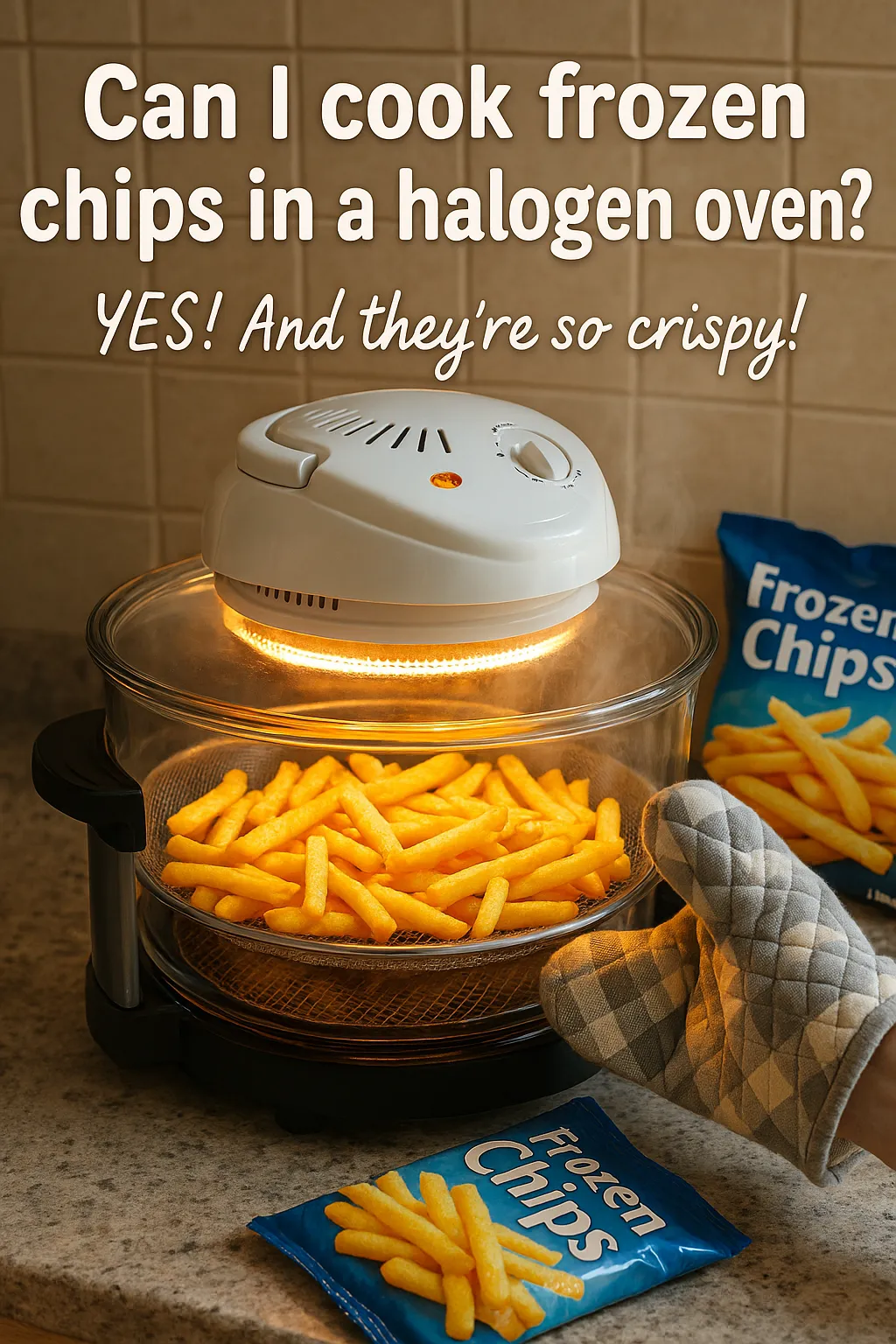
Yes, you can cook frozen chips in a halogen oven, and it is actually one of the easiest ways to get them crispy fast. Halogen ovens heat up quickly, so you do not need to wait for a long preheat. Just place the chips in a single layer inside the bowl, turn on the fan setting if your oven has one, and let the hot air do the work.
Most frozen chips cook well at around 200°C. Start by cooking them for about 12 to 15 minutes. Give the bowl a little shake halfway through so the chips cook evenly. If you want them extra crispy, let them go for a few more minutes until they reach the color you like.
The best part is that halogen ovens use less oil, so your chips come out lighter but still crunchy. Make sure not to overcrowd the bowl because too many chips at once can make them soft instead of crisp.
Once they are done, sprinkle on some salt or your favorite seasoning, and enjoy. It is a quick, simple way to make a tasty snack without turning on a big oven.
How Halogen Ovens Cook Frozen Foods
A halogen oven cooks food with a bright, powerful bulb that creates strong heat. A fan inside pushes that hot air around the bowl, so the heat reaches every side of the food. This is why frozen chips can cook faster in a halogen oven than in a regular oven. The air moves nonstop, so the chips warm up, cook through, and start to crisp without needing much space between them.
When you place frozen chips in the halogen oven, the hot air begins to melt the icy layer on the outside. After that melts, the heat dries the surface which helps the chips get crispy instead of soggy. If the air cannot move well, the chips might cook unevenly or stay soft in some spots. That is why it helps to spread them out in a single layer if you can. When they are piled too high, the heat hits some chips more than others.
Halogen ovens work in a similar way to convection ovens, but they heat up much faster. The light turns on and the bowl gets hot almost right away. This quick start is one reason frozen chips finish sooner. Sometimes the top chips brown faster than the ones under them, so shaking the basket once or twice helps them cook evenly. Once you learn how your halogen oven heats, it becomes easy to get frozen chips to turn out crispy, golden, and ready to eat.
How to Cook Frozen Chips in a Halogen Oven
Cooking frozen chips in a halogen oven is actually pretty simple once you get the hang of it. I remember the first time I tried it, I dumped the whole bag in at once and hoped for the best. Spoiler: half were burnt, half were soft, and I ended up eating the crispy ones while complaining to myself. After a few tries, though, I learned the little tricks that make all the difference.
The first thing to do is preheat the halogen oven for a couple of minutes. It heats up fast, so you do not need to wait long. I used to skip preheating, thinking it would not matter, but it actually helps the chips start cooking right away instead of sitting in warm air that is still rising. Then spread the frozen chips into a single layer as much as you can. When they sit on top of each other, the ones underneath stay soft. A single layer gives them room for the hot air to reach every side.
Once the chips are inside, set the temperature to around 200°C. Most bags recommend something between 180 and 220, and I find 200 is the best middle point. The chips usually take about 12 to 18 minutes depending on how thick they are. I always check around the halfway point and give the basket a little shake. This keeps them from sticking and helps them brown evenly. If your oven has a rack, placing the chips a bit higher can help them crisp quicker, but watch them closely because they can brown faster at the top.
When they start turning golden, that’s when you know you are close. If you like them extra crispy, give them two or three more minutes, but don’t walk away. I have burned a batch by thinking I had time to check my phone. It happens fast. The moment they look golden and firm, take them out and let them rest for a minute. That short rest actually helps the steam escape so they stay crisp instead of softening again.
By following these simple steps, you can get frozen chips that taste just as good as deep fried ones. The halogen oven really does a great job when you keep things quick, hot, and spaced out. Once you figure out your perfect cook time, you’ll make them almost without thinking.
Best Temperature and Time for Cooking Frozen Chips
Finding the best temperature and time for frozen chips in a halogen oven took me way more trial and error than I expected. I thought I could just follow the instructions on the bag and call it a day. Nope. Halogen ovens heat differently, and they cook a lot faster because the hot air moves so strongly. After burning a few batches and undercooking others, I finally figured out the sweet spot.
Most of the time, cooking frozen chips at around 200°C works really well. It is hot enough to crisp the outside without drying them out too fast. When I tried lower temperatures like 160 or 170, the chips stayed pale and kind of soft, almost like they had steamed. When I tried 220 or higher, the outside browned too quickly while the inside stayed cold. So 200°C became my go-to, and it works with almost every brand I have tried.
As for the cooking time, it depends on the type of chips. Thin fries, like shoestring or fast-food style, can be ready in about 10 to 12 minutes. I learned this the hard way after leaving them in for 15 minutes and ending up with little brown twigs. Thicker chips, like straight-cut or crinkle, usually take about 15 to 18 minutes. And chunky chips, the big ones, sometimes need 20 minutes, especially if they come from a more frozen part of the bag.
I always check around halfway through and give them a shake. Not shaking them is the number one reason they cook unevenly. The first time I forgot to do it, I ended up with one side that looked great and another side that still looked frozen. Just a quick shake or flip makes a huge difference. If the chips are sitting on a lower rack, sometimes I move them up for the last few minutes to help them crisp faster.
When they look golden and feel firm when you poke them with a fork, they are done. I like leaving mine in one extra minute because I love that crunchy bite, but that part is totally based on what you prefer. Just keep an eye on them near the end because they can go from perfect to overdone pretty quickly. Once you learn how your halogen oven behaves, you get a feel for the exact timing.
Tips for Getting Crispy Halogen Oven Chips
Getting crispy chips in a halogen oven sounds easy, but it took me a while to figure out what actually works. I used to think you could just dump the chips in, turn the heat up, and hope for the best. But every time I rushed it, the chips ended up soft or patchy. After a lot of experimenting, I found a handful of simple tricks that make a huge difference.
One of the most helpful things is to spread the chips out. I know it is tempting to dump half the bag in, especially when you are hungry, but crowding them stops the air from moving around the chips. I did that once and ended up with a batch where the top chips were crunchy and the lower chips tasted like warm mush. A single layer is always better. If you must cook more, do two smaller batches instead of one big one.
Adding a tiny bit of oil can also help them crisp. I do not mean soaking them. Just one teaspoon drizzled lightly or sprayed over the top makes the texture better. There was a time I used too much oil, thinking it would make the chips extra crunchy, but it did the opposite. They tasted greasy and heavy. A light coat is perfect because the chips already have oil from the factory.
Preheating the halogen oven for two minutes makes a surprising difference. When I used to skip preheating, the chips heated slowly and stayed soft longer. Starting hot gives the outside a quick boost so they crisp faster. Shaking them halfway is another key step. It fixes uneven browning and stops certain spots from burning. If I forget to shake, I can always tell because the chips cook in stripes.
One trick I learned by accident was raising the chips closer to the top. One day I placed the rack too high without thinking and noticed the chips browned quicker and more evenly. Now I use the high rack when I want extra crunch, but I watch them closely because they can brown quickly. Keeping the lid clean also matters more than I expected. A dirty lid blocks some heat and slows the cooking, something I learned after noticing my chips were taking longer than usual.
Letting the chips rest for a minute after cooking helps the steam escape. I used to grab them right away, but sometimes they softened again because the trapped steam made the surface damp. Resting them briefly keeps the texture firm and crisp. With these small tricks, almost anyone can get crispy, golden chips from a halogen oven without much effort at all.
Common Mistakes to Avoid When Cooking Frozen Chips
When I first started using a halogen oven, I made pretty much every mistake you can think of with frozen chips. It got to a point where I wondered if the oven was broken, but it turned out it was just me doing things the wrong way. Once I figured out what not to do, my chips finally started coming out crispy instead of sad and soggy. These mistakes are easy to fix, but they make a big difference.
One big mistake is overcrowding the bowl. I used to pour in a huge pile of chips because I didn’t want to cook twice. That always left half of them undercooked. The air cannot move well when the chips are stacked, so the bottom ones never crisp. It is always better to cook a smaller amount in one layer. It feels slower, but the chips come out way better, and the second batch cooks fast because the halogen oven heats so quickly.
Another mistake is skipping the shake. When you do not shake or stir halfway through, some chips stay pale while others turn brown too fast. I once cooked a batch without touching them and ended up with chips that looked like two different types. A quick shake fixes that. Not checking early enough is another problem. Halogen ovens cook faster than you expect, so if you normally leave chips in a regular oven for 25 minutes, you cannot use the same timing here. You will burn them for sure. I have done that twice. The smell is terrible.
Using too much oil is another common issue. I thought adding more oil would make the chips crunchy, but it just made them heavy and greasy. Frozen chips already have oil coated on them. You only need the tiniest amount if you want to boost crispiness. Also, cooking at too high a temperature can ruin the batch. I tried 230°C once thinking I would get restaurant-style crunch. Instead, the edges burned while the centers were still soft.
One mistake I did not expect was not cleaning the lid. A dirty lid blocks heat and slows down cooking more than you think. I noticed my chips were taking ages one day, and it was because the glass was cloudy with oil from earlier meals. Wiping it clean made the chips crisp up faster again. Another thing to avoid is opening the lid too often. Every time you lift it, the hot air escapes and the cooking stalls. I used to check constantly because I was scared of burning them, but that only made the process uneven and slower.
The last mistake is not letting the chips rest. Pulling them out and eating them right away traps steam and softens the surface. Giving them one minute to rest keeps them crisp. It sounds small, but it works. Once you avoid these simple mistakes, cooking frozen chips in a halogen oven becomes easy and the results are way more reliable.
What Types of Chips Work Best in a Halogen Oven
Over time, I learned that not all frozen chips behave the same in a halogen oven. Some come out perfectly crisp without much effort, while others always seem to fight back no matter what you do. I used to think all chips were basically made the same, but after testing so many different kinds, it turns out the type of chip you use matters a lot. The halogen oven cooks fast and strong, so certain styles react better to that heat.
Thin fries, like shoestring or fast food style, cook the quickest. They crisp up in no time, which is great when you want a fast snack. The downside is they can burn fast if you walk away even for a minute. I once left a batch in for what I thought was a short moment, and they turned into little brown sticks before I knew it. If you use thin fries, you have to watch them closely. They work well, but you need to pay attention.
Straight cut chips are my favorite for halogen ovens. They cook evenly, hold their shape, and crisp nicely without drying out too fast. They take a few minutes longer than thin fries, but the texture comes out perfect most of the time. Whenever someone asks me which type to use, I always recommend straight cut first because they are the most forgiving. Even if you forget to shake them once, they usually still turn out fine.
Crinkle cut chips also do well, but they sometimes take a little longer because of the ridges. Those ridges catch heat differently, so you might find one side crisp before the other. When I cook crinkle chips, I always shake them at least twice because they need that extra movement to brown evenly. The taste and crunch are great, but you have to be a little more patient.
Chunky chips or steak fries can be a bit tricky. They taste amazing when done right, but they need more time, and if your halogen oven heats unevenly, the thick chips might stay soft inside. I remember biting into one that looked golden on the outside but was still cold in the center. It was not fun. If you use chunky chips, you may need to lower the temperature slightly or cook them longer to make sure the heat reaches the middle.
Coated chips, like seasoned fries or ones with a crispy batter, tend to work really well. The coating helps them brown faster and adds a nice crunch. Just keep an eye on them because the seasoning can burn if they cook too close to the top. Waffle fries are fun to make too. The holes help the air move through them, so they crisp evenly, but they cook fast, so checking early is important.
Every halogen oven cooks a little differently, so the best chip for you might depend on how strong your oven heats. After enough practice, you will know exactly which type cooks best with your setup. Testing different kinds is actually pretty fun, and once you find your favorite, you can make restaurant-style chips anytime.
Do You Need to Add Oil When Using a Halogen Oven
The question of whether you need to add oil when cooking frozen chips in a halogen oven is something I wondered about for a long time. At first, I added way too much oil because I thought more oil meant more crunch. It didn’t work at all. The chips came out greasy, heavy, and almost soggy in the middle. After that, I stopped adding oil completely, which helped, but sometimes the chips still felt a little dry. It took a bunch of tries before I found the balance that actually works.
The truth is, most frozen chips already come coated in a thin layer of oil. That is how the factories get them to brown nicely in the first place. So you technically do not need to add any extra oil at all. If you cook them with no oil, they will still crisp up, especially in a halogen oven where the hot air hits them from every angle. I made plenty of batches with zero added oil, and they came out just fine. They tasted lighter and less greasy, which I liked.
But I also learned that adding a tiny bit of oil can make them even crispier. I mean tiny. Not a tablespoon. Not a full splash. Just a quick drizzle or a couple of sprays. When I started using a spray bottle, things changed. One or two sprays are enough to give the chips a golden finish without making them oily. I tried brushing oil once, but that put too much on, so spraying or rubbing just a few drops between my hands works better.
Another thing I learned is that different types of chips react differently. Crinkle cut chips sometimes need a touch more oil because the grooves can dry out. Thin fries usually do better with no oil at all because they brown quickly. Chunky chips can benefit from a couple of drops because they need more time to crisp on the outside. I didn’t figure any of this out on purpose. It just happened after so many batches where the chips looked either too pale or too shiny.
If you add oil, it helps to do it before cooking, not halfway through. I tried adding oil in the middle of cooking once, and the chips softened because the oil cooled them down and stopped them from crisping. Adding it lightly at the start gives the oven time to heat the oil and create that crunchy layer we all want. But again, less is always better. A heavy hand with oil ruins everything.
If you want the healthiest option, skip oil completely. If you want extra crunch, add a tiny bit. That’s really all there is to it. After a while, you will know exactly how much your halogen oven needs because each oven heats a little differently. Once I learned what worked for me, I stopped guessing and got way better results.
Should You Preheat a Halogen Oven Before Cooking Chips
For a long time, I wasn’t sure if I should bother preheating a halogen oven. Most people online said you don’t have to because halogen ovens heat up fast. So I skipped it every time. But after a bunch of soft batches and uneven cooking, I finally tested preheating on purpose. And honestly, the difference surprised me. It turns out that preheating, even for just two minutes, can change how crispy the chips turn out.
When you drop frozen chips into a cold halogen oven, the air needs time to heat. During that warm-up period, the chips start thawing slowly instead of crisping. I used to wonder why the first few minutes always felt like nothing was happening. Then the chips would suddenly start cooking, but by that time they had already softened too much. The outside never crisped as well as I wanted. It wasn’t until I tried preheating that I understood the problem.
Preheating helps the chips hit hot air right away. The moment they go in, the outside starts drying and crisping instead of steaming. Even a short two-minute preheat gives the halogen bulb enough time to get the air moving and build up strong heat. I’ve tested this side by side. One batch in a cold oven, one in a preheated oven. The preheated batch browned faster, crisped more evenly, and didn’t get that soggy start.
Another benefit of preheating is consistency. Without preheating, cooking times can change every single time. Sometimes the chips took 16 minutes, other times 20. I could never predict it. Once I started preheating, the timing became much more stable. It made the whole process easier because I didn’t have to constantly guess when the chips would be ready.
Something else I noticed is that preheating especially helps thick chips. Chunky chips have a lot of moisture inside, so if the oven starts cold, the steam gets trapped and softens the outside. When the oven is already hot, the outside sets quicker, which helps the inside cook properly later. Thin fries don’t need as much help, but even they come out crispier with a short preheat.
The nice part is halogen ovens preheat fast. You don’t need a full ten minutes like a big oven. Two or three minutes is usually enough because the halogen light gets hot almost instantly. I sometimes preheat while I’m opening the bag or spreading the chips. It fits naturally into the cooking routine without adding extra time.
At this point, preheating is a habit for me. It doesn’t take long, and it almost always gives better results. I still hear people say it’s optional, and maybe it is, but if you want the crispiest chips without much effort, those couple of minutes make a real difference.
Do You Need to Shake the Chips While Cooking
Shaking the chips while they cook might feel like an extra step, but it makes a huge difference in a halogen oven. I learned this the hard way. In my early attempts, I just tossed the chips in, set the timer, and walked away. When I came back, half the chips were dark brown and the other half looked like they hadn’t even started cooking. It honestly looked like two different batches mixed together. That was the moment I realized shaking wasn’t optional.
The reason shaking helps so much is because halogen ovens cook with strong, moving air. The heat hits the chips from the top and swirls around them, but if the chips stay in the exact same position the whole time, the same sides keep facing the strongest heat. Some chips get too much direct heat, while others get almost none. Shaking changes their positions so the heat spreads out more evenly.
I usually shake the chips around halfway through cooking. If the total time is around 15 minutes, I shake at the 7 or 8 minute mark. When I forget to shake, I always notice the difference. One time I cooked a batch of straight cut chips and didn’t touch them at all. The ones near the glass lid browned really fast, while the chips sitting lower in the bowl stayed pale and soft. It looked like a cartoon where someone turned the heat up on only half the food.
Shaking also helps chips that tend to stick together. Frozen chips sometimes cling to each other when the ice melts. A quick shake breaks them apart so each chip gets exposed to the hot air. I used to poke them with a fork instead, but shaking works way better and doesn’t damage the coating. It also takes just one second.
Some halogen ovens come with a mesh basket or rotating bowl, and those make shaking even easier. I used a mesh tray once, and a simple shake made every chip move around like popcorn. If you’re using a flat tray or a solid bowl, you might need to lift them slightly and give them a gentle toss. It doesn’t have to be perfect. Even a small shake helps the chips cook evenly.
I also found that shaking the chips helps them crisp all over, not just on one side. When they stay still, only the top gets that golden color, and the bottoms stay soft. After a shake, new sides are exposed to the heat, which is what gives you that even crunch from edge to edge. It’s one of those tiny habits that makes you wonder why you didn’t do it sooner.
At this point, shaking the chips is just part of the routine for me. It takes almost no effort and saves the whole batch from turning out uneven. If you want the chips to come out crispy all over with no pale soft spots, shaking halfway is one of the easiest and most reliable tricks you can use.
Do Halogen Ovens Cook Chips Faster Than Regular Ovens
The first time I cooked frozen chips in a halogen oven, I honestly didn’t expect them to finish much faster. I figured heat is heat, right? But when I pulled them out almost ten minutes earlier than usual, I realized halogen ovens really do cook faster than regular ovens. After using both for years, the difference is clear. The halogen oven doesn’t just heat up faster. It cooks differently, and that’s what cuts the time down.
A regular oven needs several minutes just to warm up. Sometimes ten or more, depending on the model. During that time, the chips are not cooking at all. The halogen oven, on the other hand, blasts heat almost the moment you turn it on. The bulb gets hot fast, and the fan pushes that heat around so it wraps around the chips from every angle. Even before you notice the light getting bright, the oven is already heating the air inside.
Another reason halogen ovens cook faster is because they are smaller. With a regular oven, the heating element has to warm a huge space. In a halogen oven, the heat stays close to the food. That makes the cooking more direct and more intense. When I tested both ovens side by side, the halogen oven always finished several minutes earlier, even when I tried adjusting the temperatures to match. The chips cooked through faster, browned faster, and got crispy quicker.
The circulating hot air in the halogen oven also speeds things up. In a regular oven, the heat can be uneven. Some spots might be hotter than others. But the halogen oven pushes the air constantly, which means the chips don’t sit in cooler areas. They get hit with the same strong heat from the top and sides. It is like having a tiny wind tunnel of heat aimed at the food. That constant movement is what gives halogen ovens that fast cooking time people like.
I remember one day when I was running late and needed to make something quick. I decided to test both ovens with the same amount of frozen chips. I put one tray in the regular oven and one batch in the halogen oven. The halogen batch was done, crispy, and ready to eat before the regular oven had even reached full temperature. That was the moment I stopped doubting the speed difference.
That speed doesn’t mean you should walk away, though. Faster cooking also means the chips can burn quicker if you don’t watch them. I’ve burned plenty of batches because I kept thinking they needed more time. In the halogen oven, you always check sooner. What used to take 20 or 25 minutes in a regular oven might only take 12 to 18 minutes now.
So yes, halogen ovens absolutely cook chips faster. They heat quickly, cook with strong moving air, and keep the heat close to the food. Once you get used to the shorter cooking time, it becomes one of the best things about using a halogen oven, especially when you want a fast snack without waiting around.
How to Clean Your Halogen Oven After Cooking Chips
Cleaning the halogen oven after cooking chips is something I used to avoid. I would tell myself I’d clean it later, but later never came. Then one day the lid was so cloudy with grease that the chips started taking longer to cook, and some batches came out uneven. That’s when I learned that cleaning the halogen oven isn’t just about looks. It actually affects how well it cooks. Once I figured out a simple routine, cleaning became quick and easy.
The first thing I do is let the oven cool down. I made the mistake once of trying to wipe the bowl while it was still warm, and the cloth stuck to the hot glass. Not fun. When it’s cool, I take out the bowl and racks. Most halogen oven bowls are glass, so they clean pretty easily. A bit of warm water and dish soap usually removes most of the oil from the chips. If I cooked coated chips or seasoned chips, sometimes the seasoning sticks to the bottom. In that case, letting the bowl soak for five minutes helps a lot.
The racks are always the trickiest part. Chips leave little oily spots and crumbs that cling to the metal. I used to scrub them too hard and scratch the coating. Now I just let them soak in hot sudsy water. After ten minutes, the grease loosens up and wipes off with almost no effort. If I want to make it even easier, I line the bottom rack with foil before cooking. That catches the drips and saves time later.
The lid is the part most people forget, but it needs cleaning the most. When chips cook, the hot air pushes tiny bits of oil up onto the lid. Over time, that oil forms a cloudy layer that blocks heat. I didn’t understand why my chips were taking longer until I realized the lid was the problem. The lid can’t go in water because it has electrical parts, so I clean it with a damp cloth and a tiny bit of dish soap. Wiping gently works fine. I never spray water directly on it since that can damage the heating element.
If the lid gets really greasy, I use a mixture of warm water and a little vinegar on a cloth. It cuts through the oil without scrubbing hard. You have to keep the cloth only slightly damp so nothing drips inside the lid. Once I started cleaning the lid regularly, the halogen oven heated up faster again and cooked more evenly. I didn’t expect cleaning to affect cooking speed, but it really does.
Another thing I do is empty the crumbs from the bottom after every use. Chips often leave tiny pieces that fall through the rack. If those crumbs stay inside, they can burn during the next use and create a smoky smell. I had that happen once and thought something was wrong with the oven. Turns out it was just old crumbs getting cooked again.
The whole cleaning routine takes maybe five minutes once you get used to it. And the more you do it, the less buildup you ever have to deal with. Keeping the halogen oven clean helps it cook better, look nicer on the counter, and last longer. After I saw the difference it made, I stopped putting off cleaning. It’s one of those small habits that saves time and frustration later.
Safety Tips When Using a Halogen Oven for Frozen Chips
Safety might not be the first thing you think about when cooking frozen chips, but halogen ovens can get extremely hot, and I’ve learned a few lessons the hard way. The first time I used one, I touched the lid without thinking and nearly tossed it across the kitchen. After that, I realized that treating the halogen oven like a regular oven is the safest way to go. A little caution keeps you from getting burned or damaging the oven.
One of the biggest safety tips is to always use the handle or heatproof gloves when lifting the lid. The lid holds the heating element, and it gets hotter than you’d expect. I once absentmindedly grabbed it to check the chips, and I felt the heat through my fingertips instantly. The lid also stays hot for a long time after cooking, so placing it on a heatproof stand or metal rack is important. Putting it on a plastic surface can melt the plastic, and yes, I’ve done that too.
Another thing to watch is the cord. Halogen ovens are top-heavy when the lid is open, and if the cord pulls or snags, the whole thing can shift. I make sure the cord hangs freely and isn’t caught under anything. It sounds small, but all it takes is one little pull at the wrong time to cause trouble. I also keep some space around the oven when it’s running because the outside gets warm, and you don’t want other items or hands bumping into it.
Steam is another thing people forget. When you lift the lid, hot steam rushes out fast. I once leaned over the oven while lifting the lid and the steam fogged my glasses and hit my face. Now I always step back a bit when opening it, just like with a pot of boiling water. It keeps the heat away from your skin and makes the oven safer to use.
Something else I pay attention to is the placement of the oven. Halogen ovens need a solid, flat surface. I used mine on a weak little side table once, and every time I lifted the lid, the whole table wobbled. Since the lid is heavy and stays attached to the cord, it can tip if the base isn’t stable. Putting it on a kitchen counter or a sturdy table is always the best choice. It stays steady, and you don’t have to worry about the lid swinging.
It’s also important to avoid covering the vents. The oven needs airflow to keep the fan and bulb cool. If the vents get blocked, the oven can overheat or shut off. I accidentally placed mine too close to a wall once, and the back vent couldn’t breathe properly. After a few minutes, the oven got way hotter than it should have. Now I keep a bit of space on all sides just to be safe.
Cleaning the oven is also part of safety. A dirty lid or clogged vent is not only bad for cooking results, but it can cause smoke or trapped heat. When crumbs burn at the bottom, they smell awful and can even cause the oven to overheat. Wiping things down and emptying the crumbs keeps everything running safely.
The halogen oven is safe to use as long as you treat it like the hot appliance it is. Most of the risks are easy to avoid with a little attention. Once you get into a routine, you don’t even think about it anymore. It becomes second nature to lift the lid safely, check the cord, watch for steam, and give the oven a bit of breathing room. These small habits go a long way and make cooking frozen chips simple and safe every time.
Final Thoughts on Cooking Frozen Chips in a Halogen Oven
After using a halogen oven for years, I can honestly say it’s one of the easiest and fastest ways to cook frozen chips. When I first started, I didn’t expect the results to be much different from a regular oven, but once I got used to the speed and the crispiness, it became my go-to method. The more I practiced, the more I learned what made the chips turn out great and what made them fail. It’s one of those appliances that rewards you quickly once you learn a few simple habits.
One thing I really love is how predictable the results become once you know your oven. Every halogen oven heats a little differently, but after a few tries, you can tell exactly how yours behaves. You start to know which rack height works best, how long different chip types take, and when you need to shake them. That familiarity makes cooking almost automatic. I don’t even need to think about it anymore. I just set it, shake it once, and wait for the chips to turn golden.
Another thing that stands out is how convenient it is. You don’t have to wait forever for it to preheat. You don’t need to clean a giant baking tray. And you don’t need a huge kitchen to use it. I’ve used mine in tight spaces, on small tables, even in a dorm-style setup once. As long as you keep the lid clean and the bowl clear of crumbs, the halogen oven stays reliable and steady. The small size and strong heat make it perfect for quick meals.
What surprised me most is how many little tricks make a big difference. Things like not overcrowding, using just a tiny bit of oil, preheating for two minutes, shaking halfway, and watching the chips near the end turn the results from “okay” to “restaurant-level crisp.” I’ve made chips that were so crunchy friends actually asked if I deep fried them. That’s when you know the halogen oven is doing its job.
And honestly, cooking chips this way is fun. There’s something satisfying about seeing them brown so quickly under the bright halogen light. You can literally watch them crisp. Kids love seeing that too, and it makes cooking a bit more interactive. It feels less like waiting and more like watching something happen right in front of you.
In the end, cooking frozen chips in a halogen oven is easy, fast, and consistent once you know the rhythm of it. Whether you like thin fries or chunky chips, seasoned or plain, the halogen oven handles them well as long as you give it a little care. If you’ve struggled with soft chips or uneven cooking in the past, these tips and tricks can help you fix those problems right away.
If you keep experimenting and pay attention to what works best for you, you’ll end up with your own perfect method. And once you figure it out, you won’t want to cook frozen chips any other way.
Conclusion
Cooking frozen chips in a halogen oven is one of those things that seems tricky at first, but once you learn the basics, it becomes incredibly easy. I remember struggling with soft chips, burnt edges, and uneven batches when I first started. But after paying attention to how the oven heats, how fast it cooks, and how important little habits like shaking and preheating are, everything clicked. Now the chips come out crispy almost every time without much work at all.
The halogen oven’s speed is a huge bonus. You don’t have to wait forever for it to warm up or use a big oven for a small portion of food. With a bit of spacing, the right temperature, and a quick shake halfway through, you can make chips that taste just as good as the ones from your favorite shop. It also helps that you can watch them while they cook, which makes it easier to stop them at the perfect moment.
Whether you like thin fries, chunky chips, or seasoned ones, the halogen oven handles them all well as long as you follow a few simple steps. The more you cook with it, the better you’ll get at knowing what works best for your taste. And don’t forget to keep the oven clean, because that alone improves cooking more than most people realize.
At the end of the day, the halogen oven is a reliable, fast, and fun way to cook frozen chips. If you try different chip types, adjust the timing, and use the tips shared here, you’ll find your own perfect method. And once you do, you’ll probably never go back to cooking frozen chips any other way.