
Cooking shows are so popular because they mix food, fun, and learning in a way that feels easy to watch. People love seeing tasty dishes come together, and these shows make cooking feel less scary. Even if you are not a great cook, it is relaxing to watch someone else chop, stir, and plate a meal.
Another reason people enjoy cooking shows is that they help spark new ideas. You might see a simple pasta recipe or a quick dessert and think, Hey, I can make that tonight. It feels like getting free lessons from someone who knows what they are doing. Many viewers use these shows for inspiration when they are tired of making the same meals over and over.
Cooking shows are also fun because they tell stories. You get to learn about different cultures, family traditions, and new flavors without leaving your couch. Some shows even add friendly competition, which makes them even more exciting.
In the end, cooking shows make people feel connected. They bring comfort, teach useful tips, and give everyone a reason to gather around good food. That mix of entertainment and real-life value is what keeps viewers coming back.
The Comfort Factor of Cooking Shows
Cooking shows have this warm and cozy feeling that makes people want to settle in and watch for a while. I’ve had days when I felt tired or stressed, and for some reason, turning on a cooking show made everything feel a little calmer. There’s something about seeing someone chop vegetables, stir a pot, or pull a dish out of the oven that feels peaceful, almost like sitting in a quiet kitchen with a friend. It’s slow, simple, and familiar, and sometimes that’s exactly what people need.
A lot of viewers love cooking shows because they don’t feel overwhelming. You can watch them without needing to follow a complicated story. You don’t have to remember characters or keep up with big plot twists. You just get to sit back and enjoy the soft background music, the steady rhythm of cooking, and the friendly voice of the host. It’s almost like the show gives your brain a break. Even if you’re not planning to cook anything, it still feels nice to watch someone else make a meal from start to finish.
Another reason cooking shows feel comforting is the routine. Most episodes follow a simple pattern. The host greets you, gathers ingredients, cooks the dish, and then shows the final plate at the end. There’s something safe and satisfying about knowing what to expect. When life feels chaotic, that predictable flow brings a sense of stability. I’ve heard people say they even fall asleep to cooking shows because the soft pace helps them relax.
Plus, cooking reminds most of us of home. Maybe you think of your mom making soup on a cold day, or a grandparent baking something sweet. Food connects us to good memories. When a cooking show brings those moments back, it creates a warm emotional feeling that keeps people watching. Even small things like hearing onions sizzle or seeing someone knead dough can remind you of happy times in your own kitchen.
Some people also watch cooking shows for background noise. They like having something calm on while they clean, fold laundry, or cook their own meal. It feels like company without any pressure to talk or focus too hard. The host almost feels like a friendly presence in the room, guiding you through something simple and familiar.
All of these little pieces come together to create a relaxing experience that viewers return to again and again. Cooking shows make people feel calm, safe, and at home. And in a world that can feel stressful, that kind of comfort is something many people look for every day.
Food as Universal Entertainment
Food is one of the few things every person on Earth connects with, and that’s a big reason cooking shows are loved by so many people. No matter where you live or what language you speak, everyone understands food. When you see someone make pasta, fry chicken, or bake a cake, you instantly get what’s happening. You don’t need special knowledge to follow along. That makes cooking shows easy for anyone to enjoy, even if they’ve never cooked before.
I remember watching a cooking show with a friend who didn’t know much English. Even though he couldn’t understand every word the host said, he still enjoyed the whole episode. He could follow the steps just by watching, and he even guessed what the final dish would taste like. That’s how powerful food is. It speaks in a way everyone understands.
Cooking shows also entertain people because food brings out emotions. A dish might remind you of your childhood or a family holiday. Maybe you see someone make a recipe you used to eat at your grandmother’s house. Suddenly the show becomes more than entertainment. It becomes a memory. These little moments make the show feel more personal and keep viewers coming back.
Another reason food is such good entertainment is that there’s always something new to learn. Even if you don’t plan on cooking, it’s fun to see different ingredients, flavors, and methods. You might learn that you can grill watermelon or that you can use yogurt instead of cream. You might see a dish from another country and think, “Wow, I didn’t know people ate that.” You don’t have to try it yourself to enjoy learning about it.
Food also brings people together. Families sit down and watch cooking shows the same way they watch movies or sports. It’s safe for all ages, so kids, parents, and grandparents can enjoy it together. I’ve seen families make little traditions out of watching cooking shows on the weekend. Some even try to cook a recipe from the episode, which turns into a fun activity.
Even for people who don’t love cooking, watching someone else cook can still be entertaining. It’s like watching someone paint or build something. You get to see a process happen right in front of you. There’s a beginning, middle, and end. And the ending is always satisfying because you get to see the final plate of food.
This simple, universal connection is why food works so well on TV. It’s something everyone understands, enjoys, and feels connected to. Cooking shows take that idea and turn it into something fun to watch, whether you’re hungry, curious, or just in the mood for something relaxing.
Relatable Hosts and Personalities
One big reason cooking shows stay popular is the hosts. People connect with them in a real way. Many hosts talk like they’re chatting with a friend in their kitchen, and that makes viewers feel included. I’ve watched chefs make mistakes, laugh at themselves, or admit they forgot an ingredient, and honestly, those moments make them feel even more relatable. Nobody wants to watch someone who seems perfect all the time. Viewers enjoy seeing hosts who feel human.
A good host has a way of making cooking look fun instead of stressful. Some hosts joke around while chopping vegetables, and others talk about their families or traditions as they cook. That storytelling pulls people in. It feels like you’re learning from someone who cares about what they’re making. When a host shares a childhood memory or explains why a dish matters to them, it adds warmth to the show. It makes you want to keep watching because it feels personal.
Hosts also bring their own personality to the show. Some are calm and gentle. Others are loud, excited, and full of energy. Some talk fast, some talk slow, and some dance around the kitchen while cooking. Viewers end up picking favorites based on their personalities, not just their cooking skills. I’ve had a few hosts I followed from show to show just because they made me smile or made learning feel easy.
Another thing people love is watching a host improve or grow over time. Maybe they used to be shy on camera but get more confident. Maybe they start trying harder recipes or teaching new techniques. Watching their journey can feel like watching a friend grow. Viewers feel proud of them even though they’ve never met in real life.
Some hosts also share little details about their lives, like their pets, their kids, or their favorite snacks. These small details help people feel a connection. Viewers start to feel like they know the host, even though the relationship is just through a screen. That feeling of closeness keeps people coming back week after week.
Relatable hosts also make cooking less scary. When someone smiles through a mistake or says, “It’s okay if yours looks different,” it helps people feel more confident. Viewers think, “If they can mess up and still make something delicious, maybe I can too.” That kind of encouragement is powerful, especially for people who don’t cook often.
And of course, fan communities grow around hosts. People talk about them online, share their recipes, and follow them on social media. A friendly, real, down to earth personality can bring thousands of viewers to a show just because they like spending time with the host.
In the end, cooking shows are not only about the food. They are about the people who cook it. Relatable hosts make viewers feel welcome, entertained, and inspired. That personal connection is a huge part of why cooking shows stay so popular year after year.
Inspiration for Home Cooking
Cooking shows are a big source of inspiration for people who want to cook at home. Even if you don’t cook often, seeing someone make a dish step by step can make you think, “Hey, maybe I can do that too.” I’ve had plenty of moments where I wasn’t planning to cook anything special, but after watching a show, I suddenly wanted to try a new recipe or use an ingredient I’d never touched before. It’s like the show gives you a little boost of confidence.
One thing that makes cooking shows so inspiring is how simple they make food look. The host chops everything neatly, mixes things in the right order, and always ends with a delicious plate. It’s satisfying to watch, and it also shows viewers that cooking doesn’t have to be scary. You might see a dish you thought was hard and realize it’s really just a few steps. That kind of easy instruction makes people feel like they can try new things in their own kitchen.
Another reason these shows inspire home cooks is the variety of dishes they show. Some episodes focus on comfort food. Others show quick meals for busy nights. Some teach fancy techniques, and some teach simple tricks like how to season food better. You end up learning little tips without even trying. I remember watching a show where the host said adding a splash of lemon at the end makes everything taste fresher. I tried it the next day, and it completely changed the dish. Small things like that make cooking feel more fun.
Cooking shows also help people break out of food routines. A lot of us get stuck making the same meals every week. Watching someone cook something new can spark ideas. You might think, “I never thought of making that at home,” or “That looks fast enough for a weeknight.” These small sparks add up and motivate people to try new flavors, new spices, and new cooking styles.
Another part of the inspiration comes from the energy of the show. Most hosts talk about cooking like it’s an exciting adventure. They smile, laugh, and act proud of what they make. That positive attitude rubs off on viewers. It’s hard to watch someone enjoy cooking and not feel a little excitement yourself. Even the music and bright colors in the show help build that feeling.
Cooking shows also fill a gap for people who didn’t learn cooking growing up. Many viewers say they learned basic skills from TV. Things like chopping onions, boiling pasta correctly, or knowing when meat is done. When you watch enough episodes, you start picking up techniques without even realizing it. Before long, you feel more comfortable in your kitchen.
And sometimes, the inspiration comes from emotion. When a host talks about cooking for their family or making a dish passed down from grandparents, viewers feel touched. It makes cooking feel meaningful, not just a chore. That emotional connection motivates people to cook for their own families or friends.
When you put all of this together, it’s easy to see why cooking shows push people to cook more at home. They mix simple instructions, exciting ideas, easy tips, and emotional stories. Viewers walk away not only entertained but also ready to try something new in the kitchen.
Visual Appeal and High-Quality Filming
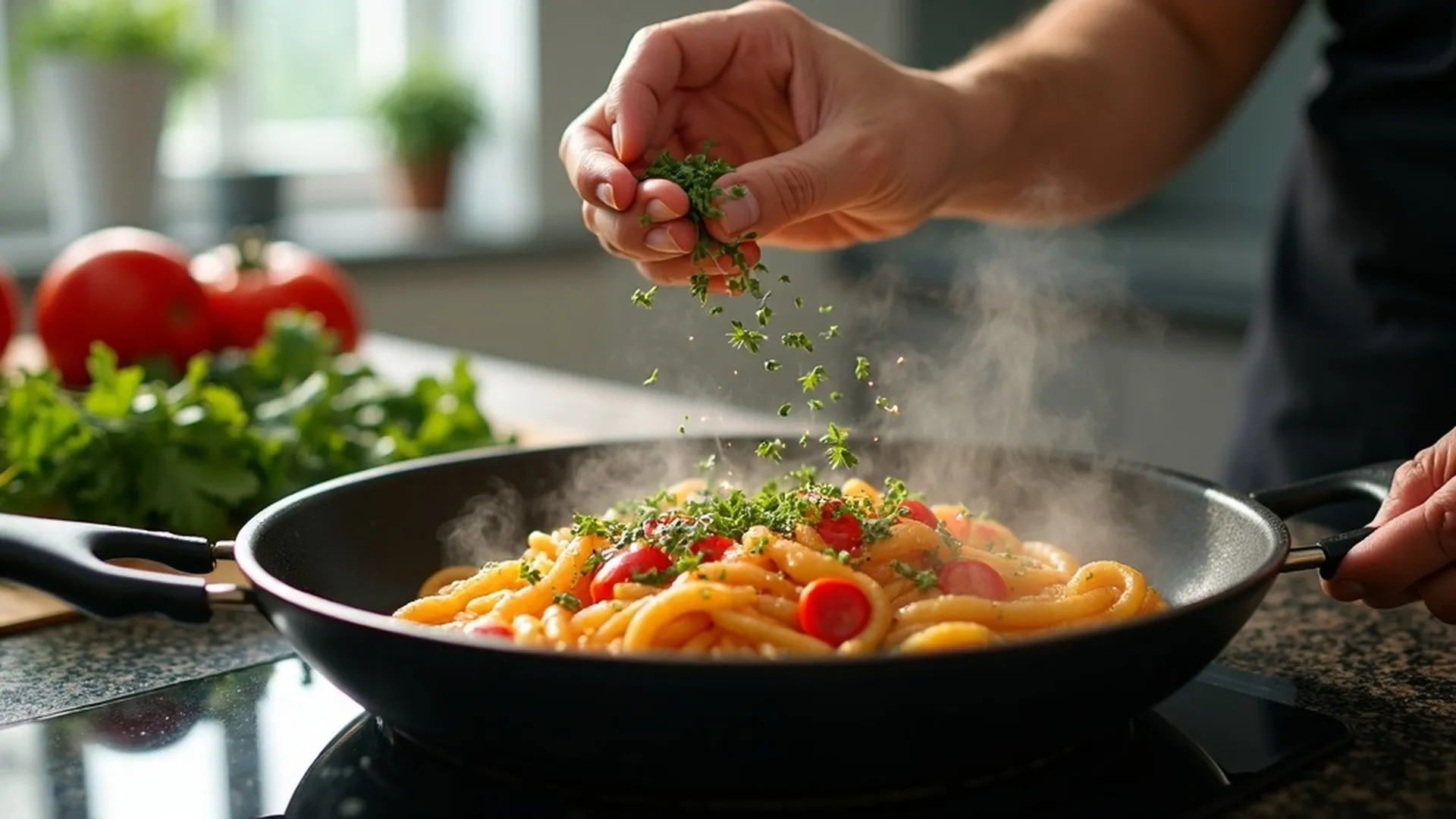
One of the biggest reasons cooking shows are so popular is how good the food looks on screen. The filming is so clear and close that you can almost taste the dish through the TV. I’ve caught myself getting hungry even when I wasn’t planning to eat, just because the camera zoomed in on something sizzling in a pan. The bright colors, the steam rising, and the shiny glaze on a dessert all make the food look extra delicious. Good filming turns normal ingredients into something exciting.
The close up shots are a big part of the magic. When the camera shows the knife slicing through a tomato or the butter melting in a hot pan, it feels satisfying to watch. These moments are simple, but they grab your attention. You see every detail so clearly that it feels like you’re right there in the kitchen. The sound of chopping, the bubbling sauce, and the soft click of the stove all add to the experience. It turns cooking into a full sensory moment instead of just watching someone make food.
High quality lighting also makes a huge difference. Food always looks brighter and fresher than it does in most home kitchens. You notice every color. Green herbs look greener, chocolate looks richer, and grilled meat has perfect grill marks. I once tried to film my own cooking at home, and I was surprised at how different it looked without the perfect lighting. That taught me how much work goes into making the food look amazing on screen.
Slow motion shots are another fun part of cooking shows. When the camera slows down a splash of sauce or a sprinkle of sugar, it makes the moment feel special. It’s dramatic, but in a fun way. Even something simple like pouring pancake batter looks impressive when filmed the right way. These little touches make the viewer pay attention and feel excited, even if the recipe is basic.
The overall style of the filming also helps people understand the process better. Good camera angles let you see exactly what the chef is doing. If the chef is mixing something, the camera gets close enough so you can see the texture. If they are seasoning meat, you see how much salt they really use. This clear visual instruction makes cooking feel easier and more doable at home.
Another reason viewers love the filming style is that it makes the kitchen environment look clean and relaxing. No messy counters. No dirty pots piling up. Everything looks organized. For many viewers, watching such a neat setup feels calming. It creates a warm, safe feeling that keeps them watching.
At the same time, the bright visuals make even complicated dishes feel fun. You see dough stretching, cheese melting, or flames rising from a pan, and it feels exciting. The visuals keep the energy up, even in slower cooking moments. It’s entertainment wrapped inside a recipe.
Cooking shows use filming techniques to turn simple moments into eye catching scenes. That careful filming keeps viewers hooked from the start of the recipe to the final plate. It’s not just the food you enjoy. It’s the whole visual experience that makes cooking shows so fun to watch.
Cultural Exploration Through Food
Cooking shows are popular because they let people explore different cultures without ever leaving their home. When you watch someone make a dish from another country, you get a small peek into their way of life. I’ve learned more about some places from food shows than I ever did in school. Food tells stories about history, family, and tradition, and cooking shows bring those stories to life in a fun and easy way. It almost feels like traveling through your TV.
Every culture has its own flavors, spices, and cooking methods. When a show features food from another part of the world, viewers get excited because it’s something new. Maybe you’ve never seen someone cook with coconut milk before, or maybe you’ve never tasted a dish with strong spices like turmeric or cumin. Watching the process makes you curious. Some people even try cooking those dishes at home just to experience a small part of that culture.
What I love most is when the chef explains why the dish matters to their community. They might talk about a special holiday, a family celebration, or a tradition passed down from grandparents. Hearing those stories makes the food feel more meaningful. You start to understand that a meal is not just ingredients. It’s memories, emotions, and traditions. Viewers connect with that, even if they don’t share the same background.
Cooking shows also teach viewers about the ingredients people use in different parts of the world. I remember watching a show where the host was cooking with plantains, and I had never seen them before. I ended up trying them later, and now I use them all the time. That’s the kind of impact food shows can have. They introduce new ideas and encourage people to step out of their comfort zone.
Another reason these shows are great for cultural exploration is the travel episodes. Some cooking shows follow hosts around different cities or countries. Viewers get to see markets, street food stands, and restaurants from places they might never visit. It feels exciting, like you’re on an adventure. You learn about local customs, cooking habits, and even small details like how people eat together as a family.
Even the way people cook can say a lot about their culture. Some cultures use lots of slow cooking, letting the flavors build over time. Others cook fast, using bright, fresh ingredients. Some eat with chopsticks, some with spoons, and some with their hands. Seeing all these different styles helps viewers appreciate how big and beautiful the food world really is.
Food shows make cultural learning simple. You don’t need a textbook. You just watch someone cook, listen to their stories, and enjoy the journey. Before you know it, you’ve learned about traditions, flavors, and ways of life from far away places.
Cooking shows open a window into the world through something everyone understands: food. That is why people love them. They make the world feel bigger, friendlier, and more connected.
Competition Shows Keep Viewers Hooked
Cooking competition shows are some of the most exciting things on TV because they mix food with pressure, fast decisions, and a little bit of chaos. People love watching others race against the clock while trying to make something delicious. I’ve sat on the edge of my seat more than once watching someone try to finish a dish in the last ten seconds. Even when you know it’s just a show, the tension feels real. That rush is a big part of why these shows are so popular.
One reason competition shows work so well is the time limit. When the host shouts that contestants have only five minutes left, the whole mood changes. Everyone starts moving faster, grabbing ingredients, and trying not to panic. Viewers feel that energy too. It makes you want to keep watching, because you want to see if they can pull it off. Even simple tasks look dramatic when the clock is ticking.
Another thing that keeps people watching is the creativity. Contestants often have to cook with strange ingredients or follow tricky rules. Maybe they have to make a dessert with a vegetable that normally doesn’t belong in sweets. Or maybe they have to cook a full meal with only three ingredients. These challenges make the show unpredictable. You never know what someone will come up with, and sometimes the most unexpected dish ends up winning.
Competition shows also make viewers root for certain contestants. Maybe someone reminds you of a friend or seems nervous but talented. Maybe another contestant is super confident and fun to watch. Viewers start cheering for their favorites, almost like watching sports. When your favorite person does well, you feel proud. When they mess up, you feel nervous for them. That emotional connection keeps people coming back each week.
The judges also play a big role in making these shows exciting. Some judges are strict and serious. Some are funny and gentle. Some give advice that actually helps the contestants. Others keep everyone guessing with their comments. Watching the judges taste food is part of the fun, because you never really know what they’re thinking until they say it. Their reactions can be dramatic, surprising, or even hilarious.
There’s also something satisfying about the final reveal. After all the rushing, chopping, and worrying, everyone wants to see what the finished plates look like. The moment when the dishes are shown to the judges feels important. It’s the payoff for all that tension. Even if a dish doesn’t look perfect, viewers appreciate the effort because they saw how hard the contestant worked.
Competition shows also inspire people at home. Many viewers think, “If they can make something under pressure, maybe I can try something new too.” Even mistakes on these shows become learning moments. Viewers see that experienced cooks mess up sometimes, and they still find a way to keep going.
What makes these shows addictive is the mix of excitement, creativity, emotion, and food. They turn cooking into a sport and storytelling into a game. There’s always something happening, and each episode feels like a little roller coaster. That fast and fun energy is why people keep watching competition cooking shows again and again.
Emotional Storytelling in Food Shows
One of the strongest reasons cooking shows are so popular is the emotional storytelling behind the food. People don’t connect only to the dishes. They connect to the stories the chefs tell while making them. When a chef explains that a recipe came from their grandmother or that they used to help their mom in the kitchen when they were little, viewers feel a warm connection. It turns a simple recipe into something deeper. I’ve had moments where I didn’t even care what they were cooking. I just wanted to hear the story behind it.
Food carries a lot of memories for people, and cooking shows know how to tap into that. You might hear a chef talk about struggling to learn a recipe as a kid or a dish that helped them through a tough time. Sometimes they talk about moving to a new country and cooking meals that reminded them of home. These stories make viewers feel like they’re part of something personal. You almost feel honored that the chef is sharing a piece of their life with you.
I remember watching a show where a chef talked about baking cinnamon rolls with her dad every Sunday. She said the smell of cinnamon always made her feel safe. When she talked about it, you could see her eyes light up. Moments like that stick with you. They remind you of your own memories, like cooking pancakes with your family or helping someone stir a pot of soup. It’s amazing how food can reach emotions so quickly.
Emotional storytelling also makes the food itself more interesting. When someone explains why a dish matters to them, viewers start caring about it too. A simple bowl of soup becomes a family treasure. A cake becomes a symbol of celebration. A plate of noodles becomes a story about identity. Even if viewers have never tried the dish before, they feel curious and connected because of the emotion behind it.
These stories also help people see the human side of cooking. Viewers learn that chefs aren’t perfect. They’ve burned dishes, ruined meals, or had moments of doubt. Hearing about their failures and successes makes them feel real. It also inspires beginners to be more confident in their own kitchens. If a chef who cooks on TV struggled in the beginning, then it’s okay for regular people to struggle too.
Another reason emotional stories matter is that they show how food brings people together. Cooking shows often highlight how certain meals connect families, friends, and entire communities. You hear about recipes that are passed down through generations or dishes that are served at important events like weddings or holidays. These stories remind viewers that food is more than flavor. It’s connection, history, love, and tradition.
Even competition shows use emotional storytelling. Contestants often share why cooking means so much to them. Some talk about cooking to support their family. Others talk about overcoming challenges or wanting to make someone proud. These stories make viewers root for them even more.
Emotional storytelling turns cooking shows into something more than entertainment. It makes viewers feel something. It helps them remember their own moments tied to food. It brings heart into the kitchen. And that emotional pull is a powerful reason people love watching cooking shows.
Social Media Boosting Popularity
Social media has made cooking shows even more popular because it spreads food content faster than ever. One short video of someone flipping a pancake or pulling cheese from a hot sandwich can go viral in minutes. I’ve seen clips from cooking shows pop up on my feed and suddenly feel hungry even if I just ate. These small videos hook people in, and before they know it, they’re watching the full show. Social media works like a giant spotlight, bringing more attention to cooking shows every day.
Another big reason social media boosts cooking show popularity is how easy it is for viewers to share the recipes they try at home. People love posting photos of meals they made. They tag the host or the show, and that brings more viewers who want to try the same dish. It creates a cycle. The show inspires viewers. Viewers post their results. More people discover the show. I’ve even tried recipes just because so many people were sharing them online.
Platforms like TikTok and Instagram make cooking look fun and quick. When someone posts a 15 second clip of melted chocolate or crispy chicken, it grabs attention right away. Viewers think, “Wow, I want to try that.” These short videos pull younger viewers toward cooking shows, even if they’ve never watched one before. Social media turns cooking into entertainment that fits into tiny moments throughout the day.
Another fun part is that social media lets fans talk directly to the chefs and hosts. Viewers leave comments, ask questions, and sometimes even get replies. That kind of connection makes fans feel closer to the show. It also helps hosts build strong communities. Some hosts even ask viewers to vote on what recipe to make next. It makes people feel like they’re part of the show, not just watching it.
Challenges and trends also play a big role. Sometimes a dish from a cooking show becomes a trend online. Everyone tries to make it, even if they aren’t great at cooking. It turns into a friendly challenge. I remember seeing almost everyone make whipped coffee during one trend. People enjoy joining in, and they usually trace the trend back to a show or a food creator. That boosts the show’s visibility even more.
Social media also helps cooking shows reach people who prefer learning visually. Instead of reading a long recipe, viewers can just watch a quick clip and get the idea. This makes cooking feel easier and less intimidating. If something goes viral, the cooking show that started it gets more attention, more viewers, and more fans.
Another strong point is how social media highlights the personality of hosts. Fans get to see behind the scenes moments, bloopers, or little pieces of the host’s daily life. These small clips make the host feel more real and relatable. Viewers love that. When people feel connected to the host, they’re more likely to watch the full episodes.
In simple terms, social media acts like a giant booster for cooking shows. It spreads their content, grows their fan base, and keeps food trends alive. It helps shows reach people who might never turn on a TV but scroll through food videos every day. And as long as people keep sharing, liking, and posting, cooking shows will keep getting more popular.
Easy Learning Through Visual Instruction
One of the biggest reasons people love cooking shows is that they make learning feel simple. When you see someone cook right in front of you, the steps make sense in a way that reading a recipe sometimes doesn’t. Watching the host chop vegetables, stir a sauce, or knead dough gives viewers a clear idea of what to do. It’s easier to follow along when you can see what something is supposed to look like. I’ve learned plenty of cooking skills just by watching someone do it on screen, even when I wasn’t trying to memorize anything.
Visual learning also helps take away the fear of messing up. Sometimes a recipe looks complicated when written out, but when you see it on a show, you realize it’s not so scary. The host might say something like, “It doesn’t have to be perfect,” or “Mine looks a little messy too.” That kind of honesty makes beginners feel more relaxed. When you watch someone make a mistake and fix it, you feel more confident about trying it in your own kitchen.
Cooking shows also break down the steps in a way that feels natural. The host talks through each part, shows you the ingredients, and explains what to watch for. They might show the texture of a dough or the color of properly cooked meat. Those small details matter. You can’t always understand that from a written recipe, but seeing it helps a lot. I remember learning how to tell if pasta is done just by noticing how the host lifted it with a fork. Something finally clicked for me.
Another thing that makes the visual instruction so helpful is the pace. Cooking shows usually move at a calm, steady speed. They don’t rush. They show everything clearly, and sometimes the host repeats steps to make sure viewers get it. Even background sounds like sizzling or bubbling give you clues about what should be happening. It feels like someone is right there teaching you, even if you never meet them.
These shows also help people learn new tools and techniques. For example, someone might show how to use a cast iron pan or how to fold an omelet properly. Seeing it done makes you more willing to try it yourself. I once avoided cooking with a whole chicken because it seemed complicated. But after watching a chef handle one with simple steps, I gave it a try and realized it wasn’t as hard as I thought.
Another part that makes visual learning great is how it builds confidence over time. Even if viewers don’t cook right away, they pick up little tips from watching. They start recognizing ingredients, learning what combinations work together, and understanding basic cooking rules. When they finally decide to try cooking, they already have some knowledge without even noticing it.
Cooking shows make learning feel fun, too. They use bright colors, friendly hosts, and clear camera angles to keep viewers interested. It doesn’t feel like studying. It feels like entertainment that teaches something useful at the same time. That combination keeps people watching and keeps them learning.
In the end, cooking shows give viewers a simple, visual way to learn skills they can use every day. Seeing the steps, hearing the tips, and watching real results helps people feel ready to try cooking themselves. This easy learning style is a big part of why cooking shows stay so popular year after year.
Conclusion
Cooking shows stay popular because they mix comfort, learning, excitement, and emotion all in one place. They give viewers a peaceful break from stress, while also teaching simple skills anyone can try at home. They take people around the world through food, introduce them to interesting hosts, and even spark new hobbies. I’ve learned so many small tricks just from watching a few episodes, and I know a lot of people feel the same way. Cooking shows make you feel connected, entertained, and inspired, even if you never pick up a pan.
Another reason they stay loved is that they fit into so many parts of life. You can watch them to relax, to learn something new, or just to enjoy the pretty food shots. You can follow competitions for excitement or watch travel based cooking shows to explore different cultures. No matter what you’re looking for, there’s a cooking show that fits your mood. They’re easy to enjoy, easy to follow, and easy to share with friends or family.
Cooking shows also remind people of the good things in life. They bring back memories, spark creativity, and show how food can connect people in simple but powerful ways. Whether it’s a warm story from a chef, a fun challenge, or a recipe that feels doable, viewers walk away feeling a little happier.
In the end, cooking shows will stay popular as long as people love food, stories, and learning. If you haven’t watched one in a while, try putting one on this week. You might learn a new trick, discover a new dish, or just enjoy a peaceful moment. And who knows, you might even feel inspired to try cooking something new in your own kitchen.