
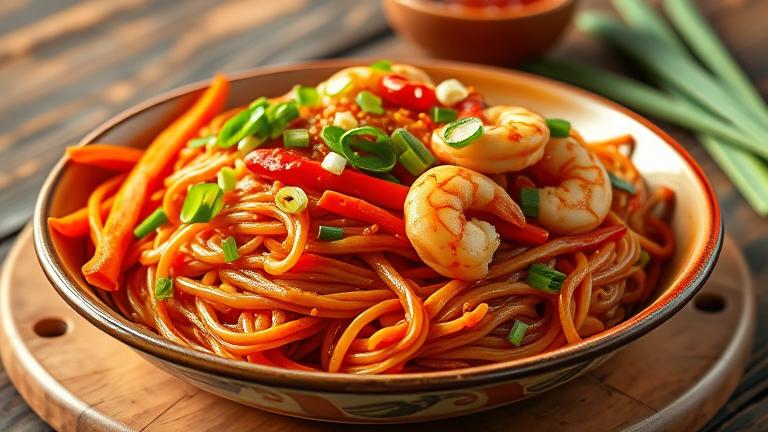
The Vibrant Red Hue of Pad Thai: A Visual and Cultural Perspective
The vibrant red hue of Pad Thai is one of its most distinctive features that immediately captures attention and stimulates appetite.
This eye-catching color primarily originates from red ingredients like chili peppers, tomatoes, and red-colored sauces. These elements not only enhance the visual appeal but also deepen the dish’s cultural roots, reflecting its Thai origins and fiery flavor profile.
The bright red color serves not only to attract the eye but also symbolizes the boldness and vibrancy typical of Thai cuisine. It embodies the dish’s balance of spice, sweetness, and acidity, making every plate visually inviting and appetizing for diners.
Key Ingredients Contributing to the Red Color of Pad Thai
Tamarind and red chili are essential ingredients that contribute significantly to the dish’s distinctive flavor and vivid color. Tamarind paste adds a tangy, sweet, and sour profile that perfectly balances the savory ingredients.
It also imparts a rich brownish hue, which enhances the overall visual appeal of Pad Thai. Red chili, used often in powder or fresh form, provides the characteristic heat and vibrant red color. The spiciness and hue provided by chili are central to the dish’s signature look and flavor, creating a fine balance between spicy and tangy elements.
Although ingredients like annatto or food coloring may be employed for a more intense red appearance, chili and tamarind remain the primary contributors. The development of color during cooking results from the interaction of these ingredients with heat and other components,
reflecting traditional Thai culinary techniques. Understanding their roles helps chefs and home cooks to create authentic and vibrant Pad Thai recipes, ensuring a flavorful presentation.
Regional Variations and Their Impact on Pad Thai’s Appearance
Regional differences and culinary techniques greatly influence the appearance of Pad Thai, resulting in a diverse spectrum of colors across different regions. In Thailand, the use of tamarind, chili powder, and palm sugar influences the dish’s vibrant hues.
Some regions emphasize spiciness and brightness, while others favor milder, earthier tones based on local preferences and ingredient availability. High-heat stir-frying methods used in preparation also deepen the color and produce a slight sheen on the noodles, adding to the dish’s appealing presentation.
Recognizing these regional variations enhances appreciation for Pad Thai’s rich culinary heritage and regional identity. These differences reflect not only ingredient choices but also diverse cooking techniques that influence the visual and flavor profiles of the dish.
Influence of Spices on the Visual and Flavor Profile
Spices such as chili powder, paprika, turmeric, and cumin are vital for flavor and significantly impact the visual appearance of Pad Thai. These spices naturally tint the dish, contributing vibrant hues that make the presentation more appealing. When added, they also stimulate the palate with their heat, intensifying the overall tasting experience.
Culinary research confirms that spices can act as natural colorants, creating dishes that are both eye-catching and flavorful. For example, cayenne pepper or red pepper flakes lend red or orange tints to curries and stews, making them look more appetizing. These ingredients provide a layered flavor profile while enhancing the dish’s color palette, blending aesthetic appeal with culinary richness.
Modern Presentation Trends and Their Influence
Contemporary presentation styles and trends have a significant influence on the visual appeal of Pad Thai worldwide. Modern chefs often highlight vibrant colors and employ artistic plating techniques to attract diners’ attention. Fresh herbs, colorful vegetables, and innovative garnishes are added to improve visual interest.
Fusion influences from Western cuisines further contribute to a more refined and sophisticated look. Chefs may incorporate microgreens, edible flowers, or artistic drizzle patterns to elevate the dish into a gourmet experience, blending traditional flavors with modern aesthetics. These trends not only enhance the visual appeal but also make Pad Thai more shareable on social media platforms.
Global adaptations cater to local tastes while maintaining the core appearance of Pad Thai. Variations include colorful toppings like crushed peanuts, lime wedges, and sliced chili peppers to add vibrancy and texture. Some regions favor minimalist, elegant presentations, while others prefer rustic styles that emphasize the dish’s authenticity. As a result, the visual diversity of Pad Thai continues to evolve, reflecting its adaptability and the creative freedom within different culinary cultures.