
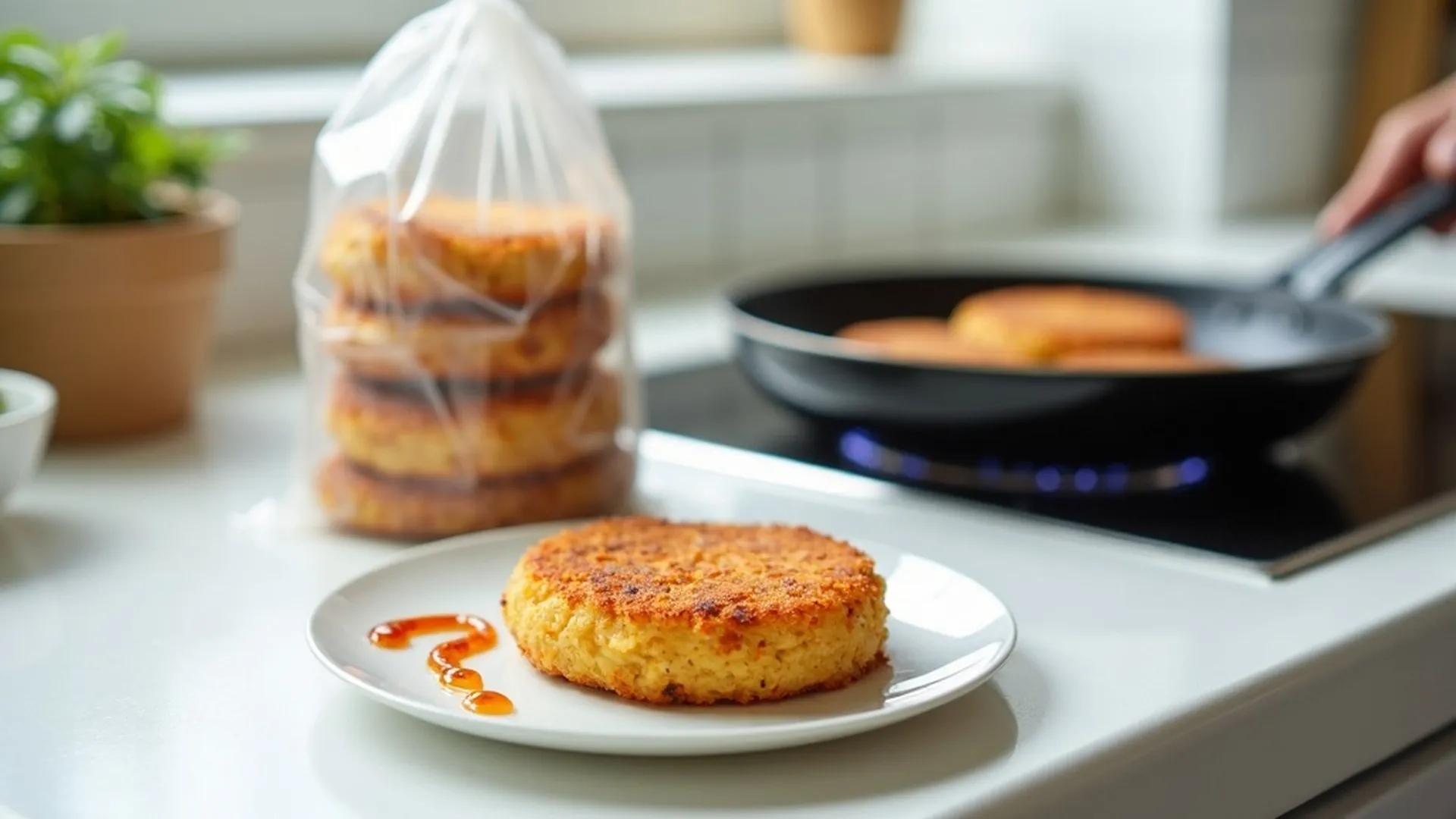
You do not need to thaw frozen hash browns before cooking, and in most cases, it is better not to. Cooking them straight from the freezer helps them turn out crisp instead of soggy.
Frozen hash browns are made to go right into a hot pan, oven, or air fryer. When you thaw them first, they release extra water. That moisture can make them steam instead of fry, which leads to soft or mushy potatoes. Keeping them frozen helps lock in their shape and texture while they cook.
For the best results, heat your pan or appliance before adding the hash browns. Use a little oil or butter so they do not stick. Spread them out in an even layer and avoid stirring too often. Letting them sit for a few minutes helps build that golden crust everyone likes.
There are a few times when thawing can help. If you are using shredded hash browns for a casserole or mixing them with eggs, thawing and squeezing out extra moisture can make mixing easier. Just be sure to drain them well.
Most of the time, though, frozen hash browns work best straight from the freezer. Hot surface, no thawing, and a little patience will give you crisp, tasty results.
Should You Thaw Frozen Hash Browns Before Cooking?
Most people wonder if they should thaw frozen hash browns before cooking, and the honest answer is that it depends on what you want. If you want hash browns that turn out crispy and golden, you can usually cook them straight from the freezer. Frozen pieces hit the hot pan and steam off quickly, which helps the outside crisp up fast. I remember the first time I learned this, because I kept thawing them and making a mushy mess. Once I stopped thawing them for skillet cooking, they finally came out crunchy instead of soggy.
But there are moments when thawing is actually helpful. If you are making a recipe where the hash browns need to mix with eggs, cheese, or soup, thawing makes everything blend better. When they are frozen, they clump together, and the colder pieces can stop the dish from cooking evenly. This can cause wet spots in the middle of your casserole or bake. Thawing them first helps remove extra moisture too, and that makes the whole dish firmer and easier to slice.
Moisture is the main reason this question even exists. Frozen potatoes hold water, and water is the enemy of crispiness. If too much moisture hits the pan at once, the potatoes steam instead of fry. That is why some people think thawing is better, because they believe it removes that extra water. The problem is that thawing in the fridge or on the counter can actually make them release even more moisture, and if you do not squeeze it out, the potatoes stay soft. This is why so many home cooks get confused, because both methods can work if you handle the moisture the right way.
One thing to think about is how much time you have. Cooking from frozen is fast and simple. You open the bag, heat your pan, and go. Thawing takes longer, and sometimes you forget about them and the potatoes get too warm or stick together. I have done that more than once, and it just makes extra work. Most of the time, I skip thawing unless the recipe tells me it is important.
Safety matters too. Frozen hash browns are already safe to eat after cooking, but thawing them on the counter for a long time is not a good idea. If they sit too long at room temperature, bacteria can grow. This is not a big problem if you thaw them in the fridge or microwave, but it is something cooks forget about because potatoes do not look like something that spoils fast. It is always better to keep them cold until you are ready to use them.
So the real answer is simple. You thaw hash browns when you need them to mix smoothly or cook evenly inside a recipe like a casserole. You cook them frozen when you want crispier edges and less fuss. Once you understand how moisture works with potatoes, the choice becomes much easier. It is not about right or wrong. It is about what you want on your plate. And honestly, after trying both ways many times, I pick the method based on the dish I am making. That is the easiest way to get perfect results without stress.
When You Should Thaw Frozen Hash Browns
There are times when thawing frozen hash browns makes everything work better, and I learned this after ruining a few casseroles. When hash browns stay frozen, they clump together and do not spread out the way you need them to. This becomes a problem in recipes where the potatoes must mix with other ingredients. If you have ever tried to stir frozen chunks into eggs or cream soup, you probably saw the mix turn uneven and lumpy. Thawing helps break the pieces apart so every bite cooks at the same speed.
Another reason to thaw them is moisture control. Frozen hash browns hold a surprising amount of water. When they warm up during baking, that water melts and leaks into your dish. This can make the center soggy instead of firm. I once made a breakfast casserole that looked perfect on top, but the middle was almost like soup. The hash browns never thawed fully, so the extra moisture had nowhere to go. When I finally learned to thaw and squeeze out the water, the recipe turned out much better.
Thawing also helps if you want a softer texture. Some dishes are not meant to be crispy at all. For example, crockpot meals or cheesy layered bakes come out smoother when the potatoes start soft. Frozen pieces stay stiff for too long and can keep the rest of the ingredients from melting together. When you thaw them first, the potatoes act more like fresh shredded potatoes, and the dish cooks evenly from edge to center.
Time and temperature make a difference too. When you place frozen hash browns into a room temperature or warm mixture, they cool everything down. This slows cooking and can change how the dish sets. I noticed this when making a hash brown egg bake. The eggs took forever to firm up because the frozen parts kept chilling the inside. After thawing them the next time, the bake cooked faster and looked more even.
There is also the issue of seasoning. Frozen potatoes do not hold seasoning well. Salt and spices slide off or only stick to the outside. Once thawed, the seasoning blends in and gives the dish more flavor. I always thaw when I want the potatoes to soak up butter, garlic, or seasoning blends. It makes a big difference in the final taste.
So you should thaw frozen hash browns when you need even mixing, when the recipe is baked or slow cooked, when you want to remove extra moisture, or when you want softer texture and better seasoning. Thawing might feel like an extra step, but in many dishes it saves the whole recipe. Once you know which meals work better this way, cooking becomes easier and your food turns out the way you picture it in your head.
When You Should Not Thaw Frozen Hash Browns
There are plenty of times when you should not thaw frozen hash browns, and honestly, this is where most people get confused. If your goal is crispiness, thawing works against you. Frozen hash browns hit the hot pan and start to steam, and that quick burst of heat helps the outside brown faster. When I first learned this, it felt like a small kitchen secret. The colder the potatoes are, the crunchier the edges become. Thawed potatoes release water too slowly, and that water keeps the pan wet instead of sizzling.
Cooking hash browns in a skillet is one of the best examples of when you should not thaw them. I used to think thawing would help them cook evenly, but all it did was make them soft. When the potatoes were frozen, they stayed in neat little shreds and browned nicely. When they were thawed, they stuck together like a pancake. If you want loose, golden, crispy pieces, it is better to keep them frozen and let the heat do the work.
Another time you should skip thawing is when using an air fryer. The air fryer cooks by blasting hot air around the food. Frozen hash browns do great in this because the outside dries out fast. If you thaw them first, they can get mushy and clump up. Frozen potatoes keep their shape better, and they come out with a texture that is closer to diner style. Every time I used thawed hash browns in the air fryer, the middle turned soft while the edges got too dark.
You also want to cook straight from frozen when using the oven for simple sheet pan potatoes. Thawed hash browns tend to stick to the pan unless you use a lot of oil, and even then the results are hit or miss. Frozen ones cook more evenly and pull away from the pan easier. They also brown faster because the cold temperature gives them a tiny delay before releasing moisture, and that delay helps form a crisp crust.
One more thing to think about is handling. When hash browns thaw, they become sticky and clump together. This makes it harder to spread them out in a pan or shape them the way you want. Frozen potatoes pour easily and stay loose, which helps them cook more evenly in high heat. If you want quick results without fuss, cooking from frozen is the better choice.
So you should not thaw frozen hash browns when you want crisp texture, when using a skillet, when using an air fryer, or when baking them in a simple sheet pan style. Keeping them frozen helps them cook faster, brown better, and stay loose instead of turning into a soft lump. Once you try both ways, you will see how much better frozen cooking works for crispy dishes. It is one of those small kitchen tips that makes a big difference.
Best Methods to Thaw Frozen Hash Browns Safely
Thawing frozen hash browns the right way makes a big difference in how your recipe turns out. The safest and most reliable method is thawing them in the fridge. It is slow, but it keeps the potatoes at a safe temperature. I usually toss the bag into a bowl in case any water leaks out. By the next morning, the potatoes are loose, cold, and easy to mix. This method also keeps the texture firm, so you do not end up with mushy potatoes before you even start cooking.
If you are short on time, you can thaw hash browns on the counter for a little bit, but you have to watch them. They warm up fast, and if they sit too long, they can reach a temperature that is not safe. I have made that mistake when I got distracted, and the potatoes started to sweat and stick together. A short thaw of about 15 to 20 minutes is usually enough to break the clumps apart without letting them get too warm. You just need to keep an eye on the clock and not walk away.
The microwave is another option when you need a fast thaw. I only use this method when I am in a rush because microwaves heat unevenly. Some parts get warm while others stay frozen, and this can lead to extra moisture that you have to drain. Still, it works if you stop every few seconds, stir the potatoes, and avoid letting them cook. You do not want them soft or steamed before they even hit the pan. After microwaving, I always press them gently with a paper towel to remove as much water as possible.
No matter which method you choose, draining the extra moisture is the key to getting a good result. Hash browns hold more water than people think. When they thaw, that water has to go somewhere, and if you do not remove it, it ends up in your pan or casserole. I once skipped draining because I was tired, and the whole dish came out watery. Now I always spread the thawed potatoes on a towel or press them lightly to get the extra moisture out. It is a small step, but it makes a huge difference in the final taste and texture.
Another safe tip is to keep the potatoes cold until you are ready to use them. Even after thawing, try not to leave them out too long. Potatoes may not look risky, but once they warm up, bacteria can grow just like with any other food. If you thaw them early, store them in the fridge until it is time to cook. This keeps the texture firm and the flavor fresh.
So the best way to thaw frozen hash browns safely is to use the fridge when you can, the counter for short thawing, or the microwave for fast results. No matter which method you choose, always drain the moisture and keep the potatoes cold until you are ready. Once you get used to these steps, your dishes come out cleaner, crispier, and much easier to cook.
How to Cook Hash Browns From Frozen for Best Results
Cooking hash browns from frozen is one of the easiest ways to get them crispy, and once you learn a few small tricks, the results get way better. The main thing to remember is that frozen potatoes need strong heat. When they hit a hot pan, the outside starts to crisp before the inside warms up, and that is exactly what you want. If the pan is not hot enough, the potatoes steam instead of fry. I learned this the hard way when I rushed and tossed them into a warm pan. They turned soft and gray instead of golden. A hot skillet makes all the difference.
Using the right amount of oil also matters. You do not need a lot, but you need enough to coat the pan so the potatoes can brown evenly. If you skip the oil, the hash browns stick and tear apart when you try to flip them. I usually add a small amount of butter or oil, wait for it to shimmer, then pour the frozen potatoes in. Do not stir them right away. Let them sit still so the bottom layer can form a crust. This step alone makes the texture so much better.
Spacing is another important part of cooking from frozen. If you crowd the pan, the potatoes trap steam and turn soggy. I used to dump the whole bag into one skillet, and it never turned out right. The potatoes need room to breathe. A thin, even layer cooks faster, stays crisp, and picks up more color. If you have a lot to cook, use a bigger pan or cook in batches. It takes longer, but the results are worth it.
If you cook them in the oven, the process is even easier. Spread the frozen hash browns on a baking sheet and toss them with a small amount of oil. A hot oven helps dry out the extra moisture and crisp the edges. I like using parchment paper because it keeps the potatoes from sticking. They come out golden and crunchy with almost no work. This method is great when you want to cook a big amount at once.
Air fryers are also perfect for cooking hash browns from frozen. The hot air circulates around the potatoes and pulls out moisture fast. You get crispy pieces without much oil at all. Just shake the basket once or twice so the potatoes cook evenly. Every time I use the air fryer, the hash browns come out better than when I pan fry them, especially when I want a quick breakfast.
Another small trick is to season the potatoes near the end of cooking. If you add salt too early, it draws out moisture and softens the potatoes. When you add it once the outside is crisp, it sticks better and keeps the texture firm. I sometimes add garlic powder, paprika, or onion powder for extra flavor. Seasoning at the right time makes a big difference in how the final dish tastes.
So cooking hash browns from frozen is simple. Use high heat, enough oil, and give them space in the pan. Do not rush the browning and do not stir too much. Whether you use a skillet, oven, or air fryer, the key is strong heat and good airflow. Once you get the hang of these steps, frozen hash browns come out crispy, golden, and way better than the ones at most diners.
How to Cook Thawed Hash Browns Properly
Cooking thawed hash browns takes a little more care because the potatoes hold more moisture. If you want a good result, the first step is to make sure they are as dry as possible. When hash browns thaw, they release water, and that water keeps them from getting crisp. I usually press them gently with a towel to soak up the extra liquid. The first time I skipped this step, the potatoes came out soft in the middle and never browned. Dry potatoes cook so much better and pick up flavor faster.
Once the potatoes are dry, you need to heat your pan well. Thawed hash browns cook differently than frozen ones. They are softer, and they start cooking right away. If the pan is not hot, they can stick and form a mushy layer on the bottom. When the pan is hot, the potatoes hit the surface and sizzle, which helps them form color fast. I like using butter for flavor, but oil works just as well. You just want enough to coat the pan lightly and keep the potatoes from sticking.
Seasoning works better with thawed hash browns because the potatoes absorb flavor more easily. I usually add salt, pepper, paprika, or onion powder while cooking. When the potatoes are frozen, seasoning sometimes slides off, but thawed ones soak it in. This makes the dish taste richer and more even. Just be careful not to add too much salt at the start. Salt pulls out moisture, and thawed potatoes already release enough water on their own. I usually season lightly at first, then adjust when the potatoes start to brown.
To keep the potatoes from clumping, spread them out in a thin layer. Thawed hash browns like to stick together, and if you pile them up, they cook unevenly. A single layer cooks faster and gives you more surface area for browning. I learned to resist the urge to stir too much. If you flip them constantly, they fall apart. Let them sit still for a few minutes. Once they start turning golden on the bottom, you can flip them in sections. It always feels messy, but the results come out better this way.
Cooking thawed hash browns at medium heat works best. High heat can burn the outside before the inside warms up, and low heat makes them steam. Medium heat dries them out slowly and gives them time to crisp. If you ever see water pooling in the pan, you can raise the heat just a little to cook it off. That extra water is normal, but you do not want it sitting there or the potatoes will stay soft. Sometimes I tilt the pan and spoon out the excess liquid. It makes a huge difference.
You can use the oven too if you want an easier method. Spread the thawed potatoes on a sheet pan and toss them with a small amount of oil. They cook more evenly in the oven because the heat surrounds them. This is a good method when you want soft hash browns that still have some color. The oven gives them a steady heat that keeps them from falling apart.
Cooking thawed hash browns the right way gives you a softer, more flavorful dish that mixes well with other ingredients. It takes a bit more attention than cooking them from frozen, but once you get used to drying them, spreading them out, and letting them brown without moving them too much, the results start to feel natural. Thawed potatoes are great for recipes where texture matters, and with a few simple steps, they cook up just right.
Common Mistakes People Make With Frozen Hash Browns
There are a few mistakes that almost everyone makes with frozen hash browns at some point, and I know because I have made every one of them. One of the biggest mistakes is using too much oil. People think more oil means crispier potatoes, but it actually does the opposite. Too much oil makes the potatoes heavy and greasy. Instead of browning, they soak up the oil and fall apart. I remember trying to make diner style hash browns and drowning them in oil. They came out soggy and mushy, nothing like what I wanted. A light coat works much better.
Another mistake is using low heat. Frozen hash browns need strong heat to get crispy. If the pan is only warm, the potatoes thaw and steam. This traps moisture and turns the whole pan soft. It is one of the main reasons home cooks get pale hash browns instead of golden ones. I used to be scared of burning them, so I kept the heat too low. Once I learned to trust the sizzle, they cooked much better. You want the pan hot enough that the potatoes crackle when they hit the surface.
People also forget to drain thawed potatoes. When frozen hash browns thaw, they release a lot of water. If you skip draining or blotting them, all that water ends up in the pan. It becomes almost impossible to get a crispy texture because the potatoes sit in a puddle. I made a breakfast bake once without draining the thawed potatoes, and the whole dish came out wet. After that, I always press the potatoes with a towel to remove the extra liquid.
Overcrowding the pan is another big mistake. When people dump the entire bag of hash browns into one skillet, the potatoes are too close together. They trap steam and cook unevenly. The bottom layer might brown, but the top layer stays soft. Hash browns need space to crisp. A thin layer cooks the best, and if you have more than the pan can fit, it is better to cook in batches. It takes longer, but the result looks and tastes better.
Stirring too much is also a common problem. Frozen hash browns fall apart when they are moved too early. People get impatient and try to flip them before they have formed a crust. When you do that, the potatoes stick and break into small pieces. If you want them to brown nicely, you have to let them sit still for a few minutes. Once the bottom layer has color, flipping becomes much easier.
Seasoning at the wrong time can also ruin the texture. Salt pulls moisture out of the potatoes. If you add it too early, the potatoes release even more water into the pan. This softens them and keeps them from browning. It is better to season lightly halfway through cooking and add more at the end if needed.
All these mistakes come from not understanding how frozen potatoes behave. They release moisture, they need strong heat, and they need space. Once you fix these small issues, frozen hash browns turn out crispier and tastier. Even simple changes like drying thawed potatoes, heating the pan properly, and avoiding overcrowding can make a huge difference. It took me a while to learn these lessons, but now my hash browns come out the way I hoped when I first started cooking them.
Conclusion
Figuring out whether to thaw frozen hash browns before cooking is not as confusing once you understand how moisture and heat work together. Some dishes turn out better when the potatoes stay frozen, especially if you want crispy edges or you are using a skillet, air fryer, or oven. Other recipes need the potatoes thawed so they can mix smoothly and cook evenly, like casseroles or breakfast bakes. Once you know the difference, cooking becomes a lot easier and you waste less time fixing soggy or uneven results. I learned most of this through trial and error, and it always felt like a small win each time the potatoes came out just the way I hoped.
The biggest thing to remember is that frozen hash browns behave differently depending on the method you use. Frozen ones crisp better, thawed ones blend better, and both can taste great when handled the right way. If you keep an eye on moisture, heat, and spacing, you will get much better results without guessing. Cooking hash browns seems simple, but these small tips make a huge difference.
Try both methods and see which one fits your style. Some people love the crunch you get from cooking them frozen, while others enjoy the softer texture of thawed potatoes in baked dishes. There is no wrong choice, just the one that tastes best to you. And if you come up with your own trick that works even better, share it with someone else. Good kitchen tips are always worth passing along.