
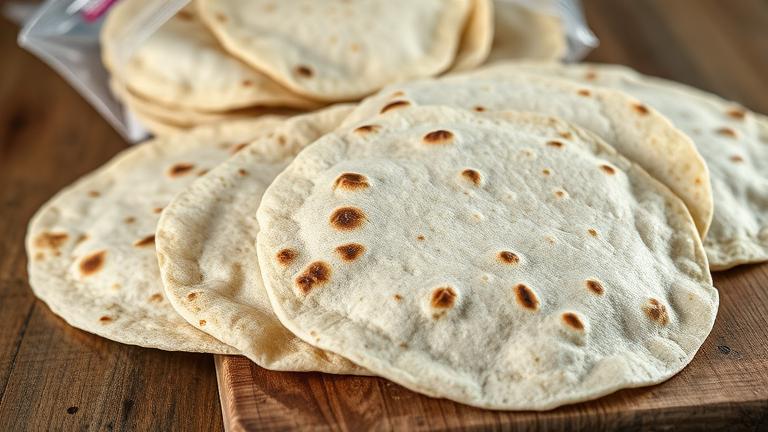
Understanding Tortilla Shelf Life
Tortillas typically maintain their freshness for about three to seven days when stored properly. Several factors, such as the storage method, humidity levels, and packaging, influence how long they stay good.
Proper storage is key; storing tortillas in an airtight container or resealable plastic bag in the refrigerator can significantly extend their lifespan. If kept unopened, tortillas can last up to two weeks in the fridge, while once opened, it is best to consume them within three to seven days for optimal quality.
Why Your Tortillas Suck
Freezing tortillas can further prolong their shelf life, allowing them to stay fresh for up to six months. This method is especially practical when you have baked or store-bought tortillas that you do not plan to consume immediately. Understanding these storage durations helps prevent waste and ensures you enjoy your tortillas at their best.
Signs That Tortillas Have Gone Bad
Knowing when tortillas are no longer safe to eat is crucial for both safety and quality. Spoiled tortillas often display visible mold growth, which appears as fuzzy spots in colors like green, black, or white. Mold indicates that microbial activity has compromised the tortilla and it should be discarded immediately [Source: FoodSafety.gov – Mold on Food]. An unpleasant or sour smell is another clear indicator of spoilage. If the tortillas emit a strong, off-putting odor, they should be thrown away to prevent foodborne illness.
Changes in texture also signal deterioration. Tortillas that have become overly dry and hard are less appealing but may still be safe if no mold is present. However, if they become slimy or sticky, this suggests bacterial growth and signifies they are no longer safe to consume. Regularly inspecting tortillas before eating helps prevent accidental intake of spoiled products and keeps your meals safe and delicious.
Proper Storage Techniques
Proper storage is essential for maintaining the freshness and safety of tortillas. To keep tortillas fresh, it is recommended to store them in an airtight container or a resealable plastic bag. This reduces exposure to air and moisture, which can cause them to dry out or develop mold. Storing tortillas in the refrigerator slows bacterial growth and helps preserve their texture, especially for fresh homemade versions.
For longer-term storage, freezing is highly effective. Wrap tortillas tightly in plastic wrap or aluminum foil, then place them in a freezer-safe bag or container to prevent freezer burn. When you are ready to use them, thaw tortillas at room temperature or warm them directly on a skillet or microwave to restore their softness. Avoid leaving tortillas at room temperature longer than two hours to prevent mold growth.
Environmental conditions also influence storage. Keep tortillas away from direct sunlight and heat sources. A cool, dry place can be used for short-term storage, but refrigeration provides better preservation. Research shows that airtight storage minimizes moisture loss and mold formation, thereby extending freshness. For comprehensive storage tips, refer to our guide on bread storage techniques.
Do Homemade and Store-Bought Tortillas Differ?
Homemade tortillas are generally made from simple ingredients such as flour, water, salt, and sometimes fat, without the addition of preservatives. Because of their minimal processing, homemade tortillas tend to spoil more quickly. Typically, they stay good for about one to two days if stored at room temperature or in the refrigerator. Their freshness diminishes rapidly compared to commercially produced tortillas, which often contain preservatives to extend shelf life.
Store-bought tortillas are usually packaged in airtight conditions and contain preservatives like calcium propionate. These additives inhibit mold growth and bacterial spoilage, allowing them to stay fresh longer. When stored in the fridge, they can often maintain their quality for two to four weeks, whereas homemade tortillas are best consumed within a few days.
The main difference in longevity between homemade and store-bought tortillas stems from preservatives and packaging techniques. While homemade tortillas do not contain stabilizers and lose freshness faster, commercially produced ones are specifically formulated for extended shelf life. This makes store-bought options more convenient for longer-term use, although homemade versions are often preferred for their fresh, simple ingredients.
Tips and Tricks to Extend Tortilla Freshness
Extending the freshness of tortillas involves proper handling and storage techniques. One of the simplest methods is to keep tortillas in an airtight container or resealable plastic bag, preventing exposure to air and moisture. This method effectively slows down staling and mold growth.
When refrigerating tortillas, it is helpful to place them in a moisture-proof container. This keeps them soft and prevents them from drying out. For longer storage durations, freezing is superior. Wrap tortillas tightly in plastic wrap or aluminum foil, then place them in a freezer-safe bag. Label the packages with the date of freezing to track their shelf life. Properly frozen tortillas can last up to three months before quality begins to decline.
Reheating tortillas can also help restore their texture and flavor. Wrap them in a damp paper towel and microwave for 20 to 30 seconds, or warm them on a skillet for a few seconds on each side. These methods revive their softness and make them more enjoyable for tacos, wraps, or burritos. Avoid leaving tortillas out at room temperature for extended periods; consuming or storing them within two hours is recommended to prevent spoilage.
Environmental factors such as exposure to heat, humidity, and light can accelerate deterioration. Keep tortillas in a cool, dry place for short-term storage, and always use clean utensils and hands to prevent contamination. Regularly inspecting stored tortillas for signs of mold or spoilage helps prevent unexpected waste and ensures food safety.
Research indicates that frozen tortillas retain their quality better than refrigerated ones over extended periods. Always store tortillas in airtight, secure packaging and consider freezing large batches if you do not plan to use them soon. These strategies provide optimal ways to maximize freshness and quality.