
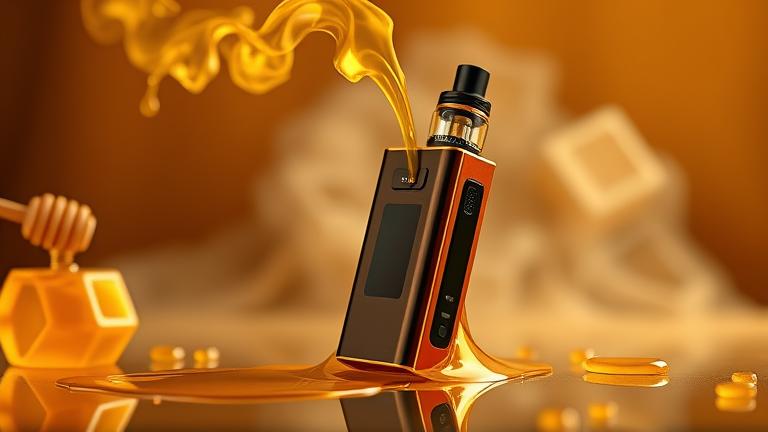
Latest Trends in Vaping Honey: Innovations and Possibilities
The vaping industry continues to evolve with the latest developments focusing on integrating innovative technologies and addressing consumer preferences. One notable advancement is the incorporation of nanotechnology,
specifically nanoemulsions, which enhance flavor delivery and improve the bioavailability of honey’s natural compounds. These nano-sized formulations allow for better absorption of the honey’s beneficial properties, resulting in a smoother and more potent vaping experience.
In addition, new vaping devices are specifically designed to vape honey, featuring honey-infused vaporizers that combine natural sweetness with efficient vaporization processes. These innovative devices appeal to health-conscious consumers seeking natural alternatives and cleaner consumption methods.
They often include dual-use functionality, allowing users to switch between honey vapors and traditional e-liquids, providing versatility and customization for users.
Consumer trends are also shifting towards organic and raw honey options, with flavored blends such as lavender honey and spicy variations gaining popularity. Transparency in sourcing and sustainability have become key factors influencing buyers’ decisions, emphasizing the importance of authentic and ethically sourced products. Artisanal and small-batch honey vapes are particularly in demand, highlighting craftsmanship and natural flavor profiles that resonate with the holistic health movement.
Technological progress further includes reducing nicotine levels and integrating cannabinoids such as CBD into honey vapors, offering potential health benefits. Such innovations aim to create a more natural, safer, and enjoyable vaping experience for different user preferences. Overall, advancements in devices and formulations are poised to make vaping honey a more convenient and functional activity, blending flavor with wellness benefits.
Is Vaping Honey Safe? Health Considerations and Risks
Vaping honey is an emerging trend that warrants careful consideration of safety and health implications. The practice involves inhaling vaporized substances, which can pose risks to lung health, especially if contaminants or impurities are present in the honey or the vaping equipment. While honey is generally safe when consumed orally due to its natural antimicrobial properties, vaporizing it introduces uncertainties, as heating can produce harmful compounds like acrolein and formaldehyde.
Additionally, inhaling vaporized honey may cause allergic reactions in sensitive individuals, especially those allergic to bee products. Concerns also extend to the potential dangers of additives or flavorings used in vaping products, which could exacerbate respiratory issues. It is important to assess these risks and avoid unverified or homemade mixtures that might contain harmful substances.
Some individuals believe vaporized honey can soothe sore throats or coughs, similar to the effects of oral honey. Although anecdotal claims suggest antimicrobial and anti-inflammatory benefits, scientific evidence supporting inhalation as a remedy remains limited.
To mitigate health risks, users should select high-quality, pure honey, use reputable devices, and avoid excessive inhalation. Consulting healthcare professionals before testing vaping honey is advised, especially for those with respiratory issues or allergies.
Since this is a relatively new practice, ongoing research is crucial to understanding its full health impact. Staying informed about scientific findings and regulatory updates will help users make safer choices. The potential for unknown or harmful compounds underscores the importance of caution and responsibility when exploring vaping honey.
How to Vape Honey: Methods, Tips, and Tricks for Best Results
Vaping honey requires proper equipment and technique to achieve optimal results. Using a vaporizer that can handle thick concentrates or a dab rig designed for viscous substances yields better vaporization and flavor preservation. Beginners should start with small doses and gradually increase to find their ideal potency for a comfortable experience.
The process involves heating honey to a safe, manageable temperature without burning it. A low-temperature setting, typically around 300°F (149°C), is recommended to prevent combustion and preserve flavor integrity. Gentle stirring during vaporization ensures even heat distribution and consistent vapor production. Materials like quartz or ceramic atomizers are preferred because they do not interfere with the honey’s flavor or purity.
Proper storage is essential to maintain the honey’s quality. Keep it in an airtight container, shielded from direct sunlight and heat, to prevent crystallization. To improve vapor smoothness, diluting thick honey with a small amount of propylene glycol (PG) or vegetable glycerin (VG) can create a more manageable consistency. Regular cleaning of the device prevents residue buildup, which could hinder taste and vaporization efficiency.
Start with gentle puffs and hydrate afterward to soothe the throat. Fine-tuning settings and experimenting with different preparation methods will help personalize your vaping experience.
Flavor Profiles and Creative Combinations with Honey Vaping
Honey naturally boasts a broad spectrum of flavor profiles, from sweet and floral to rich and caramel-like notes. Its taste varies depending on the floral source, processing, and regional differences. Incorporating honey into vaping can deepen flavor complexity and create a smoother vapor experience.
Vapers often experiment with pairing honey with other flavors to craft unique blends. For example, combining honey with fruity notes like berries or apples adds sweetness and depth to the vapor. Honey also enhances dessert flavors such as vanilla, caramel, and cinnamon, making the experience richer and more indulgent.
Legal and Regulatory Landscape of Vaping Honey
The legal situation surrounding vaping honey is varied and constantly changing. In the United States, the Food and Drug Administration (FDA) regulates vaping products, including honey-based liquids, with strict oversight to protect consumers. This includes approvals, clear labeling, and restrictions against unverified health claims.
Like in Canada, other countries enforce comprehensive laws focusing on safety, quality testing, and marketing restrictions for vaping products. However, in some regions, regulations are either lacking or ambiguous, creating a gray legal area that can pose risks to both producers and consumers. Staying compliant involves securing the necessary licenses, evidencing product purity, and accurate ingredient labeling.
Monitoring the evolving legal landscape is critical. Violations, such as making unsupported health claims or marketing to minors, can lead to penalties or product bans. Companies and consumers should follow regional legislation and seek expert legal advice to ensure adherence.
Understanding the legal environment helps in making informed choices and avoiding potential legal complications. Engaging with regulatory authorities and legal experts is advisable, especially as laws continue to develop…
Comparing Vaping Honey to Other Substances: Benefits and Drawbacks
Vaping honey offers a unique, natural alternative compared to other common substances like nicotine or THC oils. Honey is rich in antioxidants, enzymes, and has antimicrobial properties, making it appealing to users seeking a more holistic experience. Its natural composition contrasts with chemically derived e-liquids, providing a potentially safer and more wholesome option.
However, honey’s high viscosity and stickiness can make vaporization challenging, especially in standard vaporizers designed for oils or e-liquids. Melting or caramelizing at high temperatures can cause clogs or damage to the device, thus requiring specialized equipment tailored for viscous substances. Despite these limitations, recent innovations in vaporizer technology have facilitated safe and effective vaporization of honey without combustion.
In terms of benefits, vaping honey might offer soothing effects for throat irritation and coughs, along with potential antioxidants. On the downside, the lack of extensive scientific research means that safety and efficacy are not fully established. Careful temperature control and quality selection are crucial to mitigate risks such as burning or inhaling harmful compounds.
Overall, while vaping honey presents an appealing natural alternative, it demands specific equipment and cautious usage to avoid potential pitfalls. Further studies are essential to confirm its safety profile and develop standardized guidelines for its consumption.