
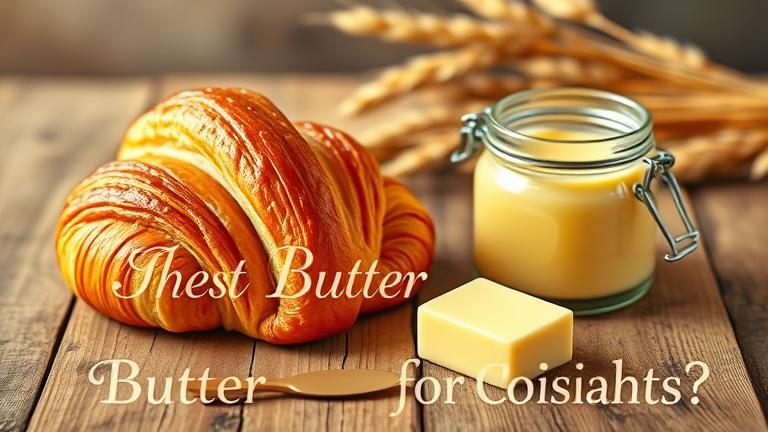
The Role of Butter in Perfect Croissants
Butter is an indispensable ingredient when it comes to crafting the ideal croissant. Its primary importance lies in its ability to create a flaky, golden crust with tender, layered interiors. The key to achieving this lies in selecting high-quality butter that enhances both flavor and texture.
High-fat butters, especially European-style varieties, significantly improve the lamination process, which is responsible for the croissant’s signature flaky layers.
These butters contain around 82-86% fat, making them richer and creamier, which directly affects the richness and appearance of the baked good. Proper butter not only influences flavor but also helps form crisp, tender layers as it melts gradually during baking. Investing in premium butter ensures bakery-quality croissants can be achieved at home.
Exploring Popular Types of Butter for Baking
There are various kinds of butter that contribute distinct qualities to your croissants. European-style butter stands out for its high fat content, which yields a richer, smoother texture and a more intense flavor.
It is churned longer than regular butter, resulting in less moisture and a dense consistency that is ideal for lamination. Cultured butter, produced from fermented cream, offers a tangy flavor profile and a softer texture. This type of butter adds complexity and depth to baked goods and can elevate the overall flavor of croissants.
Regular butter, generally made from fresh cream, has a milder taste and lighter texture. It is versatile but may not produce the same authenticity in croissants as European-style butter. Clarified butter, which contains only the butterfat with all moisture removed, provides a clean, pure butter flavor. This results in a crispier crust and a more prominent butter aroma.
Flavored butters infused with herbs or spices can introduce subtle nuances, perfect for creating unique croissant variations. Each type of butter brings its unique properties, influencing both flavor and texture, so selecting the right one depends on your specific baking goals.
Flavor Profiles that Elevate Your Croissants
Different types of butter contribute various flavor nuances that can significantly enhance your croissants. European butters, known for their higher butterfat content, offer a deeper and more intense flavor. This richness makes croissants more tender and flavorful, elevating the eating experience. American butters tend to have a milder taste, resulting in a more subdued butter flavor that lets other ingredients shine.
Clarified butter imparts a clean, pure buttery taste that adds crispness to the crust. Flavored butters infused with herbs, garlic, or spices introduce subtle yet complex elements that make your croissants stand out. These infusions can turn an ordinary pastry into a gourmet treat. Experimenting with different butter types and flavorings allows bakers to craft customized and memorable baked goods that appeal to a variety of palates.
Melting Properties and Texture Impact
The melting point and consistency of butter are crucial factors in shaping the final texture of croissants. A higher melting point prevents the butter from melting too quickly during baking, helping to maintain distinct flaky layers. When butter is cold and firm, it forms visible layers that expand during baking, creating the airy, flaky interior characteristic of well-made croissants.
Soft or melted butter tends to blend fully into the dough, resulting in a denser texture with less separation between layers. The mouthfeel is also affected cold, firm butter produces crisp, flaky layers that melt in the mouth, giving that desirable layered crunch.
Using high-quality European-style butter with a high melting point further enhances these qualities by melting evenly and contributing to a tender interior with a crisp exterior. Understanding these properties allows bakers to optimize each step, yielding superior layering, flakiness, and mouthfeel that delight the senses.
The Art of Choosing the Best Butter
Selecting the right butter involves careful consideration of several factors. High-quality European-style butter is often preferred because of its higher butterfat content, which results in tender, flaky layers. When shopping, look for butters that are fresh, have a creamy, clean aroma, and contain no off-flavors.. The packaging can also provide clues; salted butter enhances flavor while unsalted allows control over seasoning. Good butter should be stored properly to retain its qualities and freshness.
Experts recommend balancing these qualities based on your taste preferences and baking goals. Freshness and aroma are critical indicators of good butter quality, as they influence the overall flavor of your croissants. For traditional bakery-like results, European-style butter with a high butterfat percentage is highly recommended, but experimenting with different types can help you discover your signature flavor profile.
Pro Tips & Recipe Variations
To truly elevate your croissants, consider mixing different types of butters to combine their unique benefits. For instance, blending sweet cream butter with salted butter can enrich flavor and texture, creating a complex profile that delights the palate.
Experimenting with local ingredients such as regional honey or jams can also add a personalized touch. Incorporating herbs like thyme or rosemary into the butter or dough can result in aromatic variations that stand out in the market.
Beyond basic recipes, bakers can explore variations such as using infused butters or adding spices to introduce new layers of flavor. These modifications make the baking process more creative and tailored to specific tastes. Remember, experimenting with butter combinations and flavor infusions not only enhances the taste but also invites innovation, turning traditional croissants into gourmet masterpieces.