
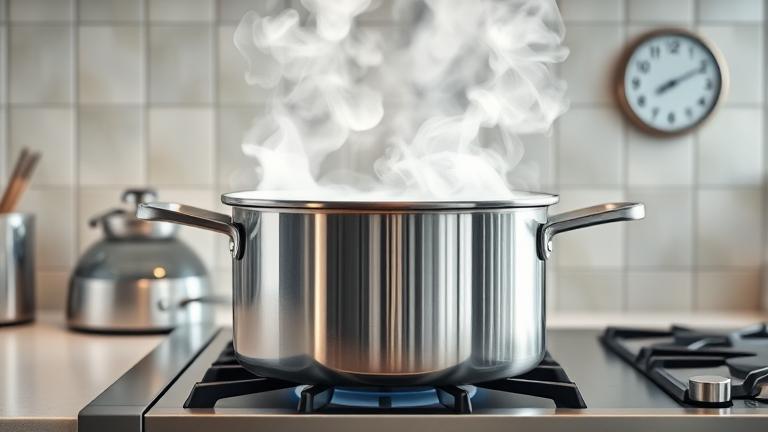
Understanding How Much Water Is Needed to Boil Pasta
Getting the right amount of water when boiling pasta is essential for achieving optimal cooking results. Using an adequate volume of water ensures that the pasta cooks evenly and prevents it from sticking together.
When there is too little water, the pasta can become mushy or stick to the sides of the pot, which is not desirable. Conversely, too much water can make the pasta soggy and dilute the flavor, leading to less enjoyable dishes.
Research indicates that the general rule of thumb is to use approximately 4 to 6 quarts of water per pound of pasta. This range offers enough space for the pasta to move freely during boiling, promoting uniform cooking.
Proper water volume also helps maintain an even temperature throughout the process. It reduces the likelihood of clumping, sticking, or uneven doneness. Using the right amount of water assists in heat transfer, thereby shortening cooking times and improving the final texture of the pasta.
The amount of water used directly influences the texture and consistency of cooked pasta. Sufficient water facilitates even heat distribution and helps achieve the perfect al dente texture, which many pasta recipes call for. Achieving this ideal texture depends largely on ensuring that the pasta can flex and move around in the boiling water without sticking together. Proper water ratio and usage are key to making sure pasta absorbs water evenly and cooks uniformly.
How to Properly Boil Pasta: Step-by-Step Guide
To boil pasta effectively, start by filling a large pot with enough water typically between 4 to 6 quarts for each pound of pasta. This volume allows the pasta to move freely and prevents sticking during boiling. Once the water is in the pot, add a generous pinch of salt. Salt not only seasons the pasta but also enhances its texture and flavor. It is best to add the salt once the water begins to boil for optimal absorption.
Bring the salted water to a rolling boil over high heat. Carefully add the pasta to the boiling water, stirring immediately to prevent clumping. During the cooking process, stir periodically to keep the pasta separated and ensure even cooking.
Follow the cooking time specified on the package, which typically ranges from 8 to 12 minutes. For the best results, taste test a piece of pasta a few minutes before the minimum cooking time to check for doneness. Once the pasta reaches the desired tenderness tender but slightly firm in the center drain it promptly.
You may want to save a cup of the pasta water before draining. This starchy water can be used to thicken or adjust the consistency of sauces later. Proper timing, salting, and stirring are critical steps to achieve flavorful, perfectly cooked pasta.
Tips for Achieving Perfect Pasta Texture
Testing for doneness is an essential part of cooking pasta correctly. The pasta should be tender but still have a slight firmness when bitten known as al dente. Stirring the pasta frequently during boiling prevents sticking and ensures an even cook. Using ample water about 4 to 6 quarts per pound is vital for maintaining a smooth, rolling boil that prevents clumping.
Adding salt enhances the flavor significantly. Experts recommend about 1 to 2 tablespoons of salt per pound of pasta. Salted water not only seasons the pasta but also helps it maintain its texture during cooking.
Once cooked, promptly draining the pasta halts the cooking process and preserves the right texture. If serving immediately, rinsing with warm water is unnecessary and can wash away surface starches that help sauces adhere. However, if you want to stop cooking quickly, rinsing can be helpful.
To ensure the pasta is cooked to perfection, taste periodically during boiling. Adjust the cooking time based on the pasta type and personal preference. The key is to remember that even a slight difference in timing can affect the final texture. Adding some of the reserved pasta water to your sauce can create a richer, creamier consistency and help the sauce cling better to the pasta.
Factors Influencing Water Requirements for Different Pasta Types
The water needed to cook pasta varies depending on several factors. Pasta shape and size play a significant role, as thicker or larger pasta varieties generally require more water to cook evenly. For instance, broad shapes like rigatoni or penne need more water compared to fine shapes like angel hair. Larger pasta pieces need space to move freely, which ensures even heat distribution and reduces sticking risks.
Pot size is another crucial factor. Using a larger pot means more water, which promotes better circulation of heat. This prevents the pasta from sticking and encourages uniform cooking. Small pots with less water may require careful monitoring to prevent overflows, uneven cooking, or sticking. The goal is to provide enough water to fully submerge and allow free movement of pasta throughout the boiling process.
Different cooking methods also influence the amount of water needed. Traditional boiling demands full immersion of pasta in hot water. Techniques like pressure cooking or simmering might require adjustments in water levels to account for shorter or more controlled cooking times. Always consider the pasta type, pot size, and chosen cooking method when determining water volume to achieve optimal results.
Final Tips for Perfect Pasta Cooking
Always start with enough water to allow the pasta to move around freely. Use at least 4 to 6 quarts per pound for the best results. Adding salt after the water boils helps season the pasta evenly. Stir the pasta immediately after adding it to prevent sticking, and stir regularly during cooking. This technique ensures that each piece cooks evenly and maintains its shape.
Monitor the cooking process closely and taste test often. Remove the pasta from heat once it reaches a slightly firm texture that still offers some bite, which is perfect for most dishes. Remember to save some pasta water before draining, as this can be used to enhance your sauces. Proper timing, stirring, and water management will elevate your pasta cooking to professional levels.