
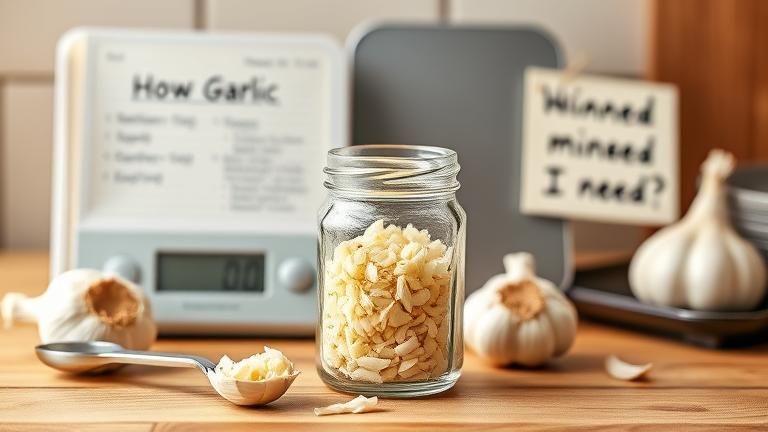
Converting Garlic Cloves into Minced Garlic
To turn garlic cloves into minced garlic, it is important to understand the typical yield of a single clove. Generally, one medium garlic clove yields approximately one teaspoon of minced garlic. If your recipe calls for a tablespoon of minced garlic, you will need about three medium-sized cloves.
For smaller garlic cloves, adjust the quantity accordingly, as they tend to produce less minced garlic per clove. This is a useful guideline for accurate measurement and ensuring the right flavor balance in your dishes.
Common equivalents also help in measuring garlic precisely. A standard garlic bulb contains roughly 10 to 12 cloves, which amount to approximately a quarter cup of minced garlic. To achieve consistent results, it is best to use standard measuring spoons instead of estimating by eye, especially when the recipe demands a specific amount. This approach ensures uniformity across different cooking sessions, leading to better flavor consistency.
Tips for Accurate Garlic Measurement
Measuring garlic accurately can be simplified by first crushing the garlic slightly with the side of a knife. This action loosens the skin, making peeling easier and reducing waste. For consistent mincing, a garlic press is highly recommended because it produces evenly minced garlic and saves time. Properly measuring garlic is especially important in recipes where flavor balance is crucial, such as sauces, marinades, or dressings.
Since fresh garlic has a potent flavor, it is wise to adjust the amount based on personal taste preferences. When substituting minced garlic in recipes, consider the intensity and modify the quantity accordingly to avoid overpowering the dish.
Uses and Quantity Guidelines for Minced Garlic in Cooking
Minced garlic is a highly versatile ingredient that adds depth and complexity to a variety of dishes. In sauces and marinades, typically one to two cloves per serving suffice to impart a fragrant aroma without overwhelming the dish.
When preparing main courses, using three to four cloves is common to enhance the overall flavor profile. Adjusting these quantities based on personal taste and dish complexity helps create a balanced and flavorful outcome.
According to culinary standards, approximately one teaspoon of minced garlic equivalent to roughly three cloves—is standard per serving in many recipes. For delicately flavored dishes, half a teaspoon per serving may be enough, especially in light dressings or sauces.
In marinades, two to three teaspoons per cup of liquid allow the garlic flavor to permeate the meat or vegetables effectively. For hearty dishes like stews or roasted meats, adding two to four cloves minced or crushed typically yields excellent flavor enhancement. Proper measurement ensures a harmonious balance between flavor and dish integrity.
Adjusting Minced Garlic Quantity to Taste and Preference
To modify the amount of minced garlic based on your flavor preferences, start with a small quantity such as one teaspoon per serving. As you become more familiar with your taste preferences, you can gradually increase or decrease the amount to suit your liking. Keep in mind that garlic is a potent ingredient. Therefore, adjusting gradually helps prevent overpowering the dish.
If you prefer a milder garlic flavor, use less; for a stronger taste, add more in small increments, tasting as you go. This method allows for customizable cooking while maintaining control over the garlic’s influence. Remember, overdoing it can lead to an overly pungent flavor that may overshadow other ingredients in your dish.
Substitutes for Fresh Minced Garlic
Garlic powder and garlic paste are popular substitutes in various recipes. Garlic powder offers a milder flavor and has a longer shelf life, making it a convenient pantry staple. Garlic paste delivers a stronger, more concentrated garlic flavor and can be used directly in sauces and marinades.
When replacing fresh garlic with garlic powder, use about ¼ teaspoon for each clove called for in the recipe. Garlic paste can generally be substituted on a one-to-one basis, but it’s often wise to adjust to taste.
Adding garlic powder early during cooking helps it dissolve and develop its flavor, while garlic paste blends seamlessly into liquids for an intense aroma. It is vital to consider the dish’s flavor profile and cooking time when making these substitutions.
For raw applications such as dressings or garnishes, fresh garlic is usually preferred for its sharper, more vibrant flavor. Using the appropriate garlic ingredient preserves the aroma and taste that your recipe aims for.
Health Benefits of Garlic
Garlic offers numerous nutritional advantages that make it a valuable addition to a healthy diet. It contains compounds like allicin, which have been linked to boosting immunity and reducing inflammation. Garlic is also rich in essential vitamins such as vitamin C and B6, as well as minerals like manganese and selenium. These nutrients contribute to overall health and help support various bodily functions.
For optimal health benefits, a daily intake of about one to two cloves of garlic is generally recommended. This amount provides a sufficient amount of bioactive compounds to improve cardiovascular health and strengthen the immune system. However, it is important to adjust intake to personal tolerance levels to prevent adverse effects, such as digestive discomfort or bad breath.
Excessive intake can lead to side effects like gastrointestinal issues or increased bleeding risks. Consulting with a healthcare professional when incorporating large amounts of garlic or combining it with medications is advisable. Moderation is key to enjoying its health benefits safely.
Measuring and Storing Minced Garlic
Minced garlic is typically measured by volume or weight. A common measure is roughly one teaspoon per clove, which weighs approximately three grams. For precise measurements, using a kitchen scale is helpful. Accurate measurement ensures consistency in flavor and helps prevent overpowering or under-flavoring your dishes.
Proper storage of minced garlic is essential to maintain its freshness and potency. It should be stored in an airtight container in the refrigerator, ideally used within one week. Exposure to air, light, and moisture causes deterioration, so airtight packaging extends shelf life. To store minced garlic for longer periods, many cooks freeze it in small portions using ice cube trays. This makes it easy to add a precise amount of garlic to dishes during cooking.
When incorporating minced garlic into your recipes, adding it early in the cooking process allows the aroma to develop fully. Sautéing minced garlic in oil until fragrant brings out its rich flavor and reduces sharpness. Always ensure that your minced garlic appears fresh, free of mold, discoloration, or sour smells. Discard any garlic that exhibits these signs to prevent foodborne illnesses.