
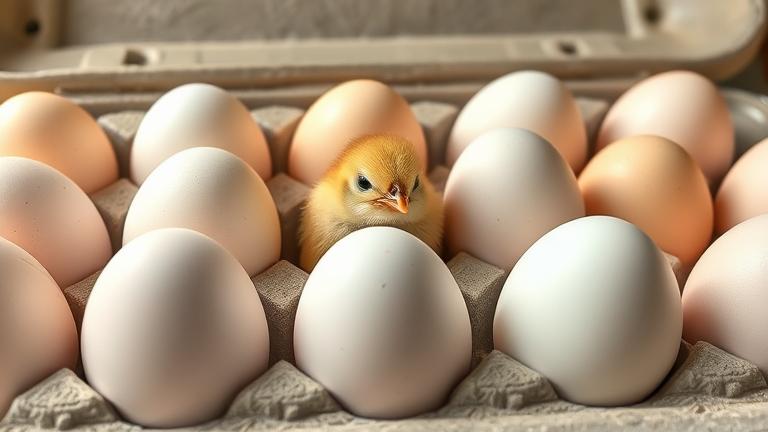
Are Store-Bought Eggs Suitable for Hatching?
Store-bought eggs are generally not suitable for hatching because most supermarket eggs are not fertilized. This is primarily due to the fact that hens are usually kept without roosters in commercial egg production systems. Without fertilization, these eggs do not contain the embryo necessary for development even if they are incubated under ideal conditions.
Additionally, even if eggs are fertilized, their viability for hatching depends on several factors. Proper incubation temperature, humidity levels, and careful handling during storage are critical components of successful hatching. Commercial eggs are typically stored in controlled environments designed to maintain freshness for consumption rather than for incubation purposes.
In summary, supermarket eggs are intended for eating and not for hatching. For successful incubation, one needs certified fertilized eggs along with the appropriate setup. Without verification of fertilization and proper conditions, the likelihood of hatching store-bought eggs is very low.
Scientific Principles of Egg Incubation
The scientific principles behind egg incubation involve meticulously regulated environmental conditions that replicate a hen’s natural nesting environment. Temperature regulation plays a vital role; most eggs hatch successfully at temperatures between 99.5°F and 100°F (37.5°C to 38°C). Deviating from this temperature range can significantly reduce hatchability and embryo development.
Humidity control is equally important. Maintaining humidity between 50% and 65% helps prevent eggs from drying out or becoming overly moist. Proper humidity levels ensure that embryos develop in an optimal environment, which is crucial for hatching success.
Egg quality, including factors such as freshness and shell integrity, also influences hatchability. High-quality eggs with clean, intact shells, and minimal handling typically have better chances of success.
YouTube Video: Egg Incubation Techniques
Difference Between Farm and Store Eggs for Incubation
Farm eggs are generally fresher because they are collected directly from hens raised in natural environments. Such hens often have access to outdoor spaces and consume a varied diet, which boosts the nutritional profile and flavor of the eggs. These eggs are typically collected daily and sold quickly, minimizing storage time.
In contrast, store eggs tend to be older because they are collected, processed, and stored for weeks before reaching the consumer. Prolonged storage can affect their quality and nutritional content. Commercial eggs sold in grocery stores are produced in large-scale facilities where eggs are selected for quality and safety, not hatchability.
Most commercial eggs are washed thoroughly to remove bacteria, which inadvertently removes the protective cuticle a natural barrier that helps preserve freshness and prevent bacterial penetration. This washing process, combined with refrigeration, further reduces the odds of eggs being viable for incubation. Fertilization is another critical factor; most eggs in stores come from hens that are not mated with roosters, making natural fertilization impossible.
For those interested in hatching eggs, the best choice is farm-fresh, fertilized eggs from backyard chickens that are kept with roosters. Their less processed nature and natural conditions increase the chances of successful incubation and hatch.
Myths and Misconceptions About Hatching Store Eggs
Many misconceptions exist surrounding the idea of hatching store-bought eggs. A common myth is that supermarket eggs cannot be hatched because they are not fertilized. However, most eggs in retail stores are unfertilized, which makes successful incubation impossible.
Another misconception is that the date on store eggs helps determine their hatchability. In reality, the vast majority of eggs in stores are unfertilized, and even fertilized eggs are rarely sold in that condition. Fertilization depends on whether a hen has mated with a rooster. If hens are kept without roosters or their eggs are collected before mating, the eggs cannot develop into chicks.
There is also a belief that with proper incubation techniques, even store eggs can hatch. While it is technically possible if eggs are fertilized, the chances are very low because most store eggs are not fertilized and are stored for long periods which depletes their viability. Proper storage and handling are essential to preserve viability, but since most commercial eggs are not intended for incubation, success rates are minimal.
How to Hatch Store-Bought Eggs: Tips and Techniques
If one still wishes to attempt hatching eggs from the store, careful selection and preparation are paramount. Start by choosing eggs with clean, uncracked shells, ideally from reputable sources. The freshness of eggs plays a crucial role; check the expiration date and select eggs within their shelf life for better prospects.
Maintaining the right incubation environment involves setting a consistent temperature of about 99.5°F (37.5°C) and humidity levels between 50% and 60%. You may use a dedicated incubator or create a makeshift environment with a styrofoam box, gentle heat source, and accurate thermometers. Regularly turning the eggs at least three times daily mimics hen behavior and promotes embryo development unless an automatic turner is used.
Keep the eggs in a clean, draft-free environment, avoiding direct sunlight to prevent temperature fluctuations. Monitoring and adjusting temperature and humidity levels are vital throughout incubation.
Candling about a week into incubation allows observation of embryo development. Candling involves shining a bright light through the eggshell to see blood vessels and movement. Discard any eggs that do not show signs of development to prevent contamination.
Successful incubation of store eggs requires patience and precision. Some eggs may take longer to hatch or may not hatch at all. Following tailored guidance for specific eggs and maintaining constant conditions significantly enhance the chances of success. More detailed incubation techniques can be found in our comprehensive guide to egg incubation.
Recognizing Signs of Viability and Hatching Success
Assessing whether store eggs will hatch involves monitoring environmental conditions and observing physical signs. Optimal temperature and humidity are essential for embryo development. Signs that an egg is viable include tiny blood vessels visible through the shell, slight movement within the egg, or the appearance of the embryo after candling.
If during incubation there are no observable signs of development after a typical period usually about 7 to 10 days for poultry eggs it likely means the egg is infertile or the embryo has stopped developing. Persistent lack of change or movement indicates failure of fertilization or improper conditions.
Monitoring environmental stability is crucial; fluctuations in temperature and humidity reduce hatchability. Properly stored and handled eggs tend to have better chances, especially when kept in consistent conditions. Recognizing these signs helps set realistic expectations and prevents unnecessary incubation attempts.
Conclusion
In conclusion, most supermarket eggs are not suitable for hatching because they are generally unfertilized. The natural process of fertilization only occurs if hens mate with roosters, which is uncommon in commercial egg production. Even if some eggs are fertilized, improper storage especially in commercial environments reduces their chances of hatching.
Hatching eggs from local farms or backyard flocks can be successful if the eggs are fresh, fertilized, and carefully incubated under the appropriate conditions. It remains an exciting project with the potential for success, provided realistic expectations are maintained, and proper techniques are followed.
By understanding the scientific principles, myths, and practical tips, anyone interested can experiment responsibly with hatching eggs from various sources. Patience, diligent monitoring, and accurate environmental control are the keys to increasing your chances of bringing chicks into the world.