
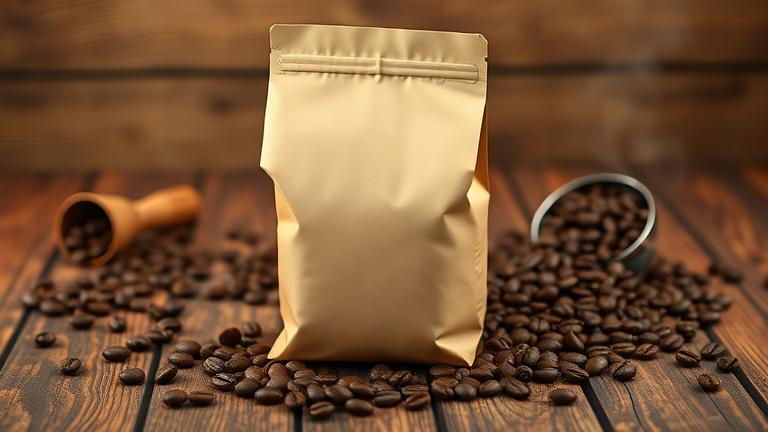
Understanding the Significance of a Pound of Coffee
A pound of coffee is a standard measurement that influences many aspects of the coffee experience. For regular coffee drinkers and small-scale cafes alike, buying in bulk often reduces the cost per unit and ensures a steady supply. It also provides enough grounds for multiple brewing sessions, making it a practical choice for households or small establishments.
Proper storage of a pound of coffee is essential to maintain its freshness, flavor, and aroma, which are key to a satisfying cup. To preserve quality, experts recommend storing coffee in airtight containers kept in a cool, dark place.
This helps prevent oxidation and staling, which can diminish the flavor over time. Understanding these fundamentals helps elevate your coffee journey from a novice to a connoisseur.
Traditional Weight Techniques
Using a digital or mechanical scale remains the most precise method for measuring coffee. This approach allows brewers to control the exact amount of coffee used for each brew. Consistency is vital for achieving a uniform flavor profile and strength in every cup.
According to coffee experts, weighing coffee grounds also enhances the flavor and strength of the brew by ensuring each cup has the same coffee-to-water ratio.
Precise measurement encourages better control over extraction, leading to richer, more balanced coffee. Whether you prefer a scale or classic measuring tools, mastering this technique ensures your coffee always tastes just the way you like it.
Modern Ratios and Measurements
Many baristas and brewing enthusiasts now favor preset ratios, such as 1:16 or 2:1 referring to coffee to water proportions. These ratios help standardize the brewing process and produce reliable results.
They are particularly helpful for beginners exploring different brewing methods. Implementing precise ratios assists in maximizing extraction and flavor while simplifying the process.
Using ratios instead of weight alone allows for flexibility while maintaining consistency in every cup. This approach ensures that the brewing process is accessible for novices and consistent for experienced baristas.
Effects on Flavor and Consistency
Measuring coffee accurately through weight or ratios plays a crucial role in the final taste. Consistent measurement prevents over- or under-brewing, which can lead to undesirable flavors. Over-extraction can cause bitterness, while under-extraction results in sourness or weak flavors.
To get the best flavor, mastering measurement techniques is essential for every coffee lover. Whether you prefer traditional weighing scales or modern ratios, refining your method elevates your overall coffee experience. Each precise step contributes to a balanced and harmonious brew.
Proper Storage Solutions for Fresh Coffee
Effective storage is vital for maintaining coffee’s freshness and aromatic profile. Vacuum-sealing is one of the most reliable methods, as it removes air from the packaging to prevent oxidation and staling. This technique extends the shelf life of both beans and grounds significantly. In addition to vacuum packs,
specialized coffee storage canisters with airtight lids made of ceramic or stainless steel are popular choices. These containers block light, air, and moisture, all of which can hasten the degradation process.
Storing coffee in a cool, dark place away from heat sources also helps preserve its flavor and aroma. Proper storage not only retains freshness but also enhances your overall coffee experience.
The Journey from Beans to Brew
The journey of coffee begins with raw coffee beans harvested from coffee cherries. These cherries can be processed using dry or wet methods to extract the beans. After harvesting, the beans are cleaned and sorted before roasting.
Roasting plays a significant role in developing distinct flavor profiles based on duration and temperature. Light to dark roasts alter the brewing characteristics and flavor extraction.
Ground coffee then undergoes various brewing methods such as drip filters, pour-over systems, French presses, AeroPress, and espresso machines. Each method requires specific grind sizes for optimal results.
A typical pound of coffee about 16 ounces or 453 grams can produce between 48 and 96 cups depending on the brewing strength and method. Understanding this process deepens appreciation for the complexity behind each cup from raw bean to finished beverage.
Emerging Trends in Artisanal and Specialty Coffee
The latest trends in the coffee scene focus on crafting highly personalized and versatile experiences. Baristas and enthusiasts are adopting advanced brewing techniques like pour-over, Chemex, and siphon brewing. These methods offer greater control over variables such as water temperature, grind size, and brew time.
The result is a broad spectrum of flavors and aromas, which make each cup unique. There is also a growing emphasis on sourcing single-origin beans. This highlights regional character and promotes transparency about the coffee’s provenance. Supporting sustainable farming practices and understanding terroir are important to connoisseurs.
Innovations in brewing equipment enable home users and professionals to experiment with customized beverages. This includes nitro cold brew systems and advanced espresso setups. These tools inspire innovation and create personalized flavor profiles, elevating coffee from a simple routine into a craft.
The industry is also focusing on eco-friendly packaging solutions to reduce environmental impact. Biodegradable, recyclable, and compostable materials are becoming more common.
Future of Coffee Preservation and Packaging Technologies
Recent advancements in coffee packaging aim to extend freshness and enhance consumer convenience. New materials such as oxygen-absorbing packets and vacuum-sealed pouches significantly slow down staling. These innovations keep coffee aromatic and flavorful longer, improving shelf life.
Smart packaging solutions with indicators can signal freshness or alert consumers when coffee is no longer at its peak. This technology simplifies quality management at home and in retail settings. Sustainability is also a key driver in packaging innovations, with companies adopting biodegradable and recyclable options to lessen environmental footprint. Refillable and reusable containers support circular economy practices, reducing waste.
Climate-controlled storage units using IoT sensors automatically regulate temperature and humidity to preserve beans and grounds. These advanced storage systems are especially beneficial for cafes and retail outlets, helping to reduce waste and manage inventory efficiently. The combined effort of innovative packaging and smart storage solutions promises a future where coffee remains fresher for longer while respecting environmental sustainability.