
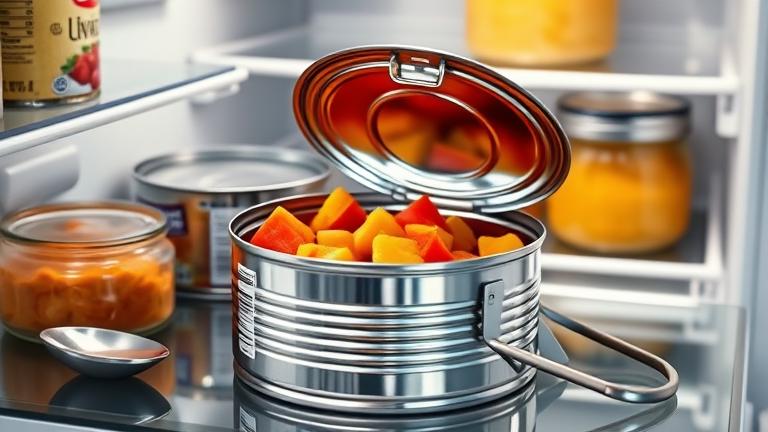
Best Practices for Storing Canned Food After Opening
Proper handling and storage of canned foods after opening are essential for maintaining their freshness and safety. Immediately transferring leftovers into airtight containers helps prevent contamination and minimizes exposure to air, which can lead to spoilage. .
This step is crucial in preserving the food’s quality and extending its shelf life. It is also important to refrigerate the food promptly, ideally within two hours of opening, and keep it at or below 40°F (4°C). Maintaining this temperature inhibits bacterial growth and ensures the food remains safe to consume.
Labeling containers with the date of opening is a simple yet effective technique. It helps you track how long the food has been stored and encourages timely consumption within the recommended period typically 3 to 4 days. Additionally, avoid storing canned foods near strong-smelling items; odors can be absorbed, which impacts flavor and safety. Always check for signs of spoilage such as off smells, mold, or discoloration before consuming opened canned goods. Following these practices ensures that canned foods stay fresh, delicious, and safe for consumption.
Tips for Preserving Food Quality Once Canned Foods Are Opened
To maintain the flavor, texture, and nutritional value of canned foods after opening, proper storage conditions are vital. Transferring contents to airtight containers and storing them in the refrigerator at or below 40°F (4°C) helps prevent spoilage. Using clean utensils each time you serve reduces contamination risks, further extending the safety and quality of leftovers. Food safety experts recommend consuming opened canned foods within 3 to 4 days this timeframe supports both safety and quality retention.
Some canned items, such as vegetables and fruits, may last slightly longer if stored correctly. Keeping the storage area clean and at a consistent temperature plays a significant role in preserving nutritional value. Regularly checking for signs of spoilage such as an off smell or discoloration ensures safety. Labeling leftovers with the date of opening helps keep track of their freshness. Employing these techniques guarantees that your canned foods remain both nutritious and tasty over time.
Common Mistakes to Avoid When Storing Canned Food After Opening
Many mishandling practices can compromise food safety and quality. A common mistake is improper sealing allowing air, moisture, and contaminants to enter the container leads to spoilage and bacterial growth. Using inadequate storage methods, such as leaving leftovers in the original can or non-airtight containers, can accelerate deterioration. It is preferable to transfer canned foods into airtight glass or BPA-free plastic containers to maintain freshness and prevent odor absorption.
Temperature control is equally important. Storing perishable items like seafood, dairy, or cooked meats above 40°F increases the risk of spoilage and foodborne illnesses. The refrigerator should be checked regularly to ensure it maintains a consistent 40°F or below. Additionally, neglecting to label items with the date of opening can result in consuming spoiled food, which may cause illness. Always store opened canned goods away from strong odors and ensure containers are sealed tightly after each use.
Use of Storage Containers for Opened Canned Foods
Selecting appropriate containers for storage is vital in preserving canned foods’ qualities. Glass containers made from non-reactive materials are ideal as they do not react with acidic foods and prevent odors from seeping in or out.
Their transparency also makes it easy to identify contents quickly. Plastic containers are popular, especially if they are BPA-free, lightweight, and durable. Proper sizing ranging from small single-serving jars to larger bulk-storage containers helps prevent unnecessary exposure to air and reduces waste.
Sealing techniques significantly influence the longevity of stored foods. Airtight lids, silicone seals, and vacuum sealing options effectively block air and moisture from entering, thus slowing microbial proliferation and oxidation. Vacuum sealing, in particular, is effective for extending shelf life and maintaining taste and nutritional content. When sealing, it is important to remove as much air as possible to prolong freshness. These storage solutions optimize shelf life and keep your canned foods safe and delicious.
Refrigeration Tips for Canned Food Storage
Proper refrigeration plays a pivotal role in preserving canned foods after opening. Always transfer the contents to an airtight container to prevent contamination and odor transfer. The refrigerator temperature should be maintained at or below 40°F (4°C). Quick chilling upon opening helps inhibit bacterial growth and maintains food quality.
Most opened canned foods should ideally be consumed within 3 to 4 days for safety and freshness. In some cases like cooked beans or vegetables they may last up to a week. Always conduct a visual and olfactory check before eating discard any item showing signs of spoilage such as an off smell or discoloration. For longer storage, freezing leftovers in suitable containers can be highly effective. Label and date such containers to keep track of their storage duration. Proper temperature management and prompt consumption reduce waste and prevent foodborne illnesses.
Long-Term Storage Solutions for Opened Canned Foods
Freezing and vacuum sealing are among the most effective strategies for extending the shelf life of canned foods. Freezing prevents microbial growth and enzymatic activity that cause spoilage. Properly transferred into airtight containers or vacuum bags is essential to prevent freezer burn and retain quality. Maintaining consistent freezing temperatures at or below -18°C (0°F) keeps food safe over extended periods.
Vacuum sealing enhances preservation by removing air, thereby slowing oxidation and bacterial spread. This allows foods like meats, vegetables, and sauces to stay fresh for much longer. When freezing leftovers, label each package with the date to prevent consuming expired items.
Combining freezing with vacuum sealing is especially beneficial for bulk leftovers and seasonal produce. This approach enables you to enjoy homemade meals year-round while minimizing waste. Proper storage techniques guarantee safety and superior quality over longer periods, saving valuable resources.