
Understanding Parakeet Diets and Nutrition
Parakeets require a diet that supplies a balanced mix of essential nutrients to maintain their health and vitality. Their daily nutrition should primarily involve high-quality seed mixes that are specially formulated for small birds, providing a solid foundation of energy and nutrients. Alongside seeds, offering fresh fruits and vegetables is crucial because these foods supply vital vitamins and minerals necessary for overall wellbeing.
Proteins are indispensable for tissue repair and growth in parakeets; sources include legumes, cooked eggs, or commercial bird pellets that are rich in protein content. Including fats in their diet is also important but should be done with moderation, typically through seeds and nuts, to avoid excess weight gain. Carbohydrates derived from grains and fruits provide parakeets with a sustained energy source, keeping them active throughout the day.
Vitamins and minerals play a vital role in preventing deficiencies that can lead to severe health issues. Calcium, for instance, is particularly crucial for maintaining healthy bones and eggshell production, which can be supported through supplemental items like cuttlebone or mineral blocks. Additionally, feeding leafy greens such as kale and spinach introduces extra nutrients to their diets.
It is essential to avoid harmful foods that could jeopardize parakeet health. Toxic foods include avocado, chocolate, caffeine, and alcohol, which should never be fed to small birds. Processed human foods high in salt, sugar, or fat are also dangerous. Providing a varied diet helps prevent nutritional deficiencies and promotes overall health.
Regular visits to avian veterinarians can help ensure your parakeet’s diet remains balanced and tailored to their specific needs. Always keep fresh water available, and ensure food is cleaned and replaced regularly to prevent mold and bacterial growth, ultimately leading to a longer and healthier life for your bird.
Benefits of Vegetables: Spotlight on Celery
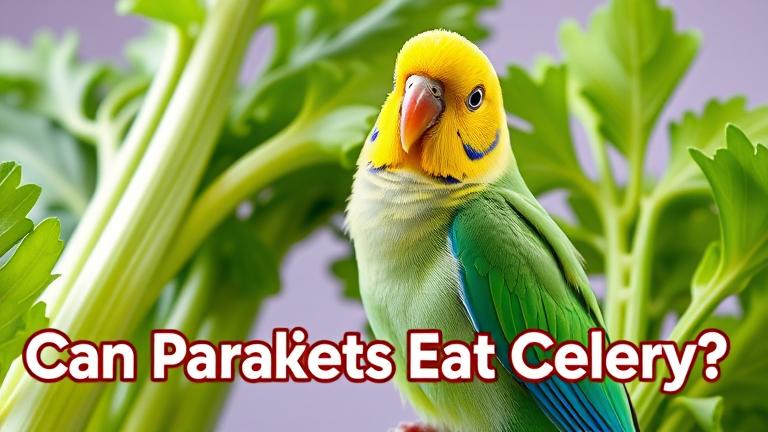
Among vegetables safe for parakeets, celery stands out as a nutritious, water-rich food beneficial when offered in moderation. Its high water content aids in hydration, while nutrients like vitamin K, potassium, and fiber support digestive health and overall wellbeing. As a leafy vegetable, celery provides antioxidants and micronutrients that help bolster immunity.
However, because of its high fiber and water levels, overfeeding celery may result in digestive upset for parakeets. It is generally safe and can be served as a healthy snack. Still, introducing it gradually and in suitable portion sizes is recommended to prevent any adverse effects.
When preparing celery for your bird, thorough washing under cold running water is essential to eliminate dirt, pesticides, and bacteria. Cutting the celery into small, manageable pieces makes it easier for your parakeet to eat and reduces choking risks. It is crucial not to add seasoning, salt, or dips, as these can be harmful. Drying the celery with a clean towel or paper towel helps prevent excess moisture, which could foster mold growth.
Regular inspection of the vegetable for spoilage such as discoloration or sliminess ensures safety. Always discard any suspicious pieces. Using fresh, well-prepared vegetables guarantees that your parakeet receives a safe and nutritious treat. Limiting celery to small portions about 1/4 to 1/2 teaspoon per serving feed two to three times weekly to maintain dietary balance. Excess consumption may cause digestive issues or diarrhea, so moderation and observation are key.
Introducing celery safely involves careful handling. Because it contains beneficial nutrients such as vitamins A, C, and K, it can support immune health when given appropriately. Nonetheless, high levels of oxalates found in celery could pose risks in large quantities, like kidney issues.
Consulting an avian veterinarian before adding new vegetables is advisable to ensure safety. Always watch for any allergic reactions or discomfort after feeding celery to your parakeet, and remember that treats should complement, not replace, a balanced diet.
Safe Vegetables and Fruits for Parakeets
Beyond celery, leafy greens like spinach, kale, and lettuce are excellent vegetables to include regularly. They deliver necessary nutrients that bolster general health and immune function. Carrots, bell peppers, and peas are also nutritious options, providing a range of vitamins that help strengthen the immune system.
Fruits are appealing and provide a natural sweetness that parakeets enjoy. Safe choices include apples, berries, and melons such as cantaloupe and watermelon. It is crucial to remove seeds from fruits like apples, as some seeds contain compounds that can be harmful or cause choking hazards. Always wash fruits thoroughly to remove any pesticides or residues before offering them to your bird.
Certain foods, however, must be avoided entirely. Avocado is highly toxic to most birds, including parakeets. Chocolate, caffeine, and alcohol are also dangerous and should never be given to small birds. Feeding processed human foods high in salt, sugar, or fats can lead to obesity and other health issues. Maintaining a safe diet involves diligent selection of appropriate foods and consistency in offering fresh, clean items to your feathered friend.
Preparing Vegetables for Your Parakeet
Proper preparation of vegetables like celery is essential to ensure your parakeet’s safety and health. Begin by washing the produce thoroughly under cold water to remove dirt and pesticide residues. Cutting vegetables into small, manageable pieces facilitates easier eating and minimizes choking risks. It is advisable to serve vegetables without seasoning or dips, as these contain ingredients harmful to birds.
Drying the pieces completely prevents excess moisture that could foster mold or bacterial growth. Regularly check vegetables for spoilage, such as discoloration or sliminess, and discard any questionable parts. Fresh vegetables provide a nutritious, safe, and appealing treat for your parakeet, reinforcing the importance of proper handling and storage.
Feeding habits should be monitored closely. Small, manageable portions roughly a quarter to half a teaspoon serve as a guideline for 2 to 3 times weekly feedings. Overfeeding can lead to nutritional imbalances and digestive complications, so moderation is essential.
When introducing new vegetables like celery to your parakeet’s diet, always ensure they are prepared safely. Although generally safe, celery contains compounds such as oxalates, which in large amounts could cause health issues like kidney problems. Observe your bird after introducing new foods and consult your avian veterinarian for personalized advice. This cautious approach helps ensure your parakeet enjoys a diverse and balanced diet, promoting longevity and vitality.