
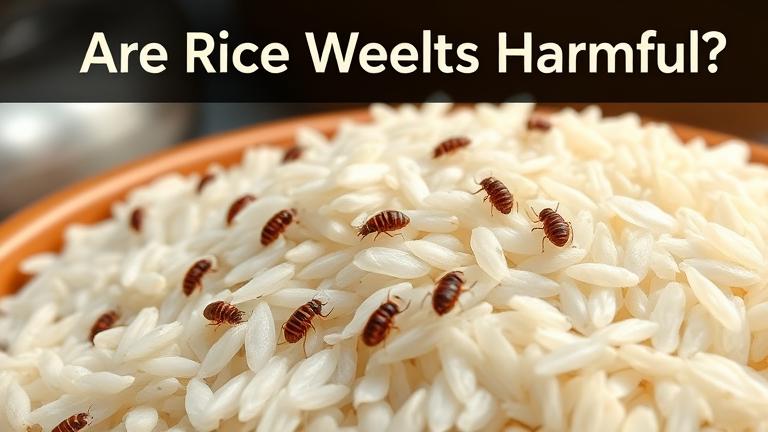
Introduction to Rice Weevils: The Unseen Pantry Invaders
Rice weevils are tiny beetles that silently invade kitchens and food storage areas, posing a significant threat to stored grains and dried food products. These pests are notorious for their ability to quickly infest large quantities of rice, wheat, pasta, and other dry goods. They are often overlooked due to their small size, measuring only about 1/8 inch in length. Their small size and swiftness make them difficult to detect early, which often leads to widespread contamination.
The presence of rice weevils is more than just an inconvenience; it raises concerns related to food safety and hygiene. Infested foods can become contaminated with bacteria, mold, and debris resulting from the pest’s activities. This contamination can compromise food quality and safety, especially when infestations go unnoticed until significant damage has occurred.
Preventing these pantry invaders begins with understanding their habits and early identification techniques. Proper storage, hygiene, and regular inspection are critical in avoiding infestations and maintaining a healthy pantry environment.
Identifying Rice Weevils: Spotting the Tiny Pests
Rice weevils are small, dark insects measuring approximately 1/8 inch long. They typically have a shiny black or dark brown body, often marked with four distinctive reddish spots located on their backs. One of their most noticeable features is their pronounced, elongated snout, which they use for boring into grains. Unlike some other pantry pests, rice weevils tend to stay close to their food sources, which usually include stored grains like rice, wheat, and pasta.
You can often recognize an infestation by observing tiny holes in food packages or seeing small rice-like larvae and shed skins on pantry shelves. These beetles are quick movers and can be found crawling among stored products or near their entry points. They tend to stay within the vicinity of their food source, making thorough inspection of stored grains essential for early detection.
Distinguishing rice weevils from other small pantry bugs, such as flour beetles, involves noting their shiny exteriors and burrowing habits. Their characteristic coloration and behavior serve as key identification markers. If you notice tiny insects with a shiny appearance and a habit of boring into grains, it is likely that rice weevils are present.
Here is a helpful YouTube video that visually explains how to identify and manage rice weevils:
Health Risks and Potential Harm from Rice Weevils
Many people wonder whether rice weevils pose any direct health risks when accidentally ingested. According to food safety authorities, rice weevils themselves are not toxic to humans. They do not carry diseases nor do they produce harmful toxins that can cause illness.
However, their presence in stored food signals poor hygiene and storage practices, and their infestation can lead to contamination of food products. Infested grains and rice often contain bacteria, mold, or debris introduced by the pests’ activity. Consumption of such contaminated products can cause digestive discomfort, allergic reactions, or even food poisoning in some cases. Therefore, it is recommended always to discard any food showing signs of infestation.
Although rice weevils are generally not harmful if ingested, their presence indicates compromised food quality. Consuming contaminated or spoiled grains can expose individuals to bacteria and spoilage organisms. Regular inspection of stored grains and maintaining airtight, clean storage environments can significantly reduce health risks.
Impact on Food Safety and Quality
Rice weevils can cause extensive damage to stored grains, affecting both food safety and quality. Once infested, grains such as rice, wheat, or pasta develop small holes and may emit an unpleasant odor, indicating spoilage. Infestation can spread rapidly, leading to widespread contamination across entire food supplies.
The presence of weevils alters the texture, flavor, and appearance of grains, making them unappetizing and unsafe for consumption. Widespread infestation can result in significant financial loss, especially for food storage facilities or households with large pantry supplies.
Beyond aesthetic issues, contaminated grains may harbor bacteria and mold, increasing the risk of foodborne illnesses. The spores and debris introduced by pests can degrade the nutritional value of stored foods. Public health experts warn that eating contaminated grains may cause allergic reactions, gastrointestinal discomfort, or more severe food poisoning cases.
Maintaining proper storage practices, such as using airtight containers and keeping storage areas clean and dry, is essential to prevent infestations. Regular inspection and prompt disposal of infested products are critical steps in preserving food safety and quality.
Effective Strategies to Control and Eliminate Rice Weevils
Controlling rice weevil infestations requires a combination of sanitation, inspection, and preventive measures. The first step is thorough cleaning of pantry shelves and storage areas. This involves removing all infested products and completely vacuuming and wiping down shelves to eliminate any remaining eggs, larvae, or adult pests.
Discard any food items showing signs of infestation, such as small holes, shed skins, or visible bugs. Properly sealing remaining food in airtight containers is crucial to prevent further infestation. Using natural repellents, such as placing bay leaves within storage containers, offers a chemical-free method to deter rice weevils.
In addition to natural methods, regular inspection of stored grains helps catch early signs of infestation. If an infestation is severe, applying food-safe insecticides can be necessary. Chemical solutions like cyfluthrin or cypermethrin are effective residual sprays, but they must be used following safety guidelines to avoid contamination.
Next, we explore the natural and chemical solutions available for managing rice weevil infestations.
Natural and Chemical Solutions for Infestation Management
Managing rice weevil infestations can be achieved through both natural repellents and chemical treatments. For natural control, placing bay leaves in storage containers acts as a deterrent for these pests. The aromatic oils of bay leaves repel insects and help prevent infestation.
Another natural approach involves using diatomaceous earth, a fine powder that dehydrates weevils on contact. It is safe for food storage and can be sprinkled around infested areas or inside containers. Storing rice and grains in airtight containers also discourages insects from gaining entry, significantly reducing the risk of infestations.
When natural methods are insufficient, chemical treatments may become necessary. Approved insecticides like cyfluthrin and cypermethrin are used as residual sprays in storage areas. These chemicals effectively prevent pests from establishing themselves or spreading further. It is vital to follow safety precautions when applying chemicals to prevent contamination of food products.
Finally, routine inspection and prompt removal of infested products are key to long-term control. Combining these natural and chemical strategies offers a comprehensive approach to managing rice weevil infestations effectively.