
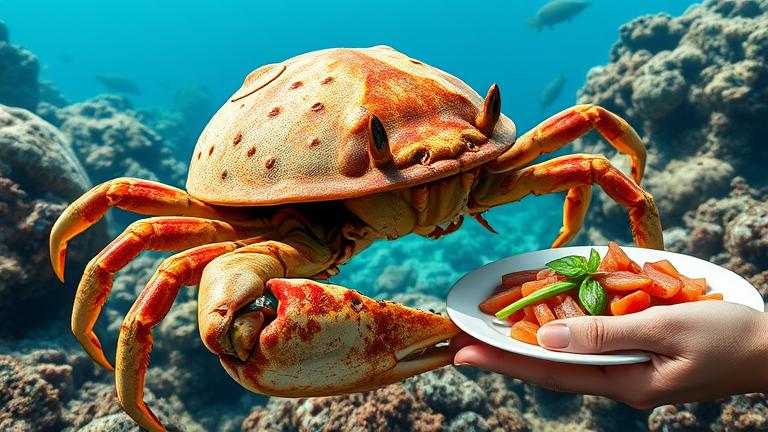
Are Horseshoe Crabs Edible?
Horseshoe crabs are not commonly considered food items like fish or traditional seafood. Although they are sometimes used in traditional medicines or delicacies in certain cultures, their edibility remains questionable for the average consumer.
Their shells are tough and armored, making preparation challenging, and their unique biological components pose safety concerns. When consumed, there is a potential risk due to toxins and environmental contaminants that might be present on or within their bodies.
In some regions around the Gulf of Mexico and Southeast Asia, traditional dishes incorporate parts of horseshoe crabs. These practices are often rooted in historical usage and local customs rather than widespread culinary standards.
However, from a safety perspective, consuming horseshoe crabs without proper safety measures can be risky. The primary concern centers on the toxins they may contain and environmental pollutants that can accumulate on their shells. Their use in cuisine is generally limited or avoided in mainstream food markets due to these safety issues.
While not a typical food source, their use in communal or traditional dishes underscores an intriguing cultural aspect. Some local communities have employed horseshoe crabs for their nutritional value or medicinal properties. Yet, the potential health risks involved necessitate caution.
Their role as a food source remains niche, and health authorities advise against consuming them unless they are processed under strict safety procedures. The reality is that the risks often outweigh any benefits, especially due to possible toxins such as tetrodotoxin and contamination from environmental pollutants.
Health Risks and Safety Concerns of Consuming Horseshoe Crabs
Handling horseshoe crabs is generally safe; however, consuming them involves notable health concerns. These creatures can contain toxins such as tetrodotoxin, which can cause severe poisoning if ingested. Tetrodotoxin is a potent neurotoxin also found in other marine animals like pufferfish and can be life-threatening if not properly removed or processed.
Proper processing methods are crucial to minimize health risks and ensure safe consumption. It is essential to avoid eating horseshoe crabs raw or unprocessed to prevent poisoning and adverse health reactions.
Environmental contaminants pose additional safety challenges. The shells of horseshoe crabs can harbor heavy metals and bacteria from the marine environment. These pollutants can accumulate over time in their bodies and shells, making raw or inadequately processed horseshoe crabs potentially hazardous.
Consuming them without proper safety protocols could lead to exposure to harmful heavy metals or bacterial infections. This is particularly dangerous given the potential for bacterial contamination of their blood, which is used in medical research but can be a source of infection if not properly handled.
Consumers must be aware of the possible allergic reactions and infections that could result from eating horseshoe crabs. Allergic reactions are possible due to their biological components, and infection risks increase if bacteria are introduced during improper handling or preparation.
Medical professionals stress the importance of following strict safety guidelines when handling or considering the ingestion of horseshoe crabs. To mitigate these risks, thorough cooking, proper processing, and environmental testing are recommended. These safety concerns highlight the importance of caution and expert knowledge when dealing with unconventional seafood sources.
Nutritional Benefits of Horseshoe Crabs
Despite their controversial status as food, horseshoe crabs possess notable nutritional qualities. They are a rich source of high-quality protein, essential for muscle growth and tissue repair. Their protein content makes them comparable to traditional seafood options, providing a valuable nutritional resource. In addition to protein, horseshoe crabs contain vital minerals such as zinc, iron, and calcium. These minerals support healthy immune function, promote bone health, and aid in various metabolic processes.
Horseshoe crabs also contain chitin, a dietary fiber found in their shells. Chitin has been studied for its potential anti-inflammatory and antimicrobial properties. Incorporating chitin into diets may contribute to enhanced immune responses and gut health.
The diverse nutrient profile of horseshoe crabs highlights their potential not only as a protein source but also as a functional food supplement. This makes them interesting from both nutritional and scientific viewpoints.
In terms of dietary incorporation, their nutrients could potentially benefit specific populations if safety concerns are adequately addressed. For example, in regions where traditional medicines involve horseshoe crabs, their nutritional properties are often an added benefit.
As research continues, their role in nutrition might expand beyond just biomedical use to include controlled dietary applications. Nevertheless, safety remains paramount to prevent ingestion of toxins or contaminants that could negate their nutritional benefits. While not mainstream in diets, the potential nutritional advantages of horseshoe crabs add an intriguing dimension to their biological and ecological significance.
Traditional and Contemporary Uses in Cuisine
Horseshoe crabs have a long-standing presence in culinary traditions, especially in regions bordering the Gulf of Mexico and Southeast Asia. Traditionally, they are prepared by boiling or steaming, creating dishes like soups and stews that highlight their unique flavor and texture.
These methods preserve their taste while making their tough shells easier to handle and eat. Their nutritional profile and the cultural significance of these dishes sustain their use in specific communities.
In modern contexts, their shells are dried and ground into supplements, and their blue blood is extracted for biomedical testing. These scientific advancements have led to innovative culinary applications.
For example, the blue blood’s importance in detecting bacterial contamination has increased demand for biomedical extraction, which may influence how they are perceived in culinary circles. Some chefs and food enthusiasts explore incorporating horseshoe crabs into gourmet dishes as a novelty ingredient. This idea sparks curiosity but faces hurdles related to sustainability, safety, and cultural acceptance.
Efforts to incorporate horseshoe crabs into mainstream cuisine are limited by concerns over overharvesting and environmental impact. In certain cultures, their use is rooted in tradition and local ecological practices.
As culinary innovation continues, some chefs experiment with dried, powdered, or otherwise processed horseshoe crab components. These methods aim to preserve traditional flavors while aligning with modern safety standards.
Despite their potential, the incorporation of horseshoe crabs into wider culinary contexts remains niche and controversial due to environmental and safety considerations. Their unique flavor, cultural history, and scientific importance make horseshoe crabs a fascinating subject for culinary exploration and conservation discussion.
Conservation and Ethical Issues
Horseshoe crabs play a vital role in maintaining healthy marine ecosystems. Their blood contains limulus amebocyte lysate, a substance essential for detecting bacterial contamination in many medical products. This biological utility has increased the demand for harvesting horseshoe crabs, an activity that raises significant conservation concerns. Overexploitation of these creatures has led to declining populations, threatening their ecological and biological roles.
The harvesting process often involves bleeding the crabs in a manner that can cause stress, injury, or death. Many environmental groups and scientists argue that this practice compromises the sustainability of horseshoe crab populations.
The concern is particularly acute during breeding seasons, when populations are most vulnerable. Protecting these animals requires sustainable harvesting practices that do not harm the overall population. Ethical considerations emphasize humane treatment and minimal impact during blood collection.
Efforts to address these issues include regulated harvesting practices, captive breeding programs, and the development of alternative methods for the biomedical applications of horseshoe crab blood. Some initiatives encourage breeding horseshoe crabs in captivity to reduce pressure on wild populations.
Education and awareness campaigns are also crucial in promoting conservation efforts and responsible use. Balancing biomedical needs with ecological preservation demands a multi-faceted approach. Implementing these strategies is vital to ensure the survival of horseshoe crabs for generations to come.
Potential as a Novel Food Ingredient
The idea of incorporating horseshoe crabs into mainstream cuisine sparks curiosity due to their biological and ecological significance. Known mainly for their blue blood used in crucial medical tests, they possess potential as a novelty ingredient that could appeal to adventurous food enthusiasts.
Their unique texture and flavor qualities make them intriguing candidates for high-end or experimental dishes. Such culinary innovation requires overcoming several hurdles, including ensuring sustainable harvesting practices and gaining cultural acceptance.
Consumer acceptance is a significant barrier, especially in regions where horseshoe crabs are unfamiliar as seafood or food ingredients. Clear communication about safety protocols, environmental benefits, and culinary potential can help in promoting their use.
The development of processed products such as dried shells, powders, or extracts can facilitate safe and controlled consumption. These innovations could foster a new niche market within culinary circles.
Furthermore, exploring the nutritional and functional properties of horseshoe crabs may lead to specialized products. For example, their high protein content and bioactive compounds could be incorporated into health supplements or functional foods. Researchers and entrepreneurs are examining these possibilities while emphasizing conservation and ethical harvesting.
As interest in sustainable and exotic ingredients grows, horseshoe crabs could carve out a unique space in future food trends. However, rigorous safety standards and environmental policies must guide such developments to avoid ecological harm.