
What Is a Horse Apple? An Introduction to Uncommon Foraged Items
Horse apples, also known as horse feces, are a natural byproduct of a horse’s digestive system. They typically consist of undigested plant material, bacteria, and other nutrients.
The term “horse apple” is believed to be a humorous or colloquial nickname, inspired by their round shape and apple-like appearance. Historically, these droppings have been valued for their role as fertilizer, due to their rich nutrient content. They can enrich soil, promoting healthy plant growth in agricultural settings. The quirky name adds a playful touch to what is otherwise a common agricultural byproduct.
Are Horse Apples Edible? The Truth About Their Potential Uses
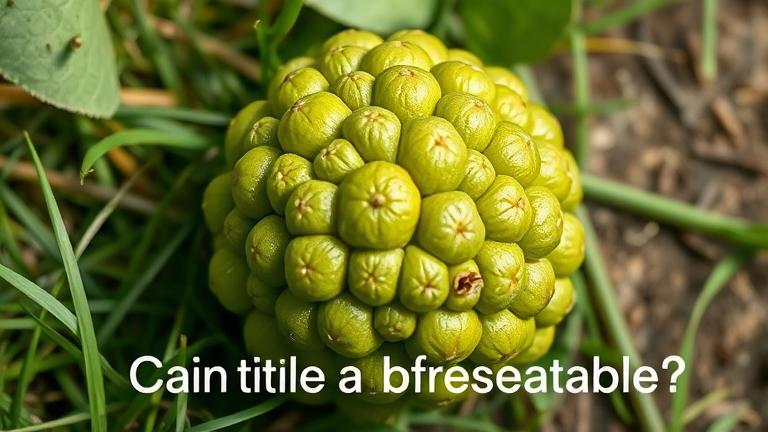
Interestingly, horse apples can also refer to the fruit of the osage-orange tree, which is a different entity entirely. Known also as horse pears or bollocks, these are not considered toxic to humans. However, they are generally not recommended for consumption. Their bitter taste and tough, hard texture make them unsuitable for eating. Traditional uses include pest repellent and natural mulch, rather than culinary purposes.
While some wildlife or livestock might nibble on horse apples, their use in human food is rare. There is little documentation or tradition of eating these items safely. Because of their bitterness and texture, they do not lend themselves to common cooking or eating scenarios. Consumers should exercise caution, as ingesting large quantities can lead to adverse effects.
Nutritional Facts and Health Risks of Horse Apples
Horse apples, particularly those from the Osage-orange tree, provide minimal nutritional value. They mainly consist of water, fiber, and carbohydrates. Despite their low nutritional profile, consuming horse apples can pose health risks. For example, the milky sap they contain can cause skin irritation or gastrointestinal discomfort if ingested.
Ingesting horse apples may lead to choking or intestinal blockages, particularly in children and pets. There is also potential toxicity from substances within the plant or tissue, making alcohol or chemical extracts especially dangerous. Overall, it is advisable to avoid consuming horse apples to prevent potential health complications. Instead, opt for nutrient-rich fruits like apples or berries, which are safer and more beneficial for health.
Foraging Safety: How to Identify and Handle Horse Apples Properly
If you wish to forage for horse apples, accurate identification is essential. They are generally round or oval, with a bumpy, textured surface. Their green coloration distinguishes them from edible fruits like apples. Proper identification can prevent confusion with toxic or inedible objects.
Once identified, preparation becomes crucial. Thorough washing helps to remove dirt, debris, and potential contaminants. Horse apples can be sliced or grated to use in composting or as natural pest control. If you are considering them for culinary use, consult a foraging expert to ensure safe handling and preparation. Always remember that wild plant materials carry inherent risks, and safety should be a top priority.
Horticultural and Practical Uses of Horse Apples
Horse apples have many practical applications beyond their role as waste. They serve as a natural fertilizer because they are rich in nutrients such as potassium, magnesium, and calcium. Gardeners often use them as mulch to boost soil fertility and help retain moisture. Their organic matter decomposes slowly, adding valuable nutrients back into the soil over time.
In composting, horse apples are an excellent addition. They break down gradually and contribute organic material for creating nutrient-rich compost. This process enhances garden soil productivity sustainably and environmentally friendly. Additionally, landscape managers use horse apples for erosion control, filling gaps, and shaping terrain naturally, often avoiding chemical treatments.
Conclusion: The Do’s and Don’ts of Eating Unusual Plant Materials
Consuming unusual plants like horse apples requires caution and good judgment. Correct identification and understanding of their toxicity are essential before attempting ingestion. Consulting local foraging groups or experts can provide valuable safety information and prevent accidental poisoning.
Preparation methods such as thorough washing, slicing, or grating can reduce some toxins, but they do not guarantee complete safety. It is generally safer to avoid wild or unfamiliar plants unless verified as edible by reliable sources. Educate yourself on the risks and listen to expert advice to minimize health hazards when exploring unconventional foods or foraged items.