
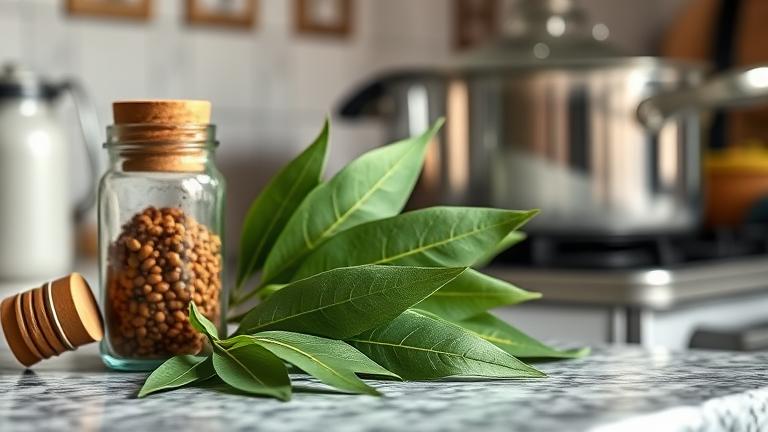
Understanding the Role of Bay Leaves in Cooking
Bay leaves are a fundamental herb used in many culinary traditions around the world. They are primarily employed to enhance the aroma and deepen the flavors of dishes such as soups, stews, and braises.
When added during the cooking process, bay leaves infuse the dish with a subtle, earthy bitterness and a complex herbal aroma. They are traditionally removed before serving because they are tough and not meant to be eaten directly. Their primary role is to impart a nuanced flavor that elevates the overall dish.
The flavor profile of bay leaves is often described as slightly floral, herbal, and somewhat similar to eucalyptus or tea. This unique aroma makes them a versatile addition to various ingredients. Beyond flavor enhancement, bay leaves are also believed to offer potential health benefits.
They are associated with aiding digestion and possessing anti-inflammatory properties, although scientific research is ongoing in this area. Their longstanding use in traditional medicine underscores their valued role in health-supportive culinary practices.
The Aromatic Qualities of Bay Leaves and Their Culinary Applications
Bay leaves are prized for their aromatic qualities, which are both subtle and distinct. When added during cooking, they release essential oils that provide a fragrant, slightly floral aroma. This scent is characteristic of many Mediterranean and French dishes, enriching the sensory experience of your meal. These leaves act as natural aroma enhancers, subtly elevating the overall scent profile of the dish.
Their aroma lingers in the dish, creating an inviting and warm culinary atmosphere. In terms of taste, bay leaves impart a mild bitterness with herbal undertones. They help deepen the flavor complexity of dishes by adding a gentle, slightly floral note that complements ingredients like meats, vegetables, and broth. The infusion aids in rounding out flavors and adding richness without overpowering the palate. This influence is most noticeable in slow-cooked dishes such as soups and stews, where their oils have ample time to develop.
Cooking Techniques and Best Practices for Using Bay Leaves
Cooking with bay leaves involves incorporating them early in the process to allow their flavors to meld into the dish. It is important to remove the leaves before serving because they have a tough texture that can be unpleasant to bite into. Their influence is most effective during simmering or braising, where they gradually release their aromatic oils. This method ensures a balanced and subtle enhancement, elevating your culinary creations safely and effectively.
Adding bay leaves at the start of cooking allows the flavor to develop fully. Typically, 1-2 leaves are sufficient for most dishes; using more can result in an overpowering herbal taste. Always remember to remove the bay leaves at the end of cooking to avoid crunchiness and bitterness. The process of slow simmering allows the essential oils to infuse the dish thoroughly, creating a depth of flavor that is characteristic of many traditional recipes.
When experimenting with new recipes, consider how bay leaves can transform a simple dish into something more layered and complex. For example, adding bay leaves to tomato sauces, seafood stews, or roasted meats enhances the overall flavor profile. They are particularly effective in dishes that require long cooking times, such as braises and slow cookers. Always remember to remove the bay leaves after cooking as mature, tough leaves can detract from the eating experience.
Flavor Variability and Adjustments Without Bay Leaves
In culinary experiments, using bay leaves in recipes like soups and stews adds a distinct earthy aroma and depth of flavor. The herb releases aromatic oils during cooking, which enhances the overall complexity of the dish. When recipes are prepared without bay leaves, they often lack this nuanced aroma, resulting in a somewhat simpler taste profile. Still, some chefs prefer to omit bay leaves to keep flavors straightforward or to cater to specific dietary restrictions.
Research suggests that dishes without bay leaves tend to have a cleaner and brighter taste, but they can miss the aromatic richness that these herbs provide. The overall outcome with bay leaves tends to be a richer aroma, a layered flavor, and sometimes a slightly thicker broth due to the oils released from the herb.
Despite their significant role, debates persist about the quantity needed when using bay leaves. Too many bay leaves can overpower the dish with a bitter, herbal flavor. Usually, 1-2 leaves per recipe are sufficient to provide the desired aroma and depth without overwhelming other ingredients. It is important to use wisely, balancing the aromatic potential with the overall flavor profile.
Health Benefits and Nutritional Profile of Bay Leaves
Bay leaves are valued not only for their aromatic flavor but also for their potential health benefits. They are a good source of vitamins such as vitamin A, vitamin C, and several B vitamins. These nutrients help support immune health and skin maintenance, making bay leaves a nutritious addition to meals.
In addition to vitamins, bay leaves contain minerals like calcium, magnesium, potassium, and manganese. These minerals are vital in supporting various bodily functions, including bone health, muscle contraction, and maintaining healthy blood pressure levels. Their mineral content adds to the herb’s nutritional profile, making them more than just flavor enhancers.
Bioactive compounds within bay leaves such as eucalyptol, linalool, and quercetin have anti-inflammatory and antioxidant effects. These properties can help reduce oxidative stress and inflammation in the body, potentially alleviating symptoms associated with arthritis and other inflammatory conditions.
Incorporating bay leaves into your diet may also promote digestion and gut health by stimulating digestive enzymes. While scientific validation continues, traditional practices support their use as part of a holistic health approach.
Cultural Traditions and Regional Uses of Bay Leaves
Cultural traditions from various regions highlight the importance of bay leaves in their respective cuisines. In Italian cuisine, bay leaves are essential in hearty stews such as minestrone and ragù. They contribute a subtle bitterness and complexity to the broth, enhancing the depth of flavor typical of Italian cooking.
Greek recipes, including slow-cooked lamb and dolmades, often incorporate bay leaves to boost aroma and flavor. Indian curries and biryanis also rely heavily on bay leaves, which provide a warm, woody aroma. They complement spices like cinnamon and cloves, creating a layered, aromatic profile. Historically, French cuisine uses bay leaves in bouquets garnis for dishes such as Coq au Vin and pot-au-feu. These culinary cultures show the herb’s versatility and importance.
Across Southeast Asia, bay leaves enhance regional dishes in Filipino, Vietnamese, and Thai cuisines. They add an aromatic layer to stews and marinades that are characteristic of regional flavors. Middle Eastern culinary traditions also incorporate bay leaves in meat and vegetable preparations for an earthy aroma and flavor enhancement.
In Latin American cuisines, particularly Argentine and Mexican, bay leaves season beans, braised meats, and rice dishes. Their widespread use across cultures demonstrates their importance in creating authentic, flavorful regional dishes. Bay leaves serve as a culinary bridge, connecting diverse cuisines through their aromatic and flavor-enhancing properties.
Common Myths and Facts About Bay Leaves
There are many misconceptions surrounding bay leaves. A common myth is that bay leaves are toxic if ingested. The fact is that they are generally safe when used in cooking, but their tough texture makes them impossible to chew or digest entirely. Therefore, they are typically removed before serving to prevent choking or digestive issues.
Another prevalent myth is that bay leaves release their flavor instantly. In reality, they require simmering for at least 15-20 minutes to fully release their aromatic oils. Adding them early in the cooking process, however, ensures a more complete flavor infusion. This slow release underscores the importance of patience in culinary preparations involving bay leaves.
A final misconception is that adding more bay leaves will improve the taste of a dish. The truth is that excess bay leaves can overpower the dish and introduce bitterness. Usually, one or two leaves are sufficient for most recipes. Using too many can result in an overly herbal or bitter flavor, which detracts from the overall balance. Therefore, moderation is key when using bay leaves.