
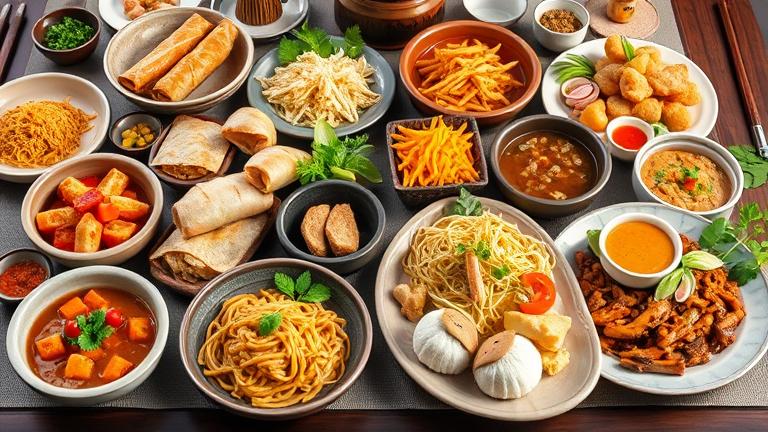
Unraveling the Flavors – Vietnamese vs. Thai Cuisine
Both Vietnamese and Thai cuisines are celebrated for their vibrant flavors, aromatic herbs, and balanced cooking styles. They emphasize fresh ingredients and bold tastes, yet each has distinct characteristics that set them apart.
Vietnamese cuisine favors light, fresh, and delicate flavors, dominated by herbs like mint, cilantro, and basil. These dishes tend to use less oil and sugar, highlighting natural tastes.
In contrast, Thai cuisine is famous for its complex layering of flavors, blending sweet, sour, salty, and spicy elements in every dish. Ingredients such as coconut milk, fish sauce, and chili are common, creating rich and intense flavors that thrill the palate.
Both cuisines aim for a harmonious balance of tastes, reflecting their cultural emphasis on seasoning and flavor composition. Understanding these nuances helps deepen appreciation for their culinary heritage and unique sensory profiles.
Exploring the Culinary World: A YouTube Deep Dive
To get a better sense of these flavors in action, watch this informative video:
Cultural Influences Shaping Thai and Vietnamese Cooking
The development of Thai and Vietnamese cuisines has been significantly influenced by history, trade routes, religion, and cultural exchanges. During ancient times, trade routes like the Silk Road facilitated the exchange of ingredients, spices, and cooking techniques across Asia, the Middle East, and Europe.
Spices such as cinnamon, cumin, and saffron traveled along these routes, becoming integral to regional flavors. Religious dietary laws also played a vital role. Judaism’s kosher laws, Islam’s halal guidelines, and Hindu vegetarian practices dictated specific ingredients and preparation methods, shaping culinary traditions for centuries.
Cultural interactions through colonization, migration, and globalization further diversified these cuisines. The Portuguese colonization of Brazil, for example, introduced chili peppers and ginger, blending indigenous, African, and European flavors into new hybrid cuisines.
Migration has also brought traditional dishes across borders, leading to regional adaptations while retaining cultural identity. These historical and cultural influences form the rich tapestry of Thai and Vietnamese food, illustrating the deep roots and ongoing evolution of their culinary heritage.
Herbs and Spices: Shared Foundations of Flavors
Herbs and spices are the backbone of both Mediterranean and Latin American cuisines, which share vibrant and aromatic profiles. Oregano, basil, and cilantro are common in these regions, each contributing distinctive notes that enhance dishes. In Mediterranean cooking, oregano and basil have prominent roles in pasta, pizza, and salads, providing earthy and fresh flavors.
Similarly, cilantro and cumin are central to Latin American recipes, featured in salsas, stews, and marinades, offering warmth and complexity. The combined use of these herbs and spices creates layered, spicy, and fresh flavors that define each culinary tradition. This shared ingredient foundation highlights the interconnectedness of regional cuisines, despite their distinct identities.
Understanding how these herbs and spices are used in various combinations reveals their versatility and how they elevate both simple and complex dishes. Their widespread use underscores the importance of flavor harmony and cultural exchange across regions.
Traditional and Modern Cooking Techniques
Traditional culinary methods such as boiling, roasting, grilling, steaming, and sautéing have been refined over centuries. These straightforward processes are essential for preserving textures and flavors while cooking food evenly. Techniques like steaming are common in Vietnamese cuisine for preparing fresh, light dishes, whereas grilling is often employed in Thai cuisine to add smoky depth.
Modern cooking techniques have expanded the culinary toolkit, allowing chefs to experiment and enhance traditional recipes. Techniques like sous vide, molecular gastronomy, flash freezing, and spray drying are technological innovations that improve precision, safety, and presentation.
For instance, sous vide involves vacuum-sealing food and cooking it at controlled, low temperatures, resulting in consistent doneness and improved texture.
Molecular gastronomy, a scientific approach to culinary arts, creates new textures and flavor experiences that push beyond traditional boundaries. Flash freezing preserves freshness and nutrients better than conventional freezing, while spray drying enables the creation of ingredient powders for various applications. Combining traditional and modern methods enables chefs to innovate while respecting culinary heritage.
Iconic Dishes: A Closer Look at Must-Try Vietnamese and Thai Delights
Famous dishes such as Pho, Pad Thai, Banh Mi, and Green Curry serve as culinary ambassadors for their respective countries. Pho, a Vietnamese noodle soup, is revered for its aromatic broth infused with herbs like basil, mint, and coriander. It features tender slices of beef or chicken, making it a comforting staple with complex layered flavors.
Pad Thai, a classic Thai stir-fried noodle dish, balances rice noodles with fish sauce, tamarind, lime, and often peanuts and shrimp. Its harmonious sweet, sour, and savory profile exemplifies the bold flavor combinations characteristic of Thai cuisine. Banh Mi, a Vietnamese sandwich, combines a French baguette with pickled vegetables, cilantro, and grilled meats, embodying fusion and cultural blending.
Green Curry from Thailand is distinguished by its fragrant coconut milk base, green chili paste, and a variety of vegetables and meats. Its spicy and aromatic profile encapsulates the richness and depth that Thai dishes are celebrated for. Each of these dishes reflects a rich history rooted in local ingredients and cultural influences, contributing to their global popularity.
The Evolution of Cuisine: How History Continues to Influence Today’s Vietnamese and Thai Food
Contemporary culinary trends are heavily shaped by globalization and cultural exchange. Fusion cuisine blends elements from different culinary traditions, creating innovative dishes that appeal to diverse palates. This approach encourages chefs to push creative boundaries and incorporate new flavors.
International trade and travel have made diverse ingredients and cooking techniques more accessible. Asian, Latin American, and Middle Eastern spices are now commonplace in Western kitchens, enriching traditional recipes with new dimensions. This cross-cultural influence transforms taste profiles and aesthetic presentations, broadening culinary horizons.
Social media platforms further catalyze this global exchange, allowing cooks and chefs to share recipes and techniques worldwide. Platforms like Instagram and TikTok showcase new dishes and inspire experimentation among food enthusiasts. This digital movement fosters inclusion and innovation in culinary arts, ensuring that flavors from all corners of the world continue to evolve and inspire.
In conclusion, exploring these cuisines reveals common roots rooted in history, trade, and cultural exchanges. It also highlights how traditional and modern techniques are shaping the future of culinary arts. The blend of heritage and innovation keeps Vietnamese and Thai cuisines dynamic, exciting, and beloved worldwide.