
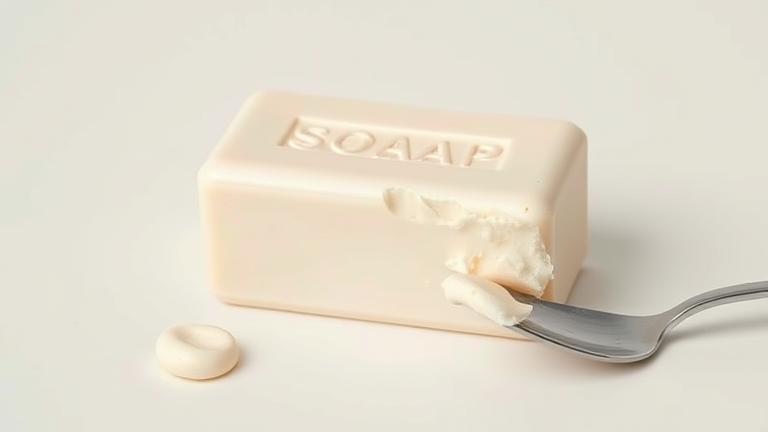
Introduction: The Curious Case of Eating Soap
Some individuals might consider eating soap due to curiosity or as a way to explore unusual behaviors. This behavior can sometimes manifest as a result of sensory curiosity, where the texture, smell, or sensation of licking soap provides temporary tactile or olfactory stimulation.
Additionally, certain psychological conditions, such as pica a disorder characterized by cravings for non-food substances can drive individuals to ingest soap regularly. Pica often stems from complex mental health issues and requires comprehensive treatment approaches.
Understanding these underlying motivations helps in addressing the root causes of soap-eating behaviors and emphasizes the importance of psychological support and intervention.
What Happens if You Swallow Soap? Understanding the Risks
Swallowing soap can pose serious health risks and should be treated as a medical emergency. Soap contains chemicals such as surfactants, preservatives, and other cleaning agents, which are not meant for ingestion.
When swallowed, these substances can cause gastrointestinal irritation, leading to symptoms like nausea, vomiting, diarrhea, and abdominal cramping. In more severe cases, the alkaline or acidic ingredients can damage the lining of the mouth, throat, esophagus, and stomach, resulting in burns or perforations.
Additionally, some soaps have toxic components that can induce poisoning, potentially causing symptoms like dizziness, difficulty breathing, or even a loss of consciousness.
The strong chemical reactions provoked by ingestion can also lead to internal injuries such as ulcers or perforations in the gastrointestinal tract. Toxic substances in soap may result in corrosive injuries, requiring prompt medical attention.
It is especially critical to intervene quickly if a child accidentally swallows soap, since their smaller size makes them more vulnerable to severe complications. To prevent such risks, always store soaps out of reach of children and ensure containers are tightly sealed.
Emergency Remedies and What to Do if Soap is Swallowed
If someone inadvertently ingests soap, prompt action can reduce the risk of complications. First and foremost, rinse the mouth thoroughly with water to remove any residual soap.
It is vital not to induce vomiting unless explicitly instructed by a healthcare professional, as vomiting could cause additional damage to the esophagus or mouth. Monitoring the individual for signs of distress such as vomiting, difficulty swallowing, abdominal pain, or breathing difficulties is essential.
Contact emergency services or a poison control center immediately for advice and assistance. Provide details about the type and amount of soap ingested, as this information helps medical teams decide the best course of action.
Do not give the person anything to eat or drink unless advised by a healthcare provider. In mild cases, drinking small amounts of water can dilute the soap and minimize irritation, but this should only be done under medical guidance.
In more critical situations, such as when large amounts are swallowed or harmful chemicals like lye or bleach are involved, rapid transportation to the emergency room is necessary. Medical professionals might perform gastric lavage, administer activated charcoal, or provide supportive care depending on the severity. Remember that seeking immediate medical attention can be lifesaving and prevent long-term damage.
Psychological and Behavioral Factors Behind Soap Eating
The urge to eat soap often stems from psychological conditions such as pica, which involves cravings for non-food items. Pica is frequently associated with underlying mental health issues like anxiety, depression, or schizophrenia, which distort normal eating habits.
Children and individuals with developmental disabilities are particularly susceptible to pica, highlighting the importance of early diagnosis and intervention to prevent adverse health outcomes.
Cognitive-behavioral therapy (CBT) and nutritional counseling are effective strategies for managing pica and reducing hazardous behaviors. These treatments aim to address both the psychological factors driving soap ingestion as well as any nutritional deficiencies that may contribute to cravings. For example, deficiencies in zinc or iron have been linked to pica, and correcting these can diminish the compulsive desire to eat non-food items.
Sensory exploration, involving the taste, smell, and texture of soap, can also motivate individuals to persist in this behavior despite its risks. For some, soap provides a form of sensory stimulation that is lacking elsewhere in their environment. Recognizing these motives helps caregivers and health professionals develop targeted behavioral interventions aimed at redirecting these compulsions and ensuring safety.
Myths and Facts: Separating Truth from Fiction
Many misconceptions surround soap ingestion, leading some to believe that small amounts of soap could be harmless or even beneficial. Historically, some have thought that soap might have medicinal effects, but in reality, ingesting soap can have serious consequences. Health professionals warn that soap ingestion can cause chemical toxicity leading to nausea, vomiting, diarrhea, and in severe cases, chemical burns or internal perforation.
Contrary to beliefs that non-food substances like soap could be a nutritional supplement or detox agent, no evidence supports these myths. Ingesting such substances is potentially hazardous and should be addressed with medical care and behavioral interventions. Educating the public about the dangers of non-food ingestion is essential in preventing accidental exposures, especially in households with children or individuals with pica tendencies.
It is also a myth that eating soap can have health benefits. Instead, soap ingestion may lead to health emergencies like poisoning, chemical burns, and gastrointestinal injuries. Recognizing these facts and dispelling misconceptions is key to promoting safety and encouraging those with compulsive ingestion behaviors to seek appropriate help.
Prevention and When to Seek Medical Help
Preventing soap ingestion involves proactive measures within households and communities. Proper storage is critical; soaps and cleaning products should be kept in high, locked cabinets or containers that are child-proof. Using child-resistant lids and storing soaps out of reach of young children significantly reduces the risk of accidental ingestion.
Supervision during bath times, especially with curious children, ensures that they do not put soap or detergents in their mouths. Education about the dangers of non-food items should be part of parental guidance and community health programs. Additionally, proper disposal of empty soap containers prevents children from accessing residual substances.
In case of soap ingestion, watch for symptoms such as persistent vomiting, difficulty swallowing, burns around the mouth or throat, or signs of chemical poisoning like drowsiness or trouble breathing. Emergency medical services should be contacted immediately if significant ingestion occurs or if harmful chemicals like bleach or lye are involved.
Remember, do not induce vomiting unless instructed by a healthcare professional. If the person becomes unconscious or shows seizures, ensure their safety and seek urgent medical help. Bringing the soapy substance container to medical providers can assist in determining the treatment plan. Timely intervention can prevent severe injuries and save lives.