
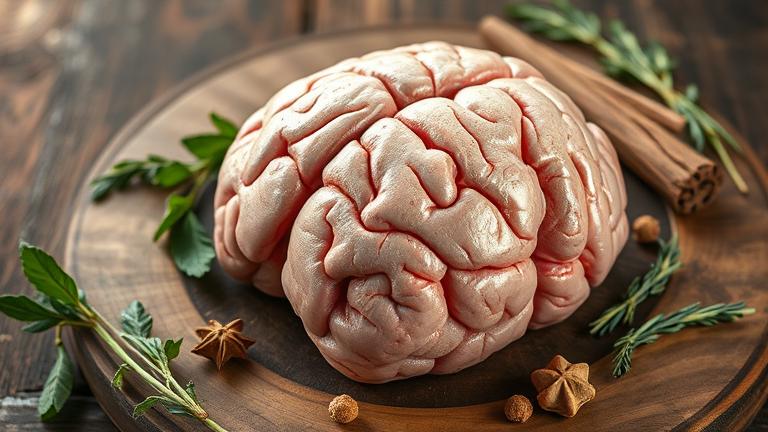
Introduction to Cow Brains
Cow brains are a type of offal, which means they are the organs and entrails of animals that are often used in cooking around the world. These brains come from cattle and are considered a delicacy in many cultures. They are rich in nutrients like protein, healthy fats, and vitamins, making them a nutritious option for those who enjoy trying new ingredients.
Throughout history, cow brains have held cultural significance in various cuisines. In some countries, they are considered a traditional dish, symbolizing prosperity or used in festive meals. For example, parts of Europe, Asia, and Latin America include cow brains in their culinary traditions.
Despite their cultural importance, cow brains can cause some concerns about safety and hygiene. It’s essential to understand how to prepare and cook them properly to enjoy their unique texture and flavor safely. Additionally, cultural perceptions of cow brains can vary greatly; some people see it as a delicacy, while others might find it unappealing. Whether you’re an adventurous eater or simply curious, learning about cow brains is a good way to expand your culinary knowledge.
If you’re interested in exploring how to prepare cow brains or want to know more about their nutritional benefits, you can visit our detailed guides on how to boil seafood for cooking tips, or check our section on storing meat safely. Getting familiar with safe handling and cooking methods helps ensure a delicious and safe experience with this unique ingredient.
Is It Safe to Eat Cow Brains?
Eating cow brains can be a cultural tradition or an adventurous delicacy, but safety should always come first. There are important health considerations home cooks need to be aware of before trying to prepare and eat cow brains. The main concern revolves around the risk of disease transmission and contamination.
One significant risk is the possibility of transmitting serious diseases such as mad cow disease, also known as bovine spongiform encephalopathy (BSE). This disease affects the brain tissue of cattle and can be spread if the meat comes from infected animals. While cases are rare, the consequences can be devastating. To reduce this risk, always source cow brains from reputable suppliers that adhere to strict safety standards.
Proper Preparation and Cooking
Thorough cooking can help kill many bacteria and parasites that might be present on cow brains. Generally, boiling the brains for at least 15 to 20 minutes helps ensure they are safe to eat. However, it is important to note that certain diseases caused by prions, like BSE, are resistant to heat and boiling may not completely eliminate the risk. Because of this, some health authorities advise against eating cow brains unless you are certain of their source and safety.
Handling and Contamination Risks
Contamination is another factor to consider. Cow brains can carry parasites or bacteria if they have not been handled hygienically. To minimize these risks, freeze the brains for at least 48 hours before cooking, which can help reduce parasitic infections. Always buy from trusted sellers who follow proper hygiene protocols in meat processing.
Health Risks and Who Should Avoid Eating Brains
Consuming infected brains might expose you to zoonotic infections, including hepatitis E or other parasites. People with weakened immune systems or certain health conditions should avoid organ meats altogether to prevent potential health complications. If you have concerns about safety, consulting local health guidelines or choosing not to eat cow brains is often the safest option.
While eating cow brains is part of some culinary traditions, it’s essential to prioritize safety through proper sourcing, handling, and cooking. For more tips on preparing meats safely, you can visit our guide on how to cook a steak.
Health Benefits and Risks
Cow brains are a unique food that offers some notable nutritional benefits. They are packed with high-quality protein, which helps build and repair tissues in the body. They also contain omega-3 fatty acids, which are essential for brain function and heart health. Additionally, cow brains are rich in vitamins like B12 and A, which support cognitive health, boost immune function, and promote healthy vision.
Eating cow brains can be a nutritious addition to a balanced diet. Many traditional cuisines incorporate brains because of their rich nutrient profile. They can add a variety of minerals such as iron, zinc, and selenium, which are vital for overall health. For those who enjoy adventurous eating, cow brains can be a delicious and nutritious delicacy.
But despite these benefits, there are important risks to keep in mind. One major concern involves the potential for transmitting prion diseases, such as bovine spongiform encephalopathy (BSE), also known as mad cow disease. These neurological disorders are rare but serious and can be fatal. They are mostly associated with improperly processed or sourced cattle brains.
Another risk involves foodborne illnesses. If cow brains are not sourced from reputable suppliers or are not cooked thoroughly, harmful bacteria or parasites could be present. Proper handling, sourcing, and cooking are essential to reduce the risk of illness. It is recommended to cook brains at high temperatures for sufficient time to kill any pathogens.
People with compromised immune systems or neurological conditions should avoid eating cow brains altogether. Pregnant women are also advised to steer clear, due to the risk of infection. It is always best to buy brains from trustworthy sources and ensure they are cooked well before consumption.
If you want to explore new recipes while prioritizing safety, consider consulting detailed cooking guides or food safety websites. Proper storage and thorough cooking are crucial to safely enjoy this delicacy. To learn more about safe handling of different meats, visit how to boil frozen raw shrimp or check out safety tips for other meats on the site.
In summary, cow brains offer significant nutritional perks but pose some health risks if not handled properly. Enjoy them responsibly by sourcing from reputable providers and ensuring they are cooked thoroughly. Being informed is the best way to enjoy traditional foods safely and healthily.
How to Prepare Cow Brains
Preparing cow brains safely and deliciously involves proper cleaning and cooking techniques. Fresh cow brains should be handled with care to remove impurities and reduce odor. Start with selecting high-quality brains from a reputable butcher or supplier. Once you have them, rinse the brains thoroughly under cold running water. This step helps wash away blood, blood vessels, or any debris that might be present.
Cleaning Cow Brains
After rinsing, soak the cow brains in a mixture of cold water and vinegar for about 30 minutes. The vinegar helps to eliminate odors and bacteria, making the brains safer to eat. Be gentle during this process to avoid damaging the delicate tissue. After soaking, rinse them again with cold water. Pat the brains dry using paper towels or a clean cloth to prepare them for cooking.
It’s important to remove any membranes or blood vessels manually with a sharp knife if they remain attached. Proper cleaning not only ensures safety but also improves the texture and flavor of the cooked brains. Many cooks find that a thorough wash and soak make the dish more pleasant and less gamey in taste.
Cooking Cow Brains
Cooking cow brains can be done in several ways, but boiling is one of the most common methods. Fill a pot with water, add seasonings like salt, pepper, garlic, and bay leaves for flavor. Bring the water to a boil and carefully add the cleaned brains. Boil for about 10 to 15 minutes until they are firm but tender. Avoid overcooking, as this can make the texture rubbery.
Another popular method is frying or sautéing. After boiling, cut the brains into slices or chunks, then cook in a hot skillet with butter or oil. Add spices, herbs, or even a squeeze of lemon to enhance the flavor. Sauté for a few minutes until golden and cooked through.
For safety, ensure the internal temperature reaches at least 160°F (71°C). Proper cooking kills bacteria and parasites that might be present in raw animal tissue. Always use fresh ingredients and maintain a clean workspace during preparation to prevent foodborne illnesses.
Remember, cow brains are nutritious and rich in protein, but they should always be prepared carefully. For more tips on safe food handling, visit our storage guidelines.
Cultural Views on Eating Cow Brains
Eating cow brains is a tradition in many cultures around the world, and each has its own perspective on this delicacy. In some countries, cow brains are considered a nutritious and tasty part of the diet, while others see it as a cultural or religious taboo.
In regions like parts of Asia and Africa, consuming cow brains is common and often prepared in traditional dishes. For example, in Nigeria, cow brains are often cooked with spices and served in soups or stews. Similarly, in parts of Asia, such as Vietnam and China, dishes with cow brains are seen as delicacies and are appreciated for their texture and flavor.
Traditional Preparation Methods
Preparation methods can vary widely. Usually, cow brains are cleaned thoroughly before cooking. Common techniques include boiling, boiling with spices, or frying. In some cultures, they are also cured or marinated before cooking to enhance flavor.
Religious and Cultural Taboos
In contrast, many Western countries and religious groups may avoid cow brains due to religious beliefs, dietary laws, or personal choice. For example, some Christian and Jewish communities consider it unclean, and therefore it is rarely found in mainstream American or European cuisine. This cultural divide influences how often and in what context cow brains are eaten.
Modern Trends and Dietary Considerations
Recently, there has been a resurgence of interest in organ meats, including cow brains, for their nutritional benefits. Some people seek them out as a source of healthy fats and proteins, and for their unique taste. However, concerns about health and safety, such as the risk of disease transmission, also affect how cow brains are viewed and consumed globally.
In Summary
By exploring different cultural perspectives on eating cow brains, we see a variety of traditions and beliefs. Whether viewed as a delicacy, a healthful food, or a taboo, cow brains hold a significant place in the culinary history of many societies. Understanding these views can enrich our appreciation of global food customs and open our minds to diverse eating habits.
Safety Tips for Consumption
Hygiene and Handling Best Practices
When consuming cow brains, keeping proper hygiene and handling practices is very important to minimize health risks. Always buy from trusted sources that follow food safety standards. Check the brains for any discoloration, strange smells, or slimy textures. If something looks off, it’s best to avoid using them.
Before cooking, rinse the cow brains very well under cold running water. Some people recommend brushing gently to remove any dirt or impurities. Make sure your hands are washed thoroughly with soap and water before and after handling raw animal products. Use clean utensils and cutting boards designated for raw meat to prevent cross-contamination.
Store cow brains properly in the refrigerator at 40°F (4°C) or below if you plan to cook them within a day or two. If you won’t use them soon, freezing is a good option. Wrap them tightly and label with the date to track freshness. Do not leave raw brains out at room temperature for more than two hours, as bacteria can grow quickly.
Cook cow brains thoroughly to kill any harmful bacteria or parasites. They should reach an internal temperature of at least 160°F (71°C). Avoid eating undercooked or raw brains, as they pose a high risk of foodborne illness. Use a food thermometer to ensure proper doneness.
Once cooked, consume the cow brains promptly. If leftovers are stored, ensure they are cooled quickly and kept in airtight containers in the fridge for no more than two days. Always reheat leftovers thoroughly before eating again. Be aware of the signs of spoilage, like an unpleasant smell or slimy texture, and discard if any arise.
For additional safety tips, visit guides on proper meat handling at how to boil frozen raw shrimp and learn about storing practices from how long salmon keeps in the fridge. Following these hygiene and handling practices can help you enjoy cow brains safely and reduce health risks.
FAQs About Cow Brains
Are cow brains legal to eat?
The legality of eating cow brains depends on where you live. In some countries, bovine brain is considered safe and is commonly consumed, especially in traditional dishes. However, due to concerns about diseases like mad cow disease, many places have restrictions or bans on consuming cow brains.
Check local food regulations before trying to buy or prepare cow brains. In the United States, for example, it’s legal to sell and eat cow brains, but some states have stricter rules. Always buy from reputable sources that follow safety standards.
Is it safe to eat cow brains?
Eating cow brains can be safe if they are properly sourced and cooked thoroughly. It is important to buy brains from a trusted supplier who follows health and safety guidelines. Proper preparation involves cleaning and cooking the brains to eliminate any pathogens.
Cook cow brains until they are steaming hot all the way through. This typically means cooking for at least 10-15 minutes. Avoid eating raw or undercooked brains, as they may carry risks of infections or diseases.
What are the nutritional benefits of cow brains?
Cow brains are a rich source of protein, healthy fats, and essential nutrients like vitamin B12, iron, and omega-3 fatty acids. They are considered a delicacy in many cuisines because of their creamy texture and rich flavor.
However, due to their high cholesterol content, it’s best to enjoy cow brains in moderation. If you have health concerns or dietary restrictions, consult with a healthcare professional before adding them to your diet.
How should cow brains be cooked?
Cooking cow brains properly is key to enjoying them safely. You can boil, fry, or make them into a pâté. For boiling, rinse the brains thoroughly and cook in boiling water for about 10-15 minutes until firm and opaque. For frying, thinly slice and cook until crispy.
When making dishes like tacos or stews, ensure the brains are fully cooked through. Always use fresh, high-quality brains to prevent spoilage and foodborne illnesses.
Tips for cleaning cow brains before cooking
- Rinse the brains under cold running water to remove blood and impurities.
- Soak in cold water or vinegar for 30 minutes to help clean and tenderize.
- Remove any outer membranes or grayish skin with a sharp knife.
- Pat dry and then proceed to cook according to your recipe.
By following these steps, you’ll ensure the cow brains are clean and ready to be cooked safely and deliciously.
Common mistakes to avoid
- Not sourcing from a reputable supplier this can lead to health risks.
- Undercooking the brains must be cooked thoroughly to eliminate any pathogens.
- Skipping proper cleaning residual blood or impurities can affect taste and safety.