
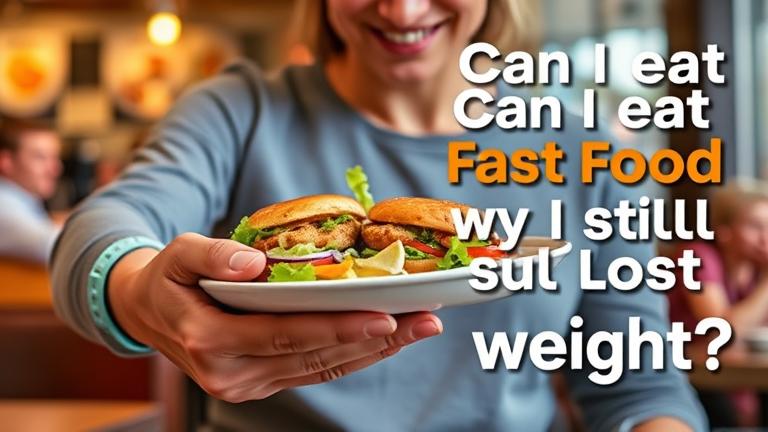
Can Fast Food Fit Into a Weight Loss Plan?
Many people wonder if eating fast food can be part of a weight loss plan. The answer is yes, but it depends on how you approach it. Fast food often gets a bad reputation because it tends to be high in calories, fat, and salt. However, with some choices and moderation, you can enjoy fast food while still working toward your weight goals.
First, it’s important to understand that not all fast food options are created equal. Some fast food meals are very calorie-dense and can quickly add up if you’re not careful. But many fast food restaurants now offer healthier options like salads, grilled items, and lower-calorie sides. These can fit more easily into a balanced diet designed for weight loss.
Common Concerns About Fast Food and Weight Loss
- High calorie content: Many fast foods are packed with calories, making it easy to exceed your daily limit.
- Large portion sizes: Oversized servings can lead to overeating, even when choosing healthier options.
- Hidden calories: Sauces, drinks, and sides can add extra calories without you realizing it.
To counteract these concerns, consider sharing larger meals, choosing smaller portions, or selecting menu items labeled as healthy or low-calorie. Drinking water instead of sugary drinks can also cut down on unnecessary calories.
Strategies for Incorporating Fast Food
- Plan ahead: Look at the menu online before you go, so you can pick options that fit your diet goals. Many restaurants list calorie counts and nutritional info.
- Make smarter choices: Opt for grilled chicken instead of fried, choose a side salad instead of fries, and skip extras like cheese and creamy sauces.
- Balance your meals: If you indulge in fast food for lunch, try to eat lighter the rest of the day. Focus on vegetables, lean proteins, and whole grains in your other meals.
- Watch your portions: Recognize that supersized meals can be tempting. Consider ordering a small or medium instead of large.
Tips to Make Fast Food Fit Better
- Use condiment packets or small servings to control added calories from sauces.
- Limit high-calorie drinks like sodas; water or unsweetened iced tea are better choices.
- Add some extra vegetables when possible to increase fiber and nutrients.
Remember, moderation is key. If you eat fast food occasionally and make thoughtful choices, it doesn’t have to sabotage your weight loss efforts. It’s all about balance and making smarter swaps where possible.
For more detailed tips on eating healthy while enjoying fast food, visit our guide on healthy eating strategies.
Healthy Eating Habits for Weight Loss
Establishing healthy eating habits is key to weight loss success. It might seem challenging at first, especially if you like occasional fast food, but small changes can make a big difference. The goal is to create routines that balance enjoyment with nourishing choices.
Start by planning your meals ahead of time. This helps you avoid impulsive eating and makes healthier options more accessible. Incorporate plenty of vegetables, lean proteins, and whole grains into your diet. These foods are filling and nutrient-dense, helping you stay satisfied longer.
Tips for Healthy Eating
- Eat smaller, more frequent meals to keep your metabolism active.
- Stay hydrated by drinking plenty of water throughout the day.
- Limit sugary drinks and snacks, which can add extra calories without filling you up.
Even when you indulge in fast food, make smarter choices. For example, opt for grilled items instead of fried, and choose salads or skip high-calorie extras like creamy sauces. Portion control is also important; you can still enjoy your favorite treats, just in moderation.
It’s helpful to keep track of your eating habits. Using a food journal or an app can increase awareness of your patterns and help you identify areas for improvement. Focus on mindful eating: pay attention to hunger and fullness cues, and enjoy your food without distractions.
Additional Practical Tips
- Prepare healthy snacks in advance, like cut vegetables or nuts, to prevent reaching for less nutritious options.
- Practice moderation, not perfection. It’s okay to have fast food occasionally, as long as it doesn’t become a daily habit.
- Learn to read food labels so you can make better choices when shopping.
Finally, remember that consistency is more important than perfection. Small, sustainable changes over time will add up. It’s also good to stay active, as exercise complements your healthy eating habits. Focus on creating routines that you enjoy, making it easier to stick with your weight loss journey.
Tips for Counting Calories Effectively
Accurately tracking your calorie intake is essential for meeting your weight loss goals. Using the right tools and techniques can simplify this process, improving your consistency. Whether you’re a beginner or looking to refine your method, these practical tips will help you stay on track.
Use a Digital Food Scale
One of the most effective ways to count calories accurately is by measuring your food with a digital kitchen scale. Weighing your portions ensures you record precise calorie amounts, especially for items like nuts, cheese, or meats where volume can be deceptive. For example, a handful of nuts can vary greatly in weight, so a scale provides consistency.
Leverage Food Tracking Apps
Smartphone apps designed for calorie counting make logging food quick and simple. Many apps allow you to scan barcodes or search for foods by name, reducing errors. Keep your phone handy during meals to track your intake immediately. Popular apps also save your data over time, helping you notice patterns and areas for improvement.
Read Nutrition Labels Carefully
Always double-check the nutrition labels on packaged foods. Serving sizes can be tricky, and it’s easy to underestimate. For example, a single slice of bread or a tablespoon of peanut butter can quickly add up. Recording the exact serving size and calorie count ensures your daily total stays accurate.
Prepare Meals in Advance
Meal prepping helps you control portion sizes and prevents impulsive eating. Divide your meals into pre-measured containers, making it easier to log your intake and avoid overeating. For instance, portioning out your breakfast oats or snacks helps maintain consistent calorie counts.
Track Every Sip and Snack
Don’t forget to log drinks like sodas, juices, or coffee with added sugar, as they can significantly increase your calorie intake. Similarly, small snacks such as chips or candies can add up. Being diligent about every item ensures you don’t unintentionally go over your daily goals.
Research Restaurant Nutrition Info
Eating out can make calorie counting more challenging. Before dining, look up nutrition facts online or choose restaurants with healthy menu options. This way, you can make informed choices and stay within your calorie limits. For example, choosing grilled chicken over fried options reduces calorie intake.
Keep a Food Diary
Writing down everything you eat helps identify eating habits and triggers for overeating. Use a notebook or digital journal to record meals, snacks, and drinks. Over time, this insight can motivate healthier choices and ensure accuracy in your tracking.
Balance Intake and Activity
Include physical activity as part of your calorie management. Remember, exercise burns calories, which can give you a bit of flexibility in your diet. Monitoring your activity levels alongside your food intake creates a balanced approach to weight loss.
Consistency and honesty are key. By carefully measuring, tracking, and planning, you make the journey toward your goals more manageable. For additional guidance on healthy eating habits, check out our article on managing portion sizes and nutritious meals. Keep motivated and stay accurate—your efforts will pay off!
Meal Planning Tips for Slimmers
Planning meals effectively is key for slimmers looking to achieve their weight loss goals. Whether you’re cooking at home or choosing fast food options, there are smart strategies you can use to stay in a calorie deficit without sacrificing flavor or variety.
Start with a weekly meal plan. Write down your meals and snacks for each day. This helps prevent impulsive eating and makes it easier to control portions.
Balance your meals with lean proteins, healthy fats, and plenty of vegetables. For example, grilled chicken with steamed broccoli and a small serving of brown rice makes a satisfying yet low-calorie meal.
When dining out or picking fast food, look for options that are lower in calories and fat. Many restaurants now provide nutritional information to help you make better choices.
Control portion sizes. You can ask for a half-portion or choose smaller sizes to keep your calorie intake in check.
Include healthy snacks like fresh fruit, nuts, or yogurt to keep hunger at bay between meals. Avoid high-calorie chips, sweets, and deep-fried foods.
Plan meals with specific goals in mind. For example, if you want to cut calories, reduce added fats and sugars and focus on whole foods.
Use apps or food diaries to track what you eat. This can help you stay aware of your calorie intake and identify areas for improvement.
Stay hydrated. Drinking plenty of water can reduce hunger and prevent overeating.
Remember, consistency is key. Stick to your plan as much as possible, but be flexible enough to enjoy occasional treats without guilt.
Fast Food Options That Support Weight Loss
Eating fast food doesn’t mean you have to abandon your weight loss goals. There are many healthier choices available at popular fast food restaurants that can fit into a balanced diet. The key is to choose options that are lower in calories, fat, and sugar, while still satisfying your taste buds.
Opt for Grilled Proteins
Instead of fried items, look for grilled chicken, turkey, or fish. These choices are usually lower in calories and saturated fat. For example, a grilled chicken salad can provide a satisfying meal without excess calories. Many fast food places now offer grilled options on their menus, making it easier to make healthier choices.
Choose Smaller Portions
Large burgers, fries, and milkshakes can quickly add up in calories. Instead, opt for smaller portion sizes or kid-sized meals. For example, a small burger or a half portion of a sandwich can be enough to satisfy your hunger while helping you stay on track with your weight loss plan.
Focus on Vegetables
Adding extra vegetables to your meal can boost nutrition and help you feel full longer. Consider ordering a burger without a bun and topping it with plenty of lettuce, tomato, and onions. Salads with a light dressing are also a good choice. Some chains now offer veggie-packed wraps or bowls that are filling and nutritious.
Be Mindful of Sauces and Sides
Sauces and dressings often contain hidden sugars and fats. Opt for vinegar-based dressings or ask for sauces on the side. Instead of fries, consider side salads, apple slices, or yogurt parfaits. These options are typically lower in calories and still provide that satisfying fast food experience.
Remember, making smarter choices at fast food venues is about balance. Enjoy your meal, but keep portion sizes and ingredients in mind. For more tips on healthy eating, you can explore how to cook healthy meals at home. Staying mindful of what you eat helps support your weight loss journey without sacrificing taste or satisfaction.
Common Diet Mistakes With Fast Food
Many people try to lose weight while eating fast food, but certain pitfalls can make it more challenging. Understanding these common mistakes can help you make smarter choices and stay on track with your diet goals. Here are some typical errors and how to avoid them.
Choosing Oversized Portions
One of the biggest mistakes is opting for large, big-portioned meals without realizing how many calories they contain. Fast food restaurants often offer super-sized options that pack in excess calories and unhealthy fats. To keep your calorie intake in check, look for smaller portion choices or share a meal with a friend. Checking nutrition information beforehand can help guide smarter choices.
Picking Fried and Heavy Foods
Fried foods, creamy sauces, and cheesy items are popular fast food choices but are high in calories, saturated fats, and sodium. These can sabotage your weight loss efforts. Instead, select grilled options, salads with light vinaigrette, or wraps loaded with vegetables. Simple swaps like these drastically reduce calorie and fat consumption.
Ignoring Beverage Selections
It’s easy to forget that drinks contribute significantly to calorie counts. Sugary sodas, sweetened teas, and milkshakes add a lot of empty calories. Opt for water, sparkling water, or unsweetened tea instead. Staying well-hydrated with low-calorie drinks supports your weight loss efforts and curbs hunger.
Eating Too Quickly
Eating fast food rapidly can lead to overeating because your brain doesn’t register fullness effectively. Try to slow down, chew your food thoroughly, and savor every bite. This mindfulness helps you recognize when you’re full and prevents eating more than you need.
Neglecting Nutritional Balance
Fast food meals often lack essential nutrients like fiber, vitamins, and minerals. Relying on these meals too frequently can lead to nutrient deficiencies. To improve your diet, add side salads, fruits, or whole-grain options whenever possible. Making small adjustments can enhance your overall nutritional intake.
Relying Too Heavily on Fast Food
Even if you choose healthier options, frequent fast food consumption can result in nutrient gaps and weight gain. Aim to limit fast food visits to occasional indulgences. Preparing homemade meals at home gives you full control over ingredients, portion sizes, and healthier cooking methods, supporting your weight loss goals more effectively.
By avoiding these common pitfalls and making mindful choices, you can include fast food in your diet without sabotaging your weight loss efforts. Focus on smarter selections, moderation, and adding nutrient-rich foods to maintain a balanced diet while enjoying occasional fast food treats. Want to learn more about healthy eating habits? Check out how to eat healthy on a budget.
Staying Motivated to Reach Your Goals
Maintaining motivation for your weight loss journey can sometimes feel tough, especially when balancing healthy habits with occasional indulgences like fast food. The key is to develop strategies that keep you inspired and make your progress sustainable. Remember, small consistent steps lead to big changes over time.
One effective way is to set realistic and clear goals. Break your ultimate goal into smaller milestones that are achievable. For example, focus on losing a few pounds each month or incorporating more vegetables into your meals. Celebrating these small victories helps boost your confidence and keeps you motivated.
Another tip is to track your progress. Keep a food journal or use apps to log what you eat and how you feel. Seeing your progress in black and white can reinforce your commitment and highlight areas for improvement.
Tips for Staying on Track
- Allow yourself treats without guilt. Moderation is more sustainable than strict deprivation.
- Plan ahead for indulgences. Decide when and what to eat in advance to avoid impulsive fast food splurges that can derail your efforts.
- Seek support from friends, family, or online groups. Sharing your goals and achievements makes the journey more enjoyable and accountable.
- Focus on health benefits. Remember how good healthy eating feels and how it improves your energy, mood, and overall well-being.
- Stay active regularly. Exercise releases endorphins, which boost motivation and help manage stress.
When it comes to fast food, it’s possible to enjoy it occasionally without losing your progress. The secret is moderation and smart choices. Opt for healthier options like grilled chicken or salads, choose smaller portions, and balance your meal with fruits or vegetables. For example, instead of a large fries and burger combo, share a meal or save part for later. Drinking water before and after can also help curb overindulgence.