
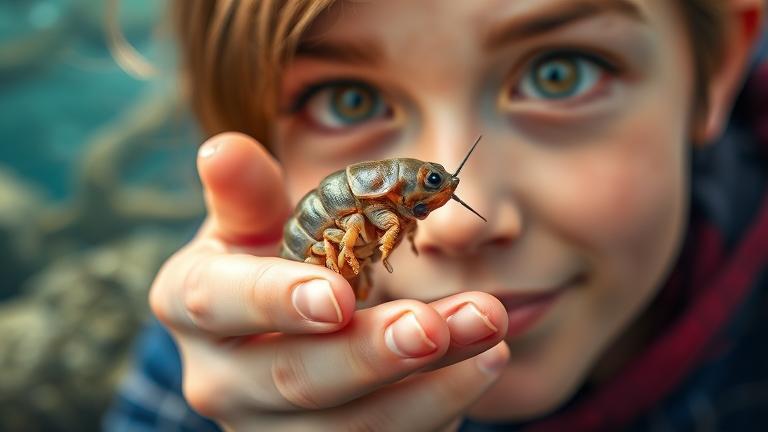
What Are Isopods?
Isopods are small creatures that belong to the crustacean family. You might know them as pillbugs or woodlice, and they are closely related to crabs and shrimp. These tiny animals are fascinating because they have a hard, segmented exoskeleton and multiple legs, usually around 14, which gives them a distinctive, pill-like shape.
They come in various sizes, ranging from less than a millimeter to about 30 millimeters long. Most isopods have a flattened body that helps them hide in cracks and crevices. Although they might look a little like tiny bugs, they are actually aquatic or terrestrial creatures, depending on the species.
Physical Characteristics
Isopods have a segmented, rigid shell called an exoskeleton that protects their soft body underneath. Their bodies are usually oval or cylindrical and often have a slightly bluish or grayish color. One of their most notable features is their multiple legs—each segment on their body typically bears a pair of legs, totaling around 14 in most species.
Many isopods also feature antennae, which they use for sensing their environment. Their small, claw-like mouthparts help them feed on decaying plant material, algae, or even tiny animals. This makes them essential for the ecosystem as they help break down organic matter.
Habitats and Distribution
Isopods are incredibly adaptable and can live in diverse environments. They are mostly found in moist, dark places like soil, leaf litter, under rocks, and inside rotting wood. Some species are aquatic, inhabiting freshwater and marine environments, where they often live under rocks and in seabeds.
In homes, they are sometimes seen wandering in basements, gardens, or around potted plants. They prefer damp conditions because their exoskeleton can dry out easily. Their presence indicates a healthy, moist environment, and they play an important role in the natural decomposition process.
If you’re interested in observing isopods or even keeping them as pets, it’s best to mimic their natural, humid habitats. Providing dark, moist spaces will help them thrive. Overall, isopods are a fascinating part of the animal kingdom and are helpful in breaking down organic waste, enriching the soil, and maintaining ecological balance.
Are Isopods Edible?
Isopods are tiny crustaceans that usually live in moist environments like soil, leaf litter, or under rocks. You might wonder if they are safe or even possible to eat. While some crustaceans like shrimp, crab, and lobster are popular and safe food options, isopods are generally not considered edible for humans.
In most cases, isopods are not raised or prepared as food. They are not part of traditional diets and are not farmed with safety standards in mind. Eating them can pose health risks because they may carry parasites, bacteria, or contaminants from their environment. These risks make them unsafe as a regular food source.
Safety Concerns
One major concern is that isopods have not been studied for human consumption. They tend to live in damp, unclean places that might have pathogens. Consuming isopods raw or without proper cooking could lead to bacterial infections or allergic reactions.
Additionally, there are no reputable culinary traditions involving isopods. Unlike edible crustaceans which are farmed or harvested in controlled ways, isopods are wild and their safety can’t be assured. If someone considers trying to eat them, they must ensure they come from a clean environment and are thoroughly cooked.
Common Practices and Recommendations
- Because isopods are not recognized as food, they are not recommended for human consumption.
- If you are curious or experimental, consult a food safety expert first.
- Thorough cooking at high temperatures can kill bacteria or parasites if you decide to try them, but safety cannot be guaranteed.
- Focus on known edible and safe seafood options instead of wild invertebrates like isopods.
In summary, while technically some crustaceans are edible, isopods are not typically considered safe or suitable for eating. It is best to stick with traditional, verified ingredients for your meals. Remember, safety first when exploring new foods.
Nutritional Value of Isopods
Isopods, tiny crustaceans related to shrimp and crabs, are gaining attention as a unique food source. Their nutritional content makes them an interesting option for diversifying diets. Let’s look into their vitamins, minerals, and protein levels to understand their potential benefits.
First, isopods are a good source of protein. They contain about 50 to 60% protein by weight, making them comparable to other protein-rich foods like fish and meat. This high protein content can help support muscle growth and repair, especially for those on plant-based diets looking for alternative protein sources.
In addition to protein, isopods are rich in vitamins. They provide vitamins such as B12, which is essential for nerve function and red blood cell production. They also contain smaller amounts of vitamin E and other B vitamins that contribute to overall health and energy levels.
Minerals are also present in isopods, including significant levels of iron, zinc, calcium, and magnesium. Iron is necessary for oxygen transport in the blood, while zinc supports immune function and wound healing. Calcium and magnesium are vital for healthy bones and muscle function.
| Nutrient | Amount per 100g |
|---|---|
| Protein | 50-60 grams |
| Vitamins (B12, E, others) | Present in moderate amounts |
| Iron | ≈3 mg |
| Zinc | ≈2 mg |
| Calcium | ≈70 mg |
| Magnesium | ≈30 mg |
Incorporating isopods into your diet could be a sustainable, protein-rich option, especially in areas where traditional meat sources are scarce. However, proper preparation and cooking are essential to ensure safety and palatability.
In conclusion, isopods offer a promising nutritional profile with high protein and valuable vitamins and minerals. They could serve as an alternative or supplement to conventional foods, helping diversify diets while supporting sustainable food practices.
How to Prepare Isopods Safely
Preparing isopods for consumption requires careful cleaning and cooking to ensure they are safe to eat and free from contaminants. Since isopods are often found in damp environments, it is important to start with thorough cleaning.
Cleaning Isopods
Begin by placing the isopods in a fine-mesh strainer or colander. Rinse them gently under cold running water to wash away any dirt, debris, or potential bacteria. You may want to soak them briefly in salt water or diluted vinegar to help remove residual contaminants and kill surface bacteria. Be sure to avoid using any harsh chemicals or soaps, as these can be harmful if ingested.
- Use cold water to rinse thoroughly.
- Optional: Soak briefly in a salt or vinegar solution for added cleanliness.
- Drain well and pat dry with a clean towel if needed.
Inspect the isopods carefully and discard any that look sick, discolored, or damaged. Proper inspection is key to avoiding contaminated or spoiled specimens. If possible, sourcing isopods from reputable suppliers or clean environments reduces the risk of pollutants.
Cooking Isopods
Cooking is crucial to eliminate any parasites or bacteria that might be present. Boiling is a simple and effective method. Bring a pot of water to a rolling boil, then add the cleaned isopods. Let them cook for around 3 to 5 minutes until they turn firm and opaque. This ensures they are cooked thoroughly and safe to eat.
Alternatively, you can sauté or fry the isopods in a skillet with some oil and seasonings. Cook for about 5 to 7 minutes, stirring occasionally, until they’re crispy and fully cooked through. Always ensure there is no raw or slimy texture remaining.
Safety Tips and Common Mistakes
- Avoid eating raw isopods, as they may harbor bacteria or parasites.
- Ensure they are cooked thoroughly undercooked isopods can pose health risks.
- Disregarding proper cleaning can lead to ingestion of contaminants.
- If you’re unsure about the source, consult local guidelines or experts for safe collection methods.
Storing cooked isopods in the refrigerator is recommended if you plan to eat them later. Use a sealed container and consume within 24 hours for best safety and freshness. Remember, when preparing exotic or wild-caught insects like isopods, always prioritize hygiene and thorough cooking to enjoy them safely.
Recipes Using Isopods
Since isopods are an unusual ingredient in many kitchens, it’s important to handle them safely and properly before cooking. Always use clean, pesticide-free specimens to ensure your dishes are safe and tasty. Here are some creative ways to incorporate isopods into meals using different cooking methods.
1. Roasted Isopods
Roasting is a straightforward method to enjoy isopods. Preheat your oven to 375°F (190°C). Toss cleaned isopods with olive oil, salt, pepper, and your favorite herbs. Spread them evenly on a baking sheet and roast for about 10-15 minutes until they become crispy. These roasted isopods make a crunchy snack or can be used as a topping for salads and bowls.
2. Isopod Stir-Fry
This method keeps the flavors vibrant while adding vegetables. Heat a tablespoon of oil in a wok or large skillet over medium-high heat. Add chopped garlic and ginger, cooking for about a minute until fragrant. Add the cleaned isopods along with sliced bell peppers, onions, and snap peas. Stir-fry for 5-7 minutes until everything is cooked through. Finish with soy sauce or teriyaki for an Asian-inspired dish great for dinner parties or nutritious weeknight meals.
3. Boiled Isopods
If you prefer a more delicate method, boiling isopods can be a good choice. Bring a pot of water seasoned with salt, herbs, and lemon slices to a boil. Add the cleaned isopods and cook for approximately 5 minutes. Drain and serve with lemon wedges or your preferred dipping sauces. Boiled isopods can also be added to soups or broths to boost protein content while adding a unique flavor twist.
4. Isopod Tacos
For an adventurous meal, try making isopod tacos. Roast or boil the isopods first. Warm some corn tortillas, then fill them with cooked isopods, shredded lettuce, diced tomatoes, and a squeeze of lime. Add salsa or hot sauce for extra spice. This dish offers a fun way to explore new flavors and textures, making it perfect for experimental cooks.
5. Safety and Handling Tips
- Always source isopods from safe, pesticide-free environments.
- Thoroughly clean and remove any dirt or debris before cooking.
- Cook to an internal temperature of at least 145°F (63°C) to ensure safety.
- Avoid eating isopods raw, as they may carry contaminants or parasites.
These ideas can serve as starting points for experimenting with isopods in the kitchen. Don’t be afraid to get creative and adapt these methods to suit your taste preferences. Cooking with unusual ingredients like isopods can be both fun and rewarding, opening new horizons in culinary adventures.
Potential Risks and Precautions
When considering consuming isopods, it is important to understand the potential health risks involved. Although some cultures include isopods in their diets, they are not widely recognized as common food sources. This means there can be unforeseen safety concerns, especially for home cooks or beginners trying to experiment with new ingredients.
One of the primary risks is allergies. Similar to shellfish or other crustaceans, some individuals may experience allergic reactions to isopods. Symptoms can vary from mild skin irritation to more serious issues like difficulty breathing. If you have shellfish allergies or other food sensitivities, it is best to avoid eating isopods or consult a healthcare professional first.
Contamination is another safety concern. Isopods naturally inhabit environments that may contain bacteria, parasites, or pollutants. Eating wild-caught isopods without proper cleaning or cooking can pose health hazards. Always source them from reputable suppliers or thoroughly clean and cook them to eliminate harmful microorganisms.
Cooking is essential to mitigate the risks of illness. Boiling or frying isopods at high temperatures can kill bacteria and parasites. Avoid eating raw or undercooked isopods, as this increases the likelihood of foodborne diseases. Proper cooking not only ensures safety but also enhances taste and digestibility.
Environmental exposure also poses a danger. If collected from contaminated areas, isopods might carry chemical residues like pesticides or other pollutants. Consuming these can be harmful over time. It is safest to gather isopods from clean environments or buy from trusted sources.
Additionally, some isopod species are toxic or not safe for human consumption. Identifying the right species is crucial. Research or seek advice before consuming isopods to avoid accidental ingestion of harmful varieties.
Practicing good hygiene during preparation is critical. Wash your hands thoroughly and use clean utensils when handling isopods. Cross-contamination with other foods can introduce bacteria, so it’s important to clean all surfaces and equipment after preparation.
Finally, pay attention to any adverse reactions after trying isopods. If you experience symptoms such as nausea, stomach pain, or allergic responses, seek medical attention promptly. Start with small portions to test your reaction and reduce the risk of a severe allergic incident.
Where to Find Edible Isopods
Finding edible isopods can be a fascinating part of foraging or sourcing unique ingredients for your culinary adventures. These small crustaceans often dwell in moist, shaded environments and can sometimes be found in your local natural areas. It is essential to identify the correct species to ensure safety and edibility.
If you are interested in wild harvesting, look under rocks, logs, or leaf litter in forests and damp areas. Be gentle when collecting, and avoid disturbing the habitat more than necessary. Always double-check that the isopods you find are non-toxic and suitable for eating, as some species can be harmful.
Locating Isopods in the Wild
To increase your chances of finding edible isopods, go during the early morning or after a rainstorm, when they are most active and visible. Look for colonies in shaded, humid spots, especially near water sources. Handle them carefully to avoid injuring the delicate exoskeleton.
Remember, sustainability is key. Do not overharvest from one area, and always be respectful of the environment. It is advisable to consult local foraging guidelines or speak with experts in your area before harvesting wild isopods.
Acquiring Edible Isopods from Suppliers
If wild collection isn’t an option or you prefer a more reliable source, several suppliers now offer farm-raised or sustainably harvested edible isopods. These vendors often specialize in exotic or specialty ingredients and can provide clean, safe, and fresh isopods for culinary use.
When purchasing from suppliers, look for certified sellers who follow sustainable practices. It’s best to buy from reputable sources that ensure the isopods are free from pesticides, parasites, and pollutants. Online specialty food stores or local exotic pet stores might also stock edible isopods or be able to direct you to reliable suppliers.
Sustainable Sourcing Tips
- Always verify species identification before consumption.
- Harvest responsibly by taking only what you need and leaving enough behind to maintain the local ecosystem.
- Opt for farm-raised or sustainably harvested isopods when possible to support environmental conservation.
- Consider local laws and regulations about collecting wild creatures, and obtain any necessary permits.
By following these tips, you can enjoy the unique experience of sourcing edible isopods safely and sustainably. Whether venturing into nature or purchasing from trusted suppliers, always prioritize safety and environmental responsibility.