
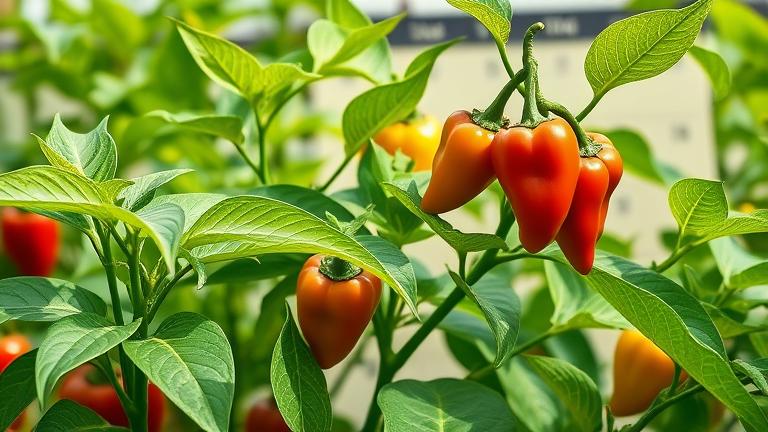
Pepper Plant Lifespan Overview
Peppers are a favorite in many gardens because they produce tasty fruits and are relatively easy to grow. Understanding how long a pepper plant lives helps gardeners plan their planting schedule and care routine. The lifespan of a pepper plant can vary based on several factors, including the type of pepper, growing conditions, and how well the plant is cared for.
Most pepper plants are considered annuals. This means they complete their life cycle in one growing season. For example, common varieties like bell peppers and hot peppers usually live for about 80 to 150 days from the time they are planted until harvest. Once the season ends, these plants naturally die off. Gardeners often replant new pepper plants each year to enjoy fresh peppers regularly.
The type of pepper you grow also influences its lifespan. While most peppers are annuals, some, like certain chili varieties, can be grown as perennials in warm or tropical climates. These plants might last several years if they are protected from frost and given proper care. In cooler climates, even perennial peppers may only survive one or two seasons before they succumb to the cold.
Good care practices extend the life of your pepper plants. Providing the right amount of sunlight, watering consistently, and fertilizing appropriately encourages healthy growth. Avoiding common mistakes like overwatering or neglecting pest control helps your plants thrive longer. If you want to give your pepper plant the best chance to live longer, consider planting in well-drained soil and using mulch to retain moisture.
| Type of Pepper | Expected Lifespan | Growing Conditions |
|---|---|---|
| Bell Peppers | 80-150 days | Annual, warm climate |
| Hot Peppers (e.g., Cayenne, Jalapeño) | 80-150 days | Annual, full sun |
| Perennial Chili Peppers | Several years in warm climates | Perennial, frost-free |
If you’re interested in extending the life of your pepper plants, consider researching varieties suited for your local climate. You can find specific tips and guidance on how to care for different pepper types by visiting resources like this helpful guide.
Remember, while most pepper plants are seasonal, with proper care and the right environment, you may be able to enjoy fresh peppers from the same plant for more than one season in suitable climates.
Growing Conditions for Longevity
Maximizing the lifespan of pepper plants depends greatly on providing the right environment and care. Peppers thrive best when their surroundings mimic their natural warm climate. Ideally, keep the temperature between 70°F and 85°F during the day. Too much heat or cold can stress the plants and shorten their productive time.
Soil Requirements
Healthy, long-lasting pepper plants need rich, well-draining soil. The soil should contain plenty of organic matter like compost or aged manure. This boosts fertility and supplies essential nutrients. Pay attention to the soil’s pH; peppers prefer a slightly acidic to neutral range of 6.0 to 7.0. Testing your soil can help you adjust pH levels and ensure optimal growth.
Watering and Mulching
Consistent watering is key. Peppers like moist soil but dislike sitting in water, which can cause root rot. A good rule of thumb is to water deeply when the top inch of soil feels dry. Apply mulch around the plants to retain moisture, suppress weeds, and regulate soil temperature. Mulching also prevents rapid fluctuations that can stress the plants and impact longevity.
Sunlight and Light Management
Ensure your pepper plants receive at least six hours of direct sunlight daily. Adequate sunlight helps produce healthy fruit and maintains plant vigor. If you are growing peppers indoors, supplement natural light with grow lights. Proper lighting helps extend their productive lifespan and keeps plants vigorous.
Care Practices and Maintenance
Regular pruning encourages good airflow and reduces disease risks. Remove any dead or diseased leaves promptly. Light pinching back of overly vigorous growth helps the plant focus on fruit production. Additionally, rotate crops each season, avoiding planting peppers in the same spot twice. Crop rotation minimizes soil depletion and restricts pests, extending the plants’ lifespan.
| Environmental Factor | Optimal Condition |
|---|---|
| Temperature | 70°F – 85°F during the day |
| Soil pH | 6.0 – 7.0 |
| Sunlight | At least 6 hours of direct sunlight |
| Watering Frequency | When top inch of soil dries out |
Providing these optimal conditions and careful attention will help your pepper plants stay healthy and productive for a longer time. For more tips on gardening and plant care, visit our detailed guide on garden care practices.
Natural Growth Cycle Explained
Understanding the natural growth cycle of a pepper plant can help gardeners care for it properly and enjoy a healthy harvest. Let’s explore the stages from germination to decline.
The growth cycle of a pepper plant is a fascinating journey that begins with tiny seeds and ends with a mature fruiting plant. Knowing what to expect at each stage makes gardening more rewarding and less confusing.
Germination
The first stage is germination. This occurs when the seed absorbs water and swells, breaking open to sprout a small shoot. Germination generally takes 7 to 14 days, depending on the temperature and seed quality. During this time, it’s important to keep the soil moist and warm for optimal sprouting.
Seedling Stage
Next comes the seedling stage. During this period, the plant develops its first true leaves, establishing roots and a stem. Proper watering, sunlight, and warmth are essential to healthy development. Be gentle with seedlings and avoid overwatering, which can cause root rot.
Vegetative Growth
The vegetative stage follows, where the plant focuses on growing leaves and stems. This stage can last several weeks. During this period, the plant builds a strong foundation for fruiting. Regular feeding with a balanced fertilizer, rich in nitrogen, encourages lush green growth.
Flowering and Fruit Development
Once the plant is mature enough, it enters the flowering and fruiting phase. Flowers bloom, attracting pollinators, and then small peppers start to develop. It’s important to provide consistent water and check for pests during this period. Proper pollination is crucial for a good harvest.
Ripening
The peppers reach full size and start to ripen. The color change indicates maturity green turning to red, yellow, or orange depending on the variety. Harvesting at the right time ensures the best flavor and quality of your peppers.
Decline and Rejuvenation
Eventually, environmental conditions or aging lead to decline. Leaves may yellow and drop, and the plant produces fewer flowers and fruits. This is a natural part of the lifecycle. At this point, gardeners often remove old plants and prepare the soil for new crops or plant new pepper seedlings to start the cycle over again.
By understanding each stage, gardeners can provide the right care, avoid common mistakes, and enjoy a bountiful pepper harvest. Remember, a healthy plant is a happy plant, so patience and consistent attention are key to nurturing your peppers from seed to harvest. For more tips on caring for your garden, visit our helpful gardening guides.
Tips to Extend Pepper Plant Life
Growing pepper plants can be very rewarding, but sometimes their health and productivity decline over time. To keep your pepper plants thriving for longer, it’s important to follow some practical tips. These strategies can help prolong their healthy growth and delay aging or decline.
First, make sure your plants receive adequate watering. Pepper plants like moist soil but do not tolerate waterlogging. Water deeply when the top inch of soil feels dry. This encourages strong root development and keeps plants healthy. Overwatering can lead to root rot, so balance is key.
Using proper mulching is another essential tip. Spread organic mulches like straw, bark, or compost around your pepper plants. Mulching helps retain soil moisture, suppress weeds, and maintain a steady soil temperature. These conditions support sustained growth and reduce plant stress.
Regular fertilization also plays a role in extending plant life. Use a balanced, slow-release fertilizer during the growing season. Focus on fertilizers high in phosphorus and potassium, which promote flowering and fruiting. Continuous nutrient supply keeps your plants productive longer.
Pruning is a simple but effective technique. Remove dead, damaged, or diseased leaves and branches regularly. This improves air circulation around the plant, cutting down on pests and diseases that can weaken it. Healthy plants are more likely to stay vigorous over time.
Monitoring and managing pests and diseases promptly is crucial. Look for signs of trouble and take action early. Natural pest control methods like introducing beneficial insects or using organic sprays are safe options. Removing affected leaves helps prevent the spread of problems, supporting longer plant lifespan.
Sunlight and temperature management are also important. Pepper plants need at least 6 to 8 hours of sunlight daily. Protect them from extreme heat by providing some shade during hot days. Likewise, cold weather can stunt growth, so consider moving potted plants indoors or providing cover if necessary.
Crop rotation is a good practice to avoid planting peppers in the same spot year after year. This reduces soil fatigue and decreases the chances of pests and diseases building up in the soil. Alternating locations can keep your soil healthier and your plants happier.
Improving soil health is key to plant vitality. Test your soil regularly, and amend it with organic matter or compost if needed. Rich, well-draining soil provides the best environment for vigorous growth. Healthy roots mean longer-lasting plants and better fruit production.
Common Pests and Diseases Impacting Longevity
Growing healthy pepper plants involves being aware of pests and diseases that can shorten their lifespan. These issues can cause the plants to become weak, produce fewer peppers, or even die if not addressed promptly. Recognizing the signs early helps you manage problems before they become severe.
One of the most common pests is aphids. These tiny insects feed on the plant’s sap, causing leaves to curl and turn yellow. They also produce a sticky substance called honeydew, which can encourage mold growth. To prevent aphids, regularly check your plants and remove any infested leaves. Natural predators like ladybugs are beneficial, or you can apply a mild insecticidal soap if needed.
Spider mites are another threat, especially in dry conditions. They create fine webbing and cause speckled or bronzed leaves. Keeping humidity high and washing plants with water can help reduce spider mite populations. Organic miticides are also available if infestation persists.
Diseases Affecting Pepper Plants
Fungal diseases such as powdery mildew are common challenges. It appears as a white, powdery coating on leaves and stems, which can interfere with photosynthesis. Good air circulation and spacing plants properly reduce the risk. If you notice powdery mildew, remove affected parts and treat with fungicide to prevent spread.
| Disease | Signs | Preventive Measures |
|---|---|---|
| Powdery Mildew | White powder on leaves and stems | Ensure good airflow, avoid overcrowding, and treat early with fungicides |
| Bacterial Spot | Dark, water-soaked spots on leaves and fruit | Crop rotation, remove infected debris, and avoid overhead watering |
Another common disease is bacterial spot, which causes dark spots on leaves and peppers. It spreads through contaminated plant material or rain splash. To minimize risks, practice crop rotation and maintain garden hygiene. Using resistant varieties can also help reduce disease occurrence.
Practical Tips for Protecting Your Pepper Plants
- Inspect plants regularly for pests and disease symptoms.
- Space plants properly to promote good air circulation.
- Water at the base to avoid wetting foliage, which encourages disease.
- Use organic pesticides and natural remedies whenever suitable.
- Remove infected leaves and debris promptly to prevent spreading.
Maintaining vigilant care and garden hygiene helps extend your pepper plants’ healthy lifespan. For more gardening tips, visit our guide on how to care for garden plants. By staying proactive against pests and diseases, you can enjoy a longer, more fruitful pepper harvest.
Harvesting and Replanting Strategies
Managing your garden to ensure a continuous supply of fresh peppers requires knowing the right time to harvest and having effective replanting strategies. Peppers are usually ready to pick when they reach their full size and develop their mature color, like red, yellow, or green depending on the variety. One way to tell if they are ripe is to gently squeeze the pepper; it should feel firm but not hard. The skin should also be shiny and smooth.
Timing is key. If you harvest too early, the peppers might not have full flavor or size. Waiting too long could cause them to split or become overripe. Regularly checking your plants helps you identify the best moment for harvesting. Typically, peppers are best picked just as they turn their mature color and remain firm.
After harvesting, it’s time to plan for replanting. If some plants show signs of decline or you want a steady supply, consider planting new peppers every few weeks. This staggered planting ensures you’ll have peppers growing continuously throughout the season.
When replanting, you have options. You can plant directly in the same spot or rotate your garden beds. Rotation helps keep your soil healthy and reduces pests and diseases. Use fresh soil or compost when planting new seedlings to provide essential nutrients. Clearing away old plant debris from previous plants can also prevent pest and disease issues.
Another helpful tip is to start seedlings indoors early in the season. When your current plants finish producing or grow too large, transplant the young plants into the garden. Remember to harden off these seedlings by gradually exposing them to outdoor conditions for several days before transplanting. This helps build their resilience and reduces shock.
By harvesting peppers at the right time and planning your replanting carefully, you can enjoy a steady stream of fresh, homegrown peppers all season long. Patience and good timing are your best tools for a successful garden harvest!
Conclusion: Maximizing Your Pepper Plant’s Life
Growing healthy pepper plants and extending their lifespan involves a mix of good gardening practices. Providing proper watering, regular fertilizing, pest control, and gentle harvesting can make a big difference. These tips help your plants stay vigorous and productive for a longer time.
Choose the Right Location and Soil
Plant your peppers in a spot that gets plenty of sunlight, ideally at least 6 hours a day. The soil should be well-drained and rich in organic matter. Adding compost can improve soil quality and provide essential nutrients for your plants to thrive.
Ensure your garden bed is not too crowded, giving your plants enough space to grow and breathe. Proper spacing prevents disease spread and helps airflow, reducing common issues like fungal infections.
Water and Fertilize Wisely
Pepper plants prefer consistent moisture, but overwatering can lead to root rot. Water deeply when the top inch of soil feels dry. Mulching around the plants helps retain soil moisture and keep roots cool. Remember, watering early in the day allows excess moisture to evaporate, preventing fungal problems.
Use a balanced fertilizer formulated for peppers, especially during the flowering and fruiting stages. Too much fertilizer can cause lush foliage but fewer peppers. Follow the instructions on the package for best results.
Protect and Prune Your Plants
Regularly inspect your plants for pests like aphids or beetles. Use organic methods such as neem oil or introduce beneficial insects to keep pests in check. Prompt removal of damaged or diseased leaves encourages healthy new growth.
Pruning your pepper plants encourages better airflow and sunlight penetration. Remove the lower leaves and any crowded branches. This also helps prevent disease and boosts fruit production.
Harvest at the Right Time
Pick peppers when they are fully colored and firm. Harvesting at the peak ripeness not only ensures delicious flavor but also signals the plant to produce more fruit. Use sharp scissors or pruning shears to avoid damaging the plant.
If your plants start producing fewer peppers, consider rotating crops each year. Changing planting locations helps prevent soil depletion and reduces pest buildup. Companion planting with herbs like basil can also help repel pests naturally.
| Tips for Extending Pepper Plant Life | Details |
|---|---|
| Sunlight | Plant in a location with at least 6 hours of direct sun daily. |
| Soil | Use well-drained soil rich in organic matter. |
| Watering | Water deeply and consistently; avoid overwatering. |
| Fertilizing | Apply a balanced fertilizer during flowering and fruiting. |
| Pest Control | Inspect regularly and use organic pest management options. |
| Pruning | Remove dead leaves and prune for better airflow and growth. |