
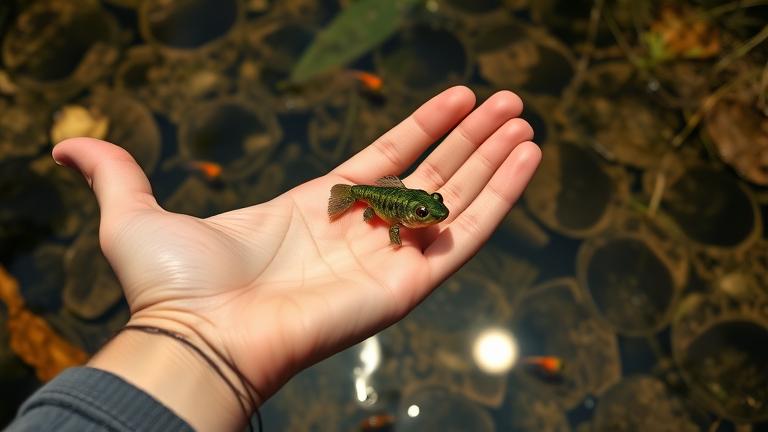
Are Tadpoles Safe to Eat?
Many people are curious about eating tadpoles, especially if they enjoy foraging or trying new foods. But before you decide to cook and eat tadpoles, it is important to understand the safety concerns involved. Tadpoles can carry health risks if they are not properly identified or prepared. This section will help you learn how to recognize safe specimens and what dangers to watch out for.
First, it is essential to know that tadpoles live in ponds, lakes, and streams. These environments can sometimes contain pollutants, bacteria, or parasites that might be harmful if ingested. Eating wild tadpoles without proper knowledge and preparation can lead to illness. Safety should always come first when considering consumption.
Health Risks to Consider
- Parasites: Tadpoles can host parasites that may cause gastrointestinal issues if consumed. Proper cooking usually kills most parasites, but you need to be sure of the cooking process.
- Pollutants and Chemicals: If tadpoles live in polluted water, they might accumulate harmful substances like pesticides or heavy metals. This can pose health risks even after cooking.
- Identify Safe Specimens: Not all tadpoles are safe to eat. Some species can be toxic, especially during their metamorphosis phase or if they are from certain water bodies contaminated with chemicals.
How to Identify Safe Tadpoles
If you are considering eating tadpoles, identifying safe specimens is crucial. Here are some tips:
- Species Identification: Only consume tadpoles from well-known, edible species. In many regions, frog tadpoles of certain species are considered safe, but always follow local laws and guidelines.
- Water Quality: Choose tadpoles from clean, unpolluted water sources. Avoid tadpoles from stagnant, algae-rich, or polluted waters.
- Appearance: Healthy tadpoles are usually active, have smooth skin, and are free from visible parasites or sores. Avoid tadpoles with discolored or swollen bodies.
Preparation and Cooking Tips
Once you have identified safe tadpoles, proper preparation is vital. Clean them thoroughly, removing any dirt or debris. Cooking should be done at high heat, boiling or frying, to kill parasites and bacteria. Remember, if you are unsure about the species or water source, it is best to avoid eating tadpoles altogether.
In summary, while some tadpoles can be safe to eat if carefully identified and properly prepared, there is always a risk involved. For safety reasons, it is recommended to consult with local experts or resources prior to trying to incorporate tadpoles into your diet.
How to Prepare Tadpoles Properly
Preparing tadpoles for cooking involves several important steps to ensure they are both safe to eat and delicious. Many cultures enjoy tadpoles as a delicacy, but proper cleaning and cooking are essential. Follow these simple tips to prepare them in a friendly and practical manner.
Cleaning the Tadpoles
Begin by gathering fresh tadpoles from a clean pond or freshwater source. Rinse them thoroughly under cold running water to remove dirt, debris, or pond residue. It is advisable to change the water a few times during rinsing to ensure thorough cleanliness.
Next, remove any remaining tails or impurities. You can do this by gently pinching or cutting off the tails with a sharp knife. This step enhances texture, improves digestion, and promotes safety.
If you want to remove any unpleasant tastes or odors, soak the tadpoles in a mixture of water and a small amount of salt or lemon juice for about 15 minutes. Rinse them well afterward to remove excess salt or acidity.
Preparing for Cooking
After cleaning, it is time to prepare the tadpoles for cooking. You can choose various methods such as boiling, frying, or sautéing, depending on your recipe or preference.
Before cooking, you might consider marinating them briefly in herbs, garlic, or spices to add flavor. This also helps tenderize the tadpoles and enhances overall taste.
Cooking Techniques
Boiling is one of the simplest and safest methods. Bring a pot of water to a gentle boil, add the tadpoles, and cook for about 3 to 5 minutes until they turn opaque. This kills any remaining bacteria and ensures they are safe to eat.
Frying or sautéing can give the tadpoles a crispy exterior. Heat a little oil in a pan, add the tadpoles, and cook for a few minutes until golden brown. Turn them occasionally for even cooking.
| Tip | Details |
|---|---|
| Use fresh tadpoles | Always select healthy and fresh tadpoles from a clean source for safety and better flavor. |
| Avoid overcooking | Overcooking can make the tadpoles rubbery. Cook just until opaque and tender. |
| Cook thoroughly | Ensure they are fully cooked to eliminate harmful bacteria or parasites. |
By following these steps, you can prepare tadpoles that are both safe and tasty to enjoy. Remember, good hygiene and proper cooking are key to a successful and safe culinary experience. Happy cooking!
Cultural Uses of Tadpoles in Cuisine
Tadpoles have been part of traditional cuisine in various cultures around the world. In some regions, they are considered a delicacy, while in others, they are used in everyday dishes.
In Southeast Asia, especially Vietnam and Thailand, tadpoles are often included in local recipes. They may be grilled, fried, or prepared in savory soups. These dishes demonstrate how resourceful these communities are in using ingredients from their environment.
In parts of Africa, such as Nigeria and Cameroon, tadpoles are valued as a protein source. They are often dried or smoked before being added to stews or fried as snacks. These preservation methods help extend shelf life and enhance flavor.
North American indigenous communities have also incorporated tadpoles into their traditional foods. They are sometimes collected from ponds and prepared simply by boiling or frying, typically as part of a larger meal.
- In some cultures, tadpoles are regarded as a local delicacy, especially during seasons when they are abundant.
- Preparation methods vary widely, including grilling, frying, and inclusion in soups or stews.
- Utilizing tadpoles in cuisine reflects a connection to local ecosystems and sustainable harvesting practices.
Overall, tadpoles serve as a versatile ingredient across many cultures, highlighting adaptability and traditional knowledge about sustainable resource use. Their inclusion in dishes showcases how communities make the most of their natural environment.
Nutritional Benefits of Eating Tadpoles
Tadpoles are a nutritious food source enjoyed in various parts of the world. They provide a range of essential nutrients that support health and well-being. Incorporating them into your diet can be a tasty way to gain vitamins and minerals.
A primary advantage of eating tadpoles is their high protein content. Proteins are crucial for building and repairing tissues, supporting muscle growth, and maintaining overall strength. This makes tadpoles a great option for active individuals or those recovering from illness.
In addition to proteins, tadpoles are a good source of vitamins like B vitamins, vitamin A, and D. B vitamins boost energy levels and support proper brain function. Vitamin A promotes healthy vision, skin, and immune health. Vitamin D helps your body absorb calcium, strengthening bones.
They also provide important minerals such as calcium, magnesium, iron, and zinc. Calcium and magnesium are key for maintaining strong bones and teeth. Iron supports red blood cell production, and zinc enhances immunity and wound healing.
Here is a quick overview of their nutritional benefits:
| Nutrient | Benefit |
|---|---|
| Protein | Supports muscle growth and tissue repair |
| Vitamins (B, A, D) | Boosts energy, supports vision, skin health, and bone strength |
| Calcium & Magnesium | Builds and maintains strong bones and teeth |
| Iron | Prevents anemia and supports red blood cell production |
| Zinc | Enhances immune function and aids wound healing |
Overall, tadpoles provide a nutrient-dense option that can support your health. Whether prepared in stews, grilled, or incorporated into various recipes, they are a versatile and nutritious addition. Just ensure they are sourced safely and cooked thoroughly to maximize their health benefits.
Environmental Impact of Tadpole Consumption
Eating tadpoles can significantly impact ecosystems and amphibian populations. Tadpoles are a vital part of many freshwater ecosystems, playing crucial roles in food chains and ecological balance.
Overharvesting or consuming large quantities of tadpoles can lead to population declines, which can disturb natural ecological systems. This may affect not only frogs and toads but also other species that depend on them for food, as well as algae and insect populations they help control.
Sustainability Considerations
To reduce environmental impact, responsible harvesting practices are essential. This includes avoiding overharvesting from wild populations and supporting conservation efforts. Sustainable harvesting allows tadpole populations to recover and continue contributing to ecosystem health.
Looking for sources that practice sustainable farming or harvesting can help. Many regions may have regulations or guidelines to protect amphibians, so checking local laws and supporting environmentally friendly producers is a wise choice.
Impact on Amphibian Populations
Excessive harvesting can cause localized declines in amphibians, which are often indicator species of ecosystem health. Their reduction can indicate broader environmental issues such as pollution or habitat destruction.
Supporting conservation initiatives and practicing responsible consumption help preserve amphibian populations. This approach benefits the environment and ensures that tadpoles remain available as a food resource in the future.
Summary
- Responsible harvesting supports ecosystem health and amphibian sustainability.
- Supporting sustainable practices minimizes environmental impact.
- Being aware of local laws and regulations helps protect vulnerable species.
In conclusion, mindful harvesting and consumption of tadpoles are crucial steps in protecting ecosystems. By choosing sustainable options and supporting conservation efforts, you can enjoy this unique protein source while helping preserve biodiversity for future generations.
Common Questions About Eating Tadpoles
Are Tadpoles Safe to Eat?
Many people wonder if tadpoles are safe to eat. The answer depends largely on their origin. In some cultures, eating tadpoles is common and considered safe. However, if they are collected from water that might be contaminated or polluted, it is best to avoid consumption. Always ensure they come from a clean, uncontaminated environment to reduce health risks.
How Should I Prepare Tadpoles for Eating?
Proper preparation involves cleaning and cooking the tadpoles thoroughly. First, rinse them in clean water to remove dirt and debris. Some prefer to blanch or boil tadpoles to eliminate bacteria. To do this, boil them in water for about 3 to 5 minutes until they turn firm and opaque. After cooking, they can be seasoned, fried, or added to soups. Do not eat raw tadpoles, as raw consumption carries risks of parasites or bacteria.
What Are the Myths About Eating Tadpoles?
Numerous myths exist, such as the belief that tadpoles are poisonous or harmful. These myths are false and often stem from misunderstandings or local stories. In reality, tadpoles are edible in many regions and can be nutritious. Still, proper preparation and sourcing from clean waters are essential to avoid health issues.
Are Tadpoles Nutritious?
Yes, tadpoles are a good source of protein and essential nutrients. They contain vitamins and minerals that support a healthy diet. In some cultures, they are valued as a nutritious and sustainable protein source, especially where other options are limited.
Can Eating Tadpoles Be Dangerous?
Eating tadpoles is generally safe if they are prepared correctly and harvested from clean environments. However, risks involve parasites, bacteria, or toxins if collected from polluted waters. Cooking them thoroughly reduces these risks. If uncertain, consult local guides or health professionals before consuming.
Tips for Safe Consumption
- Source tadpoles from clean, uncontaminated water sources.
- Thoroughly wash them before cooking.
- Cook completely until opaque and firm.
- Avoid eating raw or undercooked tadpoles.
- Follow local customs or expert advice for preparation methods.
Final Thoughts: Should You Try Tadpoles?
Deciding whether to try tadpoles involves personal preference, curiosity, and an understanding of the potential risks and benefits. They are an unconventional delicacy in many cultures and can offer a unique culinary experience. For those open to new foods, trying tadpoles can be a fun way to explore different cuisines and expand your palate.
Safety remains a key concern. Not all tadpoles are suitable for consumption. It is important to source them from reputable suppliers or harvest them from clean, parasite-free environments. Proper preparation and cooking are essential to prevent foodborne illnesses. Always wash thoroughly and cook well before eating.
If you are new to eating amphibians or insects, start small and observe your body’s response. Some individuals may have allergies or sensitivities. Also, cultural acceptance varies; in some regions, consuming tadpoles is normal, while in others, it might be considered unusual or taboo.
Here is a quick summary to help you decide:
| Pros | Cons | ||
|---|---|---|---|
| Offers a unique and cultural culinary experience | Safety risks if not sourced or prepared properly | A sustainable protein source in certain regions | Less accepted or available in many areas |
If your curiosity and research lead you to find safe handling, trying tadpoles could be an exciting addition to your culinary adventures. Conversely, if safety concerns or unfamiliarity hold you back, more traditional dishes are always a safe choice. The most important factor is making informed decisions that align with your health and comfort levels.