
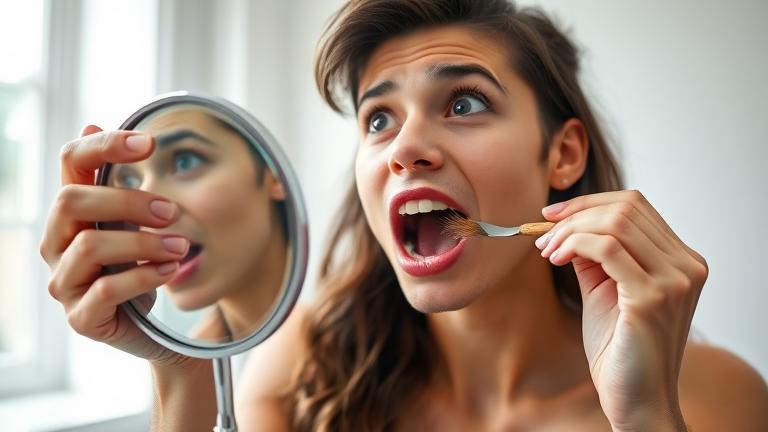
Are Hair Eating Safety Concerns Valid?
Many people wonder if eating hair poses any health risks. While it’s generally not harmful in small amounts, it’s good to know what safety considerations to keep in mind. Hair itself is made of a protein called keratin, which your body usually cannot digest. So, swallowing a tiny bit of hair occasionally isn’t likely to cause serious harm.
However, regularly ingesting hair can sometimes lead to health issues. For example, swallowed hair can form a hairball, known as a trichobezoar, inside your stomach. This is quite rare but can cause discomfort, nausea, or blockages if it gets large enough. That’s why it’s best to minimize hair ingestion, especially if you notice a lot of hair fall or if you have a habit of chewing hair.
Possible Health Risks
- Gastrointestinal discomfort: Small amounts of hair usually pass through your system, but larger quantities could cause nausea or stomach upset.
- Blockages: In rare cases, a large hairball might block your digestive tract, which could require medical attention.
- Infections: If hair is contaminated with bacteria, dirt, or chemicals, ingesting it could introduce germs into your body. This risk is minimal if hair is clean but worth being cautious about.
Safety Tips to Keep in Mind
- Keep hair tied back or covered: Especially while cooking or eating, to reduce chances of hair falling into your food or mouth.
- Avoid habits that lead to hair ingestion: If you tend to chew or swallow hair, try to break this habit.
- Clean your environment: Regular cleaning can minimize loose hair around your home, especially in kitchen or eating areas.
- Monitor health: If you notice persistent hair loss, swallowing, or digestive issues, consult a healthcare provider.
In Summary
Eating small bits of hair rarely causes serious health issues, but frequent ingestion or large amounts can lead to problems. The best approach is to prevent hair from falling into food or your mouth and to maintain good hygiene. If you have concerns about hair ingestion or notice symptoms like stomach pain, see a doctor for advice. Overall, being cautious helps keep your eating experience safe and comfortable.
How Digestion Affects Hair Consumption
Many people wonder what happens when hair is ingested, whether through accidental swallowing or as part of a hair-pulling habit. Understanding how the digestive system processes hair can help clarify possible outcomes and what to watch out for.
When hair enters the digestive system, it travels through the stomach and intestines just like food. However, hair is made of keratin, a tough protein that our stomach acids do not easily break down. This means hair is usually resistant to digestion and can pass through the system largely unchanged.
In most cases, small amounts of ingested hair pass through the intestines and are eventually excreted in stool without cause for concern. But in some instances, hair can accumulate, especially if someone repeatedly ingests hair, leading to a condition called trichobezoar.
What Is a Trichobezoar?
A trichobezoar is a mass of hair that clumps together in the stomach. It can grow large enough to cause symptoms like nausea, vomiting, stomach pain, and even blockages. This condition is rare but is more common among individuals with certain mental health conditions, such as trichotillomania (hair-pulling disorder) or trichophagia (hair-eating).
Possible Outcomes and Issues
- Passage without issues: Small amounts of hair are usually harmless and exit the body without problems.
- Hair accumulation: Repeated ingestion may lead to a hairball, causing discomfort or more serious complications.
- Gastrointestinal blockage: In severe cases, a large hairball can block the digestive tract, requiring medical removal.
- Digestive discomfort: Some people may experience nausea or stomach pain if a hairball forms or causes irritation.
While accidental swallowing of hair rarely causes problems, frequent ingestion should be addressed, especially if it causes discomfort or other health concerns. If you notice symptoms like persistent stomach pain, vomiting, or difficulty swallowing hair, consult a healthcare professional for evaluation and proper treatment.
In conclusion, the digestive system is quite capable of handling small amounts of hair, but repeated ingestion can lead to complications. Being aware of what happens when hair is swallowed can help you take steps to prevent issues and seek help if needed.
Cultural Ways of Eating Hair Around the World
Exploring the different cultural practices related to hair consumption offers a fascinating glimpse into how societies assign meaning to this act. In some cultures, eating hair is not a common everyday activity but a part of specific rituals and traditions that carry symbolic weight.
In certain communities, hair is viewed as a symbol of strength, vitality, or spiritual power. People believe that consuming hair can transfer these qualities or bring good luck. For example, some tribes include hair in their ceremonial foods or offerings to deities, emphasizing its sacred or protective role within their cultural beliefs.
Symbolic and Ritual Significance
For many cultures, hair is more than just a physical feature. It is deeply connected to identity, spirituality, or social status. In some traditions, hair may be eaten during rites of passage or healing rituals, symbolizing renewal, strength, or connection to ancestors. Such practices are often rooted in ancient beliefs and maintained as a way to honor tradition.
Good safety knowledge is essential, as consuming hair outside of these specific cultural contexts can cause health issues. Usually, when hair is involved in rituals, it is prepared in a ceremonial manner, sometimes burned or incorporated into symbolic objects.
Traditional Cuisines and Customs
In rare cases, hair appears as part of special foods or offerings that reflect cultural attitudes towards purity, protection, or spiritual power. For example, certain regions may include hair in traditional dishes during festivals or other important celebrations. These customs often have historical roots, passing down the belief that hair can invoke blessings or ward off evil spirits.
It’s important to understand that these practices are specific to cultural contexts and are not part of everyday eating habits for most societies. They are often surrounded by caution and respect, highlighting the cultural significance rather than casual consumption.
Safety Tips and Respect for Cultural Practices
- Always respect the cultural context if witnessing these practices. Avoid imitation without understanding their significance.
- Remember that hair consumed during rituals is typically prepared in a specific, ceremonial way to ensure safety.
- If you are curious about such customs, consider learning from cultural experts or anthropologists to gain deeper insight.
Understanding these diverse practices helps appreciate how hair holds different meanings worldwide. While it may seem unusual to outsiders, within these cultures, it plays a vital role in traditions that unify communities and preserve their heritage.
Myths vs. Facts About Eating Hair
Many people wonder if swallowing hair is dangerous or harmless. There are lots of misconceptions about this topic, so let’s set the record straight with some facts. Whether you’ve accidentally eaten a strand or are worried about your habits, knowing the truth can help you feel more confident.
Myth 1: Eating hair is extremely dangerous.
This is a common belief, but for most people, swallowing small amounts of hair is not harmful. Hair is made from keratin, a protein that your body cannot digest. If you swallow a few hairs accidentally, they typically pass through your digestive system without any issues.
However, in rare cases, eating large quantities of hair can cause hairballs. These clumps of hair may stay in your stomach or intestines and, if they grow big enough, could block digestion. That’s why it’s good to avoid intentionally pulling or chewing on hair, especially if you tend to swallow it often.
Myth 2: Eating hair can lead to hair loss or damage.
Swallowing hair does not affect your scalp or hair health. Hair loss happens for many reasons, such as genetics, stress, or nutrient shortages. Eating hair does not interfere with hair growth or scalp health.
So, if you accidentally swallow some hair, don’t worry about losing your hair or damaging it. It’s simply not connected to hair health at the scalp or follicle level.
Myth 3: Eating hair is a sign of a mental health problem.
Sometimes, people who frequently eat or pull out hair might have a condition called trichophagia, which can be linked to mental health issues. But occasional ingestion of hair, like biting or chewing on hair without compulsively swallowing it, is usually not a sign of a problem.
If you notice a recurring habit or feel distressed about the behavior, talking to a healthcare professional can be helpful. They can provide support or suggest ways to break the habit if needed.
Tips for Managing Hair Ingestion:
- Try to avoid pulling or chewing on hair, especially if you feel anxious or bored.
- Keep hair ties, brushes, and hats out of reach if you notice yourself chewing or swallowing hair habitually.
- If you find yourself doing this often or feeling concerned, consider speaking with a healthcare provider or counselor for advice and support.
Medical Steps When Hair Is Swallowed
Swallowing hair can happen sometimes, especially with young children or during stressful times. While it might seem worrying, most of the time, hair that is swallowed passes through your digestive system without causing serious issues. Still, it is important to know what steps to take if this happens.
First, stay calm. If you or someone else has swallowed hair, observe for any discomfort or symptoms such as nausea, vomiting, abdominal pain, or difficulty swallowing. These can be signs that medical attention is needed.
In most cases, hair will pass naturally through the digestive tract in a few days. To help this process, encourage drinking plenty of water and eating high-fiber foods like fruits, vegetables, and whole grains. These can help move the hair along.
However, if a person experiences persistent discomfort, vomiting, or signs of an obstruction such as inability to eat or severe abdominal pain, seek medical help promptly. Do not try to induce vomiting or give laxatives without medical advice.
It’s also a good idea to inform your doctor about the incident. They may want to perform an X-ray to locate the hair, especially if it causes symptoms or if swallowing was large or frequent.
Precautionary measures to prevent swallowing hair include keeping hair tied back when cooking or eating and being cautious if you or your children have long hair during meals or activities.
Most cases are minor and resolve on their own, but staying vigilant and seeking medical advice when needed is always the best approach.
For specific concerns, contact your healthcare provider or a medical professional.
Easy Tips to Prevent Hair Ingestion
Hair ingestion can happen to anyone and it’s usually accidental. Whether you’re cooking, eating, or just relaxing, stray hairs can sometimes find their way onto your food or into your mouth. Luckily, there are simple and practical tips to help prevent this from happening. Here are some friendly and easy strategies to keep hair out of your food and mouth.
1. Tie Your Hair Back
If you have long hair, always tie it back or braid it when cooking or eating. Use hair ties or headbands to keep loose strands away from your face. This prevents hair from falling into your food or onto surfaces where you work or dine.
2. Wear a Hair Net or Cap
In the kitchen, especially when baking or preparing delicate dishes, wearing a hair net or a cap can stop hair from falling into your food. It’s a simple but highly effective step to keep your food clean.
3. Keep Hair Clean and Dry
Regularly wash and dry your hair. Dirty or greasy hair is more likely to shed loose strands. Good hair hygiene helps reduce shedding and keeps hairs secured in place.
4. Use a Shower Cap or Wrap
After washing your hair, consider wearing a shower cap or wrapping your hair in a towel. This prevents hairs from shedding onto your clothes or surfaces while you relax or do other activities.
5. Clear Your Workspace
Before cooking or eating, take a moment to scan your surroundings for any stray hairs. Cleaning your workspace and surfaces helps catch loose strands and keeps them away from your food.
6. Keep Hair Away from Food Preparation Areas
If you’re working around pets or shedding is a common issue, use screens or barriers. These can help contain hair and prevent it from contaminating your food or utensils.
7. Handle Hairbrushes and Combs Carefully
After grooming, check your hair and tools for loose strands. Store and clean your hairbrushes and combs regularly to prevent stray hairs from falling onto your food or surfaces.
8. Educate Household Members
Remind everyone in your home about hair hygiene, especially during food prep or mealtime. Encouraging short haircuts or wearing hair coverings can make a big difference.
9. Practice Good Personal Hygiene
Wash your hands after touching your hair. This simple habit reduces the chances of hair transferring to your mouth or food.
10. Stay Mindful and Consistent
Adopting these habits every day makes a big impact. Checking your hair and surroundings regularly can help prevent accidental hair ingestion and keep your food mess-free.
- Be proactive and stay consistent with hair hygiene.
- Always use barriers like caps or hair ties when preparing food.
- Check your environment for stray hairs before meals.
FAQs: Everything You Need to Know
Why do some people eat hair?
Eating hair, also known as trichophagia, can happen for various reasons. Some people do it out of boredom or stress, while others might have underlying conditions such as Pica, which causes cravings for non-food items. In some cases, it might stem from a habit formed during childhood or due to anxiety. Understanding the cause can help in addressing the behavior effectively.
Is eating hair harmful to health?
Yes, consuming hair can be risky. Hair is made of keratin, which is difficult to digest. Eating a large amount over time can lead to a hairball in the stomach, called a phytobezoar, which may cause discomfort, nausea, or even blockages. In rare cases, it can lead to serious medical issues requiring surgery. It is best to avoid swallowing hair whenever possible.
What should I do if I accidentally swallow hair?
If you swallow a small amount of hair, it usually passes through your digestive system without issues. However, if you notice symptoms like nausea, vomiting, or abdominal pain, consult a doctor. For frequent hair-eating habits, seeking help from a healthcare professional or therapist is recommended. They can help identify underlying causes and suggest treatments, such as behavioral therapy or counseling.
Are there any tips to prevent myself or others from eating hair?
- Identify and manage stress or boredom that triggers hair-eating.
- Keep busy with engaging activities or hobbies.
- Create awareness about the risks involved.
- Seek support from mental health professionals if the habit is linked to anxiety or other conditions.
- If the habit is in children, gently discourage it and look for underlying causes like anxiety or sensory needs.
Can eating hair be a sign of a bigger health problem?
In some cases, frequent hair-eating may signal mental health issues like OCD, anxiety, or nutritional deficiencies. If the behavior persists or is severe, it is important to consult a healthcare provider. They can evaluate for any underlying conditions and recommend appropriate treatment or therapy.
Summary Table: Quick Facts About Eating Hair
| Question | Answer |
|---|---|
| Why do people eat hair? | Stress, boredom, mental health conditions, or habits formed in childhood. |
| Is it harmful? | Yes, it can cause digestive blockages and other health issues over time. |
| What to do if it happens? | Minor ingestion usually passes; consult a doctor if symptoms are severe or frequent. |
| Prevention tips? | Manage stress, stay busy, seek professional help if needed. |
| Signs of health problems? | Yes, it may indicate mental health issues or nutritional deficiencies. |
Remember, if you or someone you know is repeatedly eating hair, seeking professional advice can make a big difference. It’s a manageable issue, and help is available to address the underlying causes and prevent health complications.