
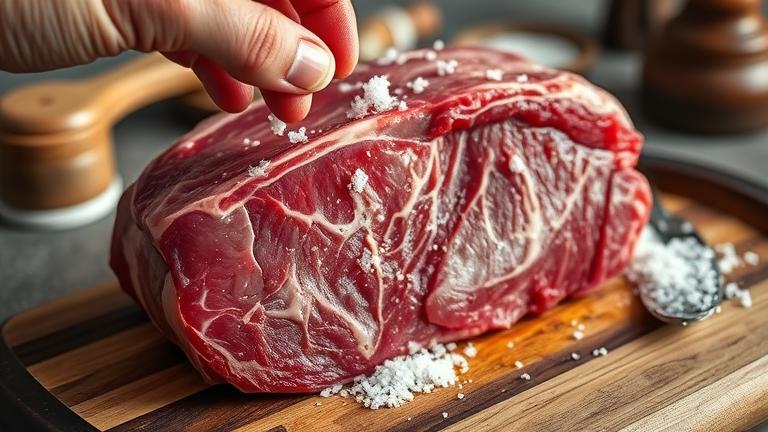
Introduction to Salt-Steak Magic
Salt transforms a simple piece of steak into a flavorful, tender, and visually appealing dish. When applied correctly, salt enhances the natural flavors of the meat by drawing out moisture and allowing the meat to reabsorb seasoning more deeply. This process results in a juicier and more flavorful steak that boasts a beautiful crust. The magic of salt in steak preparation lies in its ability to interact with meat at a chemical level, improving taste, tenderness, and texture.
Research shows that salting meat before cooking not only boosts flavor but also tenderizes through protein denaturation and coagulation. The salt facilitates the Maillard reaction during searing, creating the characteristic crispy crust. Proper salting and resting times ensure maximal flavor infusion and optimal texture, making salt-steaking a sophisticated cooking technique appreciated by culinary enthusiasts.[Source](https://testfoodkitchen.com/how-to-make-leftover-spaghetti-not-dry/)
The Science Behind Salt-Crusted Steaks
The process of salt-crusting a steak involves a series of chemical interactions that significantly improve the final dish. When salt is applied to meat, it initially pulls out moisture via osmosis. This moisture dissolves the salt, and then the reabsorption process carries seasoning into the meat fibers, enhancing internal flavor. Furthermore, salt causes the denaturation of proteins, which tenderizes the meat by breaking down muscle fibers.
The Maillard reaction is also promoted during the searing stage, thanks to salt’s influence on surface temperature and amino acid activity. This reaction is responsible for the rich, browned crust that develops on a salt-crusted steak. This complex interaction of chemical processes results in a desirable caramelized exterior and a tender, flavorful interior. Scientific research supports that pre-salting meat leads to improved taste, improved texture, and a crispy crust that elevates the overall dining experience.[Source](https://testfoodkitchen.com/how-long-does-salmon-keep-in-the-fridge/)
Selecting the Perfect Cut for Salt Steaking
Choosing the right beef cut is crucial for achieving the best salt-steak results. Focus on freshness and quality to ensure tenderness and flavor. Classic options like sirloin, ribeye, and tenderloin are ideal because of their marbling and tenderness.
A vibrant, firm cut with a bright red color and a clean smell generally indicates freshness. Avoid meat that appears dull or has a slimy surface. For an extra layer of depth and tenderness, dry aging the beef can be beneficial if you have the proper facilities. Investing in high-quality beef with good marbling will often yield juicier and more flavorful results.
Proper storage is also vital: keep the beef refrigerated at the coldest temperature and use it within a few days. Selecting high-quality beef and ensuring freshness lead to superior salt-steak dishes that are tender and full of flavor.[Source](https://testfoodkitchen.com/how-to-cook-a-steak/)
Step-by-Step Guide to Making Salt Steak
Preparing a salt steak starts with selecting a thick, tender cut such as ribeye or sirloin. Trim any excess fat to avoid flare-ups and ensure even cooking.
Generously apply coarse sea salt or kosher salt over all sides of the meat, pressing lightly to ensure adherence. For optimal flavor infusion, salt the steak at least 40 minutes before cooking or refrigerate overnight.
Preheat your grill, skillet, or broiler to high heat for a proper sear. Cook the steak to your preferred doneness, turning it once for even cooking. Use a meat thermometer to avoid overcooking.
After cooking, let the steak rest for five to ten minutes so juices redistributes. Resting enhances moisture and flavor retention. Optionally, add fresh herbs or a drizzle of olive oil for presentation.[source](https://testfoodkitchen.com/how-to-cook-a-steak/)
Variations and Flavor Infusions
Personalize your salt steak with a variety of herbs, spices, and infusion techniques to craft unique flavor profiles.
Fresh herbs such as rosemary, thyme, and basil can be incorporated into the salt mixture or used as a garnish post-cooking. Spices like smoked paprika, black pepper, garlic powder, or cayenne elevate the flavor with smoky, spicy, or savory notes.
Infusing herbs and spices into salt by letting them sit together for days allows flavors to meld deeply. Flavored salts like garlic or herb salts further enhance seasoning.
Adding citrus zest such as lemon or lime brings brightness, especially when combined with fresh herbs like cilantro or parsley.
For advanced flavor development, consider dry brining or coating the steak with spiced salt blends overnight. This method deepens flavor and adds complexity, tailoring the salt-steak to your personal palate.[Source](https://testfoodkitchen.com/how-to-make-leftover-spaghetti-not-dry/)
Serving, Pairing, and Enjoying Your Salt Steak
Presentation adds a special touch to your salt steak. Use a large, clean plate that leaves space around the meat, enhancing visual appeal.[Source](https://testfoodkitchen.com/how-to-make-leftover-spaghetti-not-dry/)
Pair the steak with reds like Cabernet Sauvignon or Malbec, whose tannins complement the saltiness. For lighter, elegant pairings, oaked Chardonnay works well with the savory richness.
Side dishes balance the main course nicely. Roasted vegetables, garlic mashed potatoes, or a crisp green salad offer contrasting textures and flavors. These sides complement the salt steak’s cherished qualities.
Garnishes such as microgreens or thin scallions can elevate the presentation. Serving the steak sliced allows juices and salt to be appreciated visually. Using an attractive platter or stylistic plating enhances the overall dining experience.[Source](https://testfoodkitchen.com/how-close-can-you-cold-smoking-meat/)
Video Demonstration of Salt Steak
Sources
- Test Food Kitchen – How Long Does Salmon Keep in the Fridge
- Test Food Kitchen – How to Boil a Steak
- Test Food Kitchen – How to Cook a Steak
- Test Food Kitchen – How to Make Leftover Spaghetti Not Dry