
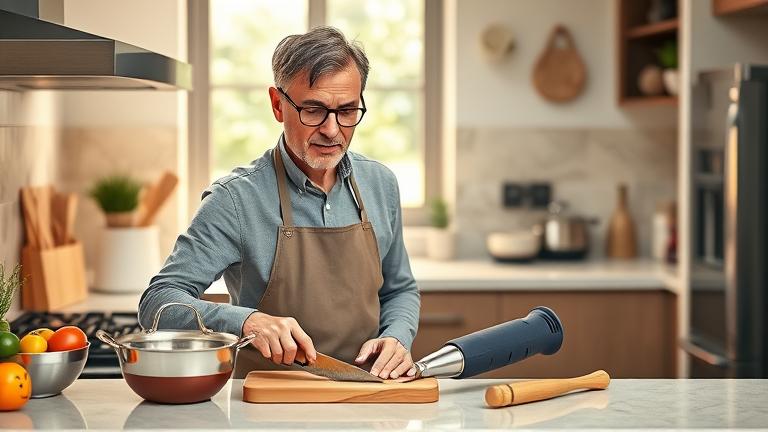
Introduction: Cooking Without Sight
Cooking without sight can seem daunting at first, but many blind individuals have shown incredible resilience and creativity in adapting their kitchens. People who are blind or have low vision develop unique techniques to prepare delicious meals safely. They often rely on their other senses, such as touch, smell, and hearing, to identify ingredients, check food doneness, and even measure quantities.
For example, many use tactile tools like measuring cups with distinct textures or mark their utensils with different patterns. Sound is also a powerful cue; listening to boiling, frying, or the sizzle of ingredients helps gauge cooking progress.
Adaptations like organized kitchens where ingredients and tools are stored in specific, consistent places make the cooking process smoother. Brightness or visual cues are replaced by these carefully planned arrangements.
Safety is crucial, so many blind cooks implement additional precautions. Using timers, stove guards, and talking appliances ensures they cook safely and independently.
In essence, cooking without sight is all about harnessing other senses, organizing carefully, and using adaptive tools and techniques. This approach not only empowers blind cooks but also enriches the culinary experience with creativity and skill.
Adaptive Tools and Technology Used in Cooking
Cooking for people with visual impairments has advanced greatly thanks to a range of adaptive tools and innovative technology. These devices help make meal preparation safer, more efficient, and more enjoyable for everyone. Whether you’re blind yourself or cooking for someone who is, knowing about these tools can truly change the kitchen experience.
One of the most popular assistive devices is the tactile or Braille-equipped measuring cups and spoons. These tools help identify measurements by touch, reducing errors and keeping the cook confident. There are also liquid level indicators that beep or vibrate when liquids reach a set level, preventing spills or overflows during pouring.
Many cooks benefit from talking or voice-activated kitchen gadgets. Smart speakers like Amazon Alexa or Google Assistant can set timers, find recipes, or answer cooking questions just by using voice commands. This hands-free approach allows cooks to focus on tasks without needing to handle buttons or screens, which can be tricky for visually impaired users.
Smart Kitchen Devices
Smart appliances are transforming the kitchen with technology that responds to voice and mobile app commands. Connected ovens, for example, can be turned on, set to specific temperatures, and monitored remotely. Some models include built-in cameras so users can check their food’s progress from their phone, making cooking more predictable and less stressful.
| Tool or Device | Function | Benefit |
|---|---|---|
| Tactile measuring tools | Identify measurements by touch | Accurate measuring without sight |
| Liquid level indicators | Alert when liquids reach desired level | Prevents spills and overflows |
| Voice-activated assistants | Set timers, ask questions, control devices | Simplifies multitasking in the kitchen |
| Smart ovens | Remote control, monitoring, and cooking programs | Safer and more consistent results |
While these tools can seem like small upgrades, they significantly enhance the cooking experience for blind and visually impaired individuals. Using a combination of tactile, auditory, and digital technology, these solutions help make the kitchen more accessible and less intimidating.
Remember, the key to successful adaptation is choosing the right tools for your specific needs. Experiment with different devices to find what works best, and don’t hesitate to seek advice from organizations specializing in adaptive technology. With the right setup, everyone can enjoy the joys of cooking safely and independently.
Tactile Techniques for Measuring and Cutting
When cooking without sight, relying on your sense of touch can dramatically improve your accuracy in measuring ingredients and making precise cuts. These tactile methods help you approach cooking with confidence and safety, ensuring your dishes turn out just right.
Start with familiarizing yourself with containers and packaging. Feel the size, shape, and weight of different jars, boxes, or bottles. This helps you gauge quantities without needing to see the labels. For dry ingredients like flour, sugar, or spices, use your hand or a measuring scoop. Scoop the ingredient, then level it off with your finger or the back of your spoon to get an accurate amount.
For liquids, use containers that have tactile markings or features. Some measuring cups have raised lines or textures you can feel to determine the level of liquid. Alternatively, you can mark your own bottles or cups with a tactile sticker or groove—so you know exactly where the right level is each time. Always hold the container steady on a flat surface to prevent spills.
Measuring Techniques Tips
- Practice consistently to better estimate measurements by touch. Over time, you’ll learn how much a certain weight or volume feels like.
- Use your fingertips to feel the level of dry ingredients in a scoop or bowl. Smooth, leveled surfaces are easier to measure.
- Label your containers with tactile markers if you cook often with the same ingredients, saving time and effort.
- When measuring liquids, tilt the container gently to see the level of the liquid through the side. Feel for any bubbles or uneven surfaces, which can affect measurement.
Cutting with Confidence
To cut ingredients precisely, develop a tactile sense of the knife and the item you’re cutting. Hold the knife firmly, feeling the blade’s weight and balance in your hand. Use your non-dominant hand to stabilize the item, feeling the edges and surface tension.
Start with visualizing the cut line by feeling the food. For example, if chopping vegetables, gently trace the outline with your fingers before cutting. Make small, controlled cuts and feel the resistance of the ingredient to determine if you are applying the right pressure.
For safety, always maintain a secure grip on your knife and use a cutting board that has a textured or rubberized bottom. This prevents slipping. Take your time and use a consistent motion, listening and feeling for improvements in your technique.
Precautions & Tips
- Always keep knives sharp. A dull blade requires more force and is harder to control.
- Use tactile markers or textured tape on your cutting boards if needed, to help position ingredients correctly.
- Practice regularly to build muscle memory and improve your tactile perception.
- Be mindful of safety by keeping fingers curled away from the blade and using slow, deliberate motions.
Mastering these tactile techniques ensures that you can measure accurately and cut with precision, even without sight. Keep practicing, and soon these methods will become second nature, making your cooking safer and more enjoyable.
Using Sound and Smell to Prepare Food
When it comes to preparing food, our senses of sound and smell can be incredibly helpful, especially for those who are blind or have limited sight. These cues can tell us if food is cooked properly, fresh, or if it’s safe to eat.
Sound plays a big role during cooking. For example, when boiling pasta or rice, you can listen for a gentle bubbling or a rolling boil. A sudden increase in noise often means your water is boiling. When frying or sautéing, the sizzle and crackle of the ingredients can indicate they’re cooking at the right temperature.
Smell is equally important. Fresh vegetables and fruits have distinctive scents that can tell you if they are ripe or spoiled. For instance, a strong, pleasant aroma usually signals freshness, while a sour or musty smell might mean they are past their prime. When baking, the comforting smell of bread or cookies can confirm that they are close to ready.
Practical Tips for Using Sound and Smell
- Listen closely while food is cooking to catch signs of boiling, bubbling, or sizzling. These cues help you know when to turn down the heat or remove the food from the stove.
- Use your nose to check for freshness and doneness. A pleasant, natural smell often indicates good quality, while off-putting odors suggest spoilage.
- Pay attention to changes in sound and scent during cooking, as these can help you adjust timing and temperature with confidence.
- Practice regularly. The more you listen and smell, the better you’ll become at judging when food is just right.
- Complement sound and smell with other cues, like touch or experience, to improve accuracy.
Remember, using your senses of sound and smell takes some practice, but it’s a valuable skill for ensuring your food is delicious and safe. Over time, you’ll develop a more intuitive understanding of your cooking, making meal prep more enjoyable and less stressful.
Safety Tips for Blind Cooks
Cooking without sight can be safe and enjoyable with a few helpful safety tips. Whether you are new to blind cooking or have been doing it for years, these simple guidelines can help you avoid accidents and stay safe in the kitchen.
1. Keep Your Kitchen Organized
Keeping your cooking space tidy is key to preventing accidents. Store utensils, pots, and ingredients in consistent, easy-to-reach places. Use labels with tactile markers or large, high-contrast markings to identify items quickly.
2. Use Assistive Devices and Tools
Tools like talking thermometers, liquid level indicators, and tactile measuring cups can make cooking safer. They help you monitor temperatures and levels without needing sight.
3. Stay Aware of Your Surroundings
Before starting to cook, take a moment to familiarize yourself with the layout. Use your hands to feel where appliances, counters, and hot spots are located.
4. Handle Hot Items Carefully
Always use oven mitts when handling hot pots and pans. Be extra cautious when pouring boiling liquids or lifting lids, as steam can cause burns.
5. Keep a Safe Distance from Sharp Tools
Store knives and scissors in designated, secure places. When using them, cut away from your body and on stable surfaces to prevent cuts.
6. Use a Timer
A reliable timer is essential to avoid overcooking or burning food. Consider a talking timer or one with tactile buttons for easy operation.
7. Inform Others About Your Cooking Session
If someone is nearby, let them know you are cooking. They can help you in case of an emergency and ensure your safety.
8. Practice Fire Safety
Never leave cooking unattended. Keep a fire extinguisher nearby and know how to use it. Make sure smoke detectors are working and within easy reach.
9. Maintain Good Ventilation
Ensure your kitchen is well-ventilated to prevent the buildup of smoke and fumes. Use exhaust fans or open windows when needed.
10. Regularly Check Equipment
Inspect your appliances and tools regularly. Ensure cords are intact and that devices work properly to prevent electrical issues.
- Remember, safety is about awareness and preparation. With these tips, you can enjoy cooking confidently and safely, no matter your vision ability.
Inspiring Stories of Blind Chefs
When we think about chefs and cooking, we often imagine sight and visual presentation as key elements. However, many blind chefs have proven that love for food, creativity, and determination can overcome any obstacle. Their inspiring stories showcase incredible achievements and a true passion for cooking that breaks all stereotypes.
One remarkable example is Christine Hà, who became the first blind contestant on the TV show MasterChef. Despite her visual impairment, Christine developed exceptional cooking skills and a refined palate. Her journey highlights how perseverance and a love for flavors can lead to success in the culinary world. Christine now runs her own restaurant and actively advocates for accessibility in cooking.
Another inspiring story is of Ludwig Van Beethoven, who, although better known as a composer, also loved cooking and experimenting with flavors. His story reminds us that even with disabilities, one can develop a deep connection with food and contribute creatively to the culinary arts.
Many blind chefs develop heightened senses of smell and taste, allowing them to create and refine recipes with a unique touch. Their stories often include overcoming challenges like learning to handle kitchen tools without sight or building confidence in a competitive environment. These chefs emphasize that adaptive techniques and a strong sense of smell and touch can replace sight in the cooking process.
Here are some tips from blind chefs that anyone can learn:
- Trust your senses — smell, taste, and touch are your best tools in the kitchen.
- Organize your workspace — keep tools and ingredients in consistent places to save time.
- Take your time — patience is key to mastering any new cooking skill.
Achievements like these show that passion and determination are powerful. Blind chefs continue to inspire many, proving that with the right attitude and techniques, anyone can excel in the kitchen. Their stories encourage us all to push beyond perceived limitations and follow our love for food.
Whether you’re a home cook or a professional bakery owner, these inspiring tales remind us that obstacles can be turned into strengths. The next time you’re in the kitchen, think of these brave chefs and their extraordinary journeys. Their love for cooking is a testament to the fact that everyone can create something beautiful and delicious, regardless of sight.
Tips for Supporting Blind Cooks in the Kitchen
Supporting blind cooks in the kitchen involves creating a safe, accessible, and encouraging environment. Whether you’re a friend, family member, or coworker, your support can greatly help them cook confidently and independently. Here are some practical tips to assist effectively and respectfully.
1. Always Ask Before Offering Help
It’s important to ask if they need assistance before jumping in. Some blind cooks prefer to work alone and might find unsolicited help disruptive. Others may appreciate guidance, especially with unfamiliar tasks. Respect their independence by listening to what they prefer.
2. Use Clear, Descriptive Language
Instead of vague instructions like, “Over there,” provide specific details. For example, say, “The salt shaker is on your right, next to the pepper.” This helps them navigate the kitchen more easily and reduces confusion or accidents.
3. Keep the Kitchen Organized and Consistent
Store frequently used items in predictable places. Use familiar containers and arrange tools so they are always in the same spot. This consistency helps blind cooks find what they need quickly and safely without searching or guessing.
4. Implement Tactile Markers and Labels
Use textured stickers or raised markers on appliances and containers to help identify them by touch. Braille labels or tactile cues on switches, ovens, or jars can make a big difference in usability and safety.
5. Improve Lighting and Contrast When Possible
If the cook has residual vision, ensure the kitchen has bright lighting and good contrast. Using contrasting colors for counters, cutting boards, or appliance handles can make it easier to see what’s needed.
6. Be Patient and Positive
Cooking can be challenging at times for blind individuals. Offer reassurance and celebrate their successes to build confidence. Patience goes a long way in making the experience enjoyable and encouraging.
7. Share Safety Tips
| Safety Tip | Details |
|---|---|
| Hot Surfaces | Warn about stove burners or oven heat zones. Use pre-cut oven mitts or heat-resistant tools. |
| Sharp Objects | Store knives safely and encourage the use of guide grips or hands-free cutting tools. |
| Spills and Clutter | Keep walkways clear and clean up spills promptly to prevent falls or slips. |
Educate yourself on these safety measures so you can appropriately support and intervene if needed. By understanding hazards and how to avoid them, you help ensure a safe cooking environment.
8. Offer Support with Kitchen Tools
Assist with selecting adaptive tools that suit their needs, like tactile timers, ergonomic utensils, or talking kitchen gadgets. Explaining how these tools work or demonstrating their use can improve safety and confidence.
Supporting blind cooks starts with respect and clear communication. Your patience, organization, and willingness to learn can turn the kitchen into a place of independence and joy for everyone. Remember, each person’s preferences are unique, so ask, listen, and adapt your support accordingly.