
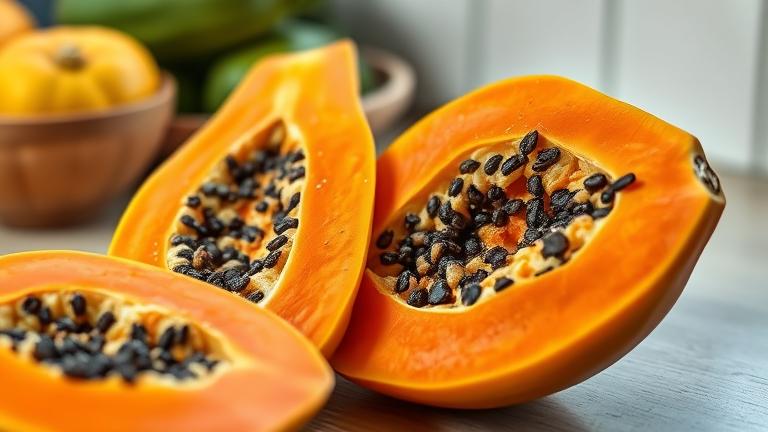
Signs Your Papaya Is Ripening Properly
Knowing when your papaya is ripening correctly can make a significant difference in achieving the best flavor and texture. A ripe papaya is sweet, juicy, and tender, making it perfect for eating on its own or incorporating into various recipes. Keep an eye out for these key signs to ensure your fruit is at its prime.
First, observe the color of the papaya. When it’s just beginning to ripen, the skin usually has a predominantly green hue. As it ripens, you will notice a transition to yellow or orange shades, especially around the stem area and on the surface. Don’t expect a perfectly bright orange fruit immediately; some green may remain, but overall, the color should appear warmer and more vibrant.
Next, check the texture of the skin. A ripe papaya will feel slightly soft when gently pressed with your fingers. If the skin feels very hard, it’s not ripe yet. Should you press and find it mushy or with an indentation, it might be overripe. Aim for gentle give that indicates softness without being overly squishy.
The aroma of the papaya also provides useful clues. A ripening papaya emits a sweet, fruity scent near the stem area. If you pick it up and notice a pleasant, tropical fragrance, it’s a good sign that the fruit is ripening. Conversely, a sour or alcoholic smell could suggest the fruit is overripe or fermenting, so use your judgment based on the aroma.
Another helpful indicator is to look for small blemishes or dark spots on the surface. A few minor blemishes can be normal and won’t impact taste, but large dark patches or wrinkles may mean the papaya is overripe. Conversely, an unblemished surface with slight pliability suggests it’s just ripe and ready to enjoy.
Timing can also be a useful guide, especially if you purchase unripe papayas. Typically, these fruits take about 2 to 5 days at room temperature to fully ripen. To speed up ripening, place the papaya in a paper bag. This traps ethylene gas released by the fruit, which accelerates the process. Be sure to check it daily to prevent overripening.
Finally, trust your senses and experience. As you handle more papayas, you’ll become better at judging their ripeness. Remember that the ideal stage for eating is when the fruit is sweet, fragrant, and slightly soft. Planning your purchase or harvest accordingly ensures your papaya reaches this stage just in time for enjoying it at its best.
How to Spot Spoiled or Overripe Papaya
When shopping for a ripe papaya or trying to determine if the one in your fruit bowl is still good, it helps to recognize the signs of spoilage. Fresh, healthy papayas are sweet, juicy, and vibrant in appearance. However, sometimes they spoil or become overripe before you get the chance to enjoy them. Knowing what to look for can help you avoid waste and ensure you only consume the best.
Start by examining the color of the papaya. Ripe papayas generally have skin that’s mostly yellow or orange, sometimes with a touch of green. If the entire fruit is turning black or very dark, it may be overripe or spoiled. Note that some varieties naturally have darker skin, so consider the typical coloration of the specific type you buy.
Next, inspect the surface. A healthy papaya has smooth, firm skin. Large, soft spots can indicate the fruit is overly ripe or beginning to decay. Small blemishes are usually normal, but deep, sunken areas are warning signs. Be cautious if the skin appears shriveled or wrinkled, as this suggests the fruit has dried out or is past its prime.
Touch also provides vital clues. Gently press the surface; it should yield slightly but not feel mushy or overly soft. If it feels very soft or leaves an indentation, the papaya might be overripe. An overly soft or mushy texture, sometimes with a little juice oozing out, indicates the fruit is breaking down inside.
Checking for Bad Smells and Signs of Decay
A spoiled papaya often has an unpleasant, sour smell instead of the typical sweet, fruity aroma. If you detect a strong, foul scent, it’s better to discard the fruit. Also, look for visible mold or dark spots that are fuzzy, peeling, or spreading. Such mold spots are signs of microbial growth and imply the fruit has gone bad.
Other Clues and Tips
- Inspect the stem area: If the stem is brown or black and appears dried out, the fruit might be overripe or starting to spoil.
- Check for leaks: If the papaya leaks a sticky, syrupy liquid, it could be overripe or infected.
- Feel the firmness: An overly soft or mushy papaya is likely past its prime, but some softness is normal for very ripe fruit.
Remember that some softness and minor blemishes are normal as the papaya ripens. However, if you notice any signs of spoilage or overripeness, it’s safer to choose a different fruit. Trust your senses—visual cues, touch, and smell—to make the best decision for your health and taste experience.
Best Storage Tips to Keep Papayas Fresh
Storing papayas properly can be straightforward if you follow some practical tips. Whether you’ve just bought ripe papayas or want to extend their freshness, proper handling makes a big difference. Fresh papayas are juicy and sweet but can spoil quickly if not stored correctly.
First, understand the ripeness of your papayas. Ripe ones typically have a golden-yellow skin and feel slightly soft when gently pressed. Underneath, underripe papayas are mostly green and firm. Recognizing this helps you decide whether to refrigerate immediately or let it ripen at room temperature first.
Storage Methods for Ripe Papayas
- Refrigerate to prolong freshness. Store ripe papayas in the refrigerator if you plan to eat them within a few days. Wrap the fruit loosely with plastic wrap or place in a sealed container to prevent moisture loss and absorption of other odors.
- Use or cut promptly. Once cut, papaya becomes more vulnerable to spoilage. Store cut pieces in an airtight container and refrigerate. Consume within 2 to 3 days for the best flavor and quality.
Handling Underripe Papayas
If your papaya is underripe, leave it at room temperature until it ripens fully. You can place it on a countertop or put it in a paper bag to speed up ripening. Check daily for color change and softness. When it turns yellow and feels slightly soft, it’s ready to refrigerate or enjoy.
Tips for Proper Storage
- Avoid stacking ripe papayas with other fruits. Papayas produce ethylene gas, which can accelerate ripening and spoilage of nearby produce.
- Check regularly for bruises or soft spots. Remove any damaged fruit promptly to prevent spoilage from spreading.
- If you have many ripe papayas, consider freezing some. Peel and cut into chunks, then store in airtight containers or freezer bags. Frozen papaya is ideal for smoothies and can last several months.
- Handle papayas gently. Dropping or squeezing too hard can cause bruises that lead to faster spoilage.
Quick Storage Summary
| Ripeness | Storage Method | Duration |
|---|---|---|
| Ripe | Refrigerate in sealed container or wrap loosely with plastic | Up to 5 days |
| Underripe | Room temperature for ripening | Several days, depending on ripeness level |
| Cut | Airtight container in fridge | 2 to 3 days |
| Frozen | Freezer in airtight bags or containers | Up to 6 months |
Following these storage tips will help your papayas stay fresh, flavorful, and ready to enjoy whenever you like. Proper handling not only minimizes waste but also ensures you get the best taste from this tropical fruit.
Health Risks of Eating Bad Papaya
Consuming spoiled or overripe papaya can pose several health risks. It’s important to recognize the signs that the fruit is no longer safe to eat. Although papaya is a nutritious fruit packed with vitamins and enzymes, eating bad or spoiled ones can lead to health problems.
As papaya begins to spoil, harmful bacteria, molds, or yeasts can develop on or inside the fruit. Eating a bad papaya might cause symptoms such as stomach cramps, diarrhea, nausea, or vomiting. In some cases, these symptoms are mild, but they can also lead to dehydration or more serious infections, especially in vulnerable individuals.
Signs of Spoiled Papaya
- Unpleasant smell: A sour, fermented, or off aroma indicates the fruit has gone bad.
- Discoloration: Dark spots, mold, or a slimy appearance on the skin or flesh suggest spoilage.
- Texture changes: Mushy, sticky, or slimy flesh indicates it’s no longer fresh.
- Taste: A sour or bitter flavor is a sign of fermentation or spoilage.
Why Overripe or Spoiled Papaya Can Be Dangerous
While a slightly overripe papaya may still be edible, once it begins to spoil, the risk of foodborne illnesses increases. Bacteria like Salmonella or E. coli can grow on the fruit, especially if it’s been left at room temperature for too long.
Additionally, mold can produce mycotoxins, which are harmful substances capable of causing allergic reactions or poisoning if ingested. Eating moldy papaya may also cause respiratory issues or gastrointestinal discomfort. If mold is present, it’s safest to discard the fruit rather than cut off the moldy parts.
Prevention Tips
- Inspect the fruit thoroughly before eating. Look for the signs of spoilage described above.
- Store unripe or ripe papayas in the refrigerator if you’re not eating them immediately. Keep them in a breathable bag or container.
- Consume the fruit within a few days of ripening, particularly if stored at room temperature.
- Wash the fruit thoroughly before cutting to remove any bacteria or dirt on the surface.
Conclusion
It’s essential to recognize when papaya has gone bad to avoid health issues. Always rely on your senses—smell, sight, and touch—when inspecting fruit. Remember that eating spoiled fruit can cause stomach upset or more severe illnesses. When in doubt, it’s safer to discard questionable papaya and opt for fresh, healthy pieces instead.
Fast Ways to Check Papaya’s Freshness
When selecting a papaya, you want to ensure it’s fresh and ripe for optimal enjoyment. Fortunately, quick and simple tests can help you determine the freshness of your fruit. These methods help you avoid purchasing or consuming a papaya that isn’t quite ripe or has started to spoil.
Begin by examining the skin. A ripe papaya typically has bright orange or yellow skin. If it’s still mostly green, it might not be fully ripe yet. Small patches of green are acceptable if the rest of the fruit is vibrant. Avoid papayas with dark, mushy spots or large blemishes, as these can be signs of overripeness or spoilage.
Next, gently press the surface with your fingers. A ripe papaya should yield slightly but shouldn’t feel too soft or squishy. If it’s very soft or leaves an indentation, it might be overripe or starting to rot. If it’s very firm, it probably needs a few more days at room temperature to ripen fully.
Smell the fruit near the stem. A fresh papaya will have a sweet, fruity aroma. If there’s no scent, it may not be ripe yet. Conversely, a sour, musty, or fermented smell indicates spoilage, so avoid eating it.
When you cut the papaya open, examine the flesh. It should be bright orange and moist. Dark spots, mold, or dull-looking seeds point to spoilage. The seeds should be shiny and firm; dried out or blackened seeds indicate the fruit is past its prime.
You can also use this quick checklist:
- Color: Bright orange or yellow skin
- Touch: Slightly soft but not mushy
- Smell: Sweet and fruity
- Inside: Bright orange flesh, free of dark spots or mold
Remember, ripeness levels vary depending on your intended use—for salads or smoothies, fully ripe and soft is ideal; for cooking, slightly firmer can be perfect. Using these rapid tests, you can confidently select a fresh, flavorful papaya and enjoy its tropical goodness at its best.