
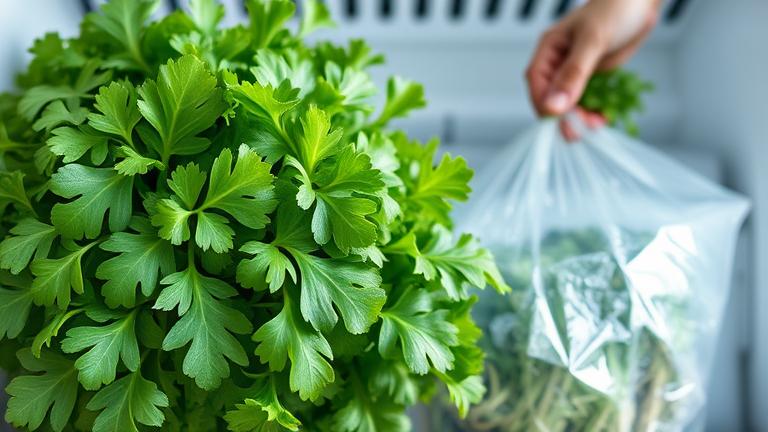
Can You Freeze Arugula Without Blanching?
You might wonder if you can freeze arugula without blanching it first. Blanching is a quick boiling process that helps preserve the color, texture, and flavor of many vegetables, but it’s not always necessary with herbs and leafy greens like arugula. In fact, many home cooks prefer to skip blanching to save time and keep things simple. So, yes, you can freeze arugula without blanching, but there are some important tips to keep in mind to do it successfully.
If you decide to freeze arugula without blanching, the main advantage is that it’s faster and requires fewer steps. Plus, you retain more of the fresh flavor and nutrients that might be lost during the blanching process. However, there are some potential drawbacks, such as the risk of freezer burn or texture changes. Arugula has delicate leaves that can become limp or darken when frozen without proper preparation.
Here are some practical tips to help you freeze arugula without blanching while maintaining its quality:
- Wash and dry thoroughly: Rinse the arugula leaves under cold water to remove dirt and grit. Use a salad spinner or pat dry with paper towels to remove excess moisture. Freezing with extra water can lead to ice crystals and soggy leaves.
- Chop or leave whole: Decide whether to freeze arugula as whole sprigs or chopped. Chopping into smaller pieces makes it easier to use later, but keep in mind that chopped leaves may freeze more loosely.
- Flash freeze first: Spread the prepared arugula in a single layer on a baking sheet lined with parchment paper. Place it in the freezer for about 1-2 hours until the leaves are frozen solid. This prevents clumping together.
- Store properly: Transfer the frozen arugula into airtight freezer bags or containers. Remove as much air as possible to prevent freezer burn. Label with the date so you know how long it has been stored.
Frozen arugula can last about 8 to 12 months in the freezer, but for the best flavor and texture, try to use it within six months. Keep in mind that once thawed, arugula tends to be more suitable for cooked dishes like soups, stews, or sautés rather than raw salads, as the texture may be softer.
While skipping blanching is convenient, it’s still helpful to consider your intended use. If you want crisp, fresh-tasting arugula for salads, blanching might be better. But for cooked recipes, freezing without blanching is a quick and effective option that works well for most home cooks.
Tips for Freezing Greens Successfully
Freezing greens like arugula is a great way to keep them fresh for future use. With the right techniques, you can preserve their flavor, color, and texture so they taste just as good when you’re ready to eat them. Here are some practical tips to help you freeze greens successfully.
First, always choose fresh, healthy greens. Avoid leaves that are wilted, discolored, or damaged. The fresher your greens are at the start, the better they will hold up after freezing. Give them a quick rinse under cold water to remove dirt and grit. Use a gentle swirl to wash the leaves, then lay them out on paper towels or a clean kitchen towel to dry thoroughly. Excess moisture can cause freezer burn or make the greens turn mushy.
Once your greens are dry, consider whether you want to freeze them whole, chopped, or in smaller pieces. Chopping can make them easier to use straight from the freezer later. To prevent clumping, spread the greens out on a baking sheet lined with parchment paper and freeze for about one to two hours. This step, called flash freezing, helps keep the leaves separate, so you can take out only what you need later.
After flash freezing, transfer the greens into airtight containers or freezer bags. Remove as much air as possible from the bags before sealing. You can use a straw to suck out extra air or press the bag flat to push out all the air. Label each bag with the date so you know when you froze them. This helps you keep track of freshness and use older greens first.
For best quality, try to use frozen greens within 8 to 12 months. While they are safe to eat beyond this time, their flavor and texture can decline. Keep your freezer at 0°F (-18°C) or lower to maintain optimal freshness.
- Tip: Freeze greens in portion-sized bags so you can thaw only what you need.
- Tip: Blanch tougher greens like kale before freezing. Blanching involves boiling for a minute, then cooling in ice water. This helps preserve color and nutrients.
- Tip: Avoid refreezing greens once they have been thawed, as this can degrade quality and increase food safety risks.
By following these simple steps, you’ll be able to enjoy your greens long after harvest or purchase. Proper freezing helps retain their taste, nutrients, and vibrant color, making every meal even more delicious. Whether you’re adding frozen arugula to salads, pastas, or smoothies, these tips ensure you get the best out of your greens every time.
Preserving Arugula’s Flavor and Freshness
Arugula is a fresh, peppery green that adds a punch of flavor to salads, sandwiches, and more. To enjoy its vibrant taste even when it’s not in season, it’s helpful to learn how to preserve arugula properly. There are several ways to keep its flavor and crunch intact, from simple storage tips to freezing techniques.
Start by choosing fresh, healthy arugula when you buy or harvest it. Look for bright green leaves without signs of wilting or browning. The better the quality at the start, the longer it will stay fresh once stored. Proper handling from the beginning makes a big difference in preserving its natural flavor.
Storing Arugula in the Refrigerator
The simplest way to keep arugula fresh is by storing it correctly in your fridge. First, gently wash the leaves under cold water to remove any dirt or debris. Be careful not to bruise or crush the leaves during washing.
After rinsing, dry the arugula thoroughly. Excess moisture can cause it to spoil quickly. Use a salad spinner or pat the leaves gently with a clean towel. Once dry, place the arugula in a plastic or glass container lined with paper towels. The towels will absorb extra moisture, helping the greens stay crisp.
Seal the container or cover it loosely with a plastic bag. Keep it in the crisper drawer, which is designed to maintain a slightly higher humidity level ideal for greens. Check the arugula every couple of days and replace the paper towels if they become damp.
Freezing Arugula for Long-Term Use
If you have a large batch of arugula or want to keep it for months, freezing is a good option. Unlike lettuce or other tender greens, arugula freezes well if prepared correctly. Here’s how to do it:
- Wash and dry the arugula thoroughly. Removing all excess moisture prevents ice crystals from forming, which can damage the leaves.
- Chop the arugula into manageable pieces if you prefer. This makes it easier to use later in cooking.
- Blanch the leaves by dropping them into boiling water for about 30 seconds. This step helps preserve the flavor and color while killing bacteria.
- Immediately transfer the arugula to a bowl of ice water to stop the cooking process. Let it sit for a few minutes until cooled.
- Drain the leaves well and pat dry with clean towels or paper towels. Removing moisture is key to avoiding freezer burn.
- Place the prepared arugula in airtight freezer bags or containers. Remove as much air as possible to prevent freezer burn and preserve flavor.
- Label the package with the date. Freeze the arugula flat to save space and prevent clumping.
Frozen arugula works best in cooked dishes like soups, stews, or sautés. It won’t have the same crisp texture as fresh but retains its spicy flavor in recipes.
Additional Tips for Preserving Arugula
- Limit washing until right before use. Excess moisture during storage accelerates spoilage.
- Use flexible silicone bags for freezing to maximize space and minimize air exposure.
- Don’t overcrowd the fridge or freezer, as proper airflow helps maintain freshness.
- Try dry storage in a breathable produce bag or perforated container for short-term storage if you plan to use arugula quickly.
With these simple storage and freezing techniques, you can enjoy the peppery flavor of arugula long after its peak season. Proper handling and storage are key to keeping your greens fresh, flavorful, and ready for your favorite dishes.
Best Methods for Freezing Leafy Greens
Freezing leafy greens like arugula is a great way to enjoy fresh flavors even when they are out of season. The right freezing method helps preserve their taste, texture, and nutritional value. Here, we’ll explore some of the most effective techniques to freeze leafy greens and see which ones work best for arugula.
The main goal when freezing leafy greens is to maintain their freshness while preventing freezer burn or mushiness. Different methods have their own advantages, so choosing the right one depends on how you plan to use the greens later. Let’s look at some popular options.
Blanching and Freezing
This is the most recommended method for leafy greens, including arugula, especially if you want to keep their nutrients and flavor intact. Blanching involves briefly boiling the greens, then quickly cooling them in ice water. This process stops enzyme actions that cause spoilage and helps preserve color and texture.
To blanch and freeze arugula:
- Wash the arugula thoroughly to remove dirt or grit.
- Remove thick stems if desired, but leaves can be frozen whole.
- Bring a pot of water to a boil. Prepare a bowl of ice water nearby.
- Submerge the greens in boiling water for about 30 seconds to 1 minute. For arugula, a quick dip works well because it’s delicate.
- Immediately transfer the greens into the ice water to stop cooking. Leave them for the same time as blanching.
- Drain well and gently pat dry or use a salad spinner to remove excess moisture.
- Spread the greens on a baking sheet in a single layer. Freeze until solid—this prevents clumping.
- Transfer the frozen greens to airtight freezer bags or containers. Remove as much air as possible before sealing.
This method keeps the greens fresh and prevents freezer burn. When ready to use, just grab the amount you need and add directly to dishes. Keep in mind that blanched greens may be a little softer when thawed, making them perfect for cooked recipes like soups or sautés.
Puree and Freeze
Another option is to puree leafy greens like arugula with a tiny bit of water or olive oil. This is useful if you want to add greens easily to smoothies, sauces, or pasta dishes later. Simply process the greens until smooth, then pour into ice cube trays.
Once frozen, transfer the cubes to a sealed container or bag. This method allows you to defrost small portions quickly and use them directly in recipes. Keep in mind that pureed greens are not ideal for salads once thawed, as they become quite soft.
Fresh Freezing Without Blanching
While blanching is preferred for longer storage, some home cooks skip it to save time. You can wash and dry the greens thoroughly, then place them in airtight bags. Seal tightly, removing all air to prevent freezer burn. However, this method may lead to a shorter shelf life and slightly more loss of flavor and nutrients.
If you choose to freeze greens without blanching, plan to use them within a few weeks. They are best suited for cooked recipes, as raw salads will lose crispness.
Summary Tips
- Always wash leafy greens well before freezing.
- Removing thick stems can prevent water from turning soggy.
- Use airtight containers or freezer bags and squeeze out air for best results.
- Label and date the packages, so you know how long they’ve been in the freezer.
- Try to use frozen greens within 6-8 months for optimal flavor and nutrition.
Choosing the right freezing method depends on how you like to use your greens later. Blanching leaves them in the best shape for cooked dishes, while pureeing offers convenience for smoothies and sauces. With these tips, you can keep arugula and other leafy greens fresh and delicious all year round.
How to Use Frozen Arugula Later
Frozen arugula is a convenient way to have this spicy green on hand whenever you need it. While it might seem tricky to use after freezing, with a little know-how, you can get the most flavor and freshness from it. Whether you’re adding it to salads, soups, or pasta dishes, frozen arugula can be a versatile ingredient.
First, it’s important to understand that frozen arugula is best used in cooked dishes. When you freeze arugula, its delicate leaves can become soggy or lose some of their crispness. But don’t worry—this doesn’t mean it can’t add great flavor to your meals. It works especially well in warm dishes where texture isn’t the main focus.
How to Prepare Frozen Arugula for Cooking
Before adding frozen arugula to your recipes, you should thaw it. There are a couple of simple ways to do this:
- Quick thaw: Place the frozen arugula in a colander and run it under cold water. Use your hands to gently squeeze out excess water. This helps remove extra moisture that can water down your dish.
- Slow thaw: Transfer the frozen arugula to a bowl and leave it in the refrigerator for a few hours or overnight. This method is gentler on flavor and texture, making it ideal for salads or wraps.
Once thawed, give the arugula a quick taste test. If it’s a little watery, drain any excess liquid to prevent your dish from becoming soggy.
Best Ways to Use Frozen Arugula
Here are some practical and tasty ideas for incorporating frozen arugula into your cooking:
- Soups and stews: Stir frozen arugula into hot soups or stews during the last 5 minutes of cooking. It adds a peppery flavor and vibrant color, boosting the dish’s flavor profile.
- Pasta dishes: Toss thawed arugula into hot pasta with olive oil, garlic, and cherry tomatoes. The heat will gently wilt the greens, creating a fresh, spicy topping.
- Omelets and scrambled eggs: Mix small amounts into eggs before cooking or sprinkle on top just before serving for a burst of peppery flavor.
- Pizza topping: Spread thawed arugula over a cooked pizza. It adds a fresh, spicy note that pairs well with cheese and cured meats.
Avoid using thawed arugula raw in salads if it’s been frozen since it can be mushy and less appealing in cold dishes. Instead, focus on warm or cooked recipes to maximize flavor and texture.
Tips for Maximizing Shelf Life and Flavor
- Storage: Keep frozen arugula in an airtight container or freezer bag. Remove as much air as possible before sealing to prevent freezer burn.
- Labeling: Mark the date on the package. Frozen arugula is best used within 8 to 12 months for optimal flavor and quality.
- Preventing flavor loss: Avoid refreezing thawed arugula. Use only what you need to keep the flavor fresh.
- Flavor boosting: Add lemon juice, garlic, or a dash of olive oil when cooking with frozen arugula to enhance its peppery punch.
With these tips, frozen arugula can be a handy ingredient in your kitchen. It’s a great way to enjoy the flavor and health benefits of arugula year-round, even when fresh isn’t available.