
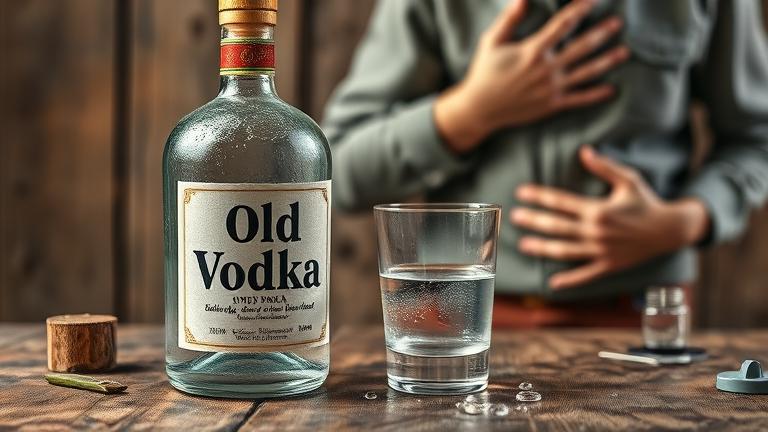
Does Old Vodka Still Make You Sick?
Many people wonder if drinking old or expired vodka can lead to illness. If you’ve found a bottle of vodka tucked away in your cabinet that’s been there for years, you might ask: is it safe to drink? The good news is that vodka, thanks to its high alcohol content, is quite stable and doesn’t spoil easily. But there are a few things to consider before pouring a glass from an old bottle.
First, it’s important to understand how vodka ages. Unlike wine or beer, vodka doesn’t mature or improve over time. Once bottled, it stays pretty much the same unless it’s been exposed to air or contaminants. When properly stored — in a cool, dark place and tightly sealed — vodka can last indefinitely without going bad or becoming dangerous to drink. So, in most cases, an old bottle of vodka won’t make you sick just because it’s been sitting there for years.
However, there are a few safety concerns to be aware of. Over time, the quality of the vodka might degrade. If the bottle has been opened and not resealed properly, it could have been exposed to air, which might lead to evaporation or contamination. This doesn’t usually make it harmful but can change its taste and aroma. If you notice a strange smell, discoloration, or cloudiness, it’s better to avoid drinking it.
Another factor is the bottle itself. Glass bottles are generally very good at preserving the contents, but if the seal breaks or the cork deteriorates, bacteria or mold could potentially enter. While this is rare, especially if the bottle appears clean, it’s wise to inspect it before pouring a shot.
For unopened bottles, the risk is minimal. Just check for any signs of leaks or damage. If the label is faded or the liquid looks cloudy or has particles floating in it, it might be best to toss it out. If it’s a sealed bottle that’s been stored in proper conditions, drinking it years later shouldn’t cause illness.
Tips for safely enjoying your old vodka
- Always inspect the bottle before opening. Look for cracks, leaks, or broken seals.
- Sniff the contents once opened—if it smells sour, musty, or off, don’t drink it.
- Pour a small amount first to check the taste and appearance for any unusual changes.
- If the vodka has been exposed to sunlight or has developed a strange color or cloudiness, discard it.
In summary, most vodka remains safe to drink long after its purchase date as long as it has been stored properly and shows no signs of spoilage. While it may not taste quite as fresh, it won’t usually cause you to get sick. If you’re ever unsure, your best bet is to trust your senses—if it smells or looks strange, it’s better to be safe and discard it. Enjoy your vodka responsibly, no matter how long it’s been sitting around!
Risks of Drinking Expired Vodka
Many people wonder if it’s safe to drink vodka after its expiration date. While vodka is known for its long shelf life, drinking it past its prime can sometimes pose risks. Understanding these dangers can help you decide whether to pour that old bottle or toss it out.
Over time, even an alcoholic beverage like vodka can change in ways that affect its safety and quality. One common issue is chemical changes that occur when the alcohol interacts with the container or environment. For example, if the vodka isn’t stored properly, it can develop off-flavors or unpleasant smells. These changes don’t always mean it’s unsafe, but they can make the drink less enjoyable.
Another important risk is contamination. If the bottle has been opened for a long time, it might have been exposed to bacteria or mold that can find their way inside. Although alcohol is a good preservative, it isn’t completely immune to contamination, especially if the seal was compromised. Drinking contaminated vodka can lead to stomach discomfort or food poisoning, which is why it’s crucial to be cautious.
Taste degradation is also common with expired vodka. Over time, the flavor can become flat or strange. Sometimes, you might notice a sour odor or a bitter aftertaste. While these changes don’t always mean the vodka is dangerous, they make the drinking experience less pleasant. If the vodka smells odd or has visible particles or discoloration, it’s best to avoid drinking it.
It’s worth mentioning that most commercially bottled vodka can last for many years if stored properly. Keep the bottle sealed and in a cool, dark place. Once opened, try to finish the bottle within a year for the best flavor and safety. If vodka is exposed to sunlight or heat, it can degrade faster, increasing the risk of unwanted chemical reactions.
One common mistake is to assume that all spirits are safe indefinitely. Even though vodka has high alcohol content that helps preserve it, it isn’t entirely resistant to quality changes over time. Older bottles stored improperly are more likely to develop issues.
Here are some tips to stay safe:
- Check for unusual smells or discoloration before drinking.
- If the seal is broken or the bottle looks compromised, consider tossing it.
- Store vodka in a cool, dark place away from direct sunlight.
- Don’t drink vodka that has been open for several years, especially if taste or appearance has changed.
In summary, while drinking expired vodka might not always be dangerous, it’s better to be cautious. Chemical changes, contamination, and taste issues are real risks. When in doubt, trust your senses — smell, look, and taste — and remember that safety comes first to avoid any unpleasant surprises.
How To Tell If Your Vodka Is Bad
Getting spoiled vodka is rare, but it can happen, especially if it’s been stored improperly or kept for a long time. Knowing how to tell if your vodka has gone bad helps you avoid bad tasting drinks or potential health risks. Fortunately, most signs of spoiled vodka are easy to spot with a quick inspection.
The first thing to check is the smell. Fresh vodka should have a clean, neutral aroma. If it smells sour, off, or has a strange chemical note, it might be spoiled. Sometimes, mold or a pungent odor can develop if it has been exposed to moisture or contaminants. If your vodka smells unusual, it’s best to discard it.
Next, look at the appearance. Pour a small amount into a clear glass and examine it closely. If you notice any cloudiness, floating particles, or sediment, it could be a sign that the vodka has degraded or been contaminated. Pure vodka is usually clear and transparent; any change in clarity suggests it might not be safe to drink.
Of course, taste is a reliable indicator too. When tasting a small sip, expect a clean, smooth flavor. If the vodka tastes sour, bitter, or differently from what you remember when it was fresh, it’s a good idea to toss it out. Do not swallow if the taste seems off, as this could indicate spoilage.
Storage conditions play a crucial role in keeping vodka fresh. Always keep vodka in a tightly sealed bottle, in a cool, dark place away from direct sunlight and temperature fluctuations. Excess heat or sunlight can break down alcohol and cause changes in taste and appearance. Also, avoid storing vodka near strong-smelling items like cleaning supplies or spices, as it can absorb odors over time.
Some additional tips to keep in mind:
- If your vodka has been open for many years, inspect it carefully before drinking.
- Never drink vodka that has developed a strange odor or appearance.
- Check the bottle for signs of leaks or damage, which could have introduced contaminants.
Always trust your senses and common sense. If something about your vodka seems off, it’s safest to throw it away and get a fresh bottle. Proper storage and regular checks can help ensure your favorite spirits stay in good shape for a long time.
Tips for Safely Drinking Old Alcohol
Enjoying old vodka can be a fun experience, especially if you’ve stored it well and want to revisit a favorite bottle. However, drinking old alcohol requires some care to ensure it remains safe and tastes good. In this section, you’ll find simple tips on how to handle, store, and check your aged vodka properly.
1. Proper Storage Is Key
To keep your vodka in good condition, store it in a cool, dark place away from direct sunlight. Light and heat can break down the alcohol over time, changing its flavor and possibly reducing its safety. Keep the bottle sealed tightly to prevent evaporation and contamination. If you have an open bottle, try to finish it within a year for the best quality.
2. Check the Bottle and Seal
Before pouring a glass, examine the bottle carefully. Look for any signs of damage or leaks in the seal. Seals that are broken or missing may indicate the bottle was exposed to air, which can spoil the alcohol or introduce bacteria. If the bottle has a strange smell or cloudy appearance, it’s best to skip drinking it.
3. Observe Color and Clarity
Old vodka should look clear and colorless. If you notice any discoloration, sediment, or cloudiness, it might be a sign that the alcohol has gone bad. Conversely, small particles or cloudiness can sometimes develop naturally over time but should be minimal. When in doubt, it’s safest to discard it.
4. Smell Before Drinking
Give the vodka a quick sniff before pouring. Fresh vodka has a clean, neutral scent. If you detect any sour, musty, or off-putting odors, do not consume it. A bad smell often indicates bacterial growth or spoilage.
5. Taste Test Carefully
If everything looks and smells fine, take a small sip first. Notice if the flavor is normal or if it has taken on a weird or unpleasant taste. If it tastes sour, bitter, or strange in any way, it’s best to toss it out. Never force yourself to drink alcohol that doesn’t seem right.
6. Drink Responsibly and Moderately
Even if your old vodka is safe to consume, drink it in moderation. The potency may be the same, but older alcohol can sometimes have a different effect on your body. Remember, moderation helps prevent unwanted effects and keeps your experience enjoyable.
7. When in Doubt, Throw It Out
If you’re unsure about the safety or quality of your old vodka, it’s better to err on the side of caution. Consuming spoiled alcohol can lead to stomach upset or other health issues. When your instincts tell you something’s off, it’s time to discard the bottle and open a fresh one instead.
- Always store vodka upright to minimize oxidation and evaporation.
- Avoid opening bottles that show signs of damage or cloudiness.
- Use clean glasses each time to prevent contamination.
Myths and Facts About Old Vodka
Many people wonder if old vodka can still be enjoyed or if it’s best to toss it out after a certain time. There are quite a few misconceptions surrounding aged spirits, especially vodka, which is often thought to have a long shelf life. In this section, we’ll clear up some common myths and share the facts so you can make informed decisions about your vodka storage and consumption.
Myth 1: Old vodka goes bad or becomes unsafe to drink
This is a very common belief. Unlike perishable foods, spirits like vodka don’t really spoil in the traditional sense. Vodka is a distilled spirit with a high alcohol content, usually around 40 percent. This alcohol acts as a preservative, preventing bacteria and mold from growing.
If sealed properly and stored in a cool, dark place, vodka can last indefinitely without going bad. However, if the bottle is opened and left open for a long time, it might evaporate slightly or develop a dull flavor due to contact with air. But it generally remains safe to drink.
Myth 2: Old vodka loses all its flavor and becomes Tasteless
Many believe that over time, vodka loses its flavor and becomes flat or bland. While vodka is often characterized by its clean, neutral taste, it still retains subtle flavors if it was flavored or high-quality from the start.
Once opened, vodka might experience a slight change in aroma or taste because of exposure to air, but the core spirit remains fairly consistent. If the bottle has been stored properly, the vodka will usually taste just as good as when it was first bottled. An old but well-stored bottle can still be perfectly enjoyable.
Myth 3: Older vodka is more valuable or better quality
Some think that aging vodka improves its quality, like whiskey or wine. But this is not true for most vodka brands. Unlike wines or spirits with complex aging processes, vodka is typically distilled multiple times to achieve purity and clarity.
Older vodka does not necessarily mean better quality. In fact, since vodka is meant to be a neutral spirit, aging it doesn’t develop new flavors. Instead, it’s best to buy vodka that’s fresh and stored correctly rather than relying on age to improve its quality.
Why Proper Storage Matters
To maintain your vodka’s quality, always store unopened bottles in a cool, dark place away from direct sunlight and temperature fluctuations. Once opened, reseal the bottle tightly to prevent evaporation and oxidation. Although vodka can last a very long time, improper storage might cause it to develop off-flavors or become cloudy.
If you notice a change in smell, color, or taste, it’s best to discard the spirit. Otherwise, old vodka stored well can still be enjoyed in cocktails or straight shots, just like when it was new.
In Summary
- Old vodka does not spoil or become unsafe to drink.
- It often retains its flavor and quality if stored properly.
- Aging isn’t necessary for vodka, and older bottles aren’t inherently better.
- Proper storage is key to maintaining its taste over time.
Understanding these facts helps you avoid unnecessary waste and enjoy your vodka to the fullest, whether it’s a fresh bottle or one that has been sitting for a while. Keep your spirits well stored and savor their clean, crisp taste whenever you like.