
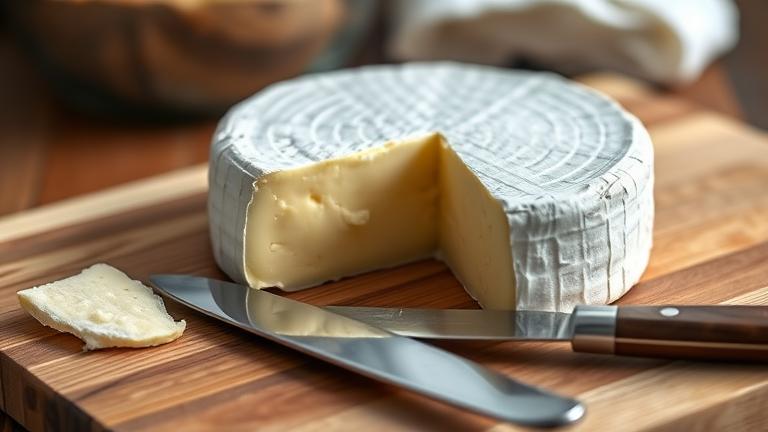
Why Remove Brie Rind Before Baking?
Many home cooks wonder whether it is necessary to remove the rind from Brie cheese before baking. The rind is the outer layer of the cheese, usually soft and edible, but some people prefer to take it off for practical or flavor reasons. Understanding why some choose to remove the Brie rind can help you decide how to prepare your cheese for your favorite baked dishes.
One common reason to remove the Brie rind before baking is personal texture preference. The rind has a slightly firmer, more rubbery texture compared to the creamy interior. When baked, this can create an unexpected hardness or chewiness, especially if the rind is thick. If you prefer a super smooth, melty cheese spread, removing the rind ensures that the texture remains creamy and uniform.
Another consideration is flavor. The rind develops during aging and has a unique, sometimes earthy taste. While some enjoy this added depth, others find it slightly bitter or overpowering in recipes that rely on a delicate, mild cheese flavor. Removing the rind allows the softer, milder cheese inside to shine through, creating a more gentle and balanced taste when baked.
Additionally, removing the rind can be helpful in certain recipes where the cheese is used as a filling or dip. For example, when making a cheese fondue or a stuffed pastry, you want a smooth, cohesive texture. The rind may cause lumps or uneven melting, so it’s often best peeled off for these applications.
- Keep in mind that the rind is edible and contains natural mold that can add flavor. If you’re a fan of the rind’s taste and texture, you might skip removing it.
- Some recipes even call for baking Brie with the rind on, especially if you want a rustic look or a more complex flavor profile.
- To remove the rind easily, use a sharp knife to cut around the edge of the cheese, then gently peel it away. It should come off in one piece if done carefully.
Ultimately, whether to remove the Brie rind before baking depends on your taste preferences and the recipe’s needs. If you’re trying it for the first time, consider experimenting with both methods—baking with the rind on for a more rustic experience, and without for a smoother, milder result. This way, you can discover which you prefer for different dishes or occasions.
Benefits of Baking with Brie Rind
Baking with Brie is a popular choice for many home cooks, and leaving the rind on is often encouraged. The Brie rind is not just edible but also adds several benefits that enhance your dish. When you bake Brie with the rind, you unlock a richer flavor and better texture, making your cheese experience even more enjoyable.
One of the main advantages of leaving the rind on is the boost in flavor. The rind acts as a natural barrier that helps contain the creamy interior as it melts. During baking, the rind develops a slightly nutty and savory taste, which adds depth to the dish. This flavor complements various ingredients, from fruits and nuts to bread and crackers. Without the rind, the center may become overly runny and lack that complex, roasted cheese taste.
The texture is another reason to bake Brie with the rind. The rind becomes slightly crispy and chewy as it bakes, creating a delightful contrast with the soft, gooey interior. This textural difference makes every bite more interesting. It also helps the cheese hold its shape better during baking, preventing it from turning into a messy, unmanageable puddle.
From a presentation perspective, keeping the rind on makes your dish look more appetizing. When served, the whole Brie looks attractive, with a golden-brown crust on top and a warm, inviting center inside. This not only impresses guests but also encourages everyone to savor the full experience. Plus, the rind acts as a natural container that keeps the melted cheese contained, making serving easier and less messy.
Another benefit is the added nutritional value. Although the rind is mostly edible, it contains beneficial mold and bacteria that can help with digestion. While it may sound unusual, these elements often contribute to the unique flavor profile of Brie and can be considered part of its health benefits. Just remember, if you prefer a milder taste or have sensitivities, you can remove the rind after baking, but leaving it on usually offers the best overall experience.
To get the most out of baking Brie with the rind, choose a high-quality cheese and bake it at the right temperature. Typically, baking at 375°F (190°C) for about 15-20 minutes allows the cheese inside to become wonderfully creamy without over-softening the rind. Remember to serve it warm to fully enjoy the flavor and texture benefits. Also, get creative with toppings and sides—think honey, fresh herbs, or crusty bread—to complement the savory notes of the rind-enhanced Brie.
- Tip: If you plan to serve the Brie with fruit or nuts, try placing the cheese on a baking sheet lined with parchment paper to catch drips and make cleanup easier.
- Tip: Always check the cheese as it bakes. If it starts to bubble and brown too quickly, tent it loosely with foil to prevent burning.
In summary, keeping the rind on when baking Brie enhances flavor, texture, presentation, and even nutrition. It’s a simple step that yields richer, more satisfying results, making your cheese dish truly special.
How to Remove Brie Rind Properly
Removing the rind from Brie cheese can be useful if you prefer a smoother, creamier texture in your dishes or simply want to enjoy the soft interior without the tough outer layer. The Brie rind is edible and made of mold that gives the cheese its distinctive flavor, but some people find it too strong or unpleasant for certain recipes. With a few simple steps, you can remove the rind safely and effectively, ensuring the cheese still tastes delicious.
First, choose a clean cutting surface and a sharp knife. A paring knife or a small chef’s knife works well because they give you more control. It’s best to work on a cutting board that stays steady during the process. Make sure your hands are clean to prevent any contamination. If the Brie cheese is cold from the fridge, it’s easier to handle and cut, so take it out about 15-20 minutes before you plan to start.
Step-by-Step Instructions
- Unshell the cheese: Carefully remove any plastic or packaging wrapping. Gently wipe the cheese with a damp cloth if needed to clean off any dust or excess rind. Avoid rinsing it with water, as that can make the cheese too soft.
- Slice the Brie: Place the cheese on the cutting board. Hold the cheese steady with one hand and use the other hand to slice off a small piece of the rind. Start from the top or the side, depending on how your cheese is shaped. Make sure your slices are thin—about a quarter-inch or less—so you remove just the rind without wasting too much of the interior.
- Inspect and adjust: Once you make the first cut, check the rind’s thickness. If you want to remove more, continue slicing around the cheese, working gently to avoid crumbling the interior. If you’re only removing part of the rind for a softer taste, cut accordingly.
- Trim as needed: The rind can be a little uneven, so feel free to trim any thick or tough parts that might be difficult to eat. Sometimes, the edges are firmer, and peeling them away easily helps create a smoother surface.
- Clean your tools and workspace: After removing the rind, wash your knife and cutting board with warm, soapy water. This keeps everything clean and ready for your next cheese or meal.
Tips for Success
- Use a sharp knife to avoid tearing the cheese or crushing it. Dull blades can cause messier cuts.
- If the rind is particularly tough or moldy, you can lightly score it first with the knife to help peel it away more smoothly.
- Remember that the rind is edible, so only remove it if it bothers your palate or recipe. Removing too much can affect the cheese’s flavor and texture.
- If you’re preparing Brie for a cheese platter, consider leaving some rind on for presentation and flavor, especially if the platter is for sharing.
Removing the Brie rind properly helps you enjoy the soft, creamy interior to the fullest. With these simple steps, you can tailor your Brie to match your taste and culinary needs. Just take your time, use the right tools, and enjoy your cheese with confidence!
Baking Tips for Perfect Brie Dishes
Baking Brie can be a simple yet elegant way to impress family and friends. Whether you’re making a stuffed Brie, a baked wheel, or a Brie en croûte, some key tips will help ensure your dish turns out perfectly every time. Getting the oven settings, timing, and serving right can make all the difference in achieving that gooey, melty center with a golden crust.
First, always preheat your oven before baking. A temperature around 375°F (190°C) works well for most Brie recipes. This allows the cheese to melt evenly and develop a beautifully crisp exterior. If you bake at too high a temperature, the outer crust might burn before the inside becomes melty. Conversely, too low a temperature may result in a duller color and less gooey texture. Keep an eye on your oven’s calibration and use an oven thermometer if necessary for accurate baking temperatures.
Timing is also crucial. Most Brie dishes require about 15 to 20 minutes of baking. Check your Brie at the 15-minute mark. If it looks golden on top and the cheese is bubbling, it’s ready. If not, give it a few more minutes but avoid overbaking, which can cause the cheese to escape or become too runny. Remember, the cheese continues to melt slightly even after removing from the oven, so aim for a just-melted consistency.
When preparing Brie for baking, consider the packaging. If your Brie is in a wooden box, remove any plastic wrap or metal foil. Wrap the Brie in puff pastry or phyllo dough for a savory crust that browns beautifully. Using a baking sheet lined with parchment paper can make cleanup easier. For added flavor, sprinkle herbs, garlic, or a drizzle of honey on top before baking.
Once out of the oven, allow the Brie to rest for a few minutes. This helps the cheese settle and reduces the risk of it spilling out when sliced. Serve warm with crusty bread, crackers, or sliced fruits for a delightful combination. For presentation, place the baked Brie on a nice serving platter and garnish with fresh herbs or a sprinkle of nuts for extra texture and visual appeal.
- Always preheat your oven and use a reliable thermometer for best results.
- Monitor baking time closely to avoid over or undercooking.
- Use puff pastry or dough for a crisp, golden crust.
- Allow the baked Brie to rest briefly before serving.
With these baking tips, you can master the art of making perfectly baked Brie. Enjoy the creamy melt and crispy exterior every time, turning simple ingredients into a crowd-pleasing dish.
Common FAQs About Brie Rind and Baking
If you’re new to baking with Brie, you might have questions about the rind and how it affects your cheese dish. Don’t worry—here are some of the most common questions home cooks ask about Brie rind and baking, along with simple answers to help you get it just right.
Is it safe to bake Brie with the rind on?
Yes, it is safe to bake Brie with the rind on. The rind acts as a natural barrier that helps the cheese melt evenly. It also adds flavor and texture to your baked Brie. Many recipes recommend baking Brie with the rind because it helps contain the cheese as it softens and becomes gooey.
Will the rind affect the taste or texture of the baked Brie?
The Brie rind has a slightly earthy and milky flavor. When baked, the rind softens but doesn’t dissolve completely. It can add interesting texture and deepen the flavor of your baked Brie. Some people enjoy eating the rind along with the melted cheese, while others prefer to scoop out the soft interior and leave the rind behind. It really depends on your personal preference.
Can I remove the rind before baking?
Absolutely. If you find the rind unappealing or if you prefer a smoother texture, you can cut it off before baking. Just use a sharp knife to gently remove the outer layer. Keep in mind that without the rind, the cheese might spread more during baking, so you may want to bake it in a small dish or on parchment paper to prevent messes.
What temperature should I bake Brie at?
The typical baking temperature for Brie is around 350°F (175°C). Baking at this heat allows the cheese to melt evenly without overheating or burning. Usually, baking for about 15-20 minutes works well, but keep an eye on it as ovens vary. The cheese should be soft, bubbly, and golden on top when ready.
How can I tell when Brie is fully baked?
The easiest way to tell is by checking if the cheese is bubbling and soft inside. You can gently poke the center with a knife or skewer—if it feels very soft and spreads easily, it’s ready. The top should be lightly golden and slightly crisp. If you prefer it extra gooey, bake a few minutes longer, but be careful not to overcook or the cheese may become stringy.
Are there any tips for baking Brie without making a mess?
- Wrap your Brie in parchment paper or place it in a baking dish to catch any leakage.
- Slice off the rind if you want a cleaner presentation or a softer texture.
- Bake on a baking sheet lined with foil or parchment to avoid spills in your oven.
Understanding how Brie rind reacts during baking can help you customize your recipes and avoid common mistakes. Whether you leave the rind on for added flavor or remove it for a smoother dish, experimenting is part of the fun of cooking. With these tips, you’ll be baking delicious Brie dishes confidently in no time.