
Banana Storage Tips and Best Practices
Bananas are a popular fruit enjoyed by many, but they can be tricky to store properly. To keep your bananas fresh and flavorful for as long as possible, it’s helpful to understand the best storage methods. Whether you like them ripe, slightly green, or perfectly yellow, these tips will help you maintain their quality.
One of the most important things to remember is that bananas are sensitive to temperature and light. Store them in a cool, dry place away from direct sunlight. The kitchen counter is usually a good spot, but if you want to extend their freshness, you can consider other options.
Optimal Storage Locations
- Countertop: The most common place to keep bananas is on the countertop. Keep them out of direct sunlight and away from heat sources like appliances. This way, they ripen evenly and avoid premature spoilage.
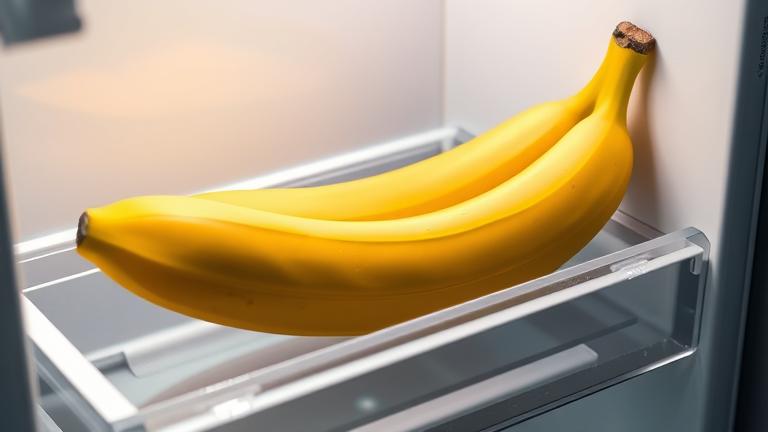
- Refrigerator: Once bananas reach your preferred ripeness, you can store them in the fridge. The cool temperature slows down ripening and keeps bananas fresh longer. The skin may turn brown, but the inside stays firm and tasty.
- Banana hooks or baskets: Using a banana hook or hanging basket allows air circulation around the fruit, preventing bruising and slowing ripening. This is especially helpful if you buy bananas in bulk.
Methods to Prolong Shelf Life
If you want to keep your bananas fresh and prevent overripening or mold growth, try these simple techniques:
- Avoid stacking: Don’t pile bananas on top of each other. The pressure can cause bruising, which leads to quicker spoilage.
- Wrap the stems: Wrap the banana stems with plastic wrap or foil. This slows down the release of ethylene gas that promotes ripening and helps keep bananas fresh longer.
- Separate ripening stages: If you bought bananas at different ripening stages, separate them so that only those that need to ripen further are kept together. This prevents overripe bananas from affecting the others.
Practical Tips and Common Mistakes
- Tip: If your bananas are already ripe but you’re not ready to eat them, store them in the fridge. The skin may darken, but the inside will stay fresh for a few more days.
- Beware: Avoid storing bananas in airtight containers or sealed plastic bags without ventilation. This traps moisture and accelerates spoilage.
- Avoid: Leaving bananas in warm, humid environments such as near the stove or in a closed cabinet. Humidity speeds up ripening and mold growth.
By following these simple banana storage tips and best practices, you can enjoy fresh, delicious bananas for a longer time. Remember to watch for signs of ripening and adjust your storage methods accordingly. Proper storage not only extends shelf life but also preserves the flavor and texture you love.
Common Mistakes When Storing Bananas
Storing bananas might seem simple, but it’s easy to make mistakes that cause them to spoil faster or ripen unevenly. Knowing what to avoid helps keep your bananas fresh and delicious for longer. Let’s look at some common errors and how to sidestep them.
One of the biggest mistakes is leaving bananas out in direct sunlight or near heat sources. Bananas are sensitive and prefer a cool, shaded spot. Sunlight speeds up ripening, making bananas turn brown and mushy sooner. Similarly, placing bananas near the stove or in warm kitchens can hasten spoilage. Keep them in a cool, well-ventilated area away from direct light.
Another frequent error is refrigerating bananas too early. Many people think cold storage will keep bananas fresh forever, but refrigeration can cause the peel to darken and develop black spots. Don’t refrigerate green or underripe bananas if you want to ripen them gradually. Instead, wait until they are ripe enough, then pop them in the fridge. The peel may turn dark, but the fruit inside stays fresh longer.
Storing bananas close together or piling them can also lead to quick spoilage. When bananas touch or are stacked, they bruise easily. Bruised areas become entry points for bacteria and mold, speeding up decay. To prevent this, place bananas in a single layer or keep them separate using a banana hook or a breathable bag. If you have a bunch, consider removing individual bananas that look overripe to protect the rest.
A common mistake is not paying attention to ripeness stages for different uses. Some people buy bananas that are too ripe for immediate snacking, expecting them to last, but they may spoil before use. Conversely, underripe bananas take longer to ripen, which can cause delays. Decide what ripeness level suits your plans. If you want bananas for smoothies or baking, choose fully ripe ones. For eating fresh later, buy underripe bananas and let them ripen at room temperature.
Another mistake is neglecting proper airflow. Bananas need good air circulation to prevent moisture buildup, which encourages mold growth. Store them in a basket or a perforated bag rather than sealed plastic wraps, which trap humidity. Also, avoid storing bananas in the fridge door, where temperature fluctuations are more common.
Lastly, forgetfulness about ripening cues can cause waste. Keep an eye on your bananas’ color and texture. A bright yellow peel with a few brown spots usually signals peak ripeness. When you notice bananas starting to overripen, plan to use or refrigerate them soon.
To sum up, avoid placing bananas in direct sunlight, refrigerating prematurely, stacking them tightly, or neglecting airflow. By paying attention to these details, you can extend your bananas’ freshness and enjoy them at their best.
Benefits of Refrigerating Bananas
If you have ripe bananas that you want to enjoy for a longer time, refrigerating them can be a great option. Many people wonder whether it’s okay to put bananas in the fridge, and the answer is yes, with some helpful benefits. Refrigerating bananas can slow down the ripening process, keeping the fruit fresh and enjoyable for a longer period. This is especially useful if you have just enough bananas to use over the week or if you want to prevent bananas from turning overly soft before you get a chance to eat them.
One of the main advantages of refrigerating bananas is that it helps preserve their texture and flavor. When bananas ripen, their skins turn yellow and may develop brown spots. These brown spots indicate that the fruit inside is sweeter and softer, but they also mean the bananas are approaching their peak ripeness. Storing bananas in the fridge slows this process, making them last for several extra days without becoming overly mushy or overly ripe.
Another benefit is that refrigerating bananas can keep them looking fresh longer, especially if the skins have already developed brown spots. Many people find that cooled bananas look more appealing than those left out on the counter, which can quickly turn brown and unattractive. The cold temperature helps stop the browning process of the skin, so they stay presentable longer. However, it’s important to note that the peel may darken in the fridge even though the fruit inside remains fresh and ready to eat.
Refrigeration is also a smart way to prepare bananas for recipes. If you plan to make smoothies, banana bread, or other baked goods, using chilled or slightly cooled bananas can enhance the flavor and make your recipes more refreshing. Plus, chilled bananas are easier to peel if they have become very ripe, making food prep smoother and faster.
There are some practical tips for refrigerating bananas effectively. Place bananas in a plastic bag or cover them with plastic wrap to prevent moisture loss and avoid the fruit catching any other fridge odors. It’s best to refrigerate ripe or nearly ripe bananas rather than unripe ones, as putting unripe bananas in the cold can slow their ripening process excessively or interfere with natural flavor development.
- Be aware that the peel may turn dark in the fridge, but this does not mean the fruit inside is spoiled.
- If you want to slow ripening even more, consider refrigerating bananas after they are fully ripe.
- Use refrigerated bananas within 2 to 3 days for the best taste and texture.
Remember, refrigerating bananas is a smart way to extend their usability and enjoy them at peak freshness longer. Just keep an eye on the peel color and plan to use them soon after refrigeration for the best results. With these simple tips, you can enjoy your bananas in different ways and reduce food waste while saving money.
How to Tell If Bananas Are Ripe
Knowing when bananas are ripe is a handy skill for home cooks and fruit lovers. Ripe bananas are perfect for eating on their own, adding to smoothies, or baking into bread. By paying attention to color, texture, and aroma, you can easily figure out if your bananas are ready to enjoy or need a little more time to ripen.
The most obvious sign of a ripe banana is its color. Fresh bananas start out green and gradually turn yellow. As they ripen, you might notice small brown spots appearing on the peel. These spots are a good indicator that the banana is sweet and soft enough to eat. If the banana has mostly yellow skin with a few brown speckles, it’s usually at its peak ripeness.
Be cautious if your banana is mostly green. Green bananas tend to be firmer and less sweet. They’re best for cooking or if you prefer a less ripe taste. On the other hand, bananas that are entirely brown or black might be overripe. While some people love their soft, very sweet flavor, overripe bananas are starting to spoil and should be eaten soon or used in baking.
Check the Texture
Besides color, the feel of a banana tells you a lot. Gently squeeze the fruit; a ripe banana will feel soft yet still healthy. It should give a little when pressed but not be mushy. If the banana is hard and firm, it’s not ripe yet. You can leave it at room temperature for a few days, and it will soften and sweeten naturally.
If the banana feels extremely soft or squishy, especially around the stem, it might be overripe. This is a sign it’s very ripe and best suited for recipes like banana bread or smoothies. Overripe bananas are often perfect for baking because they’re very sweet and easy to mash.
Take a Whiff
The aroma of a banana is a simple way to tell if it is ripe. Ripe bananas have a sweet, fruity smell. If you notice a strong banana scent, it’s a good sign that the fruit is ready for snacking. If there’s no smell or it smells slightly green, the banana is not yet ripe and needs more time.
Additional Tips for Ripe Bananas
- If you want bananas to ripen faster, place them in a paper bag. The trapped ethylene gas speeds up the process.
- For bananas that are perfectly ripe but you’re not ready to eat, store them in the fridge. The peel may turn brown, but the fruit inside stays fresh longer.
- If you notice a few brown spots but the banana is still firm, it’s perfect for eating or baking.
By using these simple clues—color, texture, and smell—you can easily judge the ripeness of your bananas. This helps you enjoy them at their best or plan to use them in recipes where over- or under-ripe fruit might not work as well.
Proper Ways to Keep Bananas Fresh
Bananas are a popular fruit loved for their sweet flavor and convenience. To enjoy them at their best, it’s important to know how to keep bananas fresh for as long as possible. Whether you prefer your bananas soft and ripe or slightly firm, the right storage methods can help reduce waste and maintain their delicious taste and texture.
First, understand that bananas ripen quickly at room temperature. If you buy bananas that are already slightly green, they can usually stay fresh for a few days on your countertop. To slow down their ripening process, keep them away from direct sunlight and heat sources. A cool, dry place is ideal for storing bananas at home. Avoid storing them in the fridge while they are still green because cold temperatures can disrupt ripening and may cause the peel to turn brown prematurely.
When to Store Bananas in the Refrigerator
Once bananas reach your preferred ripeness, you might want to extend their freshness. The best way is to place ripe bananas in the fridge. The cool temperature slows down the ripening process and preserves their flavor. Keep in mind that the peel might turn brown or black in the fridge, but don’t worry—this doesn’t mean the fruit inside has spoiled. The insides will usually stay fresh and tasty for a few more days.
To keep bananas fresh in the fridge, place them in a plastic bag or container to prevent moisture loss. If you want to store ripe bananas without any mess, peel them first and put the chunks into an airtight container. This not only preserves them but also makes it easy to add banana slices to cereal, smoothies, or baked goods later.
Tips for Preventing Premature Ripening
- Separate bananas from other fruits. Many fruits release ethylene gas, which accelerates ripening. Keeping bananas apart from apples or tomatoes can slow down this process.
- Wrap the stems in plastic wrap or aluminum foil. This trick helps contain ethylene gases released at the stem and slows ripening.
- If you notice bananas starting to turn brown, you can still save them. Place them in the fridge or freeze them for later use in smoothies or baking.
Freezing Bananas
If you have overripe bananas that you won’t use soon, freezing is a perfect solution. Peel the bananas and place them in a freezer-safe bag or container. Freeze for up to three months. Frozen bananas are excellent for smoothies, banana bread, or softening for other recipes, and freezing them helps prevent waste.
A common mistake many make is freezing bananas with the peel still on. While this is okay, peeling them beforehand makes it easier to use them straight from the freezer without thawing too much. Also, avoid stacking unpeeled bananas in the freezer, as they can stick together and be difficult to separate later.
By following these simple tips, you can keep your bananas fresh longer, enjoy their peak flavor, and cut down on food waste. Whether at room temperature or in the fridge, proper storage can make a big difference in your banana experience.